Modular homes are becoming one of the fastest-growing segments in the global housing market. With rising construction costs, labor shortages, and increasing demand for sustainable solutions, more homeowners and developers are turning to modular construction as a smarter alternative.
In this complete guide, we explain how modular homes are built, what you should consider before buying, and why they are becoming a long-term solution for modern living.
What Is Modular Home Construction?
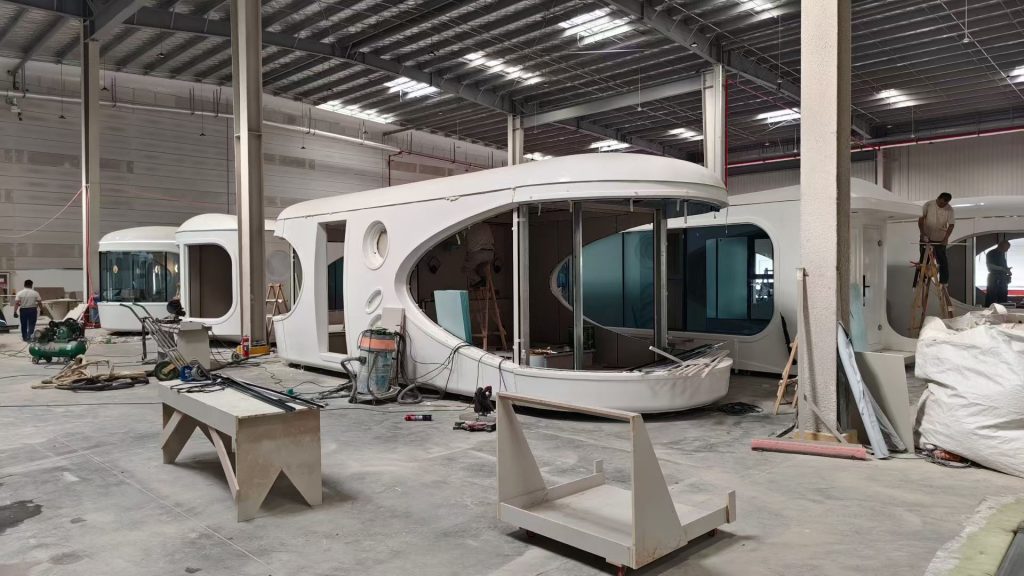
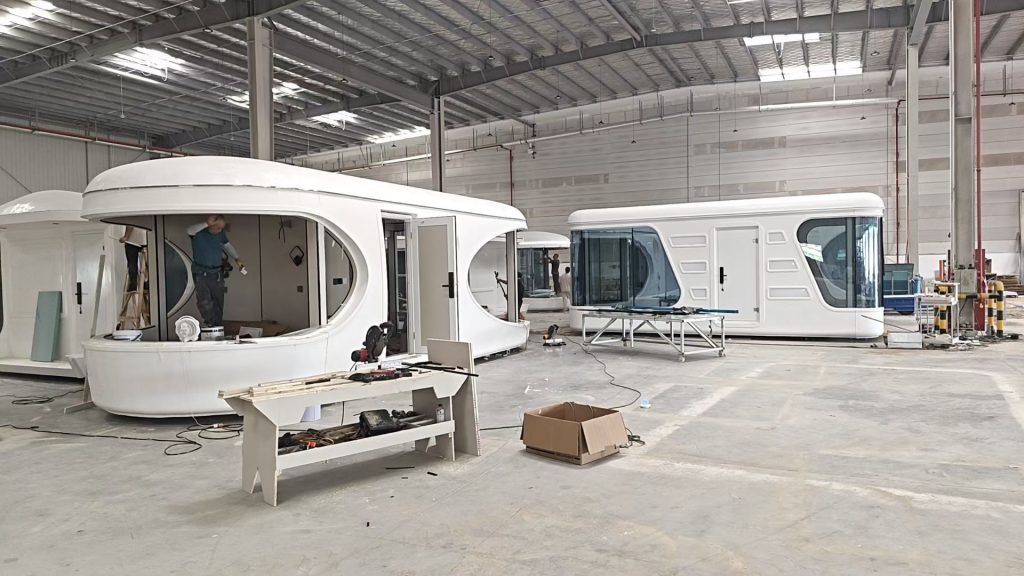
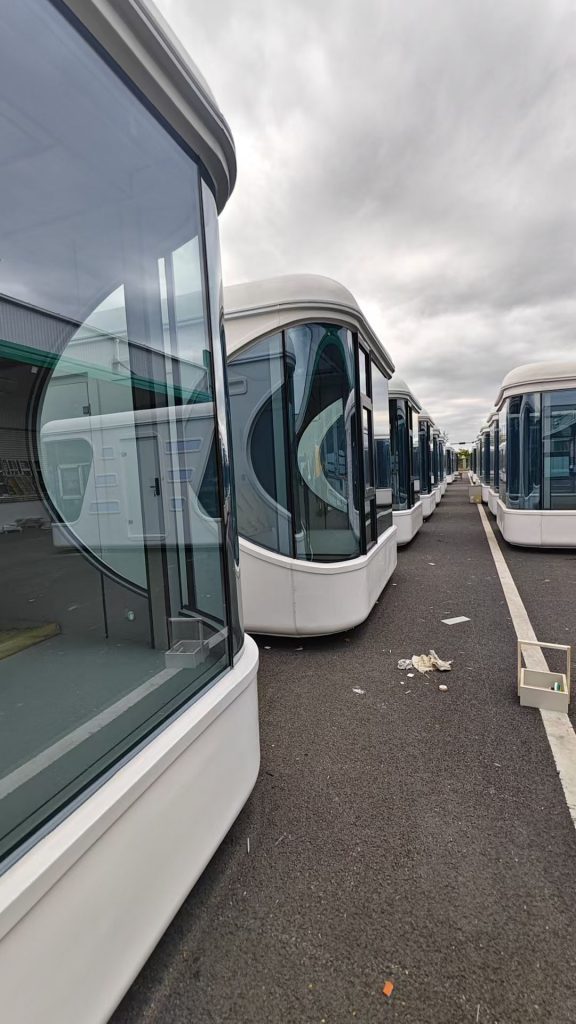
Modular home construction is a process where homes are built in sections (modules) inside a factory, then transported to the final site for assembly.
Unlike traditional construction, modular building is:
- Controlled and standardized
- Weather-independent
- Faster and more precise
- Less wasteful
- More predictable in cost
Each module is engineered to meet or exceed local building standards, ensuring safety and durability.
How Modular Homes Are Manufactured
The modular home production process includes:
- Structural frame assembly
- Wall, floor, and roof panel installation
- Insulation placement
- Electrical and plumbing pre-installation
- Interior wall finishing
- Window and door fitting
- Quality inspection
By the time the modules leave the factory, most of the work is already done.
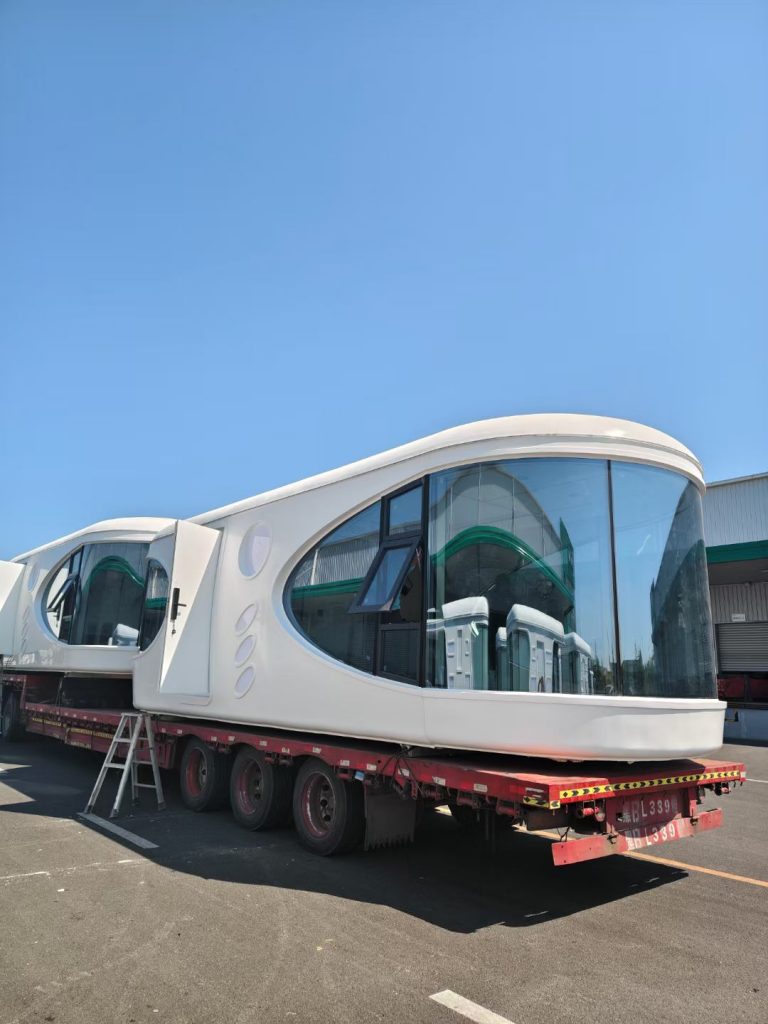
Transportation and On-Site Assembly
After manufacturing, the modules are carefully packed and transported to the building site.
On-site assembly usually takes only a few days and involves:
- Crane lifting
- Module positioning
- Structural connection
- Utility hookups
- Final sealing
This reduces disruption to the surrounding environment and neighborhood.
Why Modular Homes Are More Reliable
Because modular homes must survive transportation, they are built stronger than many traditional houses.
They typically include:
- Reinforced steel frames
- High-load floor systems
- Fire-resistant materials
- Anti-moisture coatings
- Wind and seismic-resistant structures
This makes them suitable for various climates and terrains.
Flexibility in Design and Layout
One of the biggest advantages of modular homes is design flexibility.
Buyers can choose:
- Single-story or multi-story layouts
- Studio, family, or villa designs
- Flat or pitched roofs
- Modern or classic styles
- Open or segmented floor plans
You can also expand your home later by adding new modules.
Budget Control and Transparency
Traditional construction often comes with hidden costs.
Modular homes offer:
- Fixed pricing
- Clear specifications
- Standardized components
- Reduced labor dependency
This allows buyers to plan their finances more confidently.
Comfort and Indoor Quality
Factory-built modular homes are sealed more precisely than site-built houses.
This results in:
- Better thermal insulation
- Lower energy bills
- Reduced noise
- Improved air tightness
- Stable indoor temperature
This makes modular homes comfortable in both hot and cold climates.
Modular Homes for Different Applications
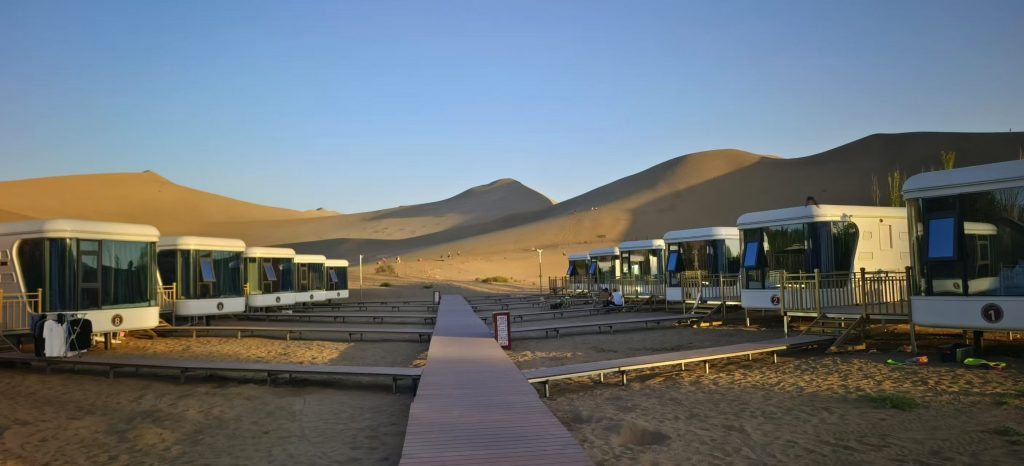
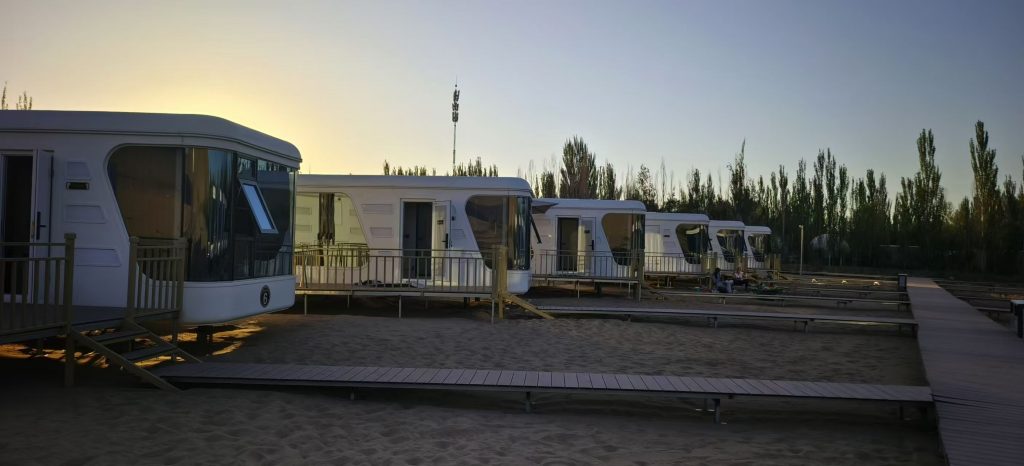
Modular homes are used in many sectors:
- Residential housing
- Student dormitories
- Staff accommodations
- Hotels and resorts
- Medical clinics
- Schools
- Temporary offices
Their adaptability makes them ideal for both permanent and temporary use.
Maintenance and Long-Term Performance
Modular homes are designed for durability.
Common features include:
- Anti-corrosion steel frames
- Waterproof wall panels
- Termite-resistant flooring
- Fire-rated insulation
These materials reduce the need for frequent repairs.
Why Developers Prefer Modular Construction
For large projects, modular homes offer:
- Predictable schedules
- Consistent quality
- Easier scalability
- Lower risk
This makes modular construction a favorite among real estate developers and government projects.
Is Modular Housing the Future?
As cities become more crowded and construction resources become limited, modular housing is becoming a global standard.
It solves:
- Housing shortages
- Rising labor costs
- Environmental concerns
- Long construction cycles
This is why more countries are adopting modular systems for public housing and emergency shelter projects.
Final Thoughts
Modular home construction is no longer an experiment—it is a proven, reliable, and efficient building method.
With advantages in speed, quality, flexibility, and cost, modular homes offer a smarter way to build for both individuals and organizations.
If you are planning a housing project, modular construction deserves serious consideration.
⭐⭐⭐⭐⭐ Customer Reviews
-
👤 Brian T. – 🇺🇸 USA
⭐⭐⭐⭐⭐
Very strong structure and quick setup. -
👤 Laura M. – 🇨🇦 Canada
⭐⭐⭐⭐⭐
Great indoor comfort and insulation. -
👤 Aaron P. – 🇦🇺 Australia
⭐⭐⭐⭐⭐
The design options were very flexible. -
👤 William K. – 🇬🇧 United Kingdom
⭐⭐⭐⭐⭐
Smooth installation process. -
👤 Abdul R. – 🇸🇦 Saudi Arabia
⭐⭐⭐⭐⭐
Perfect for hot climates. -
👤 Lukas F. – 🇩🇪 Germany
⭐⭐⭐⭐⭐
Solid materials and good engineering. -
👤 Marie D. – 🇫🇷 France
⭐⭐⭐⭐⭐
Beautiful interior finishing. -
👤 Diego S. – 🇪🇸 Spain
⭐⭐⭐⭐⭐
Excellent value for money. -
👤 Kenta Y. – 🇯🇵 Japan
⭐⭐⭐⭐⭐
Very precise manufacturing. -
👤 Youssef A. – 🇲🇦 Morocco
⭐⭐⭐⭐⭐
Easy to install and expand. -
👤 Peter J. – 🇿🇦 South Africa
⭐⭐⭐⭐⭐
Great for staff accommodation. -
👤 Elena C. – 🇮🇹 Italy
⭐⭐⭐⭐⭐
Stylish and modern look. -
👤 Rafael L. – 🇧🇷 Brazil
⭐⭐⭐⭐⭐
Very cost-effective solution. -
👤 Mats O. – 🇸🇪 Sweden
⭐⭐⭐⭐⭐
Warm and quiet inside. -
👤 Okan D. – 🇹🇷 Turkey
⭐⭐⭐⭐⭐
Very strong and reliable.
Article link:https://www.vlefooena.com/modular-home-construction-guide-everything-you-need-to-know-before-buying/


No reply content