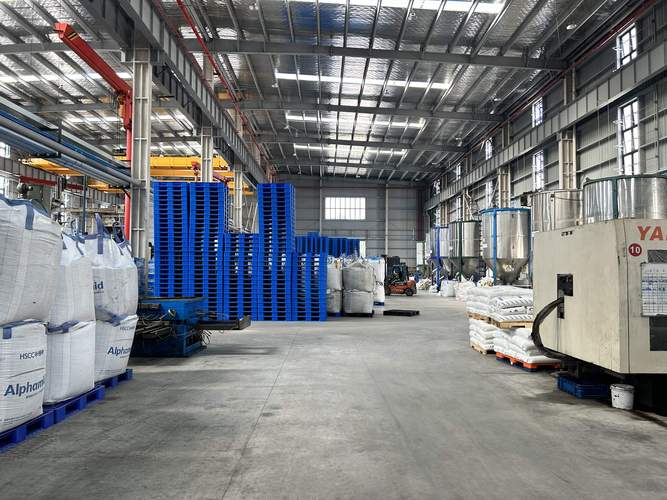
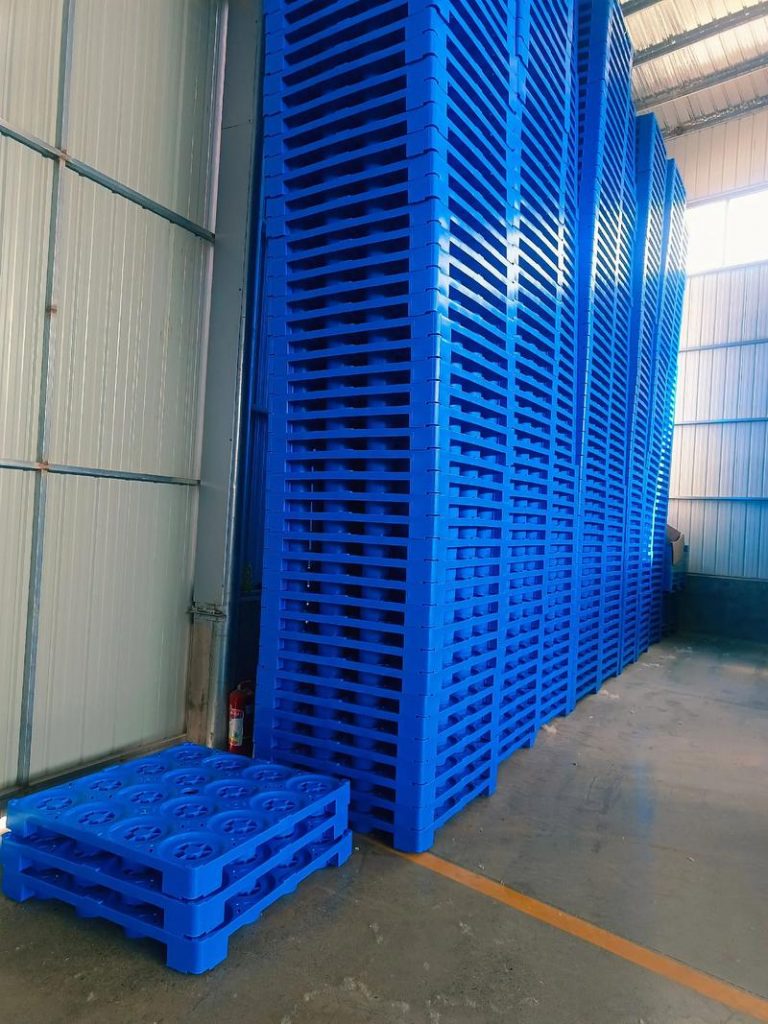
In industries ranging from cold-chain logistics to chemical manufacturing, moisture is a silent adversary. It warps wood, corrodes metal, and breeds bacteria—compromising the integrity of pallets, damaging goods, and inflating operational costs. Traditional wooden pallets, once the industry standard, fail catastrophically in damp environments: they absorb moisture, swell, crack, and become breeding grounds for mold and pests. For businesses operating in demanding environments (e.g., refrigerated warehouses, outdoor yards, chemical plants, or agricultural facilities), a more resilient solution is non-negotiable. Enter the moisture-resistant plastic pallet: engineered with advanced materials and intelligent design to thrive where others falter. This article explores how these pallets deliver unmatched durability, hygiene, and cost efficiency in even the harshest humid conditions.
Part 1: The Enemy Within: How Moisture Destroys Traditional Pallets
1.1 The Wooden Pallet’s Achilles’ Heel
-
Swelling and Warping: Absorbed moisture causes wood fibers to expand, distorting the pallet’s shape. This misalignment leads to unstable loads, difficulty in racking, and increased risk of product damage.
-
Rot and Decay: Prolonged exposure to moisture triggers fungal growth (rot), weakening the structure. A wooden pallet in a cold storage facility may last just 1–2 years before becoming unusable.
-
Pest Infestation: Moist wood attracts termites, beetles, and mold, posing contamination risks in food/pharma applications.
-
Cleaning Ineffectiveness: Wood’s porous surface traps dirt, bacteria, and chemicals, making sterilization impossible. Spills and condensation create persistent stains and odors.
1.2 Metal Pallets: Corrosion and Cost
1.3 The Plastic Advantage: A Paradigm Shift
Part 2: Engineering Moisture Resistance: Materials and Design
2.1 The Power of HDPE and Polypropylene
-
Non-Porous Structure: Unlike wood, HDPE/PP have no microscopic pores to absorb moisture. Water beads on the surface and drains away, preventing saturation.
-
Chemical Resistance: They repel oils, acids, alkalis, and cleaning agents—critical for化工, food processing, and agricultural applications.
-
Temperature Tolerance: HDPE remains flexible down to -40°C (ideal for freezers), while PP withstands up to 120°C (suitable for hot washdowns). UV-stabilized grades prevent degradation in outdoor settings.
-
Impact Strength: Plastic pallets absorb shocks without cracking, unlike brittle wood or corroded metal.
2.2 Design Features That Defy Moisture
-
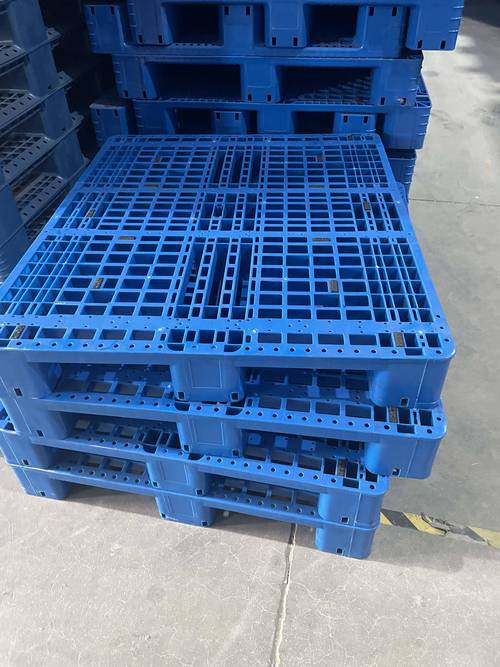
Sealed Edges and Joints: One-piece injection molding eliminates seams, nails, or screws where moisture could infiltrate. Reinforced perimeter edges prevent water from seeping into the core.
-
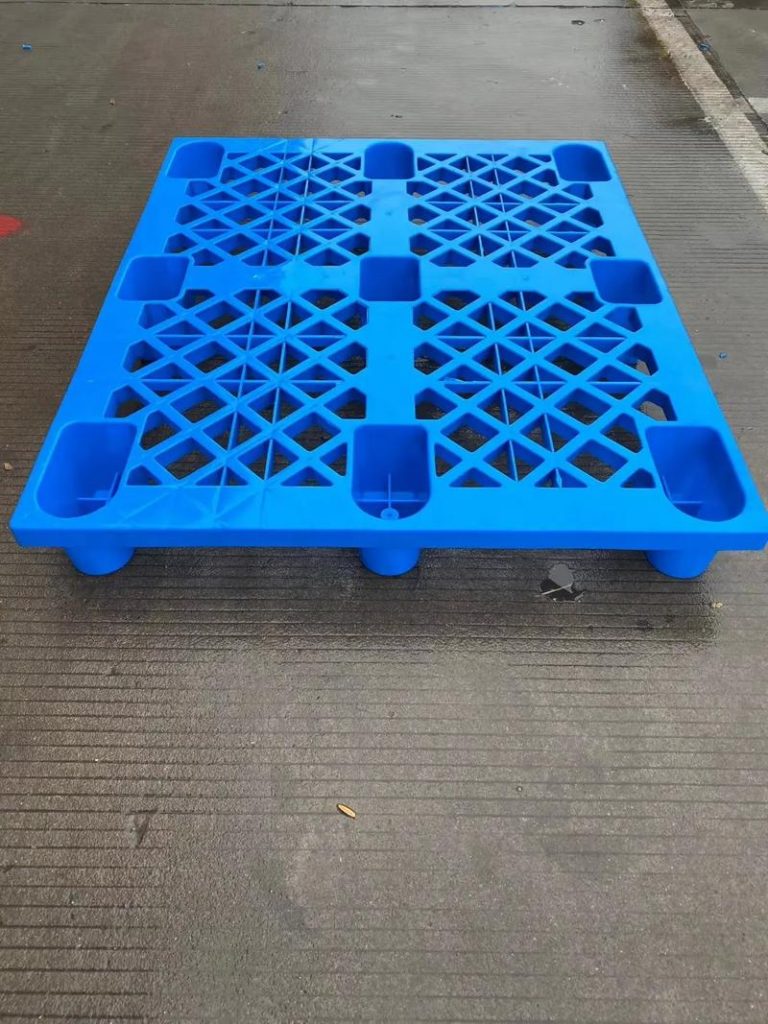
Drainage and Ventilation: Grid or vented decks allow standing water to drain quickly, preventing pooling. This is vital for perishable goods (e.g., fruits, vegetables) and washdown environments.
-
Rounded Corners and Smooth Surfaces: Eliminate crevices where moisture and debris can accumulate, simplifying cleaning and reducing bacterial growth.
-
Lightweight yet Strong: Plastic pallets weigh 30–50% less than wood, reducing handling strain and freight costs while maintaining high load capacities (1,500–3,000kg dynamic, 6,000–8,000kg static).
Part 3: Core Advantages in Demanding Environments
3.1 Unmatched Durability and Longevity
-
Extended Service Life: In moist environments, plastic pallets last 8–12 years—5–6x longer than wooden pallets (which may need replacement every 1–2 years).
-
Consistent Performance: They do not swell, warp, or weaken with exposure to humidity, ensuring reliable racking and transport.
-
Low Maintenance: No need for repairs (e.g., replacing broken slats or nails) or treatments (e.g., fungicides for wood).
3.2 Superior Hygiene and Contamination Control
-
Easy Sterilization: The non-porous surface can be cleaned with high-pressure steam, detergents, or disinfectants—meeting FDA, EU 10/2011, and GMP standards for food, pharma, and healthcare.
-
Bacteria Resistance: Studies show plastic pallets harbor 90% fewer pathogens than wood, reducing cross-contamination risks.
-
Odor and Stain Resistance: Spills (e.g., juices, chemicals) wipe away cleanly, preventing lingering odors or discoloration.
3.3 Cost Efficiency: Lower Total Cost of Ownership (TCO)
-
Fewer replacements (longer lifespan),
-
Reduced cleaning/maintenance labor,
-
Lower freight costs (lighter weight),
-
Elimination of compliance fees (e.g., ISPM 15 for wood).
3.4 Enhanced Safety
-
No Sharp Edges: Smooth, rounded surfaces prevent cuts and punctures.
-
Stable Loads: Consistent dimensions and reinforced structures minimize load shifting, even in damp conditions.
-
Ergonomic Handling: Lighter weight reduces worker strain during manual movement.
Part 4: Key Applications in Moisture-Prone Industries
4.1 Cold Chain and Refrigerated Logistics
-
Freezer Storage: HDPE pallets withstand -40°C without becoming brittle, ideal for frozen foods, ice cream, and pharmaceuticals. Grid decks drain condensation, preventing ice buildup.
-
Chilled Warehouses: Polypropylene pallets resist moisture from frequent door openings, maintaining load stability for fresh produce, dairy, and meats.
4.2 Chemical and Petrochemical Plants
-
Corrosive Environments: Resistant to acids, alkalis, and solvents, these pallets safely transport drums of chemicals, paints, and lubricants.
-
Outdoor Storage Yards: UV-stabilized grades prevent fading and degradation from rain and sunlight.
4.3 Food and Beverage Processing
-
Washdown Areas: Withstand high-pressure cleaning in meatpacking, breweries, and bakeries. Solid or grid decks prevent liquid pooling.
-
Perishable Goods: Hygienic surfaces meet USDA/FDA standards for fruits, vegetables, and ready-to-eat meals.
4.4 Agriculture and Horticulture
-
Greenhouses and Nurseries: Resist moisture from irrigation systems and soil contact. Lightweight design eases movement of potted plants or bulk seeds.
-
Harvest Season: Durable enough to handle wet crops (e.g., berries, leafy greens) without collapsing.
4.5 Outdoor Events and Construction
-
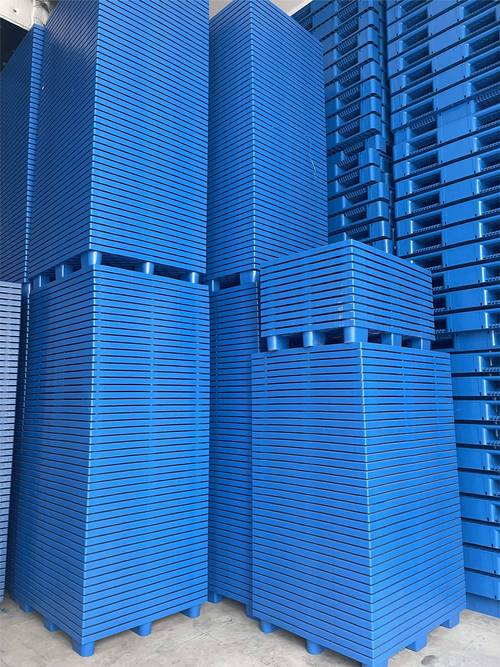
Temporary Storage: Withstand rain and mud at festivals, markets, or job sites. Nestable designs save space when not in use.
Part 5: Choosing the Right Moisture-Resistant Plastic Pallet
5.1 Match Material to Environment
-
HDPE: Best for cold storage (-40°C to 60°C) and general moisture resistance.
-
Polypropylene (PP): Ideal for hot washdowns (up to 120°C) and chemical-heavy environments.
-
Glass-Reinforced Plastic (GRP): For extreme loads (>3,000kg) or corrosive chemicals.
5.2 Evaluate Load and Stacking Needs
-
Dynamic Load: Weight while moving (forklift/pallet jack). Ensure it exceeds your heaviest unit load.
-
Static Load: Weight in storage. For racking, choose pallets rated 4x dynamic load.
-
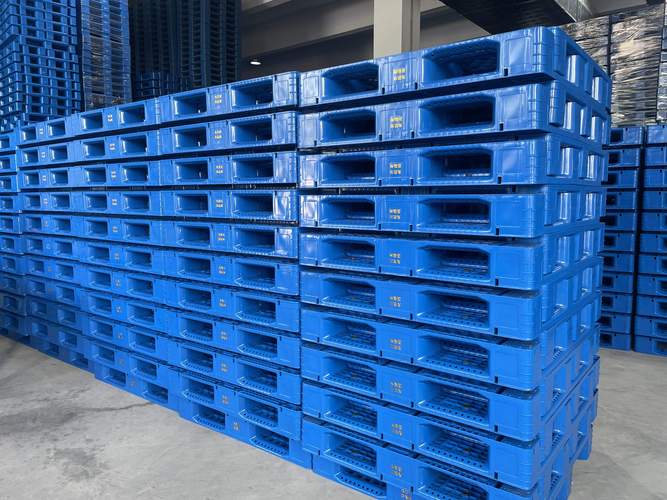
Stack Height: Confirm the manufacturer’s recommended stack limit (e.g., 4-high, 6-high) for your racking system.
5.3 Check Certifications
-
FDA/EU 10/2011: Food-safe compliance.
-
GMP: Pharmaceutical-grade hygiene.
-
ISO 8611: Standardized dimensions.
-
RMI: Racking safety certification.
5.4 Assess Deck Type
-
Grid Deck: For drainage and ventilation (perishables, wet environments).
-
Solid Deck: For stability with bagged goods or automated systems.
-
Vented Deck: For maximum airflow (e.g., mushroom farms, compost facilities).
Conclusion: Invest in Resilience, Reap the Rewards
Article link:https://www.vlefooena.com/moisture-resistant-plastic-pallets-built-to-last-in-demanding-environments/


No reply content