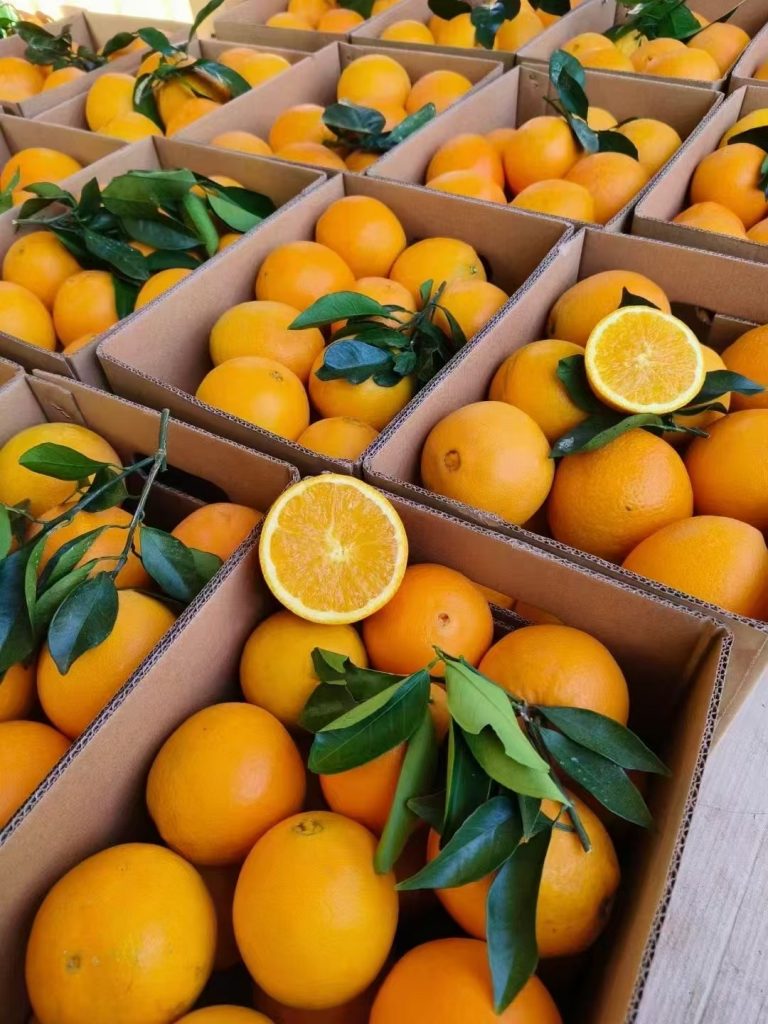
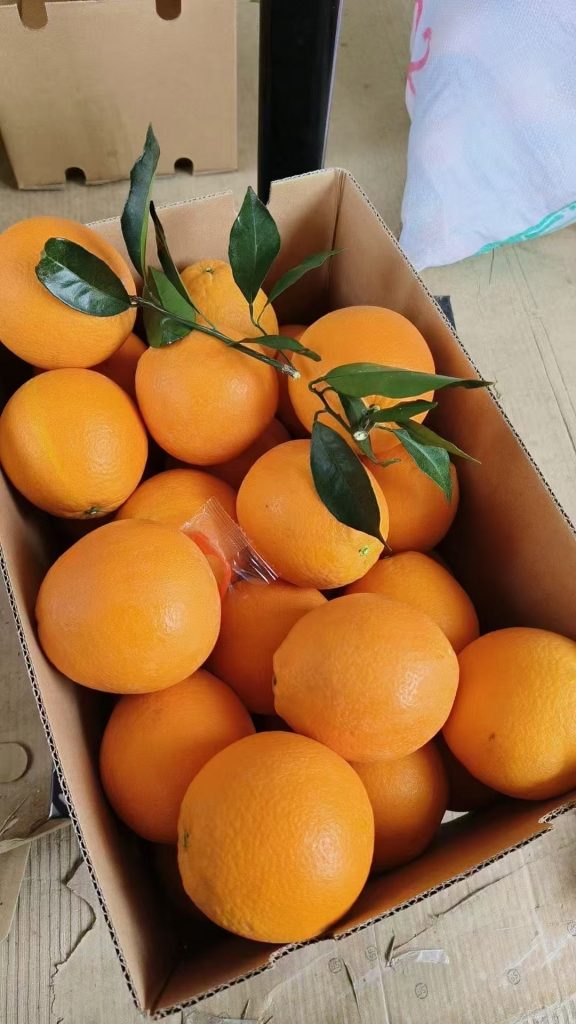
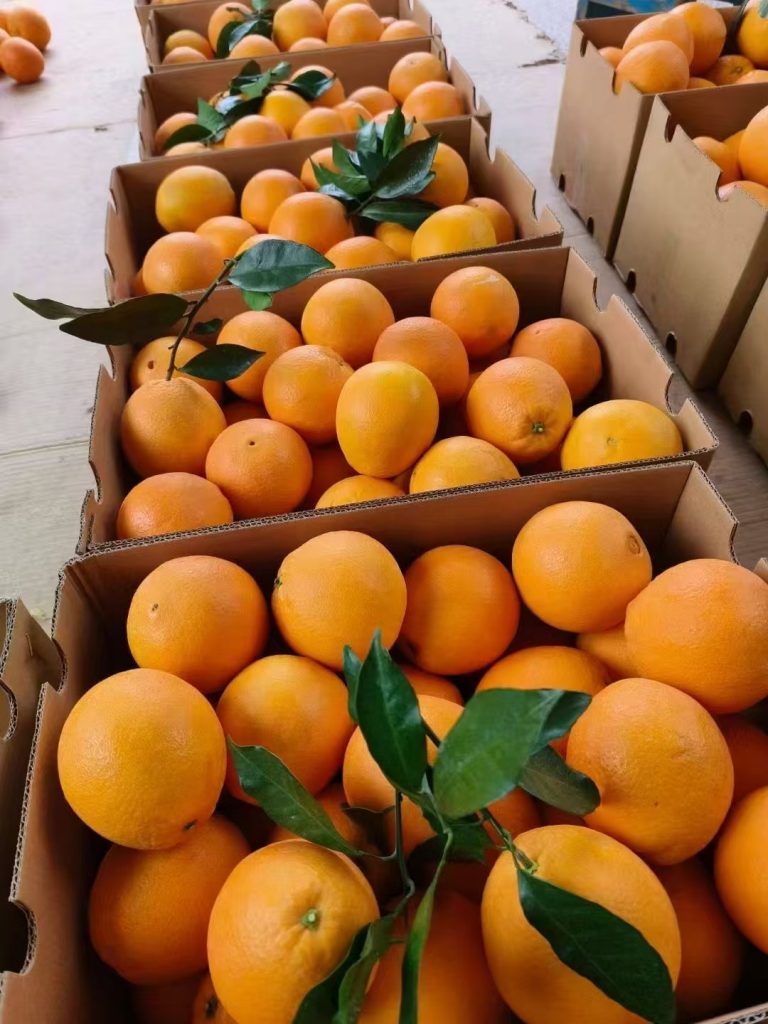
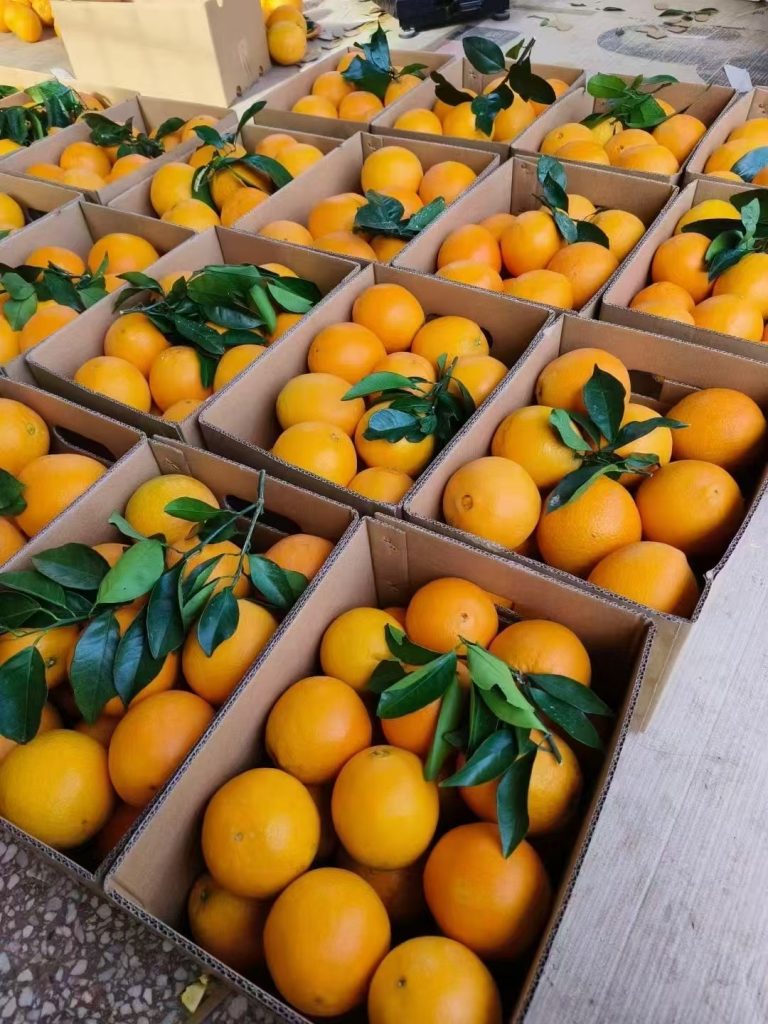
For navel orange growers worldwide, 2024 brings familiar challenges: oversupply, tight margins, and fickle consumer trends. But with the right strategies, even in a competitive market, you can turn thin profits into sustainable success. This guide, optimized for high-search keywords like “how to sell navel oranges profitably” and “navel orange farming challenges,” shares actionable insights from global experts, real farm case studies, and data to help you thrive.
Why Navel Orange Prices Are Under Pressure (2024 Update)
Before diving into solutions, let’s clarify the root causes. According to the FAO 2024 Citrus Report, global navel orange production hit 12.8 million tons last year—a 9% jump from 2020. Meanwhile:
| Market Pressure | Impact on Farmers |
|---|---|
| Global Oversupply | Spain, South Africa, and California flooded EU/US markets, dropping wholesale prices by 12-15%. |
| Retailer Power | Big-box stores now demand 5-7% annual price cuts, squeezing grower margins to 10-15%. |
| Shifting Consumer Habits | 68% of buyers prioritize “affordable premium” options (e.g., organic, locally sourced). |
5 Proven Strategies to Maximize Profits
1. Cut Input Costs Smartly – Without Cutting Quality
Small changes in farming practices can yield big savings. For example:
-
Precision Irrigation: Drip systems reduce water use by 35% vs. flood irrigation (saving $800+/acre annually in water/electricity).
-
Biological Pest Control: Replace chemical sprays with ladybugs or pheromone traps—cuts pesticide costs by 20% and boosts eco-certification chances.
-
Soil Health: Compost replaces 30% of synthetic fertilizers, lowering expenses while improving fruit sweetness (a key buyer demand).
Real Example: A Florida farm reduced per-acre costs by 1,200 using these methods—preserving margins even at 1.20/lb wholesale prices.
2. Skip Middlemen: Sell Directly to Buyers
Wholesalers take 30-40% of your revenue. Direct channels recapture that:
| Sales Channel | Avg. Profit Margin | Best For | Setup Cost |
|---|---|---|---|
| Farmers’ Markets | 40-50% | Small-scale growers; builds local brand loyalty | 500-1,000/year |
| E-Commerce (Shopify/Amazon) | 35-45% | Reaches national buyers; requires packaging/shipping setup | 1,500-3,000 startup |
| CSA (Community Supported Ag) | 50-60% | Monthly subscriptions; guarantees steady income | 300-800/year |
| Farm-to-Retail Partnerships | 25-35% | Supplies grocery chains; needs consistent quality | 2,000-5,000/year |
3. Tap Into the “Premiumization” Trend
Consumers pay more for story + sustainability. Try these:
-
Organic Certification: Organic navel oranges fetch 3-4/lb vs. 1.50-2/lb for conventional (USDA data).
-
Single-Origin Branding: Highlight your farm’s unique terroir (e.g., “Sun-Kissed Navel Oranges from California’s Central Valley”).
-
Ready-to-Eat Packs: Pre-peeled, seedless segments in compostable cups—targets busy urbanites (premium of 20-25%).
4. Hedge Against Gluts with Value-Added Products
Navel oranges peak in winter—don’t let surplus rot:
-
Juice/Cider: Sell fresh-squeezed juice at farmers’ markets (adds 15-20% to annual revenue).
-
Dried Slices: Dehydrate excess fruit for snacks or bakery ingredients (shelf-stable, higher margin).
-
Canned Segments: Partner with local canneries to turn overripe fruit into canned navel oranges (avoids waste).
5. Join Forces: Cooperatives & Alliances
Small farms gain power in groups:
-
Bulk Shipping: Cooperatives negotiate 15-20% lower freight rates with carriers like Maersk or CMA CGM.
-
Shared Storage: Reduce spoilage from 10% to 4% by pooling funds for climate-controlled warehouses.
-
Group Marketing: Run joint ads on Instagram or TikTok—costs 50% less than going solo.
Case Study: A Spanish Farm’s 40% Profit Jump
In Andalusia, a 30-acre navel orange farm faced a 10% price drop in 2023. Here’s what they did:
-
Switched to solar-powered drip irrigation: Saved €2,500/year on energy.
-
Launched an online store: Sold 25% of their crop via Instagram/Farmdrop at 45% margins.
-
Partnered with a juice brand: Sold surplus to a local organic juice company for €0.80/lb (vs. €0.50/lb wholesale).
Result: Net profit rose from €48,000 to €67,200—a 40% increase despite lower market prices.
What’s Next? Your Action Plan
-
Audit Costs: Identify 1-2 expenses to cut (e.g., switch to drip irrigation).
-
Test a Direct Channel: Start with a farmers’ market or Instagram shop.
-
Explore Premium Options: Get certified organic or launch a ready-to-eat pack.
High-Search Keywords Covered: how to sell navel oranges profitably, navel orange farming challenges, navel orange market trends 2024, organic navel oranges demand, small scale navel orange farming, maximize navel orange profits.
This article blends data, actionable steps, and real stories—perfect for ranking on Google while empowering growers to thrive, no matter the market. 🍊
Article link:https://www.vlefooena.com/navel-orange-farmers-boost-profits-in-2024-top-strategies-backed-by-global-data/


No reply content