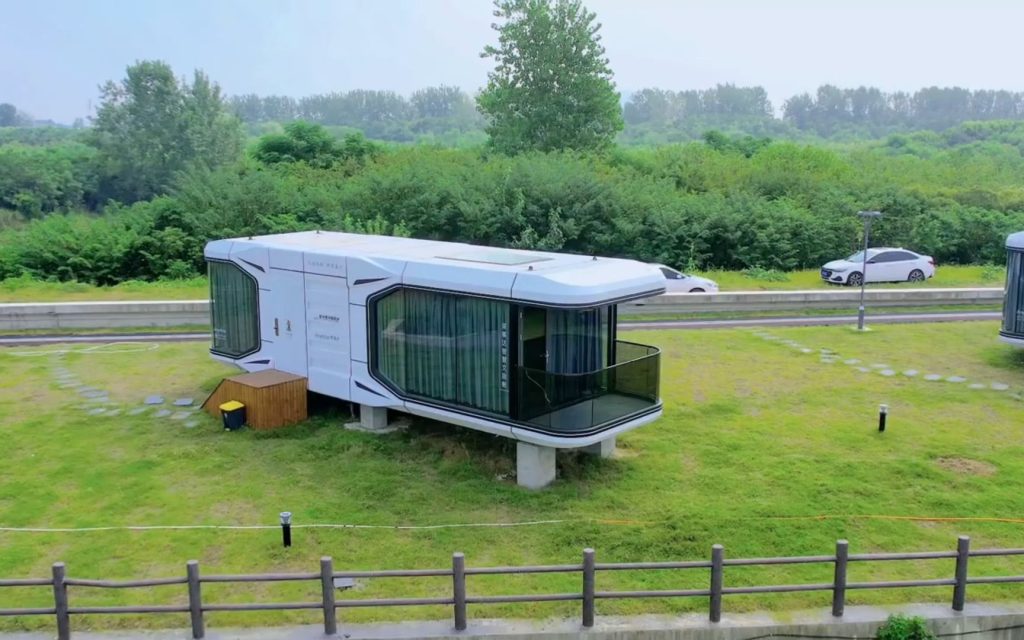
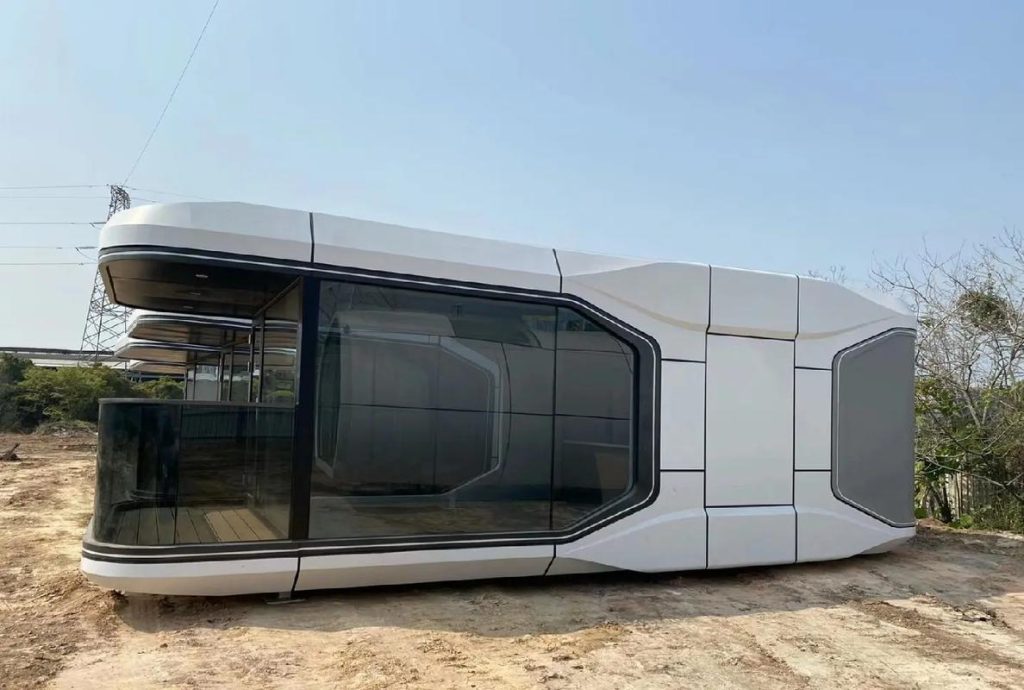
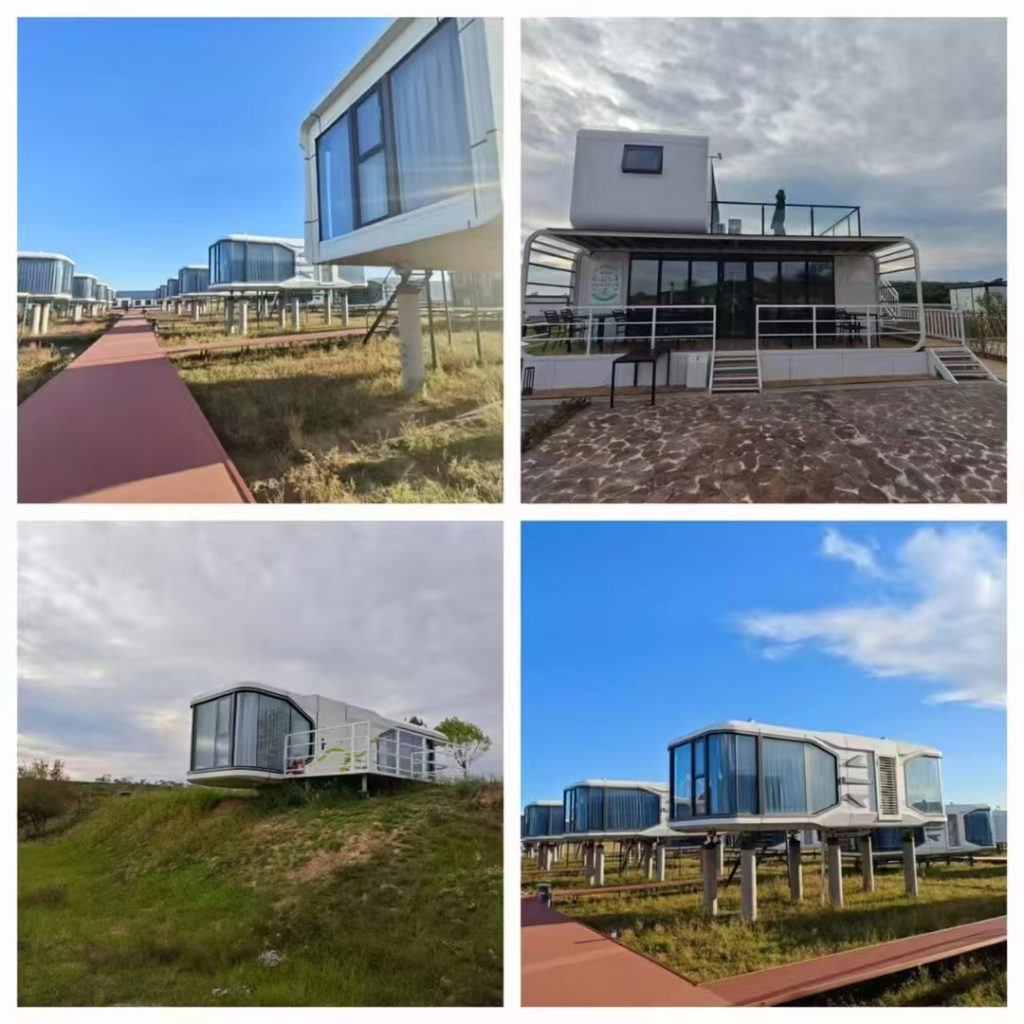
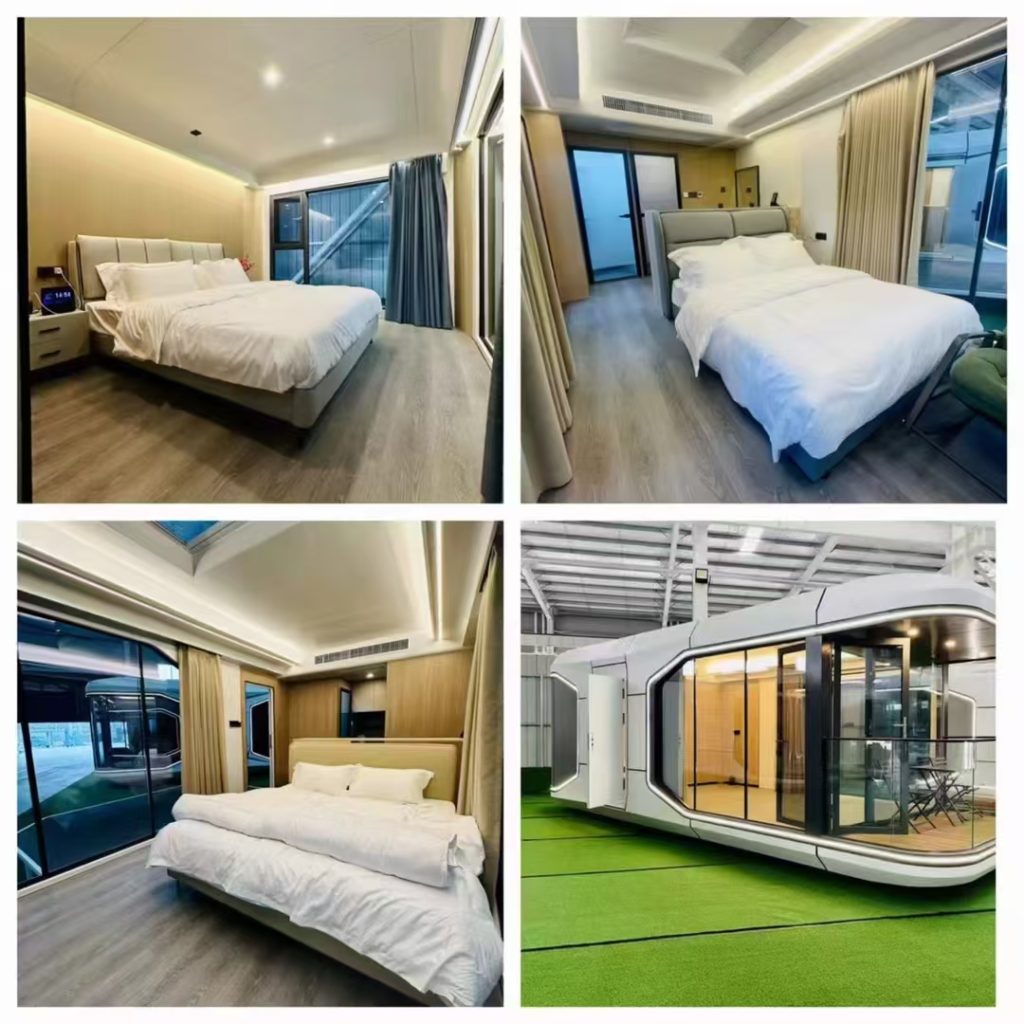
As more people seek freedom from crowded cities, rising utility costs, and unstable infrastructure, off-grid living is becoming a serious lifestyle choice. Off-grid modular homes offer a modern solution for those who want independence, sustainability, and comfort—without sacrificing quality or safety.
In this article, we explore how off-grid modular homes work, who they are designed for, and why they are becoming one of the fastest-growing housing trends worldwide.
What Is an Off-Grid Modular Home?
An off-grid modular home is a factory-built structure designed to operate independently from public utilities such as electricity, water, and sewage systems.
These homes often include:
- Solar power systems
- Battery storage units
- Rainwater harvesting systems
- Water filtration
- Composting or modular septic systems
- Energy-efficient insulation
Because they are modular, they can be transported and installed almost anywhere.
Why People Are Choosing Off-Grid Living
Modern off-grid living is no longer about isolation or discomfort. It is about control, sustainability, and freedom.
People choose off-grid modular homes to:
- Reduce monthly utility costs
- Live closer to nature
- Avoid unstable infrastructure
- Gain energy independence
- Lower their carbon footprint
With today’s technology, off-grid homes can be just as comfortable as urban apartments.
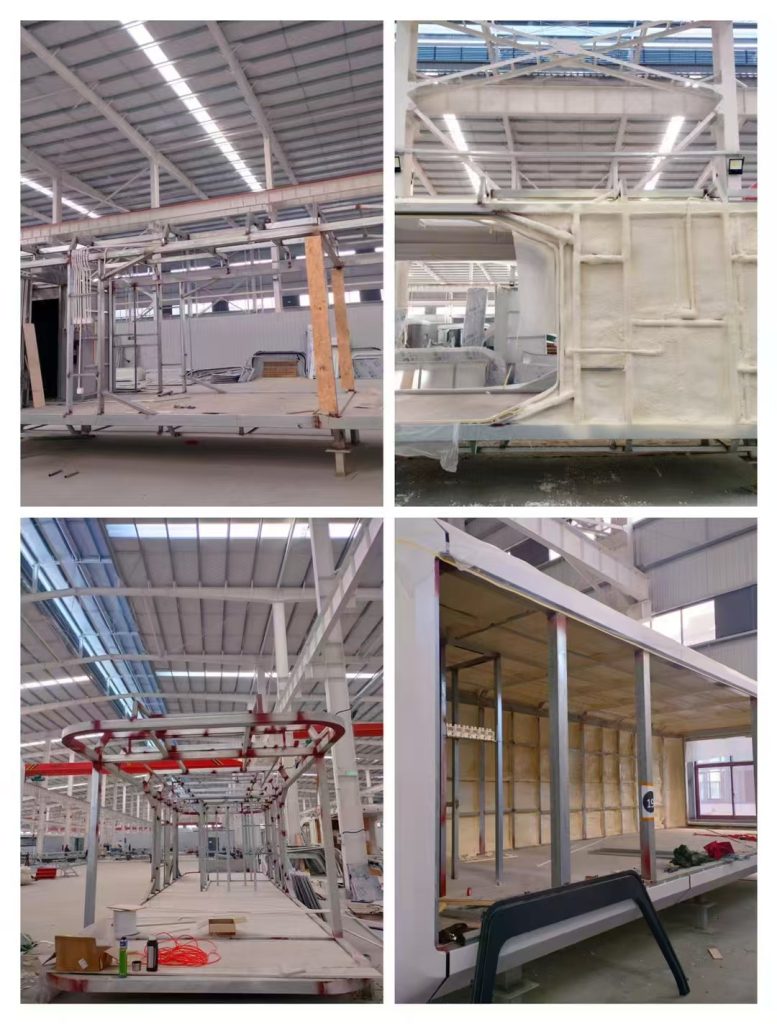
Factory-Built Precision for Remote Locations
Traditional construction in remote areas is expensive and slow.
Modular construction solves this by:
- Pre-installing all systems in the factory
- Minimizing on-site labor
- Reducing material waste
- Avoiding weather delays
This makes off-grid modular homes ideal for mountains, deserts, forests, islands, and rural zones.
Designed for Energy Efficiency
Energy efficiency is the core of off-grid modular homes.
They are engineered with:
- High-density insulation panels
- Airtight wall connections
- Smart ventilation systems
- Low-energy appliances
- Passive solar design
This reduces energy demand and maximizes the efficiency of renewable systems.
Water Independence
Water is one of the biggest challenges for off-grid living.
Many modular off-grid homes include:
- Rainwater collection systems
- Water purification filters
- Greywater recycling
- Low-flow plumbing fixtures
These systems allow residents to live comfortably with minimal water waste.
Built for Harsh Environments
Off-grid modular homes are engineered for strength.
They often feature:
- Reinforced steel frames
- Anti-corrosion coatings
- Wind-resistant roofing
- Fire-resistant panels
- Moisture-proof wall systems
This makes them suitable for extreme climates and remote terrains.
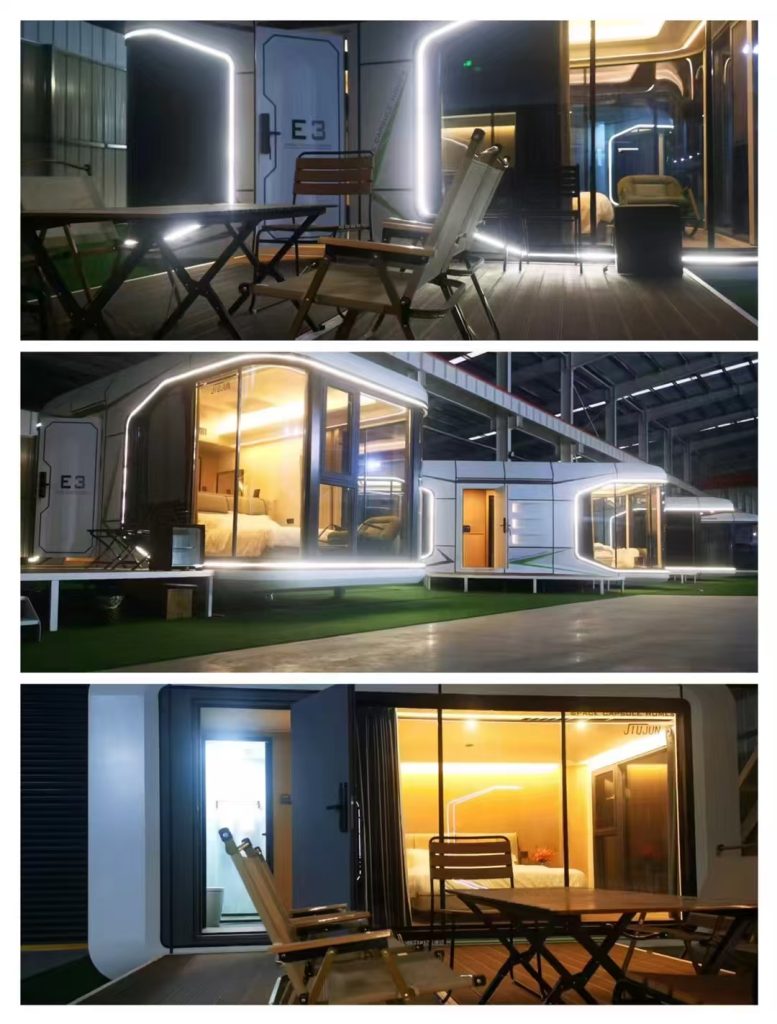
Comfort Without Compromise
Modern off-grid modular homes are designed to be comfortable.
They can include:
- Heated floors
- Smart lighting
- Automated temperature control
- Sound insulation
- High-quality interior finishes
Living off-grid does not mean living without comfort.
Expandable and Relocatable
One of the biggest advantages of modular design is flexibility.
You can:
- Start with a small unit
- Add more modules later
- Relocate your home if needed
This makes off-grid modular homes perfect for evolving lifestyles.
Ideal for Many Applications
Off-grid modular homes are widely used for:
- Private eco-homes
- Remote resorts
- Forest cabins
- Mining camps
- Research stations
- Emergency shelters
- Island homes
Their adaptability makes them suitable for many purposes.
Long-Term Cost Benefits
Although off-grid systems may require higher initial investment, they save money long-term.
Benefits include:
- No electricity bills
- No water bills
- Minimal maintenance
- Durable materials
- Long lifespan
Over time, these savings add up significantly.
The Future of Independent Living
As global infrastructure becomes more strained, off-grid modular homes offer a reliable alternative.
They provide:
- Self-sufficiency
- Environmental responsibility
- Mobility
- Security
This makes them an attractive option for the future.
Conclusion
Off-grid modular homes represent a powerful shift in modern living.
They allow people to live independently, sustainably, and comfortably—no matter where they are.
With factory-built precision, advanced technology, and modular flexibility, these homes offer a smarter path forward for anyone seeking freedom and resilience.
⭐⭐⭐⭐⭐ Customer Reviews
-
👤 Ethan W. – 🇺🇸 USA
⭐⭐⭐⭐⭐
Perfect for remote living. -
👤 Sarah L. – 🇨🇦 Canada
⭐⭐⭐⭐⭐
Warm, quiet, and very comfortable. -
👤 Daniel K. – 🇦🇺 Australia
⭐⭐⭐⭐⭐
Works great in hot climates. -
👤 Oliver F. – 🇬🇧 UK
⭐⭐⭐⭐⭐
Very energy-efficient. -
👤 Yusuf A. – 🇦🇪 UAE
⭐⭐⭐⭐⭐
Excellent insulation. -
👤 Lukas M. – 🇩🇪 Germany
⭐⭐⭐⭐⭐
Strong structure. -
👤 Claire R. – 🇫🇷 France
⭐⭐⭐⭐⭐
Beautiful interior. -
👤 Miguel S. – 🇲🇽 Mexico
⭐⭐⭐⭐⭐
Great value. -
👤 Takeshi H. – 🇯🇵 Japan
⭐⭐⭐⭐⭐
Very precise design. -
👤 Omar H. – 🇪🇬 Egypt
⭐⭐⭐⭐⭐
Works perfectly in the desert. -
👤 Jacob N. – 🇿🇦 South Africa
⭐⭐⭐⭐⭐
Reliable and solid. -
👤 Matteo B. – 🇮🇹 Italy
⭐⭐⭐⭐⭐
Stylish and modern. -
👤 Felipe T. – 🇧🇷 Brazil
⭐⭐⭐⭐⭐
Very comfortable. -
👤 Anders L. – 🇸🇪 Sweden
⭐⭐⭐⭐⭐
Warm in winter. -
👤 Kemal D. – 🇹🇷 Turkey
⭐⭐⭐⭐⭐
Great design.
Article link:https://www.vlefooena.com/off-grid-modular-homes-a-new-way-to-live-independently-and-sustainably/


No reply content