As more homeowners adopt solar power, choosing the right energy storage system has become a critical decision. Two of the most common options are off-grid and hybrid energy storage systems. While both provide energy independence and backup power, they serve very different needs. This guide explains how off-grid and hybrid systems work, their advantages and limitations, and how to determine which solution best fits your home.
1. Understanding the Difference Between Off-Grid and Hybrid Systems
The main difference lies in grid connection.
- Off-grid energy storage systems operate completely independently from the utility grid.
- Hybrid energy storage systems remain connected to the grid while using solar and battery power.
Both systems store energy, but their design philosophy and usage scenarios differ significantly.
2. What Is an Off-Grid Energy Storage System?
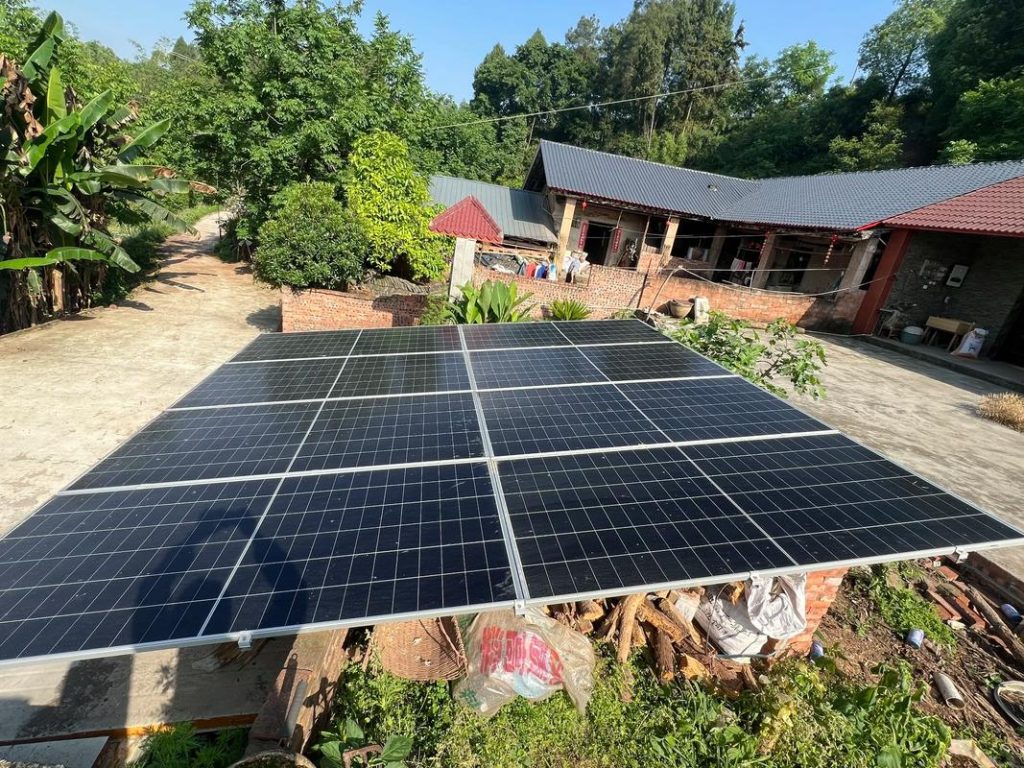
An off-grid system is designed for homes that have no access to the utility grid or choose to be fully independent.
Key Characteristics:
- No grid connection
- Relies entirely on solar panels and batteries
- Often includes a backup generator
- Designed for continuous energy availability
Off-grid systems must be carefully sized to ensure power supply during cloudy days or extended periods of low solar generation.
3. What Is a Hybrid Energy Storage System?
A hybrid energy storage system combines solar panels, batteries, and the utility grid into one integrated solution.
Key Characteristics:
- Connected to the grid
- Stores excess solar energy
- Provides backup power during outages
- Can import or export electricity
Hybrid systems offer flexibility, allowing homeowners to use solar and battery power while relying on the grid when needed.
4. Power Reliability: Off-Grid vs Hybrid
Off-Grid Systems:
- Full energy independence
- No reliance on the grid
- Requires larger battery capacity
Hybrid Systems:
- High reliability with grid support
- Seamless transition during outages
- Smaller battery capacity needed
For most urban and suburban homes, hybrid systems provide sufficient reliability without oversizing.
5. System Size and Battery Capacity Requirements
Off-grid systems typically require:
- Larger battery banks
- Higher solar panel capacity
- Redundant energy sources
Hybrid systems can:
- Use smaller batteries
- Rely on grid power during low generation
- Expand battery capacity later
This difference greatly affects system cost and complexity.
6. Energy Efficiency and Daily Usage
Hybrid systems are optimized for:
- Daily solar self-consumption
- Peak load shifting
- Reducing electricity bills
Off-grid systems focus on:
- Energy conservation
- Load prioritization
- Continuous power availability
Hybrid systems generally provide higher daily efficiency for typical households.
7. Backup Power Performance During Outages
Hybrid Systems:
- Automatic switchover
- Backup for essential loads
- Short to moderate outage coverage
Off-Grid Systems:
- Always in backup mode
- Designed for long-term outages
- Supports full household loads if sized correctly
For areas with occasional outages, hybrid systems are usually sufficient.
8. Installation Complexity and Space Requirements
Off-grid installations often require:
- Larger battery rooms
- Additional wiring and controls
- Backup generators
Hybrid systems are:
- More compact
- Easier to install
- Better suited for residential environments
Installation complexity directly impacts cost and maintenance.
9. Cost Comparison: Off-Grid vs Hybrid
Off-Grid Systems:
- Higher upfront investment
- Larger solar and battery capacity
- Higher installation cost
Hybrid Systems:
- Lower initial cost
- Smaller battery requirements
- Faster return on investment
For most homeowners, hybrid systems offer better cost efficiency.
10. Maintenance and System Management
Off-grid systems require:
- Careful monitoring
- Energy usage discipline
- Occasional generator maintenance
Hybrid systems:
- Require minimal user intervention
- Operate automatically
- Include smart monitoring tools
Ease of use is a major advantage of hybrid systems.
11. Scalability and Future Expansion
Hybrid systems are easier to expand:
- Add battery modules
- Increase solar capacity
- Integrate EV charging
Off-grid systems can also expand, but changes often require system redesign.
12. Safety and System Protection
Both systems use modern safety technologies, including:
- Battery management systems
- Overload protection
- Thermal monitoring
Hybrid systems benefit from grid stabilization, reducing stress on batteries.
13. Who Should Choose an Off-Grid Energy Storage System?
Off-grid systems are ideal for:
- Remote or rural locations
- Areas without grid access
- Users seeking complete independence
- Homes with consistent solar generation
They require careful planning and higher investment.
14. Who Should Choose a Hybrid Energy Storage System?
Hybrid systems are best for:
- Urban and suburban homes
- Areas with occasional power outages
- Users aiming to reduce electricity bills
- Homes with existing grid connections
Hybrid systems offer flexibility and lower risk.
15. Common Misunderstandings About Off-Grid Living
- “Off-grid means unlimited power” – energy must be managed carefully
- “Hybrid systems are less reliable” – modern hybrids are highly reliable
- “Off-grid is cheaper” – often not when fully sized
Understanding these realities helps avoid costly mistakes.
16. Environmental Impact Considerations
Both systems support renewable energy usage, but hybrid systems often:
- Reduce unnecessary oversizing
- Use grid power efficiently
- Lower overall material consumption
Hybrid systems are often more sustainable for residential use.
17. How to Decide Which System Fits Your Home Best
Ask yourself:
- Do you have reliable grid access?
- How frequent are power outages?
- What is your budget?
- Do you want full independence or flexibility?
The answers will guide your system choice.
Conclusion
Off-grid and hybrid energy storage systems serve different purposes. Off-grid systems deliver complete independence but require higher investment and careful planning. Hybrid systems offer flexibility, cost efficiency, and reliable backup power, making them the preferred choice for most residential solar users.
Choosing the right system ensures energy reliability, long-term savings, and peace of mind.
Article link:https://www.vlefooena.com/off-grid-vs-hybrid-energy-storage-systems-which-one-fits-your-home-best/


No reply content