
China Customized OEM Arts & Crafts Gift Manufacturer
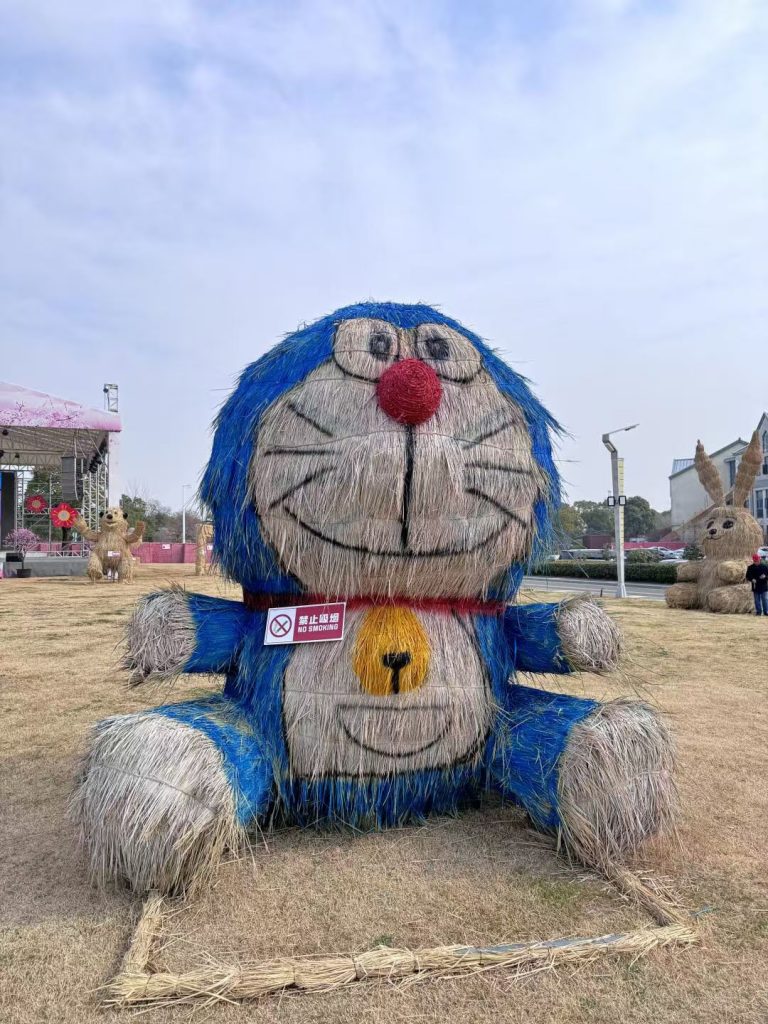
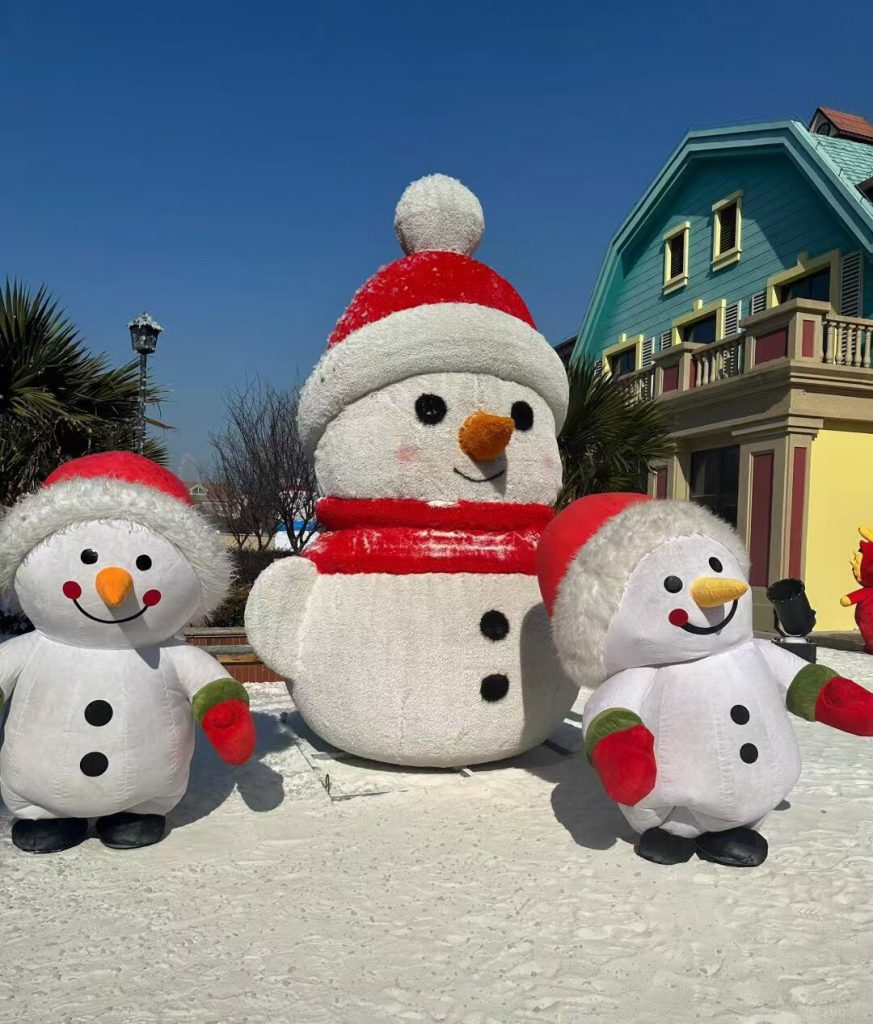
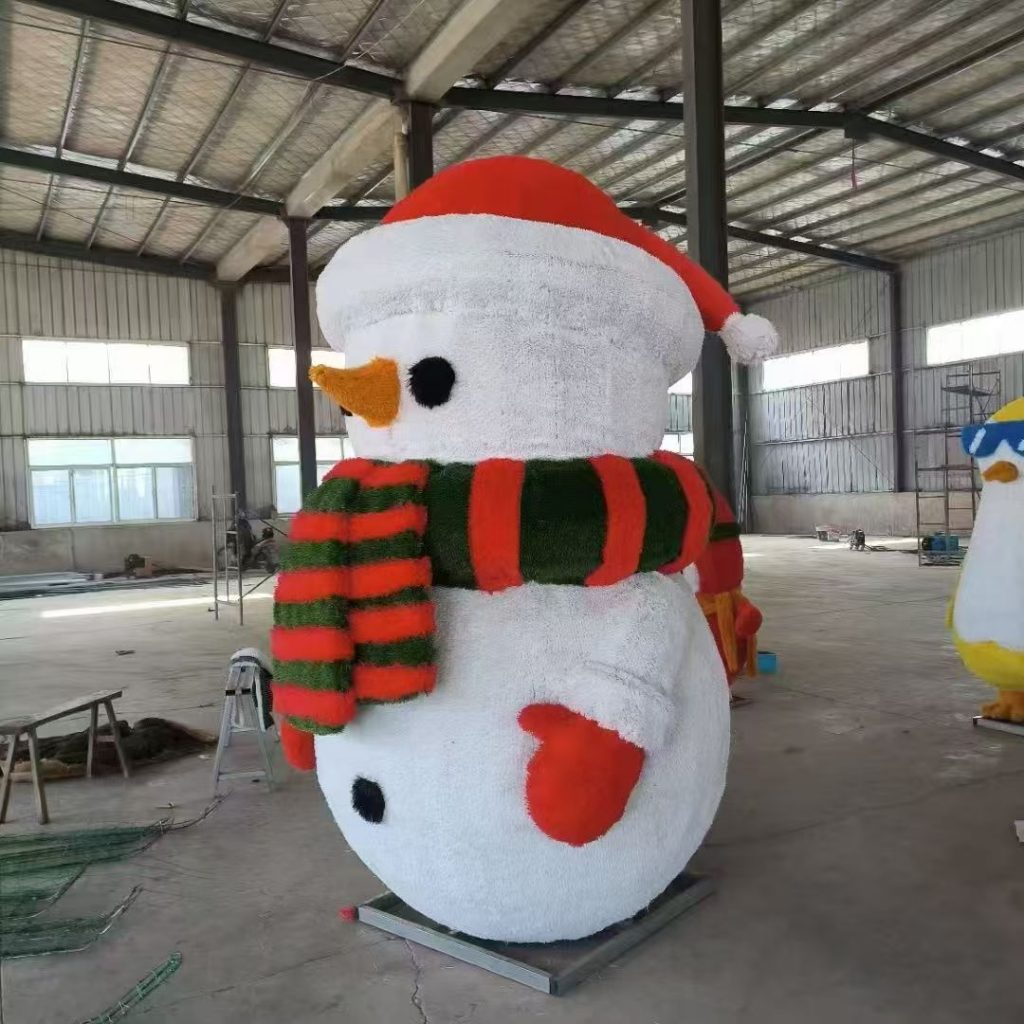
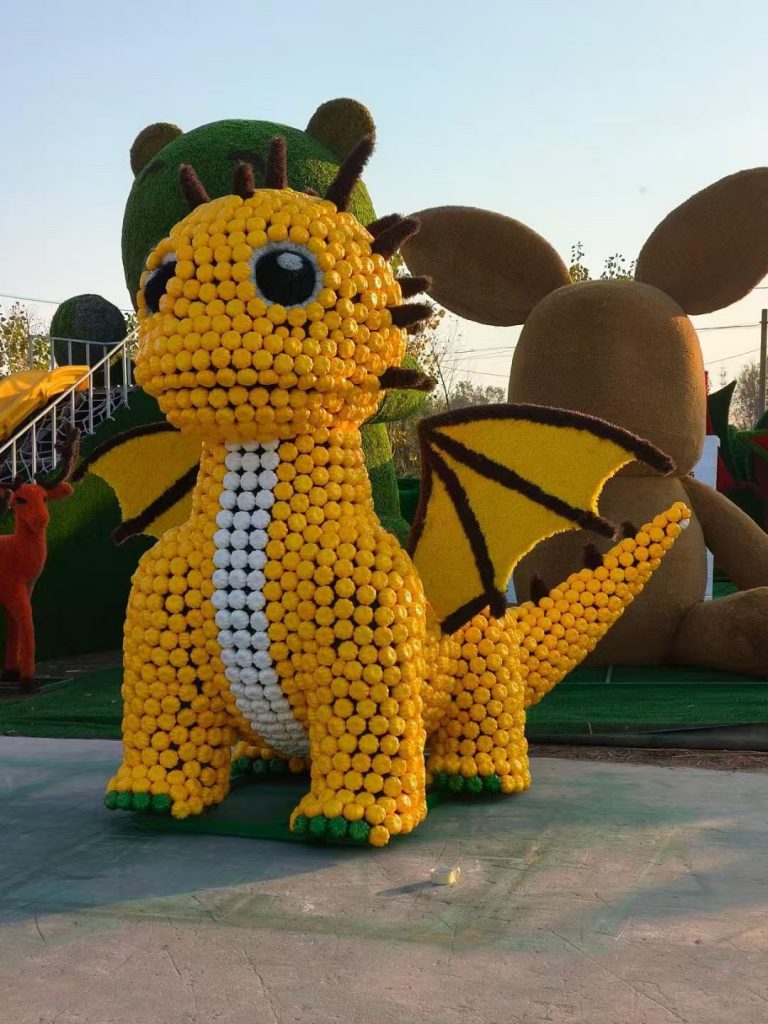
——Where Durability Meets Creativity in Public and Private Landscapes
Outdoor sculptures are more than decorative objects—they are landmarks that define public spaces, tell cultural stories, and forge emotional connections with nature. Unlike indoor art, which exists in controlled environments, outdoor sculptures must withstand relentless sun, rain, wind, and temperature swings while harmonizing with their surroundings. At the heart of this challenge are outdoor sculpture factories: specialized workshops that merge artistic vision with engineering rigor to create durable, meaningful, and environmentally responsive artworks.
These factories are not mere manufacturers; they are environmental translators, converting abstract ideas into tangible forms that endure for decades. This article explores the world of outdoor sculpture factories, delving into their material expertise, design philosophies, manufacturing processes, and commitment to sustainability. A detailed FAQ section addresses practical considerations for municipalities, developers, artists, and private collectors.
I. The Unique Challenges of Outdoor Sculpture Manufacturing
Outdoor sculptures face a hostile environment that demands specialized solutions. Factories must address five core challenges:
A. Weather Resistance
Exposure to UV radiation, moisture, and extreme temperatures causes materials to degrade. For example:
-
Metals corrode (rust, pitting);
-
Stone cracks (freeze-thaw cycles);
-
Polymers fade or become brittle.
Factories combat this with advanced coatings, material alloys, and protective designs.
B. Structural Integrity
Large sculptures (5–20 meters tall) must resist wind loads (up to 180 km/h), seismic activity (Zone 8 standards), and dynamic forces (e.g., pedestrian vibrations). Poor engineering leads to collapse—a risk factories mitigate through finite element analysis (FEA) and load testing.
C. Environmental Harmony
Sculptures should complement, not clash with, landscapes. Factories consider topography, vegetation, and cultural context to avoid “visual pollution.”
D. Safety Compliance
Public sculptures must meet accessibility (ADA) and safety standards (e.g., rounded edges, stable foundations) to protect visitors.
E. Longevity
Clients expect sculptures to last 50+ years with minimal maintenance. Factories design for repairability (modular components) and material durability.
II. Core Competencies of Outdoor Sculpture Factories
A. Material Mastery: The Science of Durability
Factories curate a palette of materials optimized for outdoor use, balancing aesthetics, strength, and sustainability:
| Material | Properties | Applications | Lifespan (With Maintenance) |
|---|---|---|---|
| Stainless Steel | Corrosion-resistant (316L grade for coastal areas), high tensile strength | Abstract sculptures, large-scale monuments | 50–100 years |
| Bronze | Develops protective patina, malleable for detailing | Figurative statues (historical figures, animals) | 100+ years |
| Corten Steel | Weathers to rust-like patina, eliminates painting | Minimalist sculptures, landscape markers | 75–100 years |
| Reinforced Concrete | Moldable into complex shapes, fire-resistant | Large monuments, architectural integrations | 50–75 years |
| Recycled Materials | Eco-friendly (e.g., crushed glass, reclaimed metal) | Eco-art, community projects | 30–50 years |
| Granite/Basalt | Hard, UV-resistant, natural texture | Memorials, geological-themed art | 1000+ years |
Case Example: A factory crafting a coastal lighthouse sculpture chose 316L stainless steel for its salt-resistant properties and added a sacrificial anode system to divert corrosion from critical joints.
B. Design Philosophy: Art in Dialogue with Nature
Top factories follow three design principles:
1. Site-Specific Adaptation
Sculptures are tailored to their location:
-
Urban Plazas: Bold, geometric forms (e.g., stainless steel rings reflecting skyscrapers);
-
Natural Parks: Organic shapes (e.g., basalt columns mimicking rock formations);
-
Coastal Areas: Fluid lines (e.g., bronze waves evoking tides).
2. Narrative Depth
Sculptures tell stories—historical (a local hero’s statue), ecological (a “Save the Bees” installation), or abstract (a “Time” sculpture with eroded metal layers).
3. Multisensory Engagement
-
Light Interaction: Polished surfaces create reflections; perforated metal casts shadows;
-
Sound: Wind chimes integrated into sculptures;
-
Touch: Textured surfaces (e.g., hammered bronze) for tactile exploration.
C. Engineering Excellence: From Sketch to Structure
Factories employ advanced engineering to ensure safety and durability:
-
Structural Analysis: FEA software models stress points (e.g., a 10-meter-tall figure’s neck) to optimize material distribution.
-
Foundation Design: Collaborate with geotechnical engineers to anchor sculptures to bedrock (avoiding concrete overkill).
-
Surface Treatment:
-
Powder Coating: For steel (UV-resistant, 20+ year color retention);
-
Patination: Chemical treatments to accelerate bronze’s natural patina;
-
Hydrophobic Sealants: For stone/concrete (repels water, prevents staining).
-
-
Modular Assembly: Large sculptures are shipped in sections and welded/bolted on-site, reducing transport costs.
III. Product Portfolio: Sculptures for Every Landscape
Factories offer diverse products categorized by function and style:
A. Commemorative Sculptures
-
Monuments: Honoring historical events (e.g., a corten steel “Freedom” obelisk);
-
Memorials: Personalized stones or bronze plaques for gardens.
B. Abstract Art
-
Geometric Forms: Stainless steel cubes, spirals, or wireframes;
-
Kinetic Sculptures: Wind-activated mobiles (aluminum blades rotating in breezes).
C. Figurative Sculptures
-
Human Figures: Athletes, dancers, or cultural icons (bronze for lifelike detail);
-
Animals: Wildlife (eagles, deer) in their natural habitats (granite for texture).
D. Ecological Art
-
Living Sculptures: Wire frames filled with soil and wildflowers;
-
Recycled Art: Sculptures from plastic waste (e.g., a “Plastic Ocean” whale).
E. Interactive Installations
-
Climbing Structures: Steel “rock” walls for parks;
-
Light Sculptures: Solar-powered LED arrays changing color at night.
IV. The Manufacturing Process: From Vision to Landmark
Step 1: Consultation & Site Analysis
-
Client Brief: Define purpose (decorative, commemorative, interactive), budget, and timeline.
-
Site Survey: Assess soil type, wind patterns, sunlight, and surrounding architecture.
Step 2: Conceptual Design
-
Sketches & 3D Models: Use Rhino or Blender to visualize the sculpture.
-
Material Mockups: Create small-scale samples (e.g., bronze patina tests).
Step 3: Engineering & Prototyping
-
Structural Calculations: FEA to ensure load-bearing capacity.
-
Prototype: Build a 1:10 scale model to test stability and aesthetics.
Step 4: Material Sourcing & Preparation
-
Ethical Sourcing: Recycled metals, locally quarried stone.
-
Fabrication:
-
Metal: Cutting (plasma/laser), welding, grinding;
-
Stone: CNC carving, hand-chiseling for details;
-
Concrete: Molding, curing, sealing.
-
Step 5: Assembly & Finishing
-
Welding/Adhesion: Join components with TIG welding (steel) or epoxy (stone).
-
Surface Treatment: Patination, powder coating, or polishing.
Step 6: Quality Assurance
-
Load Testing: Apply 150% of expected weight to critical joints.
-
Weather Simulation: Expose samples to UV, rain, and freeze-thaw cycles for 500 hours.
-
Safety Inspection: Check for sharp edges, loose parts, and stability.
Step 7: Installation & Training
-
On-Site Assembly: Use cranes for large pieces; secure with anchor bolts.
-
Client Training: Teach maintenance (e.g., cleaning, patina touch-ups).
V. Sustainability: Sculpting a Greener Future
Leading factories embed eco-conscious practices:
-
Recycled Materials: 30–50% of metals/plastics come from post-consumer waste.
-
Low-Carbon Production: Solar-powered workshops, electric forklifts.
-
Biodegradable Art: Sculptures that decompose (e.g., mycelium-based forms).
-
Ecosystem Enhancement: Designs that support pollinators (wildflower-filled wire frames) or improve air quality (air-purifying concrete).
VI. FAQ: Outdoor Sculpture Factories
Q1: What materials are best for coastal outdoor sculptures?
A: 316L stainless steel (corrosion-resistant), corten steel (weathers to a stable patina), or bronze with marine-grade wax coatings. Avoid plain carbon steel or untreated iron.
Q2: How do you ensure a sculpture won’t fall in high winds?
A: We use FEA to calculate wind loads (up to 180 km/h) and design foundations with helical piles or concrete footings anchored to bedrock. All large sculptures undergo wind tunnel testing.
Q3: Can sculptures be customized to match a specific landscape?
A: Yes. We analyze the site’s topography, vegetation, and cultural context to create site-specific designs—e.g., a sculpture mimicking local rock formations in a national park.
Q4: What is the typical lifespan of an outdoor sculpture?
A: With proper maintenance:
Q5: How much does a custom outdoor sculpture cost?
A: Pricing depends on size, material, and complexity:
Q6: Do you offer maintenance services?
A: Yes. We provide annual inspections, patina touch-ups, and repairs (e.g., welding cracked steel). Maintenance contracts are available.
Q7: Can sculptures be made from recycled materials?
A: Absolutely. We use recycled metals (e.g., aluminum cans, scrap steel), crushed glass, and reclaimed wood. Many clients choose recycled art to align with sustainability goals.
Q8: How long does it take to manufacture a sculpture?
A: Simple designs (3m): 3–6 months; Complex projects (10m+): 6–12 months (including testing and installation).
Q9: Are outdoor sculptures safe for children?
A: Yes. We follow ADA and ASTM safety standards: rounded edges, stable bases, and non-toxic materials. Interactive sculptures include soft landing zones.
Q10: How do you handle shipping large sculptures?
A: We design sculptures in modular sections (shippable via truck/container) and assemble them on-site with cranes. For fragile pieces, we use custom crates with shock absorbers.
VII. Conclusion: Art That Endures, Stories That Last
Outdoor sculpture factories are guardians of public art—transforming raw materials into enduring landmarks that shape our relationship with nature and culture. By mastering material science, engineering, and storytelling, they create sculptures that not only decorate landscapes but also inspire awe, provoke thought, and connect communities across generations.
For clients seeking to leave a lasting legacy, these factories offer more than products—they offer partnerships in creating art that breathes with the environment, telling stories that time cannot erase.
In essence: Outdoor sculpture factories don’t just make art—they make landmarks that live outside.