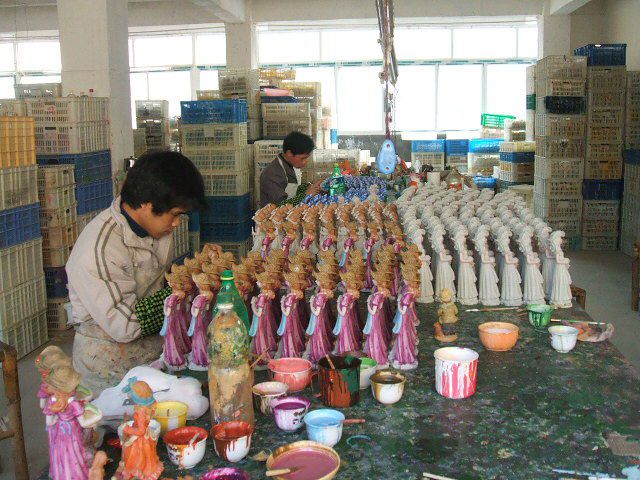

Painted ceramic figures are miniature masterpieces—where fragile clay becomes a canvas, and pigments breathe life into history, mythology, and everyday stories. For millennia, artists have used brushes, slips, and fiery kilns to turn simple vessels or statues into vibrant narratives. Let’s dive into their colorful legacy, techniques, and enduring allure.
🌍 A Global Palette: Historical Highlights
Across cultures, painted ceramics reveal how societies expressed identity, faith, and creativity:
| Region/Culture | Key Period | Notable Techniques | Iconic Motifs |
|---|---|---|---|
| Ancient Greece | 5th–4th Century BCE | Black – figure & red – figure pottery | Mythological scenes (e.g., Achilles vs. Hector), geometric patterns |
| Ming Dynasty China | 1368–1644 CE | Underglaze blue (cobalt on white porcelain) | Dragons, phoenixes, floral scrolls |
| Islamic Golden Age | 8th–14th Century CE | Lusterware (metallic glazes) | Geometric stars, calligraphy, arabesques |
| Mexican Talavera | 16th–Present | Bold enamel colors, hand – painted florals | Religious iconography, colonial – era designs |
🔧 The Alchemy of Painted Ceramics
Creating a painted ceramic figure is a symphony of science and art:
-
Preparation: Clay is wedged (kneaded to remove air) and shaped into forms—wheel – thrown, molded, or hand – built.
-
Bisque Fire: Unpainted clay is fired at ~900°C to harden into a porous “bisque” state.
-
Underglaze/Pigment Application:
-
Slip Trailing: Liquid clay (slip) is piped onto the bisque to create raised textures (e.g., vines, drapery).
-
Brush Painting: Mineral – based pigments (e.g., iron oxide for red, malachite for green) are mixed with water or binders like gum arabic.
-
-
Glaze Coating: A transparent or opaque glaze is applied to protect colors and add shine. Common glazes include celadon (green) and tin – white.
-
Final Firing: Kilns reach 1,200–1,300°C, melting glazes into a glassy finish and fusing pigments to the clay.
🎨 Symbolism in Every Stroke
Every brushstroke carries meaning:
-
Religious Narratives: In Byzantine icons, gold leaf backgrounds symbolize divine light, while halos denote holiness.
-
Cultural Identity: Japanese Kutani ware features cobalt blue landscapes and cherry blossoms, reflecting Shinto reverence for nature.
-
Social Commentary: Mexican Artesanía artists use vibrant colors and folkloric imagery to celebrate indigenous heritage amid globalization.
✨ Modern Innovations: Blending Tradition & Tech
Contemporary artists reimagine painted ceramics:
-
3D – Printed Bases: Digital tools craft intricate shapes, which artists hand – paint to merge precision with organic imperfection.
-
Mixed Media: Resin accents, metal leaf, or even LED lights are embedded into ceramic surfaces for surreal effects.
-
Sustainable Practices: Studios use non – toxic glazes and reclaimed clay to reduce environmental impact, proving craft can be eco – conscious.
🧩 Why Painted Ceramics Matter
These tiny artworks are time capsules:
-
Historical Records: Roman terra sigillata pottery bears stamps revealing workshop ownership and trade routes.
-
Emotional Connections: A hand – painted family portrait on a ceramic vase becomes a heirloom, bridging generations.
-
Educational Tools: Museums use replica painted ceramics to teach archaeology and art history interactively.
🌟 The Future of Painted Ceramics
As technology advances, so does this ancient craft. Augmented reality apps now let viewers “paint” digital layers onto physical ceramics, while AI algorithms generate unique design inspirations. Yet the core remains unchanged: humans will always crave the tactile joy of shaping clay and the emotional resonance of a hand – painted mark.
Whether displayed in a museum vitrine, a local artisan’s shop, or your grandmother’s mantelpiece, a painted ceramic figure is more than decor—it’s a conversation between past and present, earth and imagination.
Article link:https://www.vlefooena.com/painted-ceramic-figures-where-pigment-meets-clay/


No reply content