
📅 Daily Log: Planting Base and Technology of Navel Orange
Day 1: Visiting the Navel Orange Planting Base 🍊
Today I visited one of the largest navel orange planting bases in southern China. The rows of vibrant orange trees stretching across the hills were impressive. Each tree was carefully spaced to ensure enough sunlight 🌞 and air circulation 💨, which are crucial for high-quality fruit production.
I noticed the soil was rich and well-drained 🌱, which helps prevent root rot and supports healthy tree growth. The farmers explained that soil testing is done regularly to maintain the ideal pH and nutrient balance.
Day 2: Understanding Tree Varieties 🌳
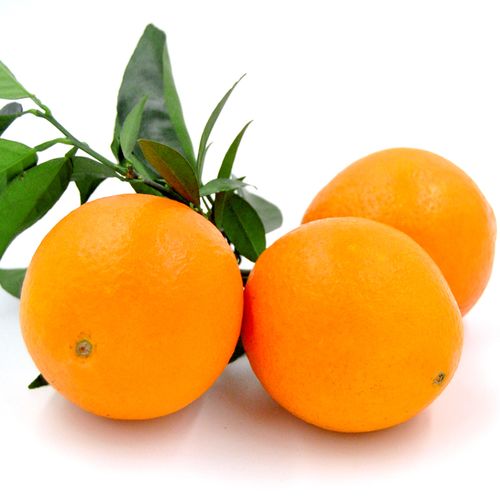
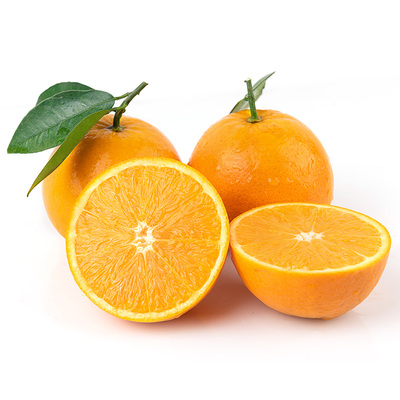
I spent the day learning about the different varieties of navel oranges grown here. The base mainly cultivates Washington navel oranges, which are seedless and have a bright, sweet taste 😋.
Farmers pay close attention to grafting techniques to ensure uniform fruit quality. Young saplings are nurtured in greenhouses before being transplanted into the field, which protects them from harsh weather and pests 🐛.
Day 3: Irrigation and Fertilization 💧
Efficient irrigation is key for a successful navel orange yield. Today I observed the drip irrigation system in operation. It delivers water directly to the roots, reducing waste and ensuring consistent soil moisture 🌿.
Fertilization is also carefully managed. Organic compost and mineral fertilizers are applied in precise amounts to avoid overfeeding the trees. Farmers explained that timing is crucial—fertilizer applied during flowering and fruit set stages greatly affects fruit size and sweetness 🍊✨.
Day 4: Pest and Disease Management 🛡️
Pests and diseases are constant threats to navel orange plantations. Today I learned about integrated pest management (IPM) strategies used here. Farmers combine biological controls, such as beneficial insects 🐞, with careful monitoring to minimize chemical use.
Regular pruning ✂️ is performed to remove dead or diseased branches. This not only keeps the trees healthy but also improves air circulation, reducing the risk of fungal infections 🌬️.
Day 5: Harvesting Techniques 🍊🏗️
Harvest season is a busy time. I watched as workers carefully picked the oranges by hand to avoid bruising. They use ladders and small baskets, ensuring each fruit remains pristine for export.
Post-harvest, fruits are washed, sorted, and packed according to size and color. The base uses advanced packing lines with minimal chemical preservatives, focusing on maintaining the natural taste and freshness 😍.
Day 6: Technology and Innovation ⚙️
Technology plays a significant role in modern navel orange production. I saw drones used for monitoring tree health and spraying fertilizers evenly from above 🚁.
Sensors in the soil measure moisture and nutrient levels in real-time, helping farmers make informed decisions. Some sections of the base even use AI-powered cameras to detect pests early, allowing for rapid intervention 🤖.
Day 7: Reflections and Takeaways 🌟
Reflecting on my week at the navel orange planting base, I realize that high-quality oranges require more than just fertile land. It’s a combination of careful planning, precise technology, and dedicated care 🌱💧.
The integration of modern farming methods with traditional knowledge ensures not only better yields but also superior taste and market competitiveness 🍊🏆.
For anyone looking to invest in navel oranges, understanding the planting base, soil management, irrigation, pest control, and harvesting techniques is essential. China’s navel orange technology demonstrates how innovation and experience together create world-class fruit 🌏✨.
Emoji Summary:
- 🍊 Sweet and seedless fruit
- 🌱 Healthy soil
- 💧 Efficient irrigation
- 🐛 Pest management
- ⚙️ Advanced technology
- 🤖 AI and drones
- 🏗️ Careful harvesting
Article link:https://www.vlefooena.com/planting-base-and-technology-of-navel-orange-124/


No reply content