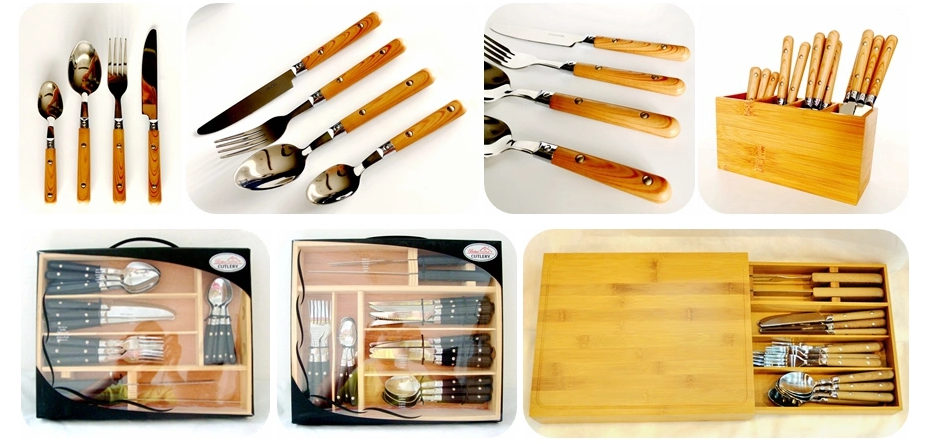
In today’s fast-evolving kitchenware market, consumers expect cookware to be functional, durable, comfortable, and aesthetically pleasing. Stainless steel cookware has always been a favorite for its strength, corrosion resistance, and long service life. However, the handle design plays an equally important role in determining how users experience cookware in everyday use. Among the many handle solutions available, plastic handles with a wooden-style finish have emerged as a standout choice for modern households and cookware manufacturers.
This article explores the characteristics, advantages, manufacturing details, and design possibilities of plastic handles for stainless steel kitchenware, especially those designed to mimic natural wood textures. These handles combine the beauty of wooden aesthetics with the durability of engineered materials, offering a perfect balance between style and performance.
1. Why Plastic Handles Are Ideal for Stainless Steel Cookware
Stainless steel cookware is strong and durable, but its surface conducts heat quickly. This makes a well-designed handle essential for safe and comfortable use. Plastic handles have become popular due to their superior insulation and ergonomic design possibilities. When paired with stainless steel pots, pans, kettles, and utensils, they significantly enhance both performance and user comfort.
Key advantages of plastic cookware handles include:
-
Strong heat insulation
Prevents the handle from getting too hot, even when cookware is used over high heat. -
Lightweight structure
Reduces the total weight of cookware, improving user experience. -
Flexible manufacturing process
Allows for diverse shapes, colors, and surface textures. -
Low maintenance
Plastic handles are moisture-resistant, corrosion-free, and easy to clean. -
Cost-effective production
Ideal for brands needing quality handles without high production costs.
Plastic handles have evolved far beyond simple utilitarian designs. Today, wooden-style plastic handles offer premium aesthetics while maintaining excellent usability.
2. What Makes Wooden-Style Plastic Handles So Popular?
Wooden-style handles combine two important desires of modern consumers: natural beauty and practical performance. While real wood requires intensive care and ages faster, wooden-look plastic handles maintain their finish for many years.
Reasons for their fast-growing popularity:
2.1 Aesthetic Appeal
Wood textures enhance the visual appeal of stainless steel cookware, creating a clean, modern, and warm kitchen style. They match well with:
- Minimalist kitchens
- Scandinavian interiors
- Rustic or farmhouse-style kitchens
- Professional cooking environments
2.2 Long-Term Durability
Unlike natural wood, plastic handles do not warp, crack, fade, or absorb moisture. This makes them ideal for:
- Daily cooking
- Dishwashers
- High-humidity environments
2.3 Safer and Easier to Clean
Wooden-style plastic handles provide the visual warmth of wood without the hygiene issues that natural wood may develop over time.
2.4 Wide Design Flexibility
Manufacturers can create:
- Light teak textures
- Dark walnut effects
- Oak grain finishes
- Bamboo-style patterns
- Matte, embossed, or glossy surfaces
This level of customization is difficult to achieve with natural wood.
3. Materials Used for High-Quality Plastic Handles
A durable kitchenware handle must withstand heat, pressure, and long-term use. Common materials include:
3.1 Bakelite (Phenolic Resin)
One of the most widely used materials due to its:
- Excellent heat resistance
- High strength
- Hard and glossy finish
- Classic appearance suitable for wood-like designs
3.2 PP (Polypropylene)
Lightweight and resistant to heat and impact. Often used for mid-range cookware.
3.3 Nylon + Fiberglass
Provides stronger structure and better durability. Often used for premium cookware.
3.4 Thermoplastic Elastomers (TPE)
Offer soft-touch surfaces for enhanced grip comfort.
These materials are suitable for high-temperature cooking environments and can support long-term, repeated use.
4. Manufacturing Process of Wooden-Style Plastic Handles
Creating a durable and attractive plastic handle requires precision and expertise.
4.1 Mold Design and Engineering
A customized mold determines the:
- Shape
- Texture
- Grip structure
- Surface pattern
High-quality molds ensure consistency and strong dimensional accuracy.
4.2 Injection Molding
Plastic pellets are melted and injected into molds under high pressure. This process ensures:
- Smooth surfaces
- Accurate texture reproduction
- Strong internal structure
4.3 Texture and Coloring
Wooden-style handles may feature:
- Multi-layer color blending
- Laser texture engraving
- Grain-pattern molds
- Heat-transfer printing
This creates a natural wood-like appearance.
4.4 Surface Treatment
To extend durability, suppliers may apply:
- Anti-slip coatings
- Matte finishing
- High-gloss polish
- Protective coatings
Each process improves aesthetics, hygiene, and grip comfort.
5. Practical Design Features for Kitchen Safety
The handle design directly affects the safety and functionality of stainless steel cookware.
5.1 Ergonomic Shape
Curved, balanced handles ensure comfortable grip and reduce fatigue.
5.2 Heat-Resistant Core Structure
Internal metal inserts may be added for stability and higher load-bearing capacity.
5.3 Anti-Slip Features
Grooved or textured surfaces prevent slipping, especially when hands are wet.
5.4 Secure Mounting System
Handles must be securely attached to cookware using:
- Rivets
- Screws
- Welded metal inserts
This ensures long-term stability during daily cooking.
6. Applications Across Kitchenware Products
Wooden-style plastic handles are commonly used in:
- Stainless steel pots and pans
- Kettles
- Woks
- Frying pans
- Pressure cookers
- Soup ladles and utensils
- Steamers
- Milk pots
- Coffee makers
Their versatility makes them a top choice for cookware manufacturers worldwide.
7. Why Global Buyers Prefer Wooden-Style Plastic Handles
International buyers often choose this design for three main reasons:
7.1 Professional Appearance
The combination of stainless steel and wooden-style handles gives cookware a premium, fashionable design.
7.2 Reliable Quality
Plastic handles offer consistent quality, uniform texture, and stable performance.
7.3 Market Trend Demand
Consumers are increasingly attracted to:
- Eco-style designs
- Soft natural aesthetics
- Lightweight and easy-to-clean cookware
- High-quality yet affordable kitchenware
Manufacturers who adopt wooden-style plastic handles often see improved product appeal and stronger sales performance.
8. Care & Maintenance Tips for End Users
Although plastic handles are durable, proper maintenance extends their lifespan:
- Avoid prolonged direct flame contact
- Clean with mild detergent
- Do not scrape with sharp tools
- Keep away from high-temperature ovens
- Store in a dry location
With proper care, the wooden-style texture stays beautiful for years.
⭐ User Reviews
Sarah W. – USA
⭐⭐⭐⭐⭐
“The wooden-style handle looks stunning on my stainless steel pan. Comfortable grip and excellent heat insulation!”
Miguel D. – Spain
⭐⭐⭐⭐
“Lightweight, durable, and stylish. The handle design feels premium without the maintenance of real wood.”
Hanna L. – Germany
⭐⭐⭐⭐⭐
“Beautiful texture, great quality, and very sturdy. Perfect for modern kitchenware collections.”
Arif K. – UAE
⭐⭐⭐⭐⭐
“Excellent performance. Even after months of heavy use, the handle still looks like new.”
Emily T. – Australia
⭐⭐⭐⭐
“Good grip, elegant wooden style, and comfortable to use. It fits perfectly with stainless steel cookware.”
Article link:https://www.vlefooena.com/plastic-handle-for-stainless-steel-kitchenware-in-wooden/


No reply content