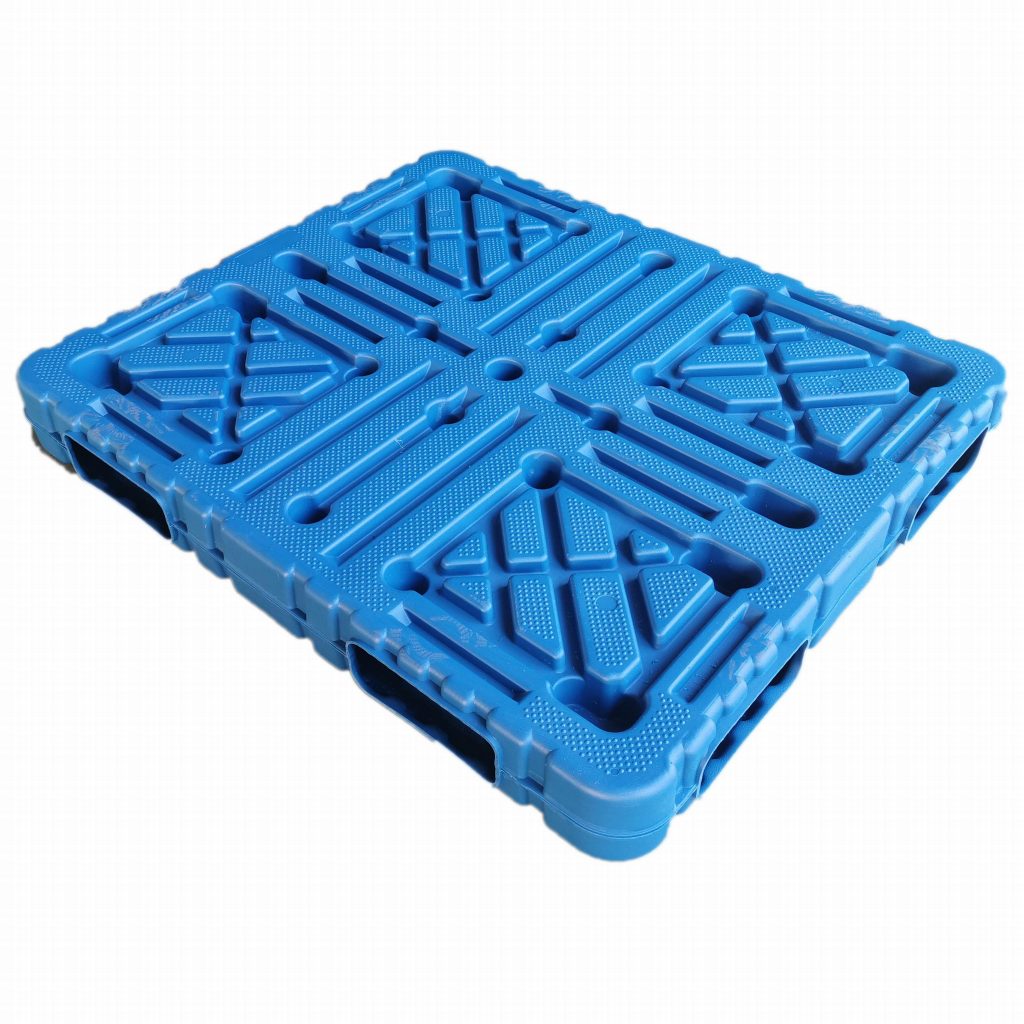
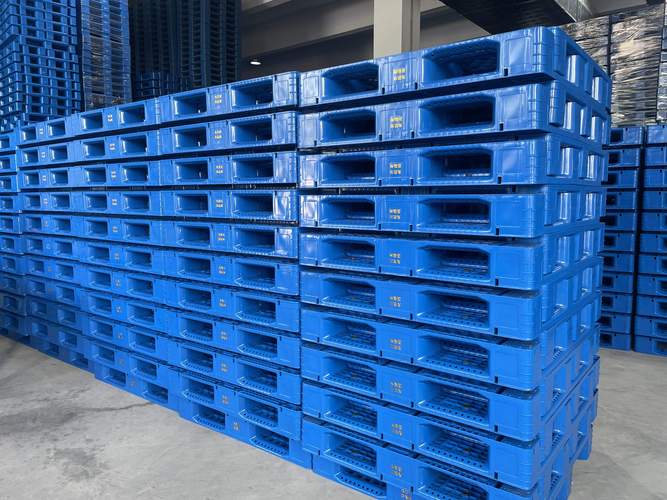
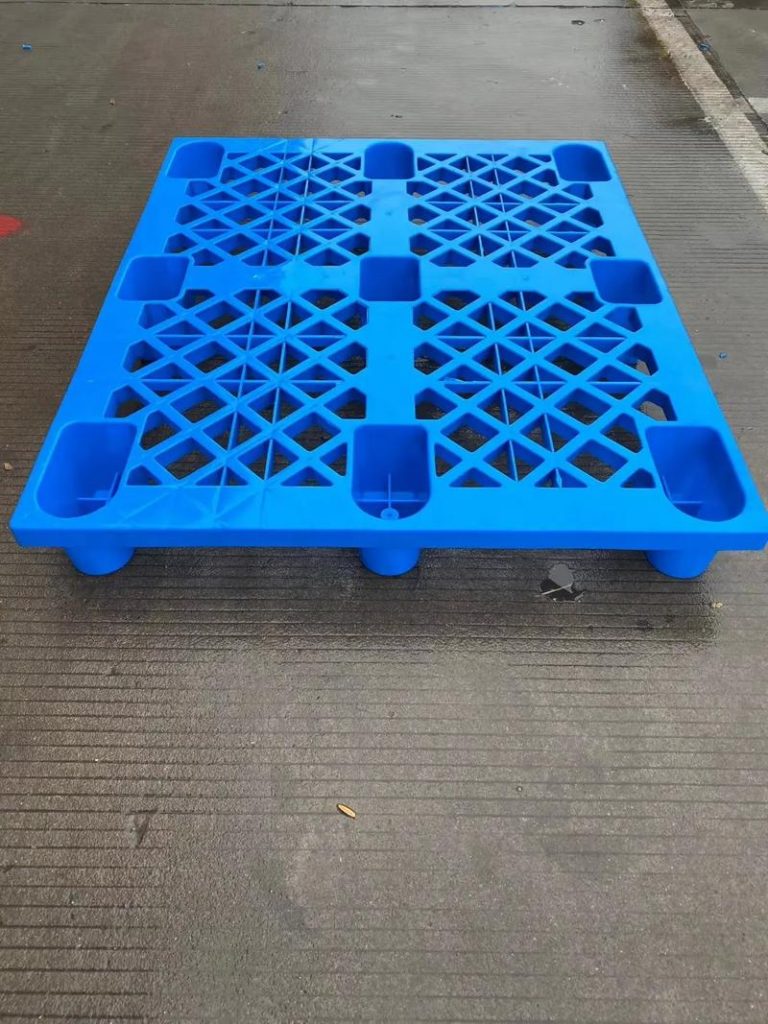
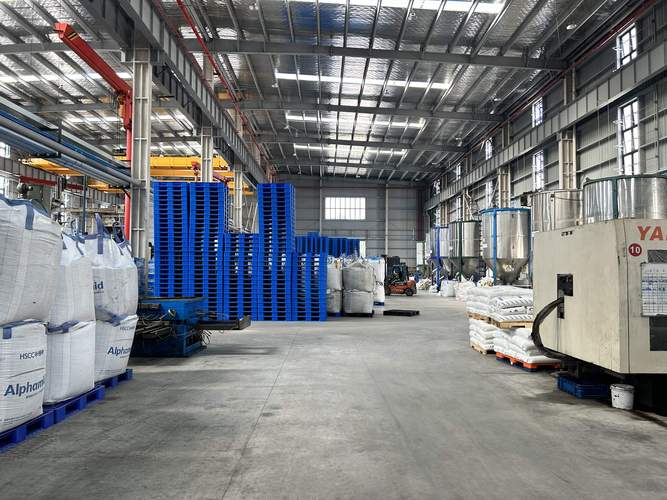
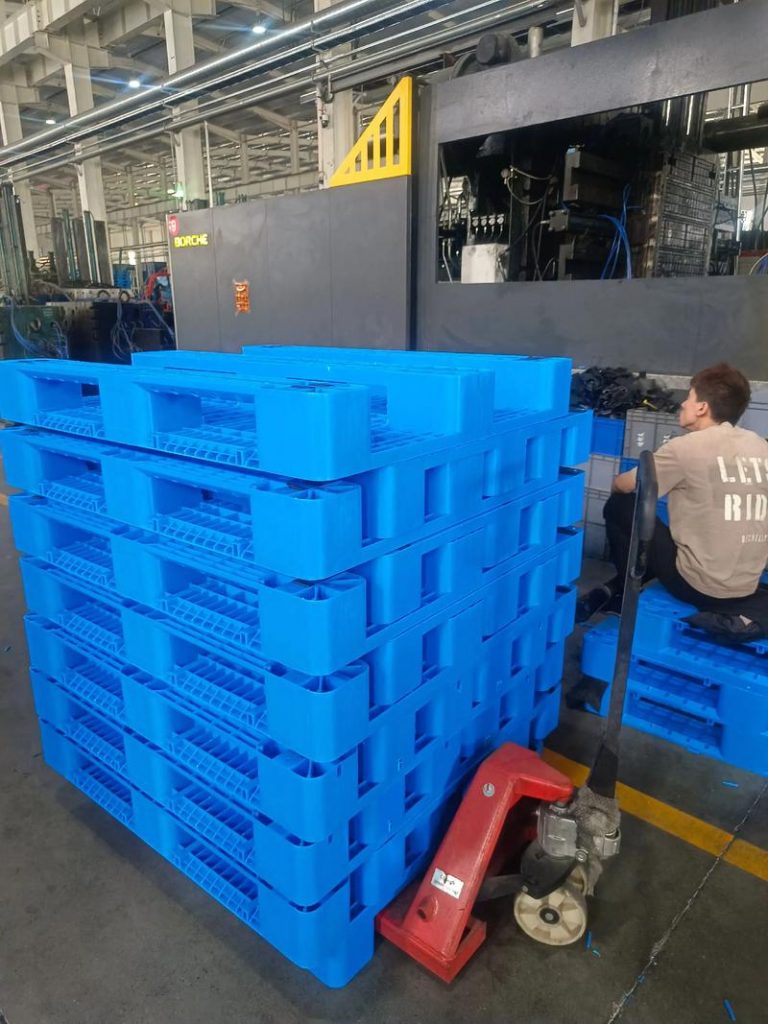
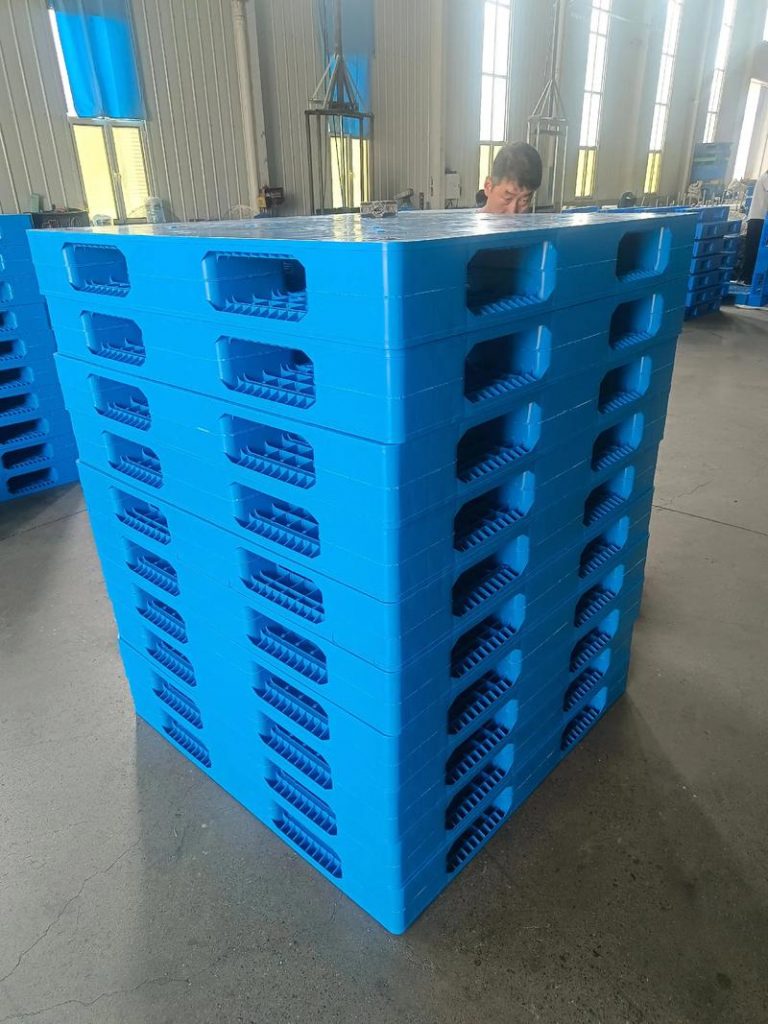
As modern warehouses become increasingly automated, the efficiency of material handling is paramount. Traditional wooden pallets often struggle to meet the precision, durability, and standardization required for automated systems. Plastic pallets for automated warehouses and material handling offer a reliable solution, ensuring seamless integration, safe operations, and optimized logistics performance.
Why Plastic Pallets Are Ideal for Automation
Automated warehouses rely on conveyors, robotic arms, pallet shuttles, and automated storage and retrieval systems (ASRS). Pallets used in these environments must be consistent in size, shape, and strength to prevent operational errors, equipment damage, or cargo loss.
Key Advantages:
-
Consistent Dimensions and Weight
Plastic pallets are manufactured with precise tolerances, ensuring compatibility with automated handling systems. Uniformity in size and weight reduces system jams and operational inefficiencies. -
Durability and Long Life
Plastic pallets resist cracking, splintering, and warping, even under repeated handling by automated machinery. Their robust construction ensures reliable long-term performance. -
Low Maintenance
Unlike wood, plastic pallets do not require repairs or treatments. Their smooth surfaces are resistant to dirt, moisture, and contaminants, minimizing maintenance in automated systems. -
Safety
Plastic pallets are free from nails, splinters, and sharp edges, reducing the risk of damage to automated equipment and injury to workers handling occasional manual operations.
Applications in Automated Warehouses
Plastic pallets are highly versatile and suitable for various automated warehouse applications:
- Distribution Centers – Streamlined handling for high-volume order fulfillment.
- E-commerce Warehouses – Efficient pallet handling for rapid pick-and-pack operations.
- Cold Storage Facilities – Durable pallets compatible with automated forklifts and conveyor systems in low-temperature environments.
- Manufacturing Plants – Seamless integration with robotic palletizing and material handling systems.
- Retail Supply Chains – Standardized pallets for automated sorting, racking, and distribution.
Types of Plastic Pallets for Automation
Plastic pallets come in multiple designs optimized for automated warehouses:
1. Standard Deck Pallets
Standardized pallets with solid or grid decks ensure stable handling and easy integration with conveyor systems, robotic arms, and automated forklifts.
2. Nestable Pallets
Nestable pallets save space during storage and are compatible with automated sorting systems. Their lightweight design allows easy handling without compromising durability.
3. Stackable Pallets
Stackable pallets support heavy loads and enable secure stacking in automated storage systems, optimizing warehouse space while maintaining efficiency.
4. Custom Automation-Ready Pallets
For specialized operations, pallets can be custom-designed with precise dimensions, reinforced structures, and anti-slip surfaces to integrate seamlessly with specific automated systems.
Benefits of Plastic Pallets in Automated Material Handling
1. Operational Efficiency
Consistent dimensions and smooth surfaces reduce system jams, minimize downtime, and ensure rapid handling of goods in automated warehouses.
2. Durability and Reliability
Plastic pallets maintain structural integrity under repeated automated handling, protecting both products and machinery from damage.
3. Safety and Hygiene
Plastic pallets reduce risks associated with splinters, nails, and rough surfaces. They are also easy to clean, supporting hygiene requirements for sensitive products.
4. Cost Savings
Long-lasting plastic pallets reduce replacement costs and minimize operational interruptions, leading to significant long-term savings.
5. Versatility Across Industries
Plastic pallets are suitable for automated handling in food and beverage, pharmaceuticals, e-commerce, manufacturing, and retail industries, offering a reliable solution for diverse supply chains.
Selecting the Right Plastic Pallet for Automated Warehouses
When choosing plastic pallets for automated systems, consider:
- Dimensions and Tolerances – Ensure pallet size matches automated equipment specifications.
- Load Capacity – Match pallet strength to the weight and type of goods handled.
- Material Quality – Select high-quality, impact-resistant plastics for durability.
- Deck Design – Choose solid or grid decks based on cargo type and stability requirements.
- Integration with Equipment – Ensure compatibility with conveyors, forklifts, shuttles, and robotic systems.
Conclusion
Plastic pallets are an indispensable component in automated warehouses and modern material handling operations. Their durability, standardization, and compatibility with advanced logistics systems enhance operational efficiency, reduce costs, and improve workplace safety.
By investing in automation-ready plastic pallets, businesses can ensure seamless handling, reliable performance, and long-term efficiency across their supply chain. For companies embracing warehouse automation, plastic pallets are not just a choice—they are a necessity for safe, efficient, and modern material handling solutions.
Article link:https://www.vlefooena.com/plastic-pallets-for-automated-warehouses-and-material-handling/


No reply content