Public art sculpture outdoor projects play an increasingly important role in shaping modern cities, tourism destinations, and community spaces. As public environments move beyond purely functional design, outdoor sculptures have become powerful tools for storytelling, cultural expression, and visual identity.
From parks and plazas to farms, scenic areas, and festival grounds, outdoor public art sculptures create landmarks that attract visitors, encourage interaction, and transform ordinary spaces into memorable destinations. This article provides a comprehensive overview of outdoor public art sculpture from a manufacturing perspective, including design principles, materials, production processes, customization options, and long-term performance.
Understanding Public Art Sculpture Outdoor
Public art sculpture outdoor refers to large-scale artistic installations placed in open, publicly accessible environments. Unlike indoor artworks, these sculptures must balance artistic creativity with engineering, safety, and environmental durability.
Outdoor public art sculptures are designed to:
- Enhance landscape aesthetics
- Reflect cultural or thematic concepts
- Serve as landmarks or gathering points
- Encourage public interaction and engagement
Because they are viewed by a wide audience over extended periods, outdoor public art sculptures require careful planning, professional manufacturing, and reliable structural design.
The Role of Outdoor Public Art in Modern Spaces
Cultural and Community Expression
Outdoor public art sculptures often represent local culture, history, or environmental values. Animal sculptures, abstract forms, and nature-inspired designs are commonly used to create emotional connections with visitors.
Tourism and Destination Branding
Many tourism destinations rely on public art sculpture outdoor installations to establish visual identity. A single iconic sculpture can become a symbol of an entire location, drawing visitors and increasing online exposure through photography and social sharing.
Urban and Rural Landscape Enhancement
Outdoor sculptures are no longer limited to urban centers. Farms, countryside tourism projects, and rural parks increasingly use public art sculptures to enrich natural landscapes without disrupting their character.
Common Types of Public Art Sculpture Outdoor Projects
Animal-Themed Sculptures
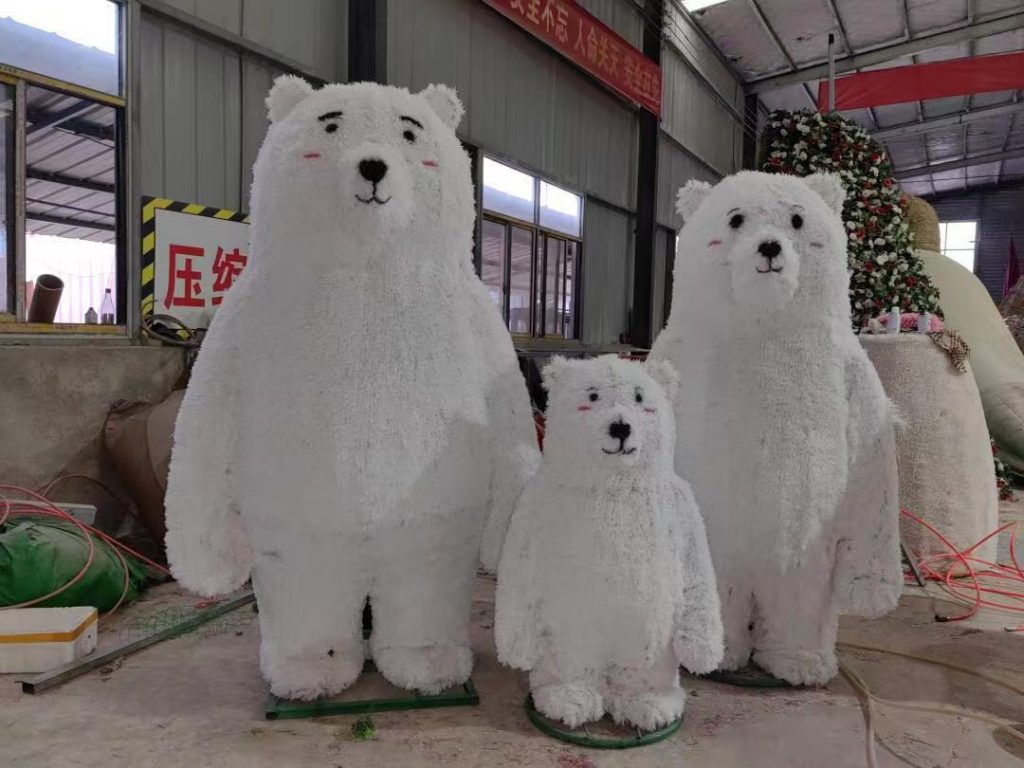
Animal sculptures are among the most popular forms of outdoor public art. They are approachable, visually engaging, and suitable for all age groups. Bears, horses, birds, and abstract animal forms are widely used in parks and scenic areas.
Nature-Inspired and Organic Forms
Sculptures inspired by plants, terrain, or natural movement blend seamlessly with outdoor environments. These designs are often chosen for eco-parks and environmentally themed projects.
Abstract and Conceptual Sculptures
Abstract public art sculptures are frequently used in urban plazas and commercial districts to express creativity and modern design language.
Seasonal and Event-Based Installations
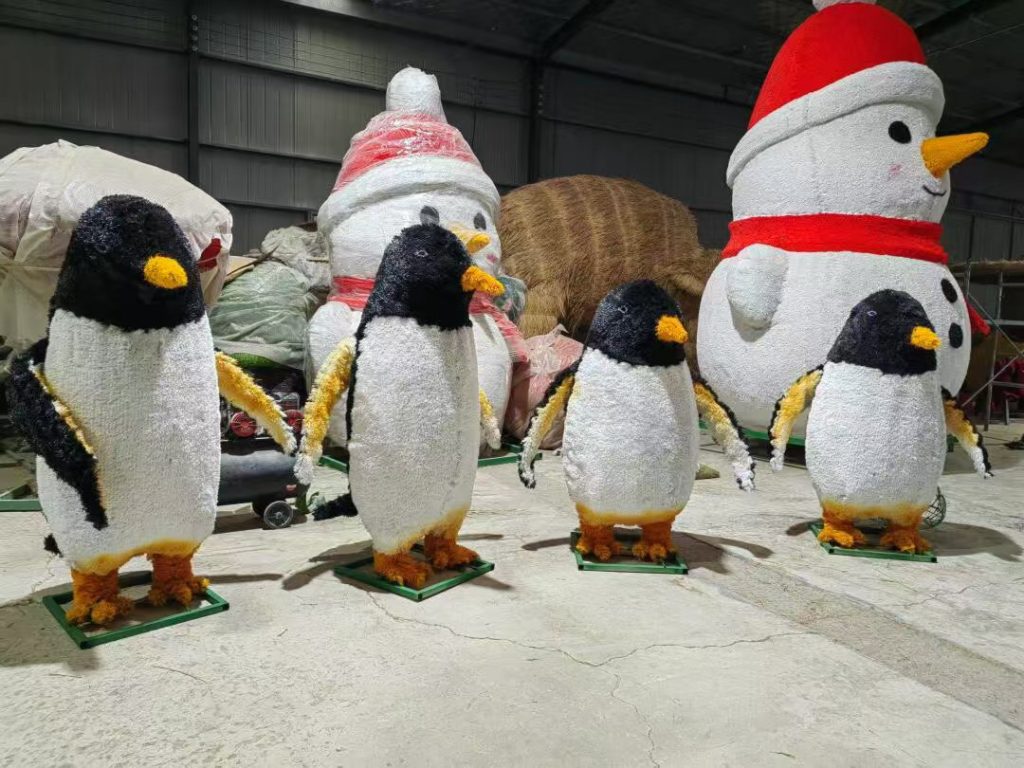
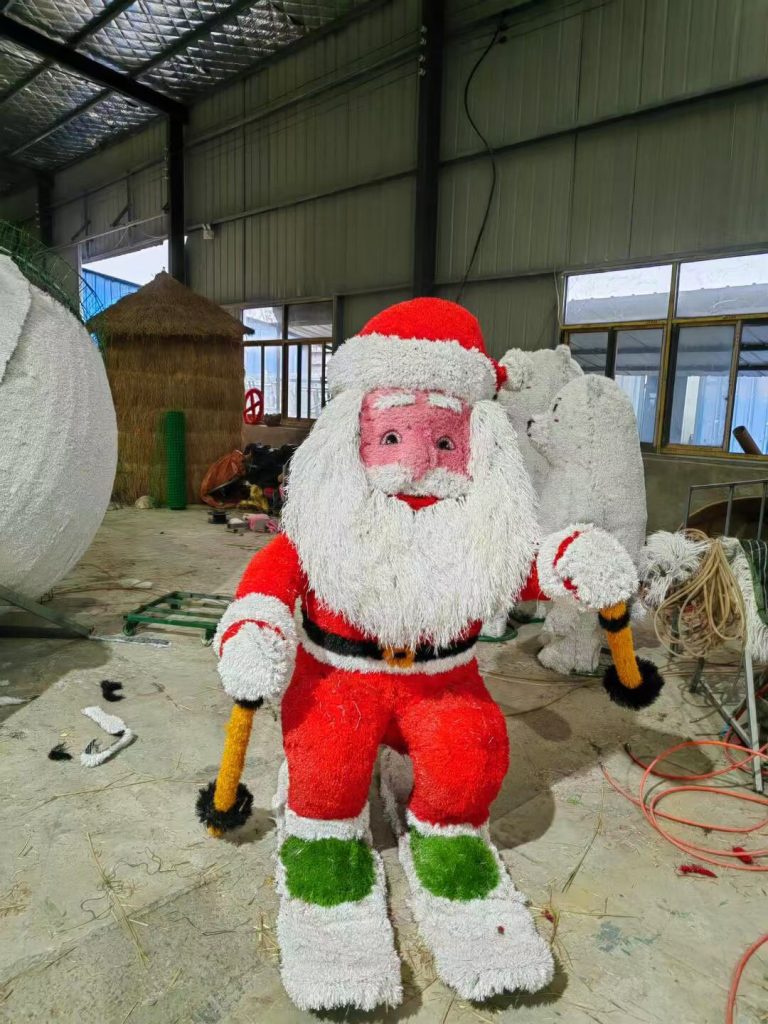
Temporary public art sculptures are used during festivals, exhibitions, and seasonal events to refresh outdoor spaces and attract repeat visitors.
Design Principles for Outdoor Public Art Sculptures
Scale and Proportion
Outdoor public art sculptures must be visible from a distance while remaining harmonious with surrounding architecture and landscapes. Oversized sculptures are often used as focal points, while medium-scale works complement pathways and open areas.
Interaction and Accessibility
Successful outdoor public art encourages interaction. Visitors often touch, photograph, or gather around sculptures, so designs must consider accessibility and safety.
Environmental Integration
Designs should respect the natural or built environment. Colors, textures, and forms are chosen to complement rather than overwhelm the surroundings.
Materials Used in Public Art Sculpture Outdoor Manufacturing
Material selection is critical for durability, safety, and long-term performance.
Structural Framework
- Reinforced steel structures provide strength and stability
- Internal frames are engineered to withstand wind loads and outdoor stress
Surface Materials
- Fiberglass and composite materials for detailed shaping
- Artificial grass or straw-style finishes for natural aesthetics
- Metal or textured coatings for modern designs
Protective Treatments
- UV-resistant coatings to prevent fading
- Moisture-resistant layers for rain and humidity
- Anti-corrosion treatments for long-term outdoor use
Material combinations are selected based on climate, installation duration, and maintenance expectations.
Customization in Public Art Sculpture Outdoor Projects
Factory-direct production allows full customization to meet project-specific requirements:
- Sculpture size and proportions
- Design theme and artistic style
- Surface texture and color palette
- Accessories or integrated elements
- Installation method and base structure
Customization ensures that each outdoor public art sculpture fits seamlessly into its intended environment.
Manufacturing Process Overview
Producing a public art sculpture outdoor installation involves multiple stages:
1. Concept Development and Design Planning
Designs are developed based on site conditions, themes, and size requirements. Structural feasibility is considered from the earliest stage.
2. Internal Structure Fabrication
Steel frameworks are constructed and tested to ensure stability and load-bearing capacity.
3. Sculpture Forming and Surface Application
The external form is shaped using selected materials, followed by surface finishing to achieve the desired texture and appearance.
4. Structural Reinforcement and Quality Control
Connections, joints, and load points are reinforced, and the sculpture undergoes safety and stability checks.
5. Packaging and Transportation Preparation
Large outdoor sculptures are prepared for safe transport, often using modular or sectional designs.
Installation Considerations for Outdoor Public Art
Proper installation is essential for safety and long-term performance. Considerations include:
- Ground foundation and anchoring systems
- Wind resistance and load distribution
- Visitor safety and clearance zones
- Accessibility for maintenance
Manufacturers often provide technical guidance to ensure correct installation on site.
Maintenance and Long-Term Performance
Outdoor public art sculptures are designed for extended exposure to natural elements. Routine maintenance typically includes:
- Surface cleaning
- Visual inspections of structure and anchoring
- Minor repairs to coatings or finishes
With proper care, a professionally manufactured outdoor sculpture can maintain its appearance and structural integrity for many years.
Why Buyers Choose Factory-Direct Public Art Sculpture Outdoor Solutions
Working directly with a manufacturer offers clear advantages:
- Cost-efficient pricing without intermediaries
- Direct communication with production teams
- Flexible customization for unique projects
- Consistent quality control
- Scalable production for multiple installations
These benefits are especially important for large-scale public art projects.
Outdoor Public Art Sculpture and Visitor Engagement
Well-designed outdoor public art sculptures naturally encourage interaction. Visitors often stop, photograph, and share images online, generating organic visibility for the location. This makes public art sculpture outdoor projects not only artistic investments but also effective tools for place-making and destination promotion.
Sustainability and Environmental Considerations
Modern public art sculpture outdoor projects increasingly focus on sustainability. This includes:
- Use of recyclable or reusable materials
- Designs that complement natural ecosystems
- Long service life to reduce replacement frequency
Sustainable practices add long-term value to public art investments.
Future Trends in Public Art Sculpture Outdoor Design
- Larger, more immersive installations
- Nature-inspired and eco-themed designs
- Modular sculptures for flexible placement
- Increased focus on interaction and photo engagement
These trends reflect the growing importance of outdoor public art in public and commercial environments.
Conclusion
Public art sculpture outdoor installations play a vital role in shaping landscapes, enriching public spaces, and creating memorable visual experiences. From parks and farms to tourist attractions and urban plazas, these sculptures combine artistic expression with engineering precision.
By sourcing directly from a professional manufacturer, buyers gain access to customized design, durable materials, and reliable production—ensuring that outdoor public art sculptures deliver lasting value, safety, and visual impact for years to come.
Article link:https://www.vlefooena.com/public-art-sculpture-outdoor-design-manufacturing-and-large-scale-landscape-applications/

No reply content