The modern world is moving toward faster construction, flexible lifestyles, and housing solutions that can adapt to changing environments. In this shift, mobile homes, container houses, and futuristic pod-style cabins have become powerful alternatives to traditional buildings. These structures offer freedom, efficiency, and a new way of approaching personal and commercial space.
As a manufacturer specializing in modular and mobile living units, the focus is always on creating homes that balance strength, comfort, design, and functionality. This article explores the deeper thinking behind modern modular houses and why they are becoming a preferred choice across different industries worldwide.
1. Rethinking How People Live and Work
For decades, people believed a home must be heavy, permanent, and fixed to the ground. But global lifestyles have evolved. Tourism has grown. Remote work has become normal. Land is expensive. Businesses need fast building solutions. And customers want affordable housing with modern design.
This shift has created demand for housing that can move, expand, or be installed anywhere without complicated construction.
Why Modular and Mobile Housing Is Rising
- Quick installation in urban, rural, or remote locations
- Lower cost compared to concrete buildings
- Environmentally friendly building method
- Reusable and relocatable structures
- Customizable designs for different purposes
- Minimal land preparation needed
These benefits make modular homes suitable for both personal living and commercial projects.
2. Mobile Homes: Comfort That Moves with You
Mobile homes are built to be transported easily while maintaining the comfort of a traditional house. Their engineering focuses on portability, durability, and long-term performance.
Structural Features
- Reinforced steel skeleton designed for road transportation
- Multi-layer walls for insulation and sound control
- Weatherproof exterior panels
- Ventilation systems suitable for cold and warm climates
- Stable base designed to resist wind and environmental vibrations
Interior Experience
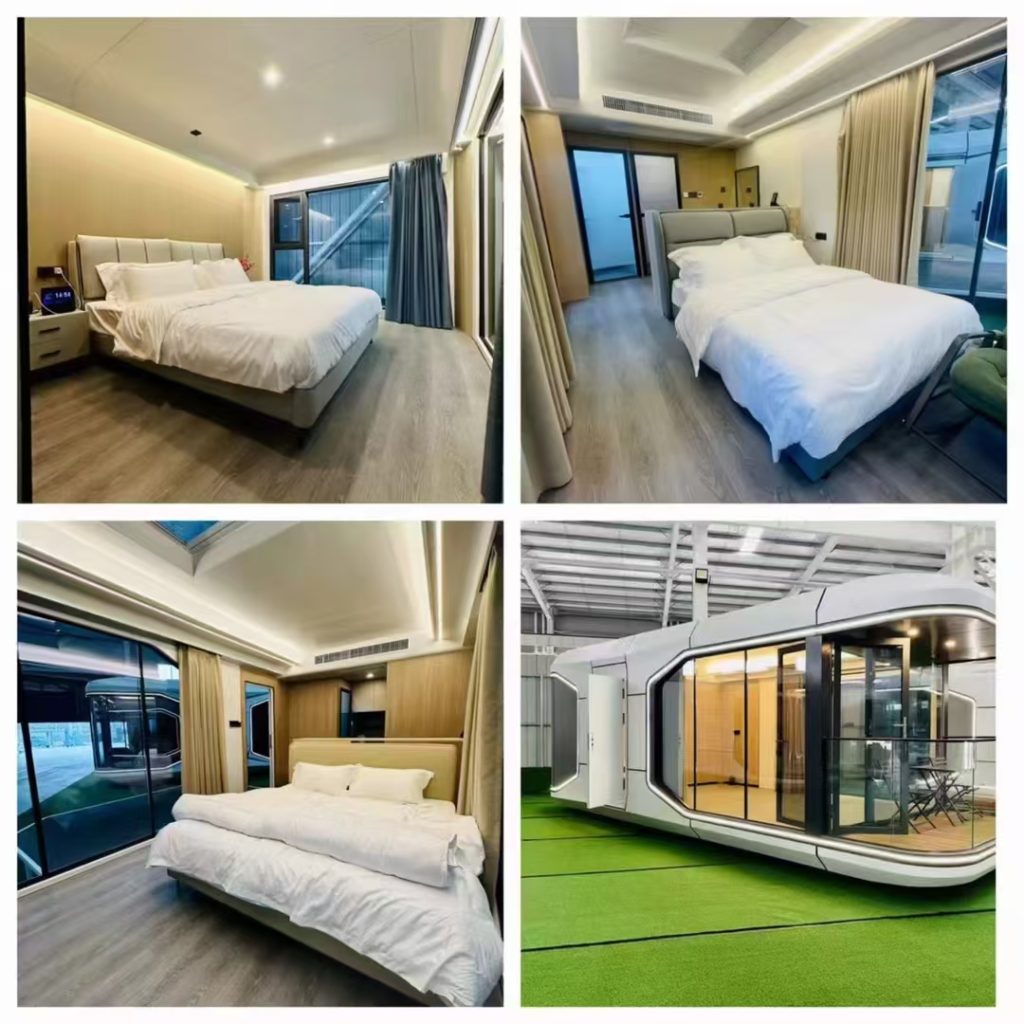
Inside a mobile home, the design aims to make small spaces feel open and convenient. Layouts often include:
- A practical bedroom
- Well-organized storage
- A functional bathroom
- A kitchenette with essential utilities
- A living area that doubles as a workspace
The goal is not just mobility, but comfort—creating a space that feels like home regardless of location.
Where Mobile Homes Are Used
- Mountain resorts and forest parks
- Countryside rental cabins
- Worker accommodations
- Tourist campgrounds
- Family weekend houses
- Offices at project sites
Their versatility allows businesses and homeowners to create valuable spaces in a short time.
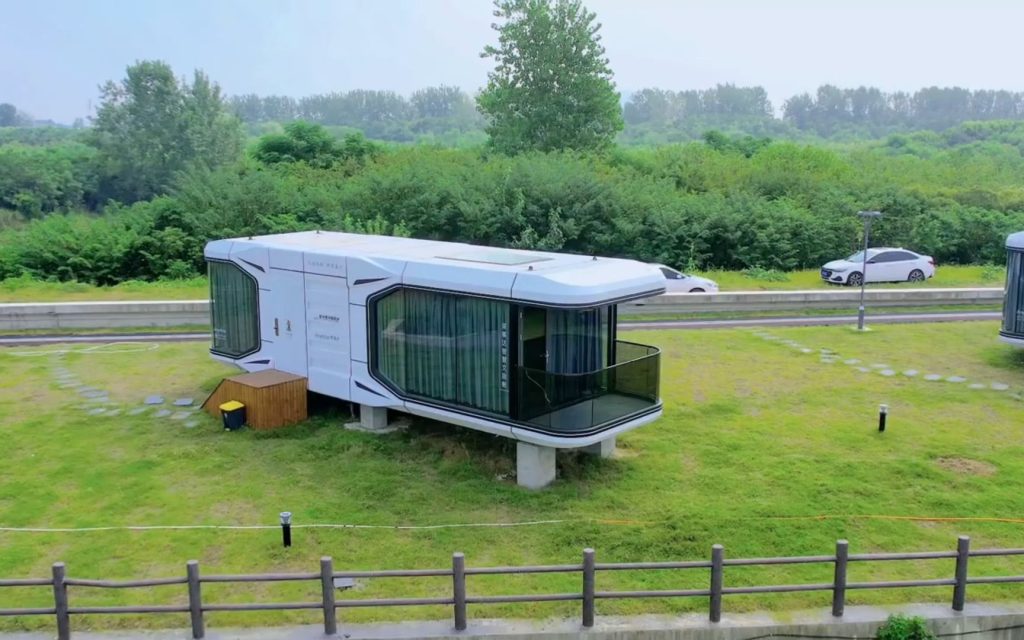
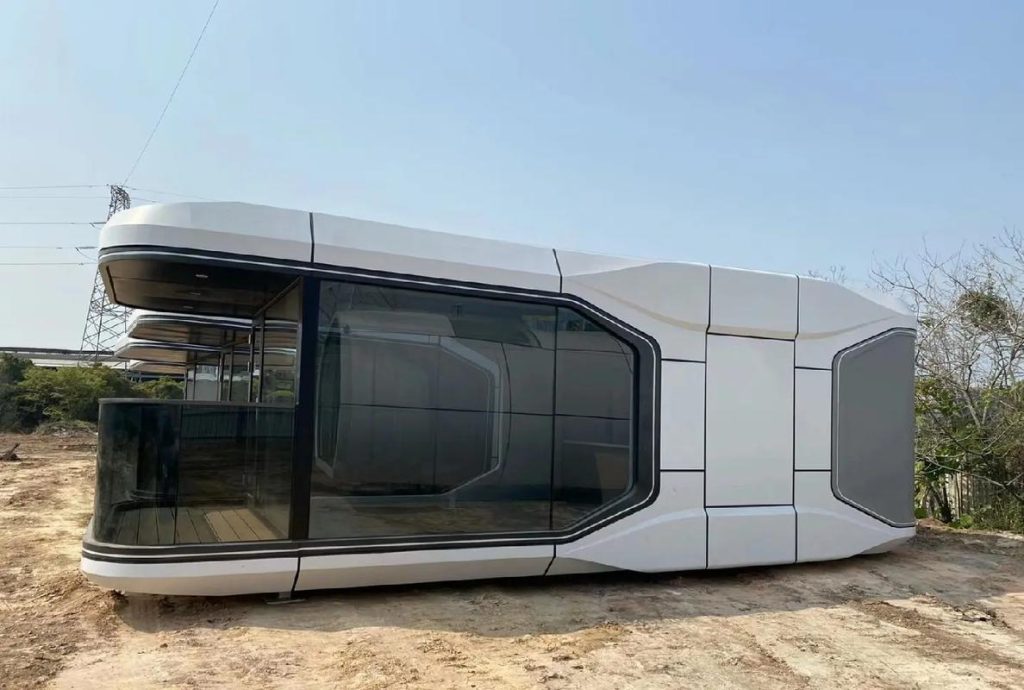
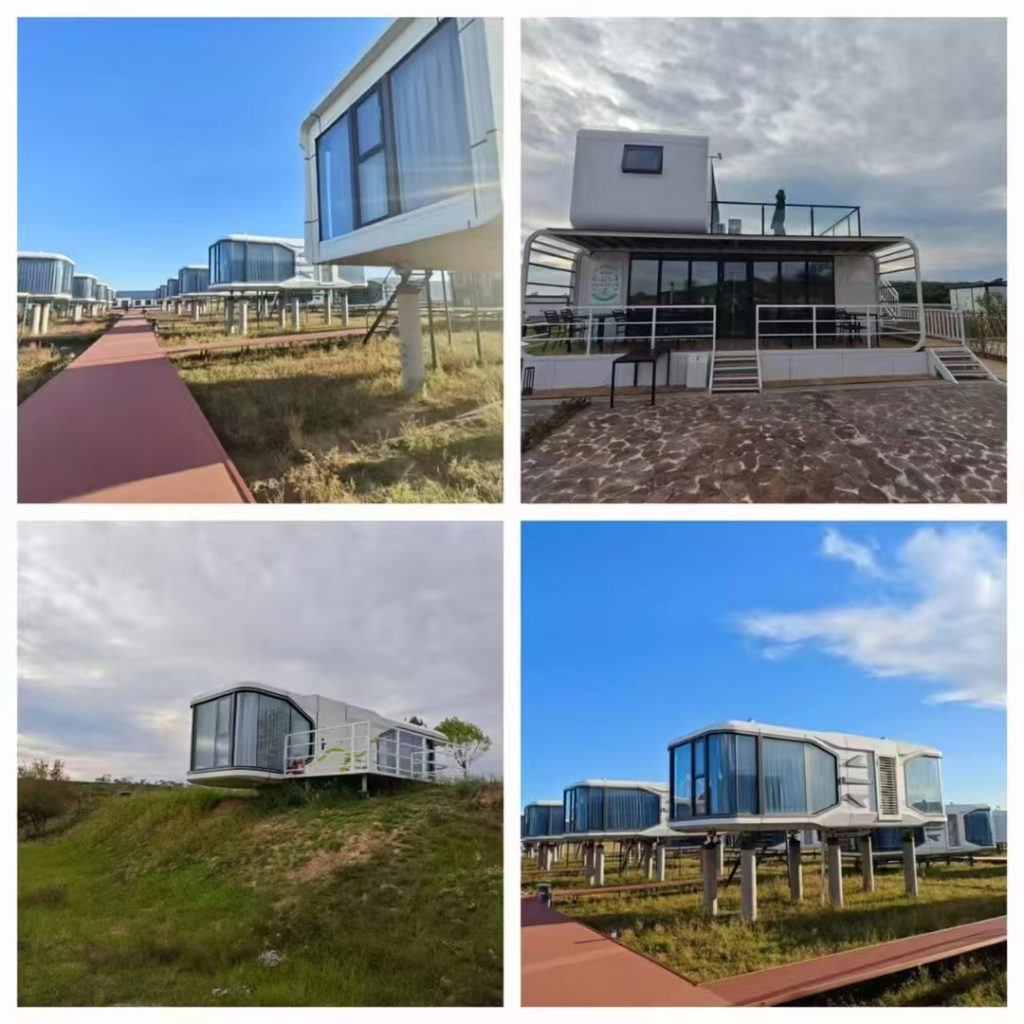
3. Space Pod Houses: Modern, Compact, and Visually Striking
Pod-style houses—often inspired by futuristic design—are one of the most visually attractive forms of modular housing. Their rounded structures, smooth edges, and panoramic windows give them a unique appeal.
Characteristics of Pod Houses
- Curved exterior for a modern, futuristic look
- Compact yet efficient internal layout
- Strong shells made from durable composite materials
- Built-in lighting systems
- Large viewing windows for natural scenery
- Weather-resistant structure suitable for all seasons
Pod houses are not only functional but also artistic. They blend architecture with imagination, making them ideal for locations where appearance matters.
Common Applications
- Scenic tourist zones
- Eco-friendly holiday parks
- Digital-nomad working spaces
- Backyard guest rooms
- Boutique resorts
- Creative studios
Their design instantly elevates the atmosphere of any area, turning simple land into a desirable destination.
4. Container Houses: Strength, Stability, and Expandable Design
Container-style houses are robust, versatile, and well-suited for heavy use. Their structural strength makes them ideal for commercial and long-term projects.
Why Container Houses Are Trusted
- High structural durability
- Fire-resistant and weather-resistant wall systems
- Easy relocation and quick installation
- Stackable for multi-level buildings
- Adaptable for office, dormitory, retail, or residential use
Unlike traditional shipping containers, modular container homes are engineered with insulation, wiring, and internal finishes that make them comfortable for long-term living.
Usage Scenarios
- Workforce dormitories
- Temporary command offices
- Pop-up retail stores
- Student housing blocks
- Outdoor exhibition rooms
- Medical or relief stations
Their industrial appearance can be upgraded with modern exterior designs, giving them style as well as function.
5. Precision Manufacturing: How Modular Homes Are Built
Creating high-quality mobile homes, pod houses, and container units requires a combination of engineering accuracy and skilled craftsmanship.
Key Production Steps
-
Steel Frame Fabrication
Frames are welded using precise measurements and treated with anti-corrosion coatings. -
Wall and Roof Paneling
Insulated panels are added for temperature control and noise reduction. -
Electrical and Plumbing Integration
Safe, hidden installations are pre-laid within the walls. -
Interior Assembly
Floors, cabinets, lighting, windows, and fixtures are fitted with attention to detail. -
Exterior Protection
Waterproof sealing and weatherproof materials ensure year-round durability. -
Quality Inspection
Each unit goes through structural checks, water tests, and electrical testing.
This controlled process ensures stable quality regardless of the order size or design complexity.
6. Environmental and Economic Benefits
Modular homes are known for their environmental advantages. They require less construction waste, and because they are made in factories, they reduce disturbance to natural surroundings.
Environmental Advantages
- Lower carbon emissions during construction
- Optimized material usage
- Option for solar systems and energy-efficient appliances
- Reduced long-term maintenance
- Reusable structures that prevent waste
Economic Value
- Faster ROI for tourism businesses
- Cost savings on construction materials
- Shorter project timelines
- Lower labor requirements
- Flexibility for relocation or resale
Both investors and personal buyers benefit from the efficiency and adaptability of modular building.
7. Customization: Designing Spaces for Different Needs
The biggest strength of modular housing is custom design. Each customer has unique requirements, and modular units allow flexible adaptation.
Popular Custom Features
- Color and exterior finish options
- Choice of window sizes and positions
- Different floor plans
- Furniture materials and interior décor
- Extra insulation for cold regions
- Smart home systems
- Solar power integration
- Outdoor decks and steps
- Bathroom or kitchen upgrades
Whether for a luxury resort or minimalistic eco-cabin, designs can match both the environment and customer preference.
8. The Future of Modular Housing
The future of housing is shifting toward sustainability, mobility, and digital integration. Modular homes will continue to evolve in several areas:
- Smart energy management systems
- Lightweight structural materials
- Expandable modular units
- Integrated solar roofs
- Climate-adaptive panels
- Smart sensors for air quality and temperature
- Automated leveling systems
- High-tech insulation materials
As innovation continues, modular housing will increasingly replace traditional construction in various applications.
Conclusion
Mobile homes, pod houses, and container houses offer an innovative way to live, travel, and build efficiently. Their strength, adaptability, and modern design make them suitable for living spaces, commercial use, tourism, and industrial applications. As the world searches for faster, greener, and smarter building solutions, modular housing stands at the center of this transformation.
Article link:https://www.vlefooena.com/smart-modular-spaces-for-modern-living/


No reply content