
Intro text (about 70 words – recommended text box at the top)
Power outages are becoming more frequent worldwide due to extreme weather, aging grid infrastructure, and rising electricity demand. For homeowners using solar power, a solar battery backup system offers a reliable way to maintain electricity during blackouts. This article explains how solar battery backup works, what it can power during outages, and why home energy storage has become an essential solution for modern households.
1. Why Power Outages Are a Growing Problem
In many regions, power outages are no longer rare events. Grid instability is caused by several factors:
- Extreme weather events
- Overloaded power grids
- Aging transmission infrastructure
- Increased electricity demand
Even short outages can disrupt daily life, affecting lighting, refrigeration, communication, and home security systems. As a result, homeowners are actively searching for reliable backup power solutions.
2. What Is a Solar Battery Backup System?
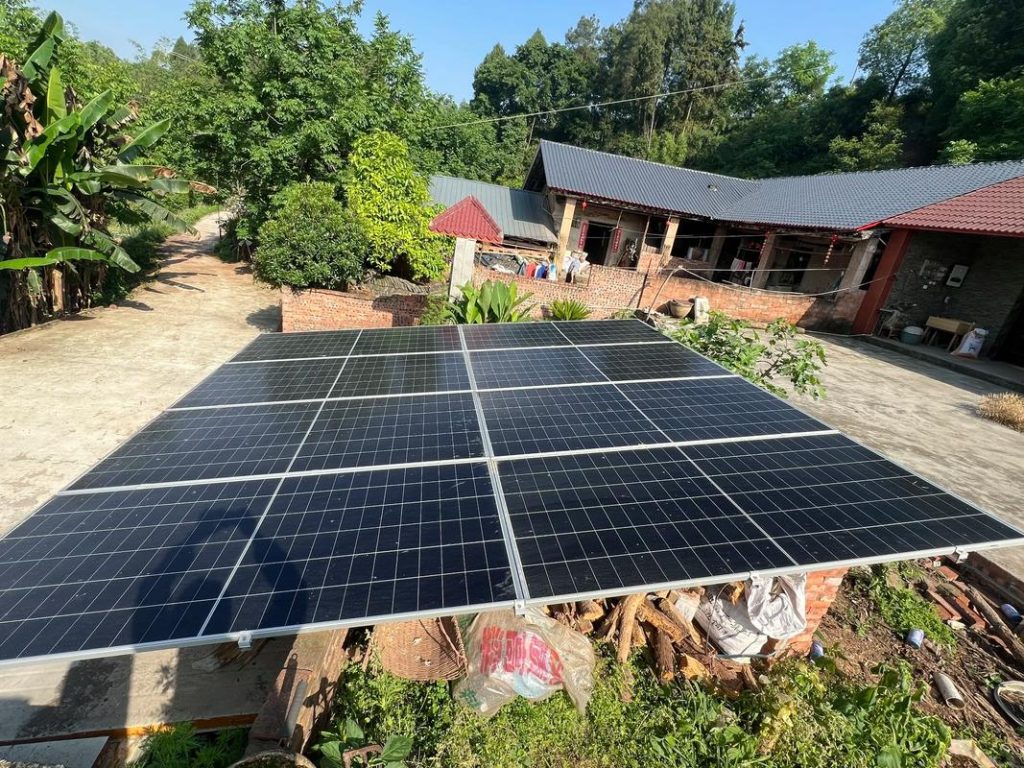
A solar battery backup system stores electricity generated by solar panels and makes it available during power outages. Unlike traditional solar-only systems that shut down when the grid fails, systems with battery backup continue supplying power to selected circuits.
A typical system includes:
- Solar panels
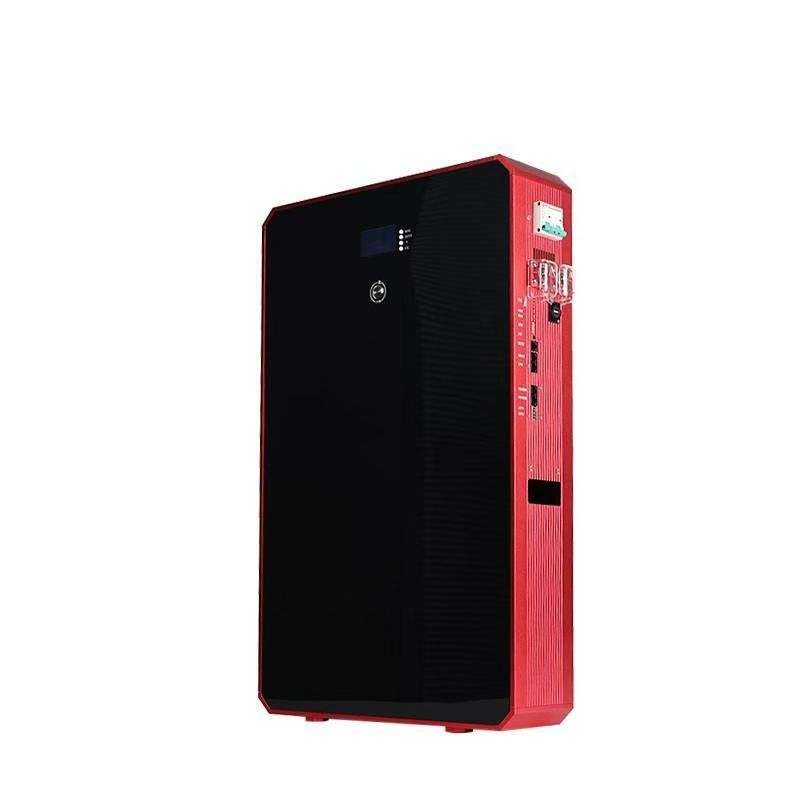
- A battery storage unit
- An inverter with backup capability
- Energy management and protection devices
This setup allows seamless transition from grid power to battery power when outages occur.
3. How Solar Battery Backup Works During an Outage
When the grid is operating normally, solar panels supply electricity to the home and charge the battery. Excess energy is stored for later use.
During a power outage:
- The inverter detects grid failure
- The system disconnects from the grid
- Stored energy supplies power to essential loads
This process happens automatically, often within milliseconds, ensuring uninterrupted power for critical appliances.
4. Solar Battery Backup vs Traditional Generators
Many homeowners consider generators as a backup option, but solar battery systems offer clear advantages.
Solar Battery Backup:
- Silent operation
- No fuel required
- Automatic activation
- Low maintenance
- Zero emissions
Traditional Generators:
- Noise and vibration
- Fuel storage and refueling required
- Manual startup (in many cases)
- Regular maintenance
For residential use, battery-based backup systems are cleaner, quieter, and more convenient.
5. What Can a Solar Battery Backup Power?
The appliances supported during an outage depend on battery capacity and load management.
Common Essential Loads:
- Refrigerator and freezer
- Lighting
- Internet router and communication devices
- Security systems
- Small appliances
A properly sized battery system can keep essential loads running for several hours or even days with careful energy use.
6. How Long Can a Solar Battery Power a Home?
Backup duration depends on:
- Battery capacity (kWh)
- Power demand (kW)
- Number of appliances connected
Typical Examples:
- 5kWh system: Basic backup for short outages
- 10kWh system: Essential loads for 8–12 hours
- 15kWh–20kWh system: Extended backup or partial full-home support
Solar recharging during daylight can further extend backup duration.
7. Why Solar Alone Is Not Enough During Outages
Many homeowners assume solar panels will continue working during a blackout. In reality, grid-tied solar systems automatically shut down for safety reasons.
Without a battery:
- Solar power stops during outages
- Homes remain without electricity
- Energy independence is limited
A battery backup system solves this problem by storing energy for use when the grid is unavailable.
8. Choosing the Right Battery Capacity for Backup
Selecting the correct battery size is critical.
Key Factors:
- Number of essential appliances
- Duration of typical outages
- Household energy habits
Most homeowners prioritize critical circuits rather than whole-home backup. This approach reduces costs while maintaining comfort and safety.
9. Partial Backup vs Whole-Home Backup
Partial Backup:
- Powers selected circuits
- Lower system cost
- Longer backup duration
Whole-Home Backup:
- Higher capacity required
- Higher upfront cost
- Suitable for large or off-grid homes
For most residential users, partial backup offers the best balance between cost and reliability.
10. Lithium Battery Technology for Backup Systems
Modern solar battery backup systems typically use lithium iron phosphate (LiFePO₄) batteries.
Advantages:
- High safety performance
- Long lifespan (6,000+ cycles)
- Fast response time
- Compact design
Lithium batteries are ideal for frequent cycling and emergency backup applications.
11. Safety Features in Solar Battery Backup Systems
Safety is essential when storing energy at home.
Modern systems include:
- Intelligent battery management systems
- Overcharge and over-discharge protection
- Thermal monitoring
- Fire-resistant enclosures
These features ensure stable and secure operation under various conditions.
12. Installation Considerations for Backup Power
Solar battery systems can be installed:
- In garages
- Utility rooms
- Basements
- Outdoor protected areas
Proper ventilation, temperature control, and professional installation are key to long-term performance and safety.
13. Can Solar Battery Backup Reduce Electricity Bills?
Yes. In addition to backup power, battery systems help reduce electricity costs by:
- Increasing solar self-consumption
- Reducing peak-time grid usage
- Storing low-cost electricity
This dual benefit makes energy storage a smart long-term investment.
14. Solar Battery Backup in Different Regions
Backup needs vary by location.
- Areas with frequent storms require longer backup duration
- Regions with unstable grids benefit from larger systems
- Rural homes may combine backup with off-grid functionality
Understanding local grid reliability helps determine the right system size.
15. Common Misconceptions About Battery Backup
- “Batteries are only for emergencies” – they also save money daily
- “Solar batteries are unsafe” – modern systems are highly regulated
- “Backup systems are too complex” – most operate automatically
Clear understanding leads to better system selection and satisfaction.
16. Maintenance and System Lifespan
Solar battery backup systems require minimal maintenance.
Typical lifespan:
- 10–15 years for lithium battery systems
- Daily monitoring via mobile or web platforms
Routine checks ensure optimal performance and early issue detection.
17. Is Solar Battery Backup Worth It?
Solar battery backup is worth considering if:
- Power outages are frequent
- You rely on essential electrical devices
- You want greater energy independence
- You already use or plan to install solar power
For many homeowners, backup power provides peace of mind that traditional grid systems cannot offer.
18. The Future of Home Backup Power
As grid challenges increase, solar battery backup systems are becoming a standard feature of modern homes. Advances in battery technology, smart energy management, and system integration will further improve reliability and affordability.
Backup power is no longer a luxury—it is becoming a necessity.
Conclusion
A solar battery backup system protects your home from power outages while enhancing the value of your solar investment. By storing energy for emergency use, homeowners gain reliability, flexibility, and peace of mind.
Whether for short blackouts or extended outages, home energy storage transforms solar power into a dependable, around-the-clock energy solution.


No reply content