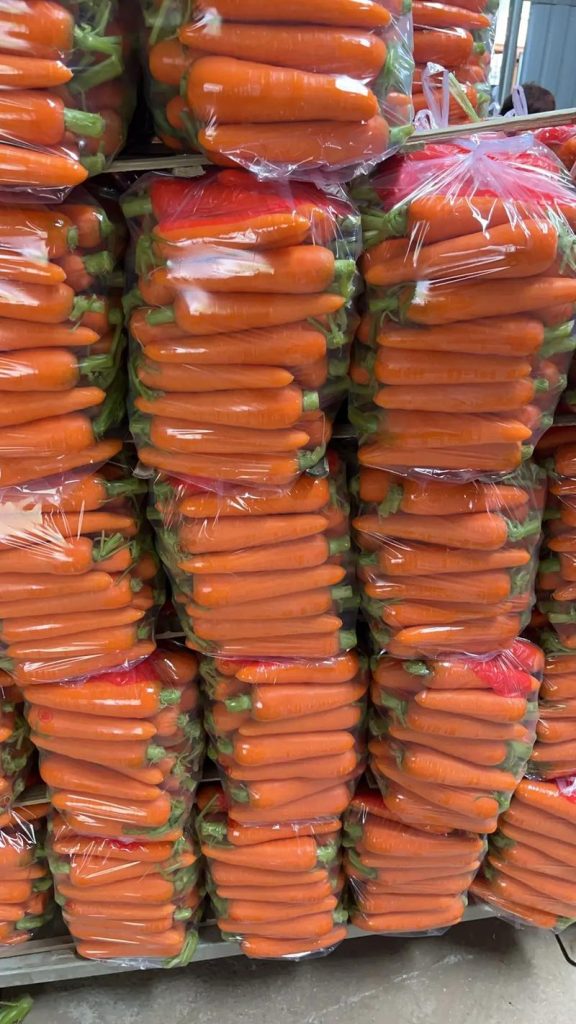

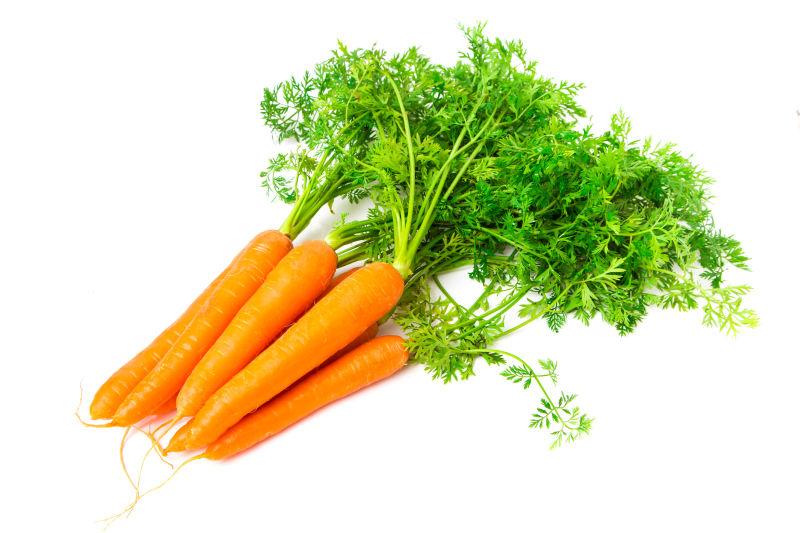
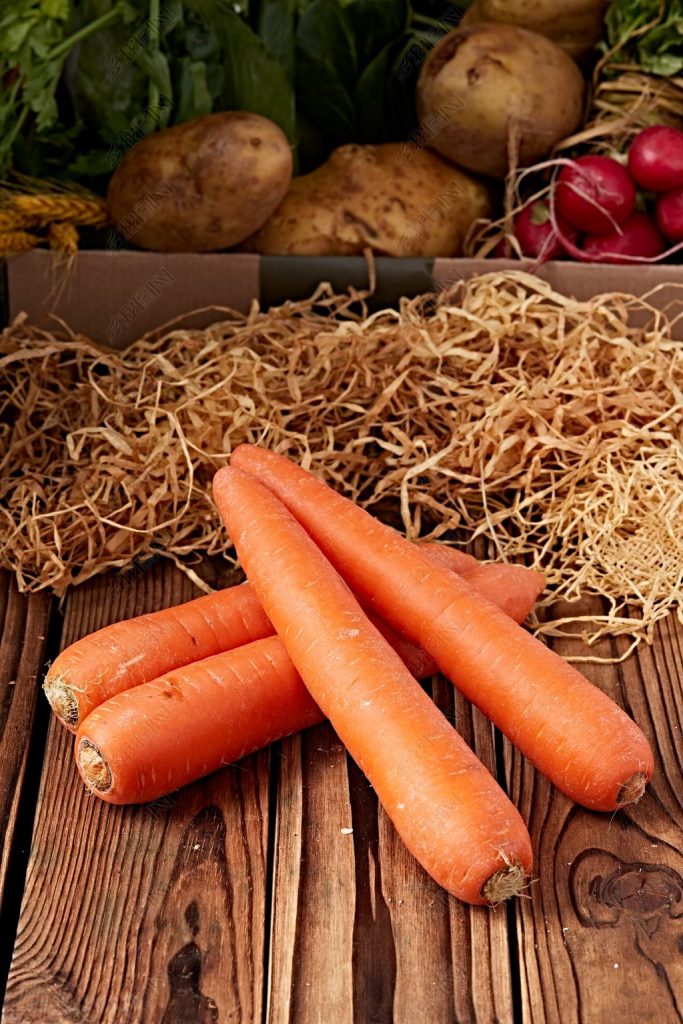
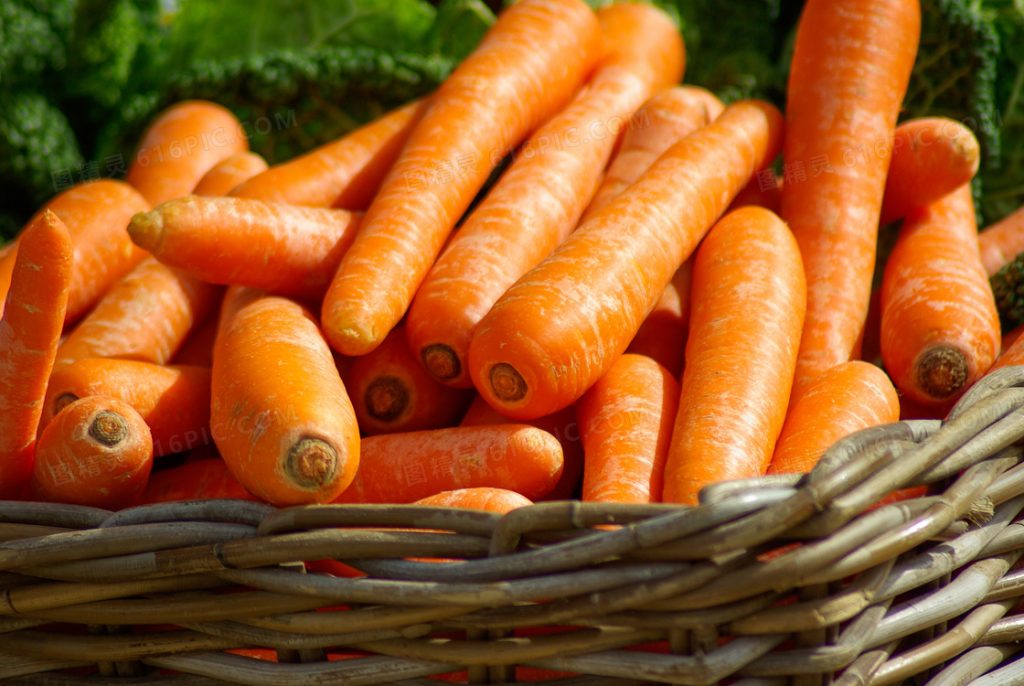

Sourcing carrots from China allows international buyers to access consistent supply, competitive pricing, and advanced processing standards. This guide explains how to select reliable suppliers, evaluate quality, manage logistics, reduce risks, and build long-term sourcing strategies for fresh, frozen, and processed carrots in global markets.
Introduction
Carrots are one of the most widely consumed vegetables in the world, valued for their versatility, nutritional profile, long shelf life, and adaptability to various culinary applications. From retail supermarkets to food processors, juice manufacturers, and catering services, demand for carrots remains stable across all seasons.
China has emerged as a major global sourcing hub for carrots due to its extensive farming infrastructure, year-round production cycles, competitive labor costs, and rapidly evolving export systems. Today, international buyers rely on Chinese suppliers not only for volume but also for consistent grading, flexible packaging, and advanced cold-chain logistics.
Sourcing carrots from China, however, is not simply about finding a low-cost producer. It requires understanding quality specifications, harvest seasons, storage conditions, packaging formats, compliance requirements, and supplier reliability. Buyers who approach the process strategically benefit from long-term stability, while those who rush decisions often face quality inconsistencies, shipping losses, and regulatory issues.
This comprehensive guide explains how global buyers can successfully source carrots from China, covering every critical stage from farm selection to final delivery.
Why China Is a Leading Source of Export Carrots
China’s leadership in the carrot export market is driven by scale, technology, and logistics integration. Unlike smaller producing countries that rely on limited growing seasons, China operates multiple carrot-producing zones with staggered harvest windows.
Key advantages include:
Large cultivation areas with mechanized farming
Consistent output volumes
Advanced sorting and washing systems
Strong cold storage infrastructure
Flexible packaging lines
Competitive labor and processing costs
These factors allow Chinese suppliers to offer stable year-round supply, which is essential for international retailers and food service operators.
Understanding Carrot Varieties Available for Export
When sourcing carrots from China, buyers can choose from multiple types depending on their application.
Common export formats include:
Fresh whole carrots
Baby carrots
Washed and polished carrots
Peeled carrots
Sliced carrots
Shredded carrots
Frozen diced carrots
Puree-grade carrots
Each format serves a different purpose. Retail chains prefer visually uniform, smooth-surfaced carrots. Food processors prioritize sugar content, moisture stability, and fiber consistency. Juice manufacturers often focus on sweetness and color density.
Understanding your end market determines which specifications matter most.
Production Cycles and Seasonal Availability
One of China’s strongest advantages is its ability to produce carrots throughout the year by utilizing multiple growing zones.
Northern regions typically supply long-storage varieties. Central regions focus on high-sugar carrots for processing. Southern zones often serve quick-turn export needs.
This diversity allows suppliers to maintain stable volumes even when one region experiences climate fluctuations.
Quality Grading Standards
Professional export suppliers grade carrots using strict parameters such as:
Length uniformity
Diameter range
Color brightness
Surface smoothness
Absence of cracks
Firmness
Sugar level
Moisture content
Grading determines not only visual appearance but also shelf life and transportation resilience. Higher-grade carrots tolerate long-distance shipping better and reduce loss rates.
Post-Harvest Handling and Processing
Post-harvest handling is a critical factor in carrot export success. Poor handling can cause dehydration, microbial growth, or surface damage.
Modern facilities follow these steps:
Hydro washing
Debris removal
Optical sorting
Size grading
Surface drying
Pre-cooling
Cold storage
This controlled environment preserves freshness and extends shelf life.
Food Safety and Compliance
Professional carrot exporters follow international food safety protocols that include:
Batch traceability
Pesticide residue monitoring
Hygiene controls
Temperature tracking
Contamination prevention
Pre-shipment inspections
These systems protect buyers from regulatory risks and product recalls.
Packaging Options for Export Carrots
Packaging affects not only product appearance but also shelf life and transportation stability.
Common formats include:
Mesh bags
Ventilated cartons
Poly-lined boxes
Vacuum-sealed retail packs
Modified atmosphere packs
Each option has specific advantages depending on shipping distance and target market.
Cold Chain Management
Carrots must be kept at controlled temperatures from harvest to arrival.
Ideal storage conditions:
Temperature: 0–2°C
Humidity: 90–95%
Airflow circulation
Ethylene control
Suppliers with integrated cold chain systems significantly reduce spoilage.
Pricing Structure Explained
Carrot pricing from China is influenced by multiple factors:
Seasonal harvest cycles
Quality grade
Size uniformity
Sugar content
Packaging type
Order volume
Shipping distance
Market demand
Buyers should avoid focusing solely on the lowest price. Quality inconsistency often results in higher total costs.
How to Evaluate a Reliable Supplier
A professional supplier should provide:
Transparent documentation
Clear grading systems
Pre-shipment photos
Inspection reports
Stable communication
Export references
Refusal to share these is a warning sign.
Article link:https://www.vlefooena.com/sourcing-carrots-from-china-a-complete-guide-for-global-buyers/


No reply content