
🔲 70-Word Textbox Introduction
Sourcing ginger from China provides global buyers access to high-quality, fresh, and consistent products at competitive prices. This detailed guide explains everything from supplier selection, quality inspection, packaging, shipping logistics, compliance, pricing, and risk management. Learn how to import ginger efficiently, maintain product quality, minimize risks, and establish long-term partnerships with experienced Chinese suppliers for sustainable and profitable trade.
1. Why China Is the Leading Ginger Supplier
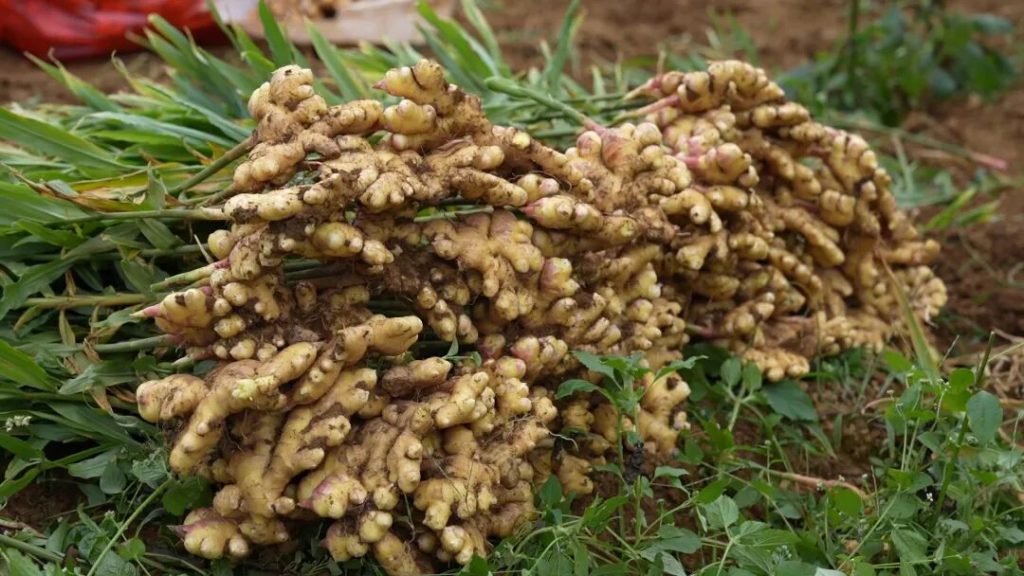
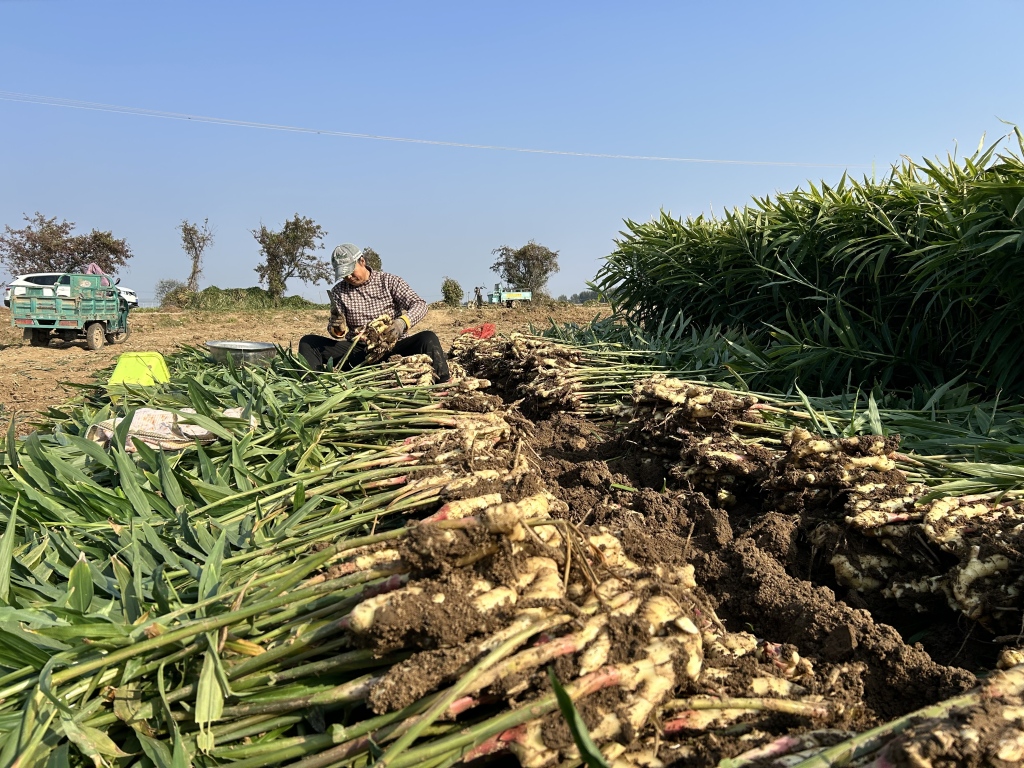
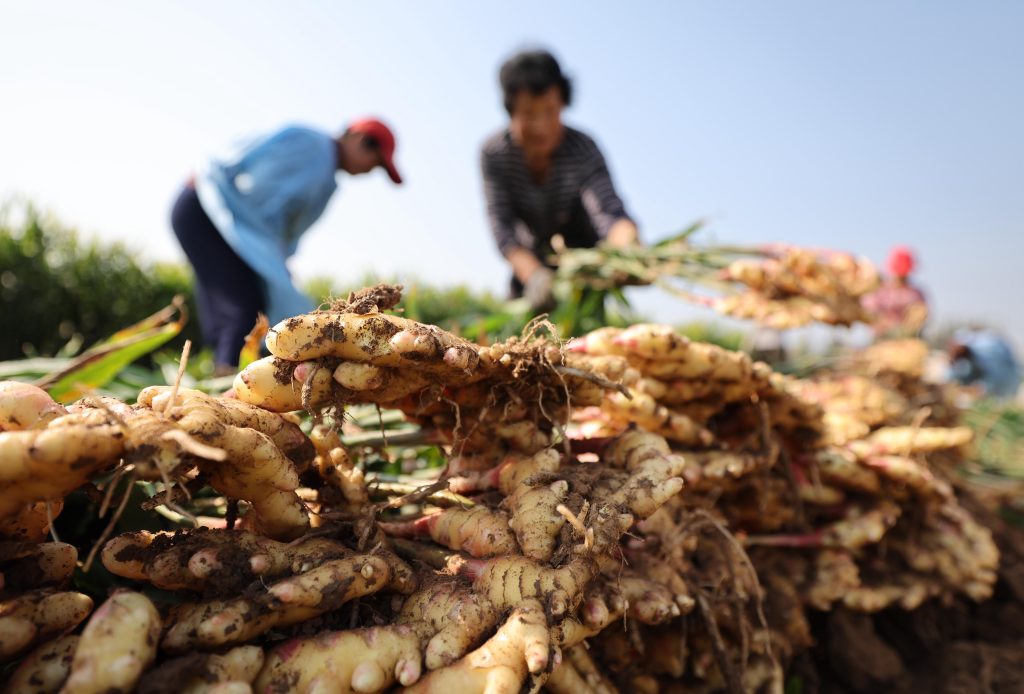
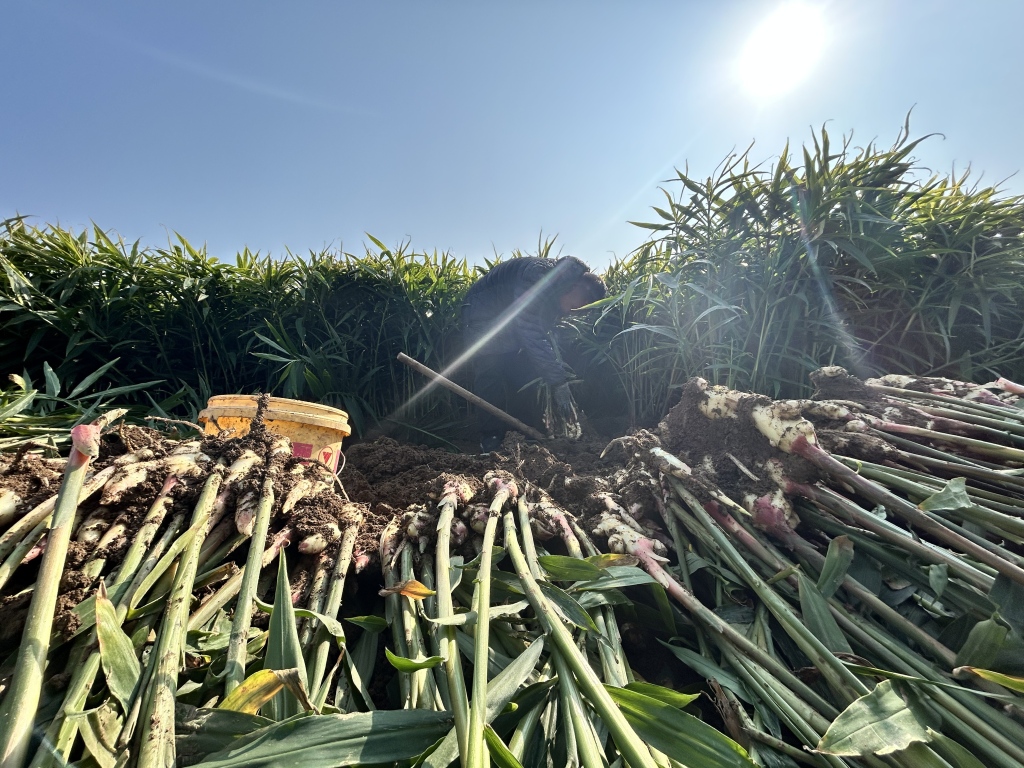
China has long been the world’s top ginger producer and exporter. Favorable climate, fertile soil, advanced agricultural techniques, and large-scale cultivation contribute to high-quality products.
Chinese ginger is widely recognized for:
- Strong aroma and pungency
- High gingerol content
- Firm texture and long shelf life
- Consistent size and appearance
- Year-round availability
These advantages make China the preferred source for international buyers seeking reliable supply.
2. Understanding Ginger Production Regions
Major ginger-producing regions in China:
- Shandong Province: Large-scale farming, standardized grading, suitable for bulk exports
- Fujian Province: Aromatic and pungent ginger, ideal for fresh markets and processing
- Guangdong Province: Early harvest, fresh ginger for immediate consumption
- Yunnan Province: Organic and specialty ginger
Knowing the origin helps buyers match product quality with target market requirements.
3. Types of Ginger Available
Chinese suppliers offer diverse ginger types:
- Fresh Ginger: Common for cooking, beverages, and medicinal purposes
- Air-Dried Ginger: Low moisture content, longer shelf life
- Dehydrated Ginger: Used in spice blends, beverages, and food processing
- Ginger Powder: Fine-milled, suitable for supplements and seasoning
- Organic Ginger: Certified organic, ideal for premium markets
Selecting the right type depends on your market and storage capabilities.
4. How to Find Reliable Suppliers
Choosing the right supplier is critical for successful sourcing.
4.1 Supplier Categories
- Direct farms
- Processing factories
- Trading/export companies
- Integrated agricultural groups
Each category offers different benefits depending on order volume, customization, and logistics requirements.
4.2 Supplier Evaluation
Key evaluation criteria:
- Valid business registration
- Export experience and track record
- Transparent pricing
- Stable supply capacity
- Product photos and sample availability
- Certifications (GlobalGAP, HACCP, Organic)
- Willingness to allow third-party inspection
5. Quality Standards That Influence Purchasing
High-quality ginger ensures better market acceptance. Typical quality parameters include:
- Size and weight consistency
- Skin condition: clean, intact, no cuts
- Aroma intensity and pungency
- Moisture content
- Color uniformity
- Shelf life
Clear specification reduces disputes and ensures consistent product delivery.
6. Packaging Solutions
Packaging preserves freshness and prevents damage:
- Mesh bags (5kg, 10kg, 20kg)
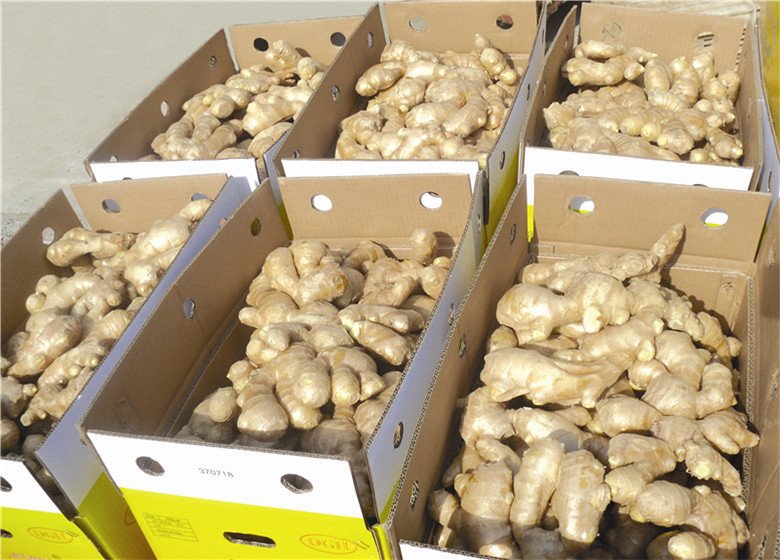
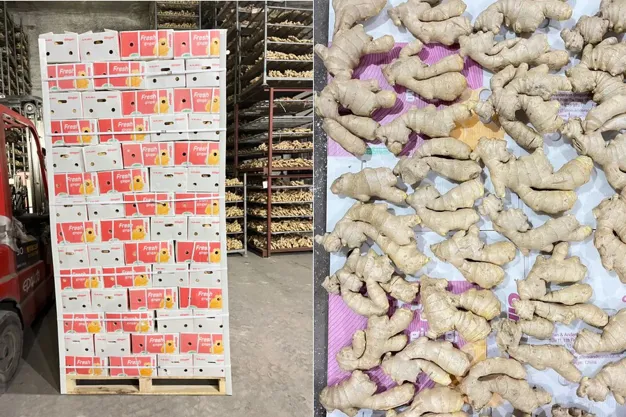
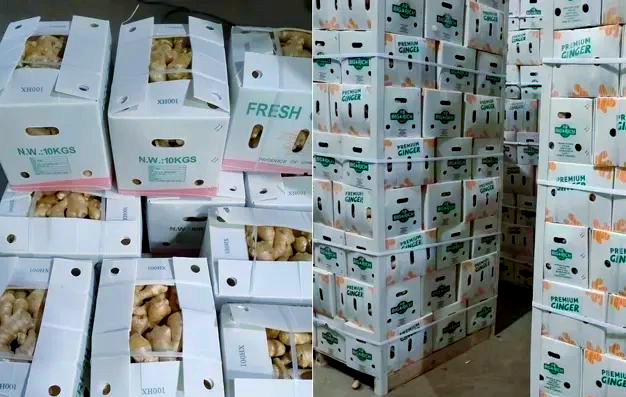
- Ventilated cartons
- Plastic crates for bulk orders
- Customized retail packaging for branding
Inner protection may include:
- Foam nets
- Paper lining
- Moisture absorbers
Professional suppliers often provide private-label packaging options.
7. Storage and Cold Chain Management
Proper storage is essential to maintain ginger quality:
- Temperature: 12–14°C
- Relative humidity: 65–75%
- Adequate ventilation
Refrigerated containers are essential for high-grade fresh ginger during long shipments.
8. Shipping and Logistics
8.1 Sea Freight
- Cost-effective for bulk orders
- Requires ventilated or temperature-controlled containers
8.2 Air Freight
- Faster delivery
- Higher cost per kg
- Suitable for urgent or premium shipments
8.3 Multimodal Shipping
- Combines sea, rail, and road transport
- Optimizes cost and speed
Experienced freight forwarders reduce risk and ensure timely delivery.
9. Documentation Required for Import
Necessary documents include:
- Commercial invoice
- Packing list
- Bill of lading
- Certificate of origin
- Phytosanitary certificate
- Fumigation certificate
- Insurance documents
Document costs may be included in supplier quotes, but buyers should verify all requirements for smooth customs clearance.
10. Understanding Pricing
Factors influencing ginger prices:
- Grade and size
- Seasonality
- Origin and quality
- Packaging type
- Transportation and cold chain requirements
- Certification and compliance costs
Average price ranges (indicative):
| Ginger Type | Price Range (USD/kg) | Notes |
|---|---|---|
| Fresh Ginger | $1.2 – $2.5 | Depends on grade and size |
| Air-Dried Ginger | $3.0 – $4.5 | Longer shelf life |
| Dehydrated Ginger | $4.0 – $6.5 | For processing |
| Ginger Powder | $5.5 – $8.0 | High-value |
| Organic Ginger | $6.5 – $10.0 | Certified organic |
11. Negotiation Tips
Negotiation should not focus solely on price:
- Discuss product specifications and tolerances
- Clarify packaging and shipping responsibilities
- Agree on lead time and batch sizes
- Include inspection and quality verification
- Secure favorable payment terms
Negotiation based on quality, volume, and service ensures long-term benefits.
12. Payment Options
Common payment methods:
- T/T (Telegraphic Transfer): Standard 30% deposit, 70% before shipment
- Letter of Credit (L/C): Secure for large orders, banking fees apply
- Escrow/Online Payments: Suitable for trial orders
Payment security often affects supplier willingness and pricing.
13. Contract Considerations
Contracts should include:
- Product specifications and tolerances
- Quantity and grading
- Packaging requirements
- Delivery schedule
- Inspection terms
- Payment terms
- Dispute resolution
- Force majeure clauses
Using recognized Incoterms (EXW, FOB, CIF, CFR, DDP) clarifies responsibilities and cost allocation.
14. Inspection and Quality Control
Pre-shipment inspections reduce risk:
- Check size, weight, and packaging
- Examine for mold or damage
- Verify moisture content
- Ensure label accuracy
Third-party inspections enhance confidence and minimize disputes.
15. Seasonal and Market Strategies
To optimize sourcing:
- Purchase in peak season for lower prices
- Plan off-season orders to account for storage costs
- Monitor global demand and currency trends
- Track local price fluctuations in producing regions
16. Risk Management in Sourcing
Potential risks:
- Quality inconsistency
- Mold or dehydration
- Delayed shipments
- Customs rejection
- Price volatility
Mitigation strategies:
- Clear contracts
- Pre-shipment inspection
- Cargo insurance
- Reliable logistics partners
- Trial orders before bulk purchase
17. Building Long-Term Supplier Relationships
Long-term relationships provide:
- Stable pricing
- Priority production slots
- Consistent quality
- Faster lead times
- Customized solutions
Professional sourcing focuses on mutual growth rather than one-time transactions.
18. Market Trends Affecting Ginger
- Growing demand for organic and high-quality ginger
- Expansion of functional food and beverage industries
- Health-conscious consumers driving demand for premium ginger
- Rising labor and shipping costs influencing supply
Suppliers adapt with better traceability, automation, and efficient logistics.
19. Tips for First-Time Buyers
- Start with small trial orders
- Request samples for quality assessment
- Verify supplier certifications
- Ensure clear communication
- Understand local import regulations
- Plan for seasonal price fluctuations
20. Summary
Sourcing ginger from China requires understanding:
- Pricing factors and trends
- Supplier selection and evaluation
- Quality control and inspections
- Packaging, storage, and logistics
- Contracts, payment terms, and risk management
Strategic sourcing ensures reliable supply, profitable trade, and high-quality products.
⭐⭐⭐⭐⭐ Customer Reviews
⭐⭐⭐⭐⭐
👤 Michael R. (🇺🇸 USA)
High-quality ginger, delivered on time, excellent service.
⭐⭐⭐⭐⭐
👤 Emma L. (🇬🇧 UK)
Smooth communication and fair pricing.
⭐⭐⭐⭐⭐
👤 Daniel M. (🇨🇦 Canada)
Consistent quality and prompt shipping.
⭐⭐⭐⭐⭐
👤 Lucas P. (🇧🇷 Brazil)
Fresh ginger, well-packed, highly recommended.
⭐⭐⭐⭐⭐
👤 Sophie D. (🇫🇷 France)
Excellent packaging and value for money.
⭐⭐⭐⭐⭐
👤 Ahmed K. (🇸🇦 Saudi Arabia)
Transparent pricing, reliable supply.
⭐⭐⭐⭐⭐
👤 Hassan N. (🇦🇪 UAE)
Long-term cooperation, competitive prices.
⭐⭐⭐⭐⭐
👤 Noah S. (🇦🇺 Australia)
Consistent quality, efficient delivery.
⭐⭐⭐⭐⭐
👤 Marco B. (🇮🇹 Italy)
High-quality ginger at fair prices.
⭐⭐⭐⭐⭐
👤 Peter V. (🇳🇱 Netherlands)
Reliable supplier, good cost-to-quality ratio.
⭐⭐⭐⭐⭐
👤 Carlos T. (🇪🇸 Spain)
Professional service, smooth logistics.
⭐⭐⭐⭐⭐
👤 Ivan K. (🇷🇺 Russia)
Fresh ginger, excellent moisture control.
⭐⭐⭐⭐⭐
👤 Yusuf A. (🇹🇷 Turkey)
Stable supply, fair pricing, highly recommended.
Article link:https://www.vlefooena.com/sourcing-ginger-from-china-a-complete-guide-for-global-buyers/


No reply content