A Changing Energy Landscape
Ten years ago, solar power was still considered a niche solution in many parts of the world. Today, it has become a practical and often necessary answer to rising electricity prices, unstable grids, and long-term sustainability goals. As demand for solar energy grows, so does the need for reliable suppliers who can deliver complete systems at scale.
For many buyers, China is the first country that comes to mind when sourcing solar power equipment. But behind the attractive pricing and broad product selection lies a complex procurement process that rewards preparation and punishes shortcuts. Importing solar equipment is not just a transaction—it is a long-term operational decision.
This article shares practical insights drawn from real sourcing experience, focusing on how buyers can approach the Chinese solar manufacturing market with clarity and confidence.
Why First Impressions Can Be Misleading
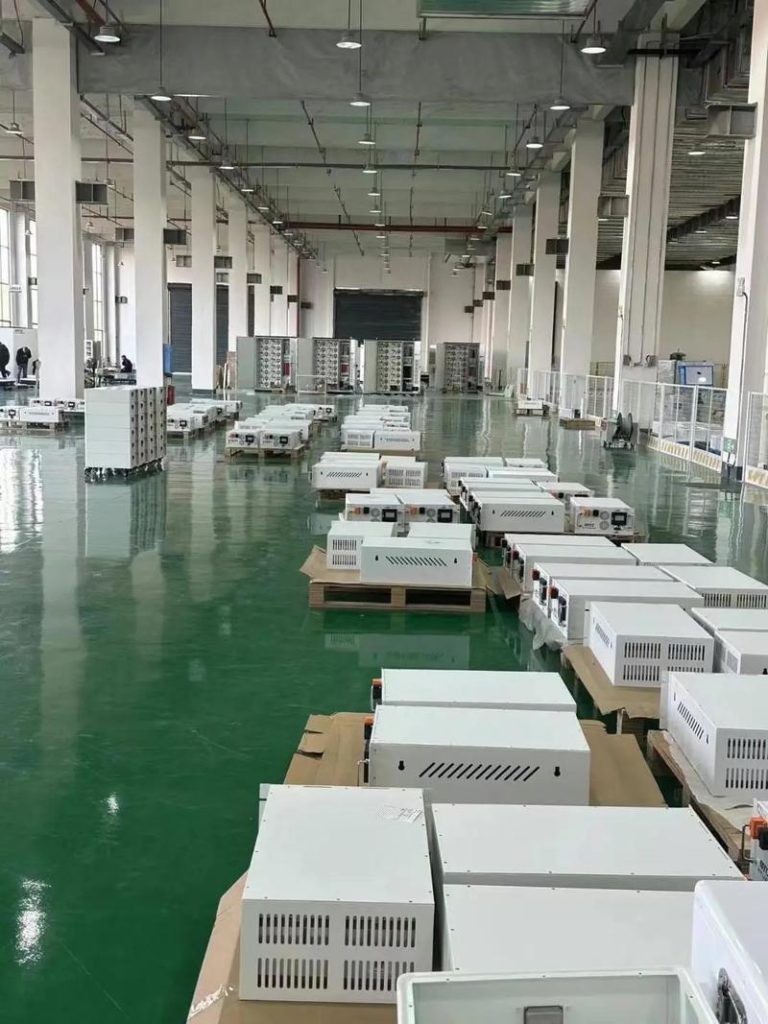
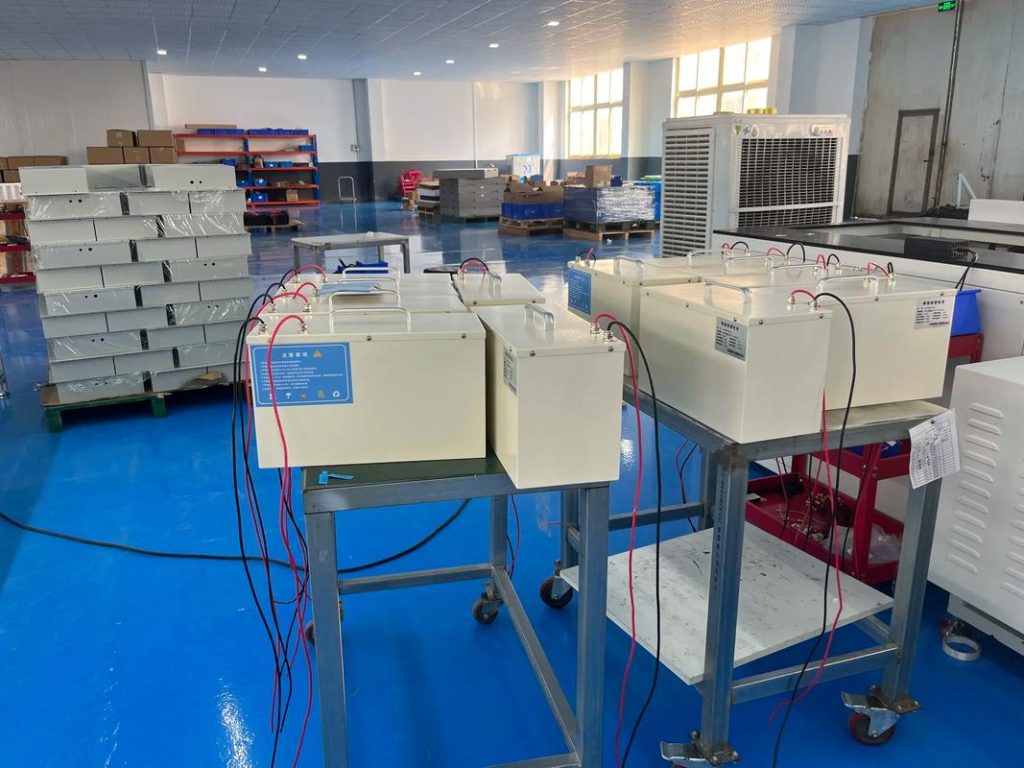
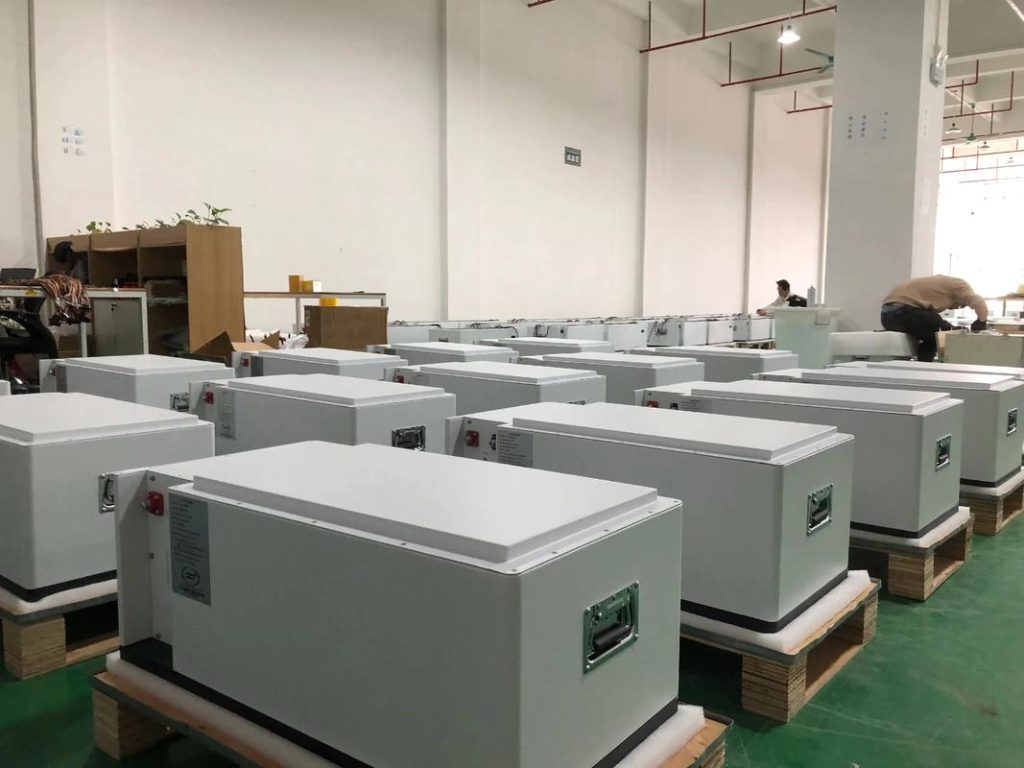
At first glance, many solar products from China look similar. Product photos often show identical cabinet designs, panel layouts, and technical labels. Catalogs are filled with impressive specifications, high efficiency numbers, and long warranty claims.
However, experienced buyers quickly learn that appearance alone tells very little.
Two solar systems with similar specifications can perform very differently over time. Differences often come from details that are not obvious on a datasheet—such as component sourcing, internal wiring standards, firmware stability, and quality control discipline.
Understanding this early can save buyers from costly mistakes later.
The Reality of China’s Solar Manufacturing Strength
China’s advantage in solar manufacturing is not just about low labor costs. In fact, labor is only a small part of modern solar production.
The real strength lies in:
- Highly concentrated supply chains
- Mature manufacturing processes
- Rapid iteration of product designs
- Strong engineering talent in power electronics and battery systems
Many factories are capable of producing equipment for both domestic and international markets. The difference lies in how they configure products, apply quality standards, and manage compliance.
Buyers who understand this structure are better positioned to select the right partners.
System Thinking: A Critical Mindset for Importers
One of the most important lessons in solar procurement is learning to think in systems rather than individual products.
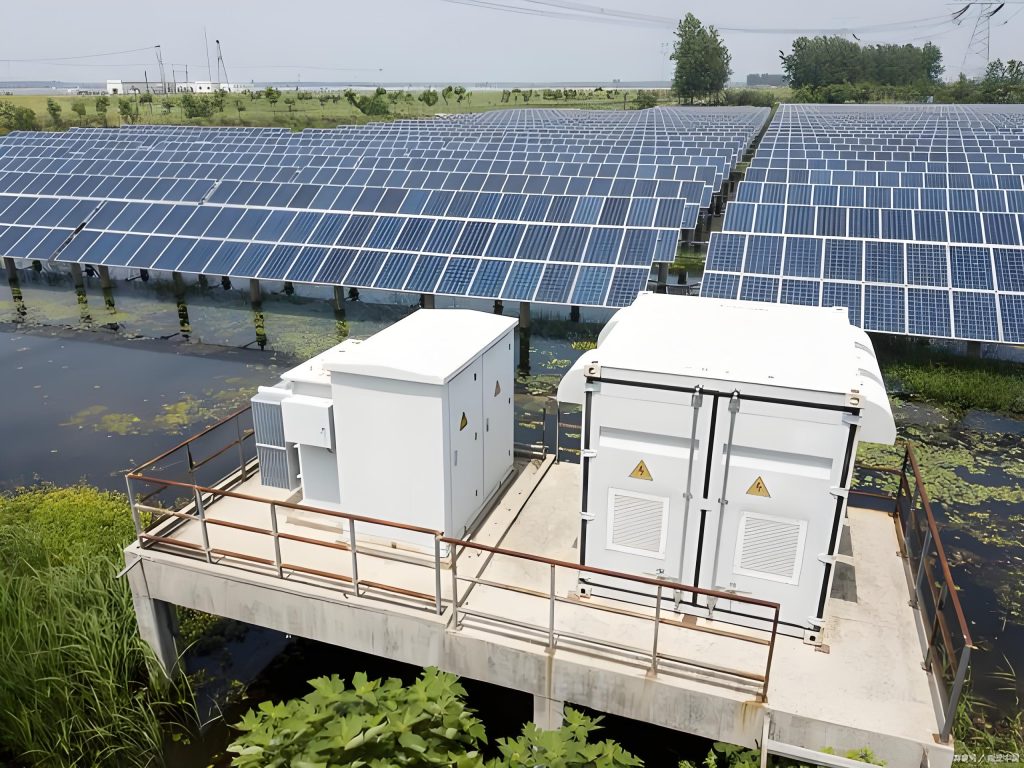
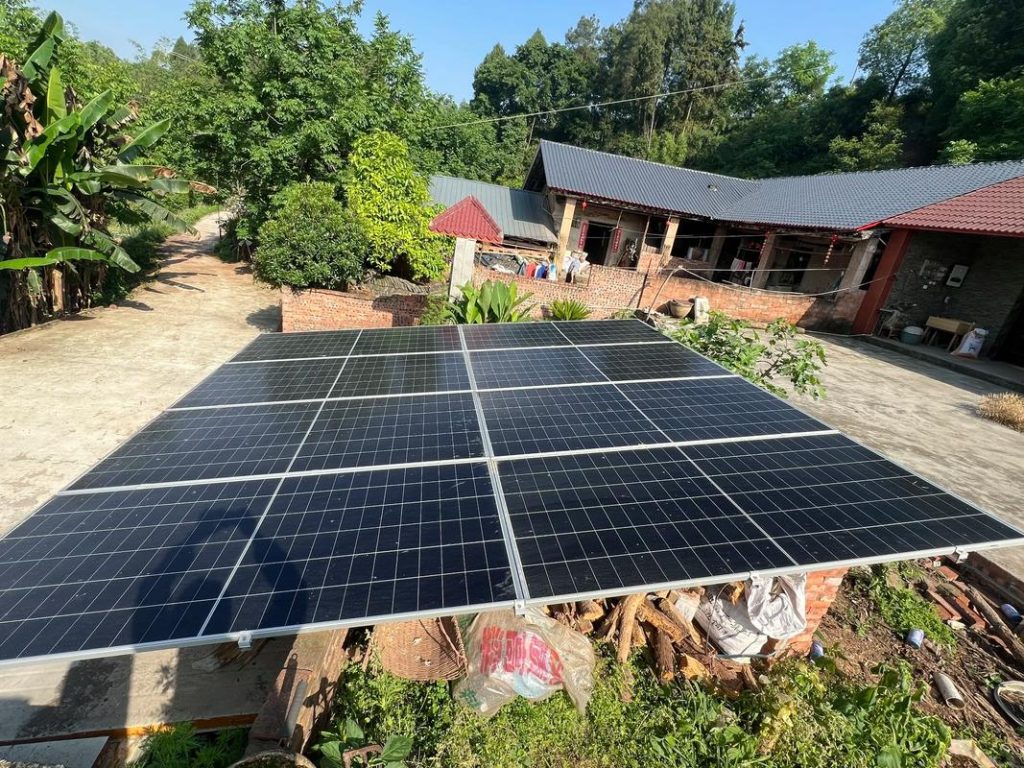
A solar power setup includes:
- Power generation
- Power conversion
- Energy storage
- Monitoring and protection
- Mechanical support and installation logic
If any one of these elements is mismatched, overall system performance suffers. For example, a high-quality battery paired with a poorly programmed inverter can lead to inefficient charging, unnecessary degradation, or even system shutdowns.
Importers who approach sourcing with a system mindset tend to ask better questions and receive more suitable solutions.
Communication: Where Many Deals Go Wrong
Language barriers are not the biggest communication challenge in solar sourcing. The real issue is assumption.
Buyers may assume that:
- The factory understands their local grid conditions
- The default configuration suits their climate
- Certification requirements are universal
Suppliers, on the other hand, may assume:
- The buyer knows what they want
- Price is the top priority
- Standard models are acceptable
Clear communication requires structured discussions, not just casual messages. Providing application scenarios, target markets, and installation environments helps manufacturers propose more accurate configurations.
Customization Is Common, But Not Always Simple
One advantage of sourcing from China is the availability of customization. Voltage ranges, battery capacity, enclosure design, communication protocols, and branding can often be adjusted.
However, customization always involves trade-offs:
- Longer lead times
- Higher minimum order quantities
- Additional testing requirements
Experienced buyers evaluate whether customization truly adds value or simply increases complexity. In many cases, optimizing a standard configuration is more effective than fully redesigning a product.
Pricing Beyond the Quotation Sheet
A quotation is only the starting point of cost analysis.
Real costs include:
- Failure rates
- Replacement logistics
- Downtime losses
- Warranty claim handling
- Technical support availability
A supplier offering a slightly higher price but stable performance often delivers better long-term returns. Solar equipment operates for years, sometimes decades. Decisions made during procurement echo throughout the system’s lifetime.
Quality Control as a Shared Responsibility
Quality control is not something buyers can outsource entirely. While factories perform internal inspections, buyers who take an active role in defining acceptance standards experience fewer disputes.
Effective quality control includes:
- Clear technical specifications
- Agreed testing procedures
- Documented inspection checkpoints
- Traceability for critical components
This approach shifts quality from a reactive problem to a proactive process.
Shipping and Handling: An Underestimated Risk
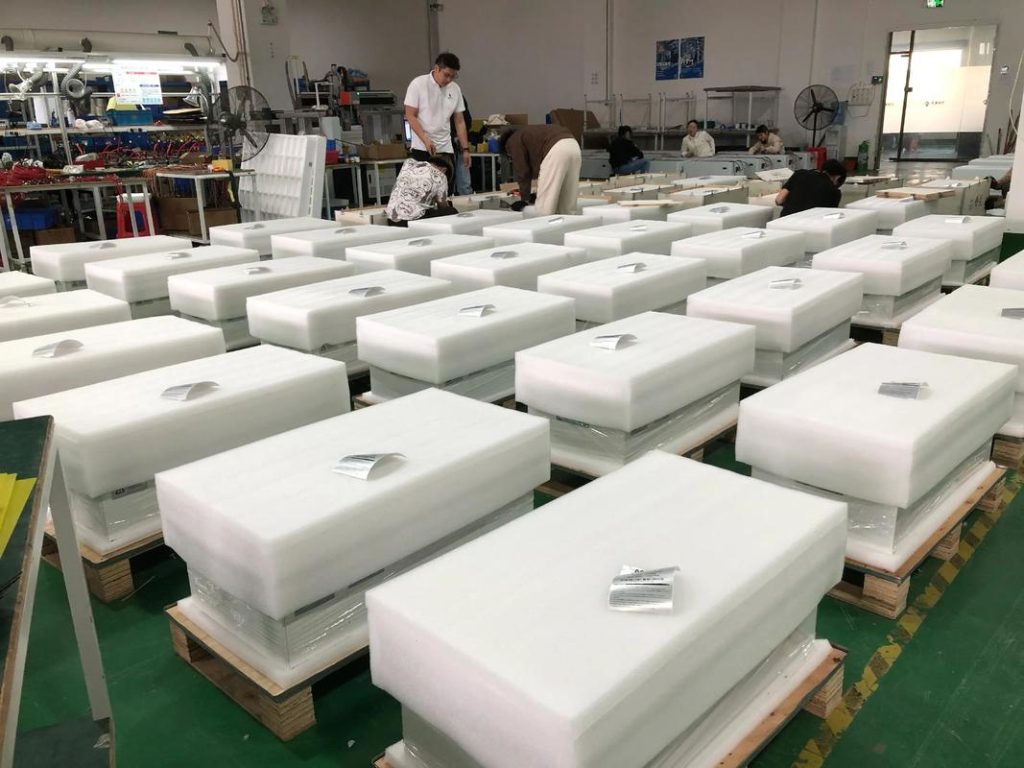
Solar equipment is sensitive to physical stress, especially batteries and inverters. Damage during transport can occur even when products leave the factory in perfect condition.
Practical buyers pay attention to:
- Internal packaging design
- Vibration protection
- Moisture control
- Container loading plans
Shipping costs are visible, but shipping risks are often hidden until it is too late.
Compliance Is a Market Gatekeeper
In many regions, solar projects are subject to strict regulatory oversight. Importing non-compliant equipment can delay projects or make installations unusable.
Compliance considerations include:
- Electrical safety standards
- Grid interconnection rules
- Fire safety regulations
- Environmental requirements
Rather than treating compliance as a checkbox, successful importers integrate it into supplier selection from the start.
After-Sales Support Defines the Relationship
The true test of a solar supplier often begins after delivery. Firmware updates, system optimization, and troubleshooting support determine whether a partnership survives its first year.
Buyers should observe:
- How quickly technical questions are answered
- Whether documentation is clear and practical
- If spare parts are readily available
- How warranty claims are handled
Suppliers who invest in after-sales support tend to build stronger reputations and longer partnerships.
Mistakes That Shape Better Buyers
Every experienced importer has stories of early mistakes—misjudged suppliers, underestimated logistics, or misunderstood requirements. These mistakes are costly, but they also shape better decision-making.
The most successful buyers are not those who avoid all mistakes, but those who learn quickly and refine their processes.
The Long-Term Value of Strategic Sourcing
Solar energy is a long-term industry. Equipment lifespans extend well beyond typical consumer products, and system performance impacts energy costs for years.
Strategic sourcing focuses on:
- Stability over speed
- Compatibility over novelty
- Trust over short-term savings
When approached with this mindset, sourcing solar power equipment from China becomes not just viable, but highly competitive.
Final Thoughts
China remains one of the most important sources of solar power equipment in the world. For buyers willing to invest time in understanding systems, suppliers, and processes, the opportunities are significant.
Success lies not in chasing the cheapest offer, but in building informed, structured, and sustainable sourcing strategies. With careful planning and realistic expectations, importing solar equipment from China can support reliable energy projects and long-term business growth.
Article link:https://www.vlefooena.com/sourcing-solar-power-systems-from-china-lessons-learned-from-real-import-experience/


No reply content