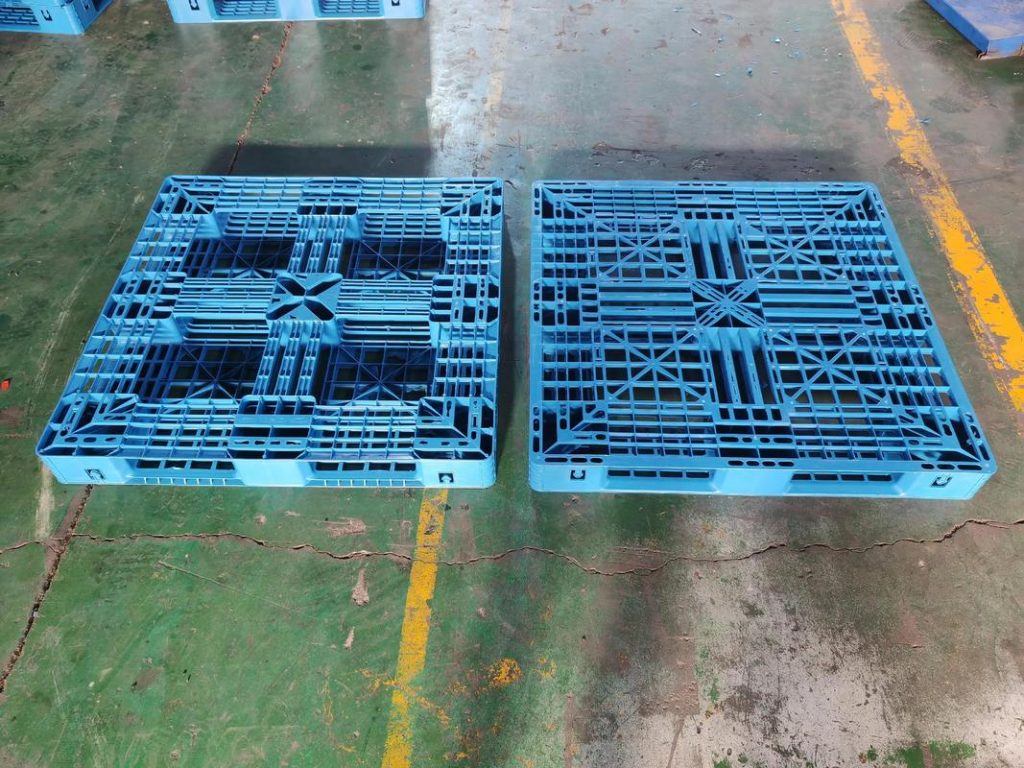
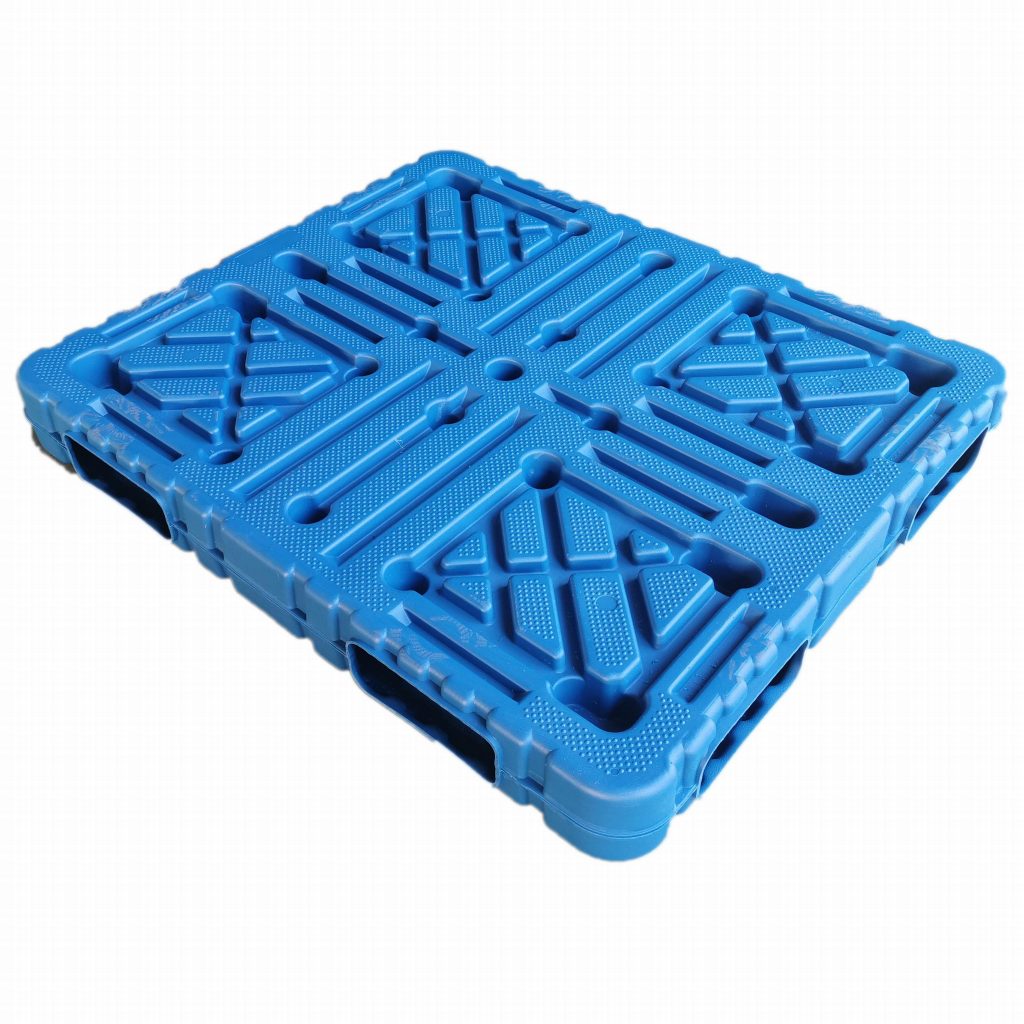
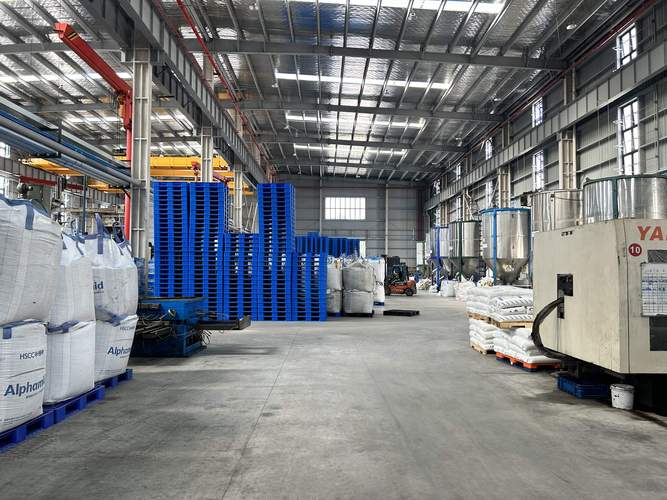
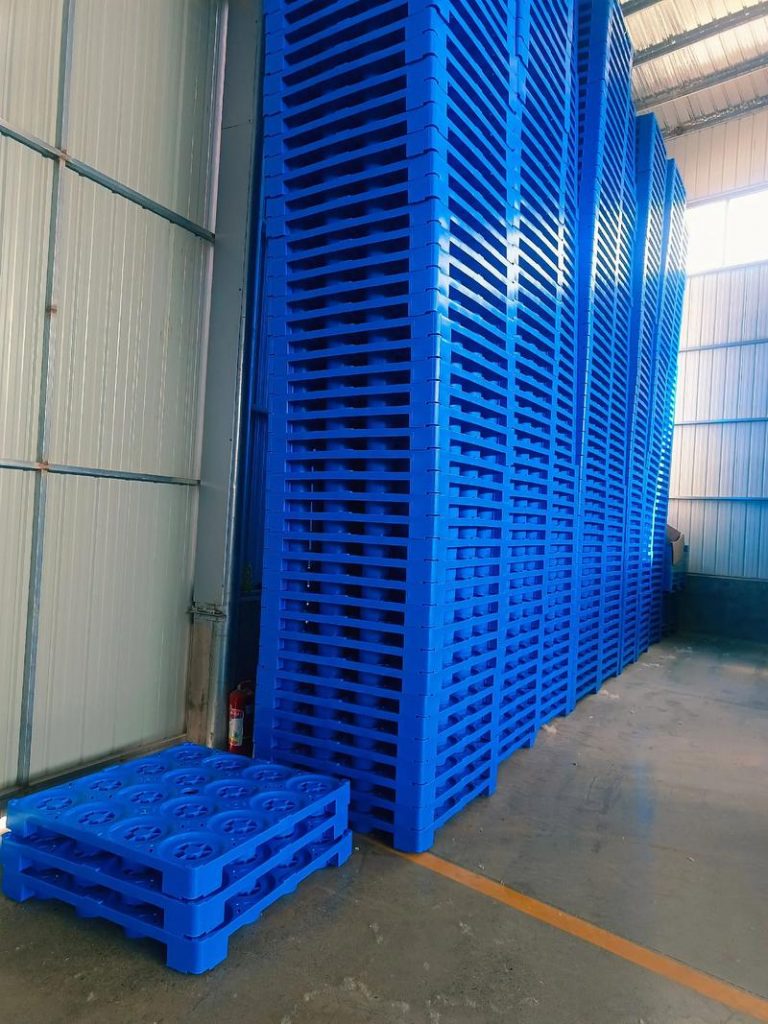
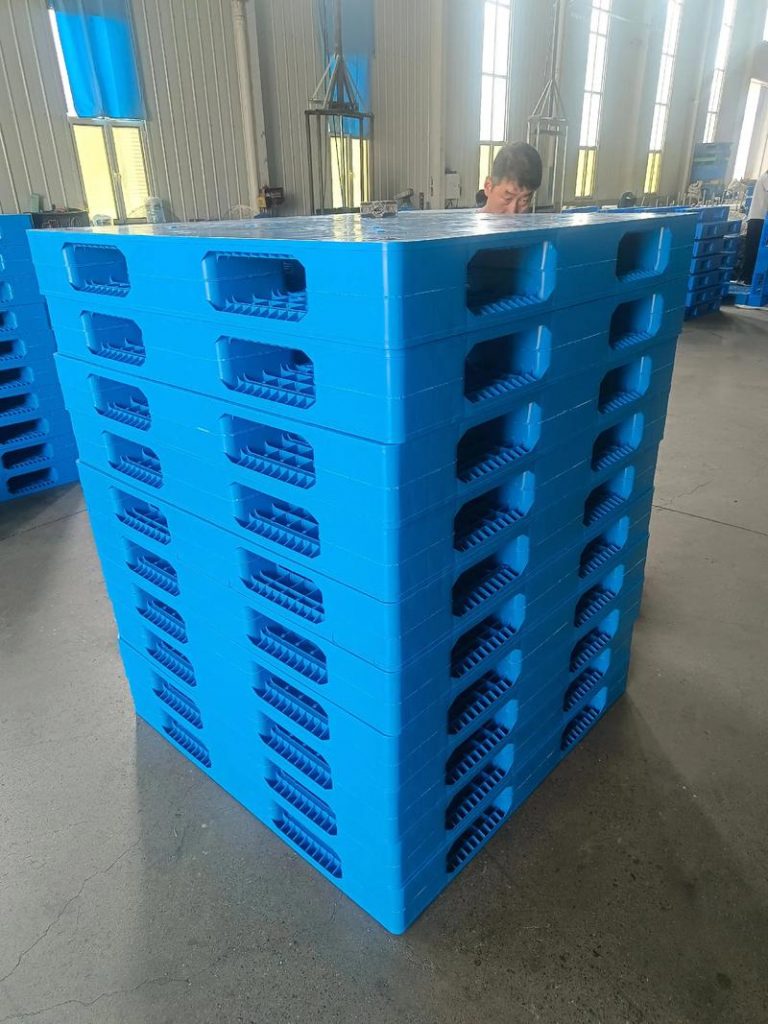
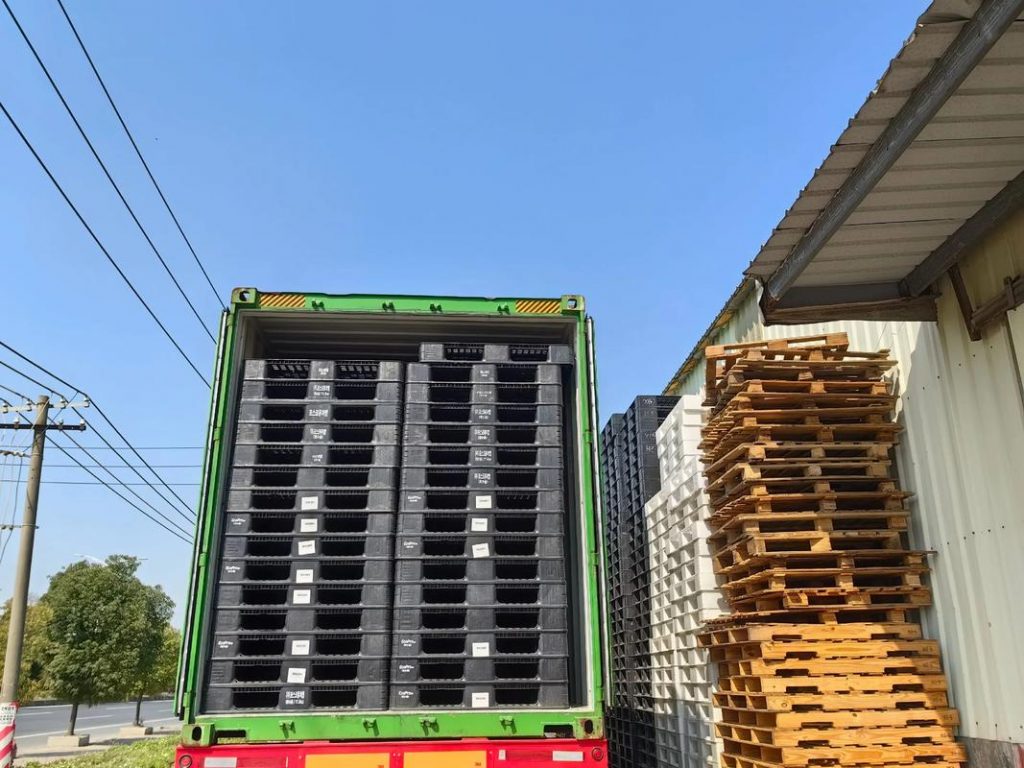
In an era where real estate costs for warehouses and distribution centers continue to rise, and supply chains demand ever-higher efficiency, storage optimization has transitioned from a secondary concern to a strategic priority. Every square foot of warehouse space must work harder, and equipment that wastes space—even inadvertently—becomes a liability. Traditional pallets, particularly wooden ones, often exacerbate this issue: they are bulky when empty, difficult to stack securely, and prone to taking up valuable vertical and horizontal space. Enter the space-saving stackable blue plastic pallet: a purpose-engineered solution designed to minimize footprint, maximize storage density, and streamline operations. This article explores how this innovative pallet transforms storage efficiency through intelligent design, material science, and practical functionality.
Part 1: The Engineering Behind Space-Saving Stackability
1.1 Nestable vs. Stackable: Two Mechanisms for Space Reduction
-
Nestable Design: When empty, the pallet’s upper deck features depressions or cutouts that allow it to “nest” inside another pallet of the same model. This reduces the height of a stack of 10 empty pallets from ~1,500mm to just ~300mm—saving up to 75% of vertical storage space. Nestable pallets are ideal for facilities with limited empty-pallet storage areas (e.g., 3PL hubs, retail backrooms).
-
Stackable Design: When loaded, these pallets are engineered to stack securely on top of one another, often with reinforced top decks and interlocking feet to prevent shifting. Stack heights of 4–6 pallets are common, depending on load weight, maximizing vertical storage in high-bay warehouses.
1.2 The Role of Color: Why “Blue”?
-
Visibility: Blue stands out against most warehouse backgrounds (concrete floors, steel racking), making pallets easy to locate during inventory checks.
-
Brand Consistency: A uniform color simplifies fleet management, especially in multi-user facilities or closed-loop systems.
-
Psychological Association: Blue is often linked to professionalism and reliability, reinforcing the pallet’s role as a trusted industrial tool.
1.3 Structural Reinforcements for Stable Stacking
-
Reinforced Top Decks: Thickened ribs or solid surfaces prevent sagging when stacked, distributing weight evenly.
-
Interlocking Feet: Cylindrical or conical feet on the bottom deck align with recesses on the top deck of the pallet below, reducing lateral movement.
-
Uniform Dimensions: Precision molding ensures all pallets in a batch are identical, eliminating gaps that could compromise stack stability.
Part 2: Material Science: The Foundation of Durability and Space Efficiency
2.1 HDPE/PP: Lightweight Yet Unbreakable
-
Lower Freight Costs: Empty pallets take up less weight-based shipping capacity, reducing transport expenses.
-
Easier Manual Handling: Lighter weight allows workers to move empty pallets manually, avoiding forklift traffic and freeing up equipment for loaded tasks.
2.2 One-Piece Injection Molding: No Weak Points
-
Loose Components: No nails or screws to fall out, reducing contamination risks and injury hazards.
-
Structural Weaknesses: Seams and joints are common failure points in multi-part pallets; a one-piece design ensures uniform strength.
2.3 Resistance to Environmental Stress
-
Moisture: HDPE/PP are non-porous, resisting rot, mold, and swelling. This is critical for cold storage (where condensation is common) or outdoor storage.
-
Chemicals: They repel oils, acids, and cleaning agents, making them suitable for化工, food, and pharmaceutical environments.
-
UV Exposure: UV-stabilized grades prevent fading and brittleness, even in sunlit yards.
Part 3: Core Advantages Over Traditional Pallets
3.1 Maximized Storage Density
-
Empty Storage: Nestable designs reduce empty-pallet stacks by 70–80%, freeing up floor space for other uses (e.g., workstations, temporary storage).
-
Loaded Storage: Secure stacking allows warehouses to utilize vertical space, increasing storage capacity by 30–50% without expanding square footage.
3.2 Enhanced Workplace Safety
-
Stable Stacks: Interlocking feet and reinforced decks prevent stacks from toppling, reducing accident risks.
-
No Sharp Edges: Smooth, rounded corners eliminate splinters and puncture hazards common with wood.
3.3 Lower Total Cost of Ownership (TCO)
3.4 Hygienic and Easy to Clean
Part 4: Key Applications Across Industries
4.1 Warehousing & Distribution Centers
-
High-Bay Racking: Stackable designs enable safe storage of 4–6 pallets high, maximizing vertical space in narrow-aisle warehouses.
-
Cross-Docking: Nestable empty pallets reduce staging area clutter, accelerating truck turnaround times.
4.2 Retail & E-Commerce Fulfillment
-
Back-of-Store Storage: Limited space in supermarkets or retail warehouses benefits from nested empty pallets.
-
Parcel Sorting: Lightweight plastic pallets are easy to move manually, speeding up sorting and packing processes.
4.3 Manufacturing & Just-in-Time (JIT) Production
-
Line-Side Storage: Stackable pallets hold components near assembly lines, reducing material handling time.
-
Returnable Packaging: Durable plastic pallets integrate into closed-loop systems for reusable packaging, cutting waste.
4.4 Cold Chain & Food Logistics
-
Refrigerated Warehouses: Moisture resistance prevents warping in sub-zero temperatures; grid decks drain condensation.
-
Perishable Goods: Easy cleaning meets FDA/EFSA hygiene standards for fruits, vegetables, and dairy.
4.5 Export & Global Shipping
-
Container Loading: Nestable pallets reduce empty-container weight, allowing more loaded pallets per shipment.
-
ISPM 15 Exemption: Plastic avoids wood’s fumigation requirements, eliminating delays and costs for international trade.
Part 5: Selecting the Right Stackable Blue Plastic Pallet
5.1 Load Requirements
-
Dynamic Load: Weight while moving (forklift/pallet jack). Ensure it exceeds your heaviest unit load.
-
Static Load: Weight in storage. For stacking, choose pallets rated for 4x dynamic load.
-
Stack Load: Check the manufacturer’s recommended stack height (e.g., 4-high, 6-high) and ensure it aligns with your racking system.
5.2 Stacking Mechanism
-
Nestable Only: Ideal for facilities with high turnover of empty pallets (e.g., 3PLs).
-
Stackable Only: Best for high-bay storage with consistently loaded pallets.
-
Hybrid (Nestable + Stackable): Most versatile for mixed-use environments.
5.3 Deck Type
-
Grid Deck: Open-lattice design for ventilation, drainage, and debris shedding (perishables, wet environments).
-
Solid Deck: Seamless surface for stability with bagged goods or automated systems.
5.4 Environmental Adaptability
-
Temperature Range: Select HDPE for cold storage (-40°C) or PP for moderate heat (80°C).
-
Chemical Exposure: Confirm resistance to acids, oils, or solvents in your facility.
Conclusion: Investing in Space, Efficiency, and Longevity
-
Higher storage density (up to 50% more space utilization),
-
Lower TCO (40–60% savings over 5 years),
-
Improved safety and compliance.
Article link:https://www.vlefooena.com/space-saving-stackable-blue-plastic-pallets-the-ultimate-tool-for-optimized-storage/


No reply content