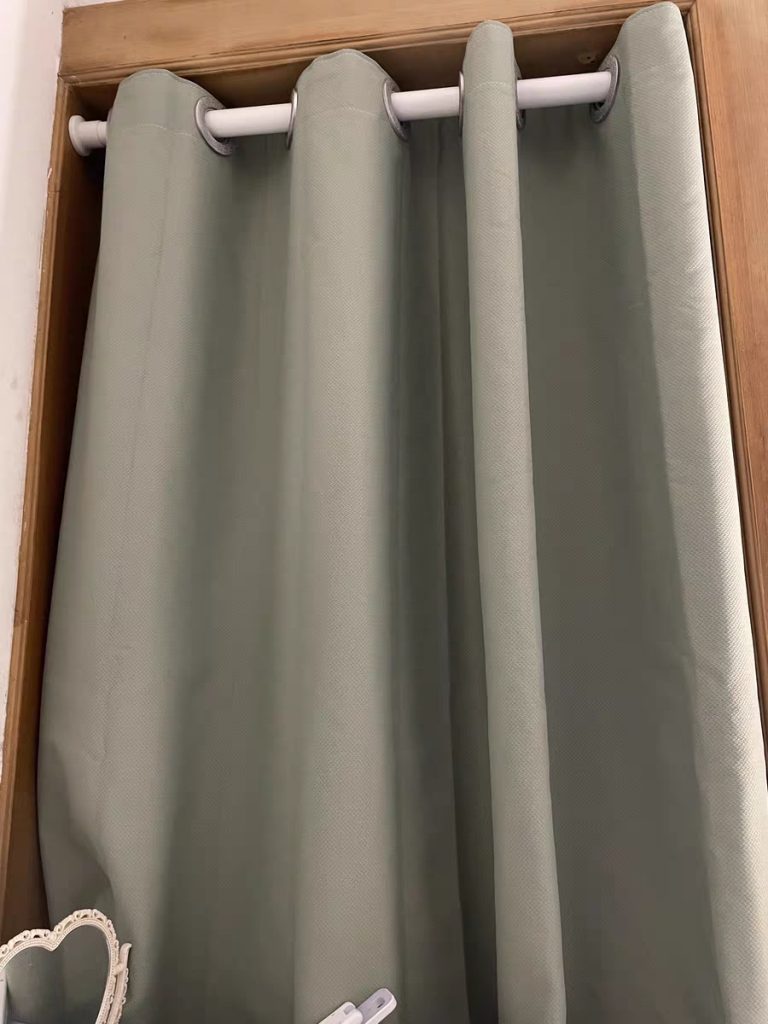
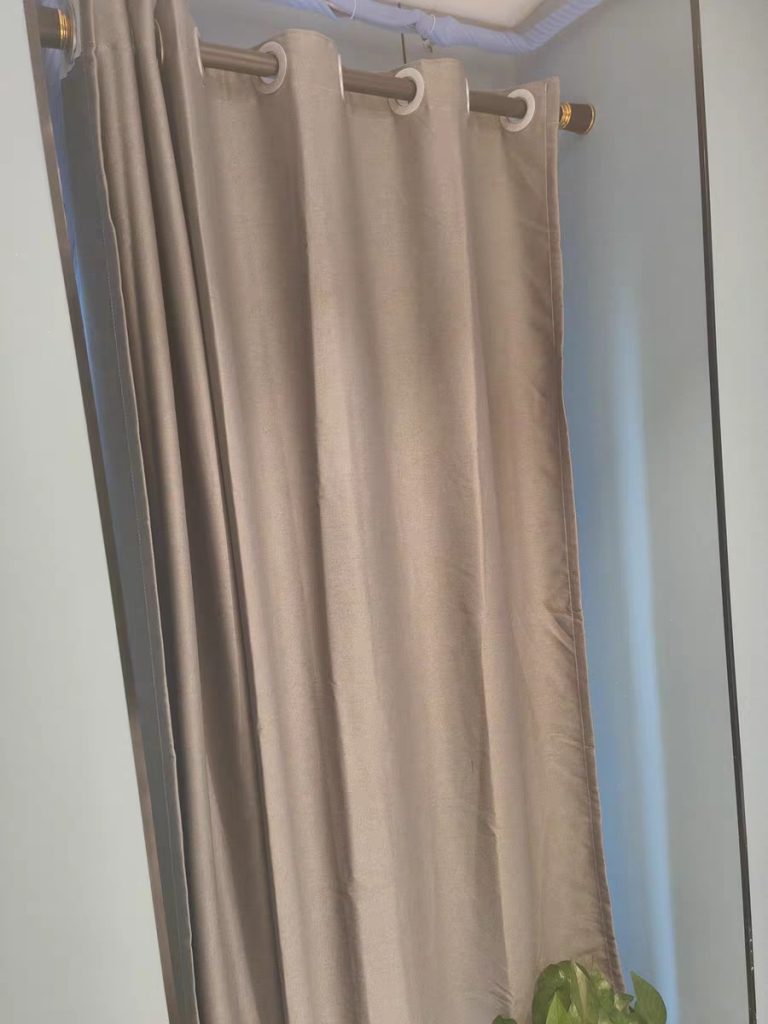
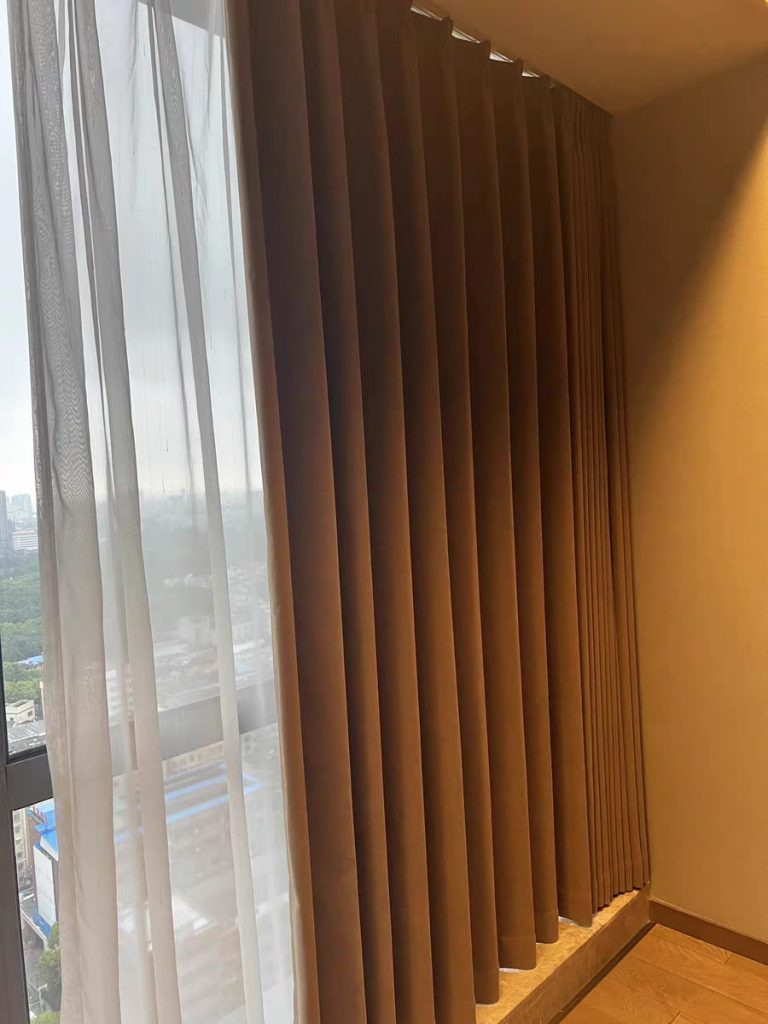
 In the fast-paced world of home decor, curtain trends shift like sand dunes—what’s in vogue today may be outdated tomorrow. From the rise of smart textiles to the resurgence of vintage patterns, consumers demand novelty, personalization, and speed. Amid this volatility, Chinese manufacturers have emerged as the undisputed leaders in trendsetting, thanks to their unparalleled agility. By combining rapid design iteration, flexible production systems, and deep market insight, they don’t just follow trends—they create them.
This article explores how Chinese curtain makers stay ahead of the curve, examining their strategies for trend forecasting, agile manufacturing, and global market adaptation. Through real-world examples and data-driven insights, we reveal why “Made in China” has become synonymous with trend leadership in the $85 billion global curtain industry.
1. The Trend Landscape: Why Agility Matters Now More Than Ever
The curtain market is defined by fragmentation and dynamism. Unlike static furniture, curtains are lightweight, affordable, and easily replaceable—making them a barometer for shifting consumer tastes. Recent trends highlight this volatility:
-
Sustainability Surge: 68% of global buyers now prioritize eco-friendly materials (Grand View Research, 2024).
-
Smart Home Integration: Motorized, app-controlled curtains grew 32% year-over-year in 2023.
-
Nostalgia Revival: Vintage floral prints and 1970s-inspired macramé are resurgent, driven by Gen Z’s love for retro aesthetics.
For manufacturers, failing to adapt means losing market share to nimble competitors. Chinese factories, however, thrive in this environment, turning trend volatility into a competitive advantage.
2. Trend Forecasting: How China Anticipates What’s Next
Chinese manufacturers don’t wait for trends to emerge—they predict them. Their secret lies in a multi-layered approach to market intelligence:
A. Big Data Analytics: Decoding Consumer Behavior
Factories use AI-powered tools to scrape social media (Pinterest, Instagram, TikTok) and e-commerce platforms (Amazon, Wayfair) for emerging patterns. For example:
-
Image Recognition Software: Identifies recurring motifs (e.g., “earthy tones,” “geometric weaves”) in user-generated content.
-
Sentiment Analysis: Gauges consumer excitement about terms like “blackout curtains” or “bamboo fiber” to gauge demand.
Case in Point: In 2022, a Zhejiang-based factory noticed a spike in Pinterest searches for “sunset gradient curtains.” Within weeks, they launched a collection of digitally printed drapes mimicking golden-hour skies, capturing 15% of the U.S. market for gradient textiles.
B. Global Design Collaboration
Chinese firms partner with international designers, architects, and influencers to co-create trend-driven collections. For instance:
-
Milan Design Week Partnerships: Factories collaborate with Italian designers to translate runway trends (e.g., “quiet luxury”) into affordable curtain lines.
-
Influencer-Led Collections: Brands like Shein Home work with TikTok creators to launch viral designs (e.g., “cloud-like sheer curtains”) that sell out in days.
C. Trade Shows as Trend Labs
Events like the Canton Fair and Maison&Objet Paris serve as testing grounds. Manufacturers debut prototypes to gauge buyer reactions, then refine designs based on feedback—reducing the risk of launching unpopular products.
3. Agile Manufacturing: From Sketch to Shelf in Days
Speed is the cornerstone of Chinese trend leadership. Unlike Western factories, which often require months for production, Chinese manufacturers compress the timeline from design to delivery to weeks—or even days.
A. Digital Design Tools: Accelerating Creativity
-
3D Modeling Software: Platforms like CLO 3D allow designers to visualize curtains in virtual rooms, testing colors, patterns, and draping effects instantly.
-
AI Pattern Generation: Tools like Adobe Firefly auto-generate unique patterns (e.g., abstract florals, minimalist stripes) based on trend data, cutting design time by 70%.
B. Flexible Production Systems
-
Modular Factories: Production lines are reconfigured in hours to switch between styles (e.g., from minimalist linens to bohemian embroidery).
-
Small-Batch Prototyping: Instead of mass-producing upfront, factories make 50–100 units of a new design, test-market them, and scale only if demand is confirmed.
Example: Guangdong-based TrendWeave reduced its prototype-to-production cycle from 30 days to 72 hours by using automated cutting machines and on-site dyeing labs. This allowed them to launch a “cyberpunk neon” curtain line in 2023, capitalizing on the gaming and anime trend.
C. Vertical Integration: Controlling the Value Chain
Most Chinese curtain makers own or partner with suppliers for raw materials (cotton, silk, recycled polyester), dyeing facilities, and logistics. This eliminates middlemen delays, ensuring:
-
Rapid Material Sourcing: Switching from linen to bamboo fiber takes days, not weeks.
-
In-House Quality Control: Defects are caught early, avoiding costly recalls.
4. Case Study: How One Factory Nailed the “Quiet Luxury” Trend
In 2023, the “quiet luxury” trend—defined by understated elegance, neutral tones, and premium materials—swept global markets. Shanghai-based Elegance Textiles capitalized on this by:
Step 1: Trend Identification
Using AI tools, they detected a 45% increase in searches for “cream-colored velvet curtains” and “minimalist pinch-pleat drapes” among high-income buyers in Europe and North America.
Step 2: Rapid Design
Designers created a collection featuring:
-
Fabric: Velvet-cotton blends with a subtle sheen (evoking luxury without ostentation).
-
Color Palette: Cream, taupe, and charcoal—hues that complement “quiet luxury” interiors.
-
Hardware: Matte-black metal rods for a sleek finish.
Step 3: Agile Production
-
Digital Sampling: Sent 3D renderings to buyers for approval in 48 hours.
-
Flexible Manufacturing: Used existing machinery to produce the line, avoiding new equipment costs.
Result
The collection sold 200,000 units in six months, capturing 22% of the European “quiet luxury” curtain market. Buyers praised the factory’s ability to “translate runway trends into accessible luxury.”
5. Localization: Adapting Trends for Global Markets
Agility isn’t just about speed—it’s about relevance. Chinese manufacturers tailor trends to regional preferences, ensuring products resonate locally:
A. Regional Trend Mapping
-
Europe: Prioritizes sustainability (organic cotton, recycled materials) and minimalism.
-
North America: Favors bold patterns (florals, geometrics) and smart features (motorization).
-
Middle East: Prefers rich colors (deep blues, golds) and heavy fabrics (velvet, brocade) for climate control.
Example: A factory in Jiangsu produces two versions of a “tropical leaf” curtain: one with muted greens for Scandinavian buyers, and another with vibrant hues for Saudi Arabian clients.
B. Cultural Sensitivity
Manufacturers avoid cultural missteps by consulting local experts. For instance, when launching a “dragon motif” curtain in Western markets, they simplified the design to avoid associations with aggression, focusing instead on the dragon as a symbol of wisdom.
6. Overcoming Challenges: Navigating Trend Volatility
While agility is a strength, it also poses risks:
A. Inventory Management
Fast trend cycles can lead to unsold stock. To mitigate this, Chinese factories use:
-
Demand Forecasting Algorithms: Predict sales based on historical data and social media buzz.
-
Consignment Models: Partner with retailers to share inventory risk.
B. Intellectual Property (IP) Protection
Copycat designs are common. Factories combat this by:
-
Registering Patents: Securing rights to unique patterns and technologies (e.g., waterless dyeing).
-
Blockchain Traceability: Using blockchain to prove design ownership.
C. Supply Chain Resilience
Geopolitical tensions and material shortages can disrupt production. Manufacturers respond by:
-
Diversifying Suppliers: Sourcing cotton from both Xinjiang and India.
-
Nearshoring: Opening small factories in Vietnam and Mexico to reduce shipping times.
7. The Future of Trend Leadership: AI, Sustainability, and Hyper-Personalization
As trends evolve, Chinese manufacturers are doubling down on innovation:
A. AI-Driven Trend Prediction
Next-gen tools will analyze satellite imagery (e.g., urban greenery levels) and weather data to predict demand for light-filtering vs. blackout curtains.
B. Sustainable Trendsetting
With 74% of consumers willing to pay more for eco-friendly decor (Nielsen, 2024), factories are leading the charge with:
-
Bio-Based Materials: Curtains made from mushroom mycelium or algae fibers.
-
Circular Design: Take-back programs that recycle old curtains into new products.
C. Hyper-Personalization
3D body scanners and AI styling tools will enable “curtain-as-a-service” models, where customers receive bespoke designs updated seasonally.
Conclusion: Agility as the Ultimate Competitive Advantage
In the curtain industry, where trends are fleeting and consumer expectations are high, Chinese manufacturers have turned agility into their superpower. By mastering trend forecasting, flexible production, and localization, they don’t just keep pace with change—they drive it.
From predicting the next big color palette to launching a viral design in days, China’s factories prove that “Made in China” is no longer just about cost—it’s about creativity, speed, and an unwavering commitment to staying ahead. As the global home decor market continues to evolve, one thing is clear: the future of curtain trends will be written in China.
Article link:https://www.vlefooena.com/staying-ahead-of-curtain-trends-the-agility-of-chinese-manufacturers/


No reply content