


Shipping garlic from China to international markets requires careful planning, proper packaging, and compliance with import regulations. This guide provides a step-by-step approach for international buyers, covering shipping methods, customs clearance, documentation, quality control, and cost management, helping importers receive fresh, high-quality garlic efficiently and safely.
1. Understanding International Garlic Shipping
Garlic is an agricultural product, sensitive to moisture, temperature, and handling. Shipping must ensure:
- Freshness and quality preservation
- Compliance with import regulations
- Timely delivery to avoid spoilage
- Proper documentation for customs clearance
Choosing the right shipping strategy reduces losses and ensures customer satisfaction.
2. Choosing the Right Garlic Supplier for Export
Reliable suppliers are critical. Ensure the supplier:
- Has experience with international shipments
- Provides bulk orders and quality guarantees
- Offers proper packaging for export
- Provides necessary certificates (phytosanitary, organic, ISO, HACCP)
- Communicates clearly in English
Start with small sample shipments to verify reliability.
3. Garlic Packaging for Shipping
Proper packaging protects garlic during transit:
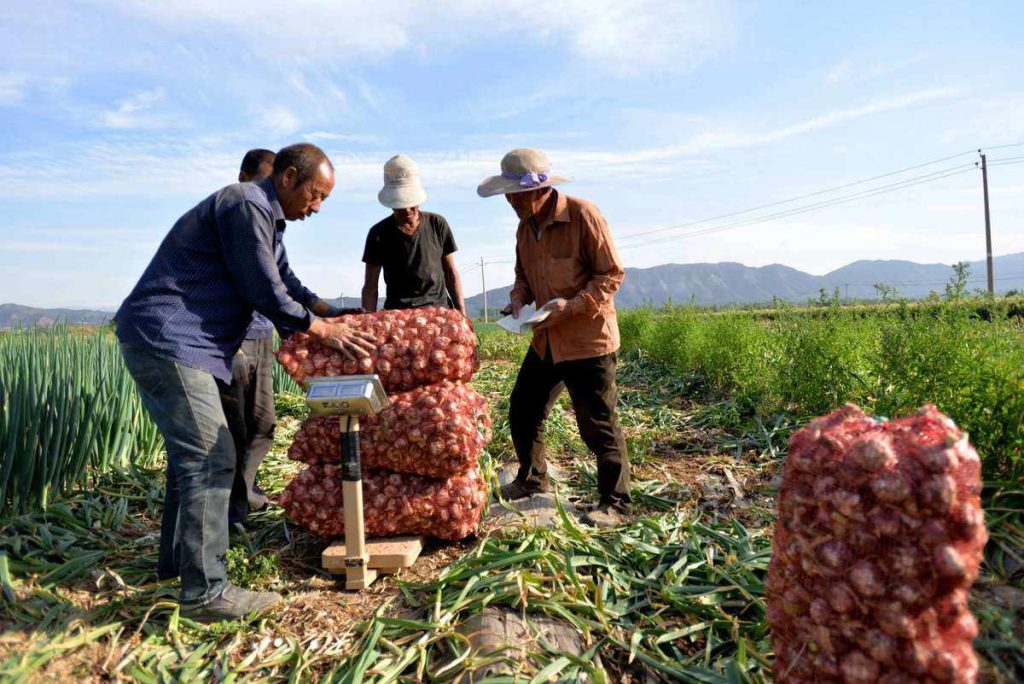
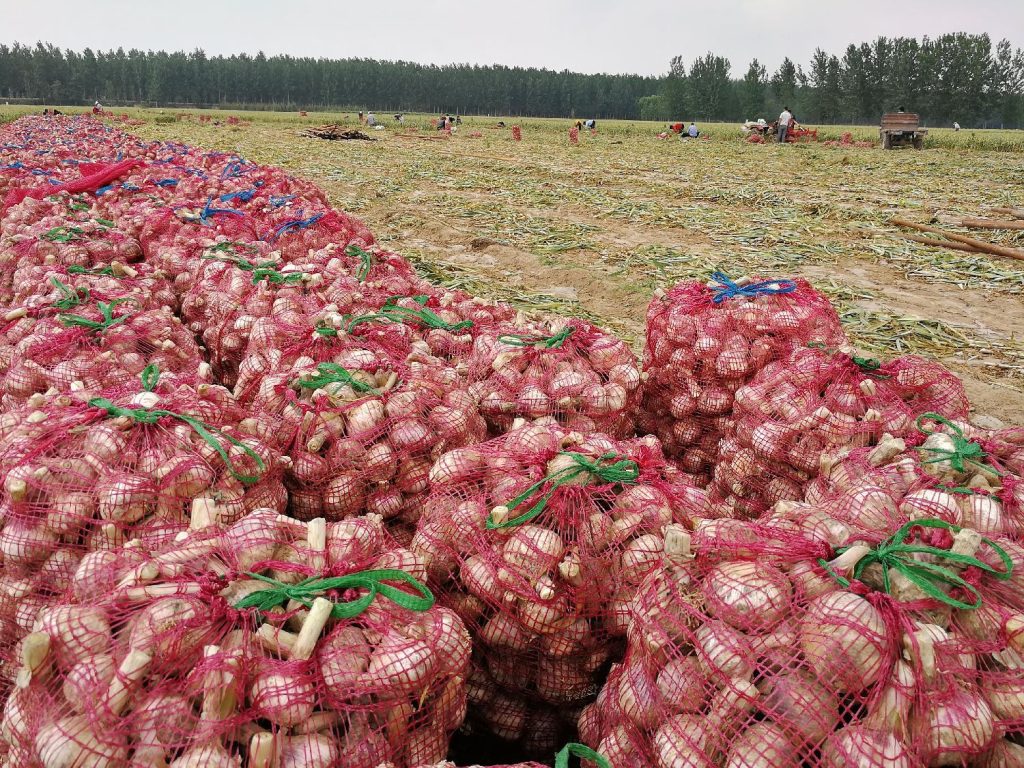
- Mesh bags: Common for fresh garlic
- Cartons or crates: Bulk export
- Vacuum-sealed bags: Peeled or processed garlic
- Temperature control: For frozen or peeled garlic
Label packaging clearly with origin, weight, and batch number for customs.
4. Shipping Methods
4.1 Full Container Load (FCL)
- Best for large orders
- Cost-efficient per kg
- Controlled environment during transport
4.2 Less than Container Load (LCL)
- Smaller shipments
- Higher per-unit shipping cost
- Suitable for testing markets or small buyers
4.3 Air Freight
- Fastest delivery
- Higher cost
- Best for urgent or high-value orders
5. Customs Documentation
International garlic shipments require:
- Commercial invoice
- Packing list
- Bill of lading
- Phytosanitary certificate
- Certificate of origin
- Organic certificate (if applicable)
A professional freight forwarder can manage customs efficiently.
6. Shipping Costs and Incoterms
Pricing depends on:
- Shipping method (FCL, LCL, Air)
- Volume and weight
- Packaging requirements
- Distance and destination port
Common Incoterms:
- FOB (Free on Board): Buyer arranges freight
- CIF (Cost, Insurance, Freight): Supplier arranges shipping and insurance
- DDP (Delivered Duty Paid): Supplier handles delivery and customs
7. Quality Control During Shipping
- Inspect garlic before shipping
- Ensure moisture and ventilation standards
- Use temperature-controlled containers if necessary
- Track shipments and communicate with suppliers
Quality control prevents spoilage and ensures smooth delivery.
8. Risk Management
Common risks include:
- Spoilage during transport
- Delayed customs clearance
- Mislabeling or missing certificates
- Damage to packaging
Tips: Use verified suppliers, hire experienced freight forwarders, and maintain clear documentation.
9. Payment Methods
- T/T (Bank Transfer): 30% deposit, 70% before shipment
- Letter of Credit (L/C): Large orders
- Trade Assurance (Alibaba): Buyer protection
Never pay full amount upfront; keep all agreements in writing.
10. Final Tips for International Buyers
- Start with small shipments to test suppliers
- Ensure all certifications and customs documents are ready
- Choose appropriate shipping method based on volume and urgency
- Use temperature-controlled shipping if necessary
- Build long-term partnerships for consistent supply
Following these steps ensures garlic shipments arrive fresh, comply with regulations, and maintain profitability.
Article link:https://www.vlefooena.com/step-by-step-guide-to-shipping-garlic-internationally-from-china/


No reply content