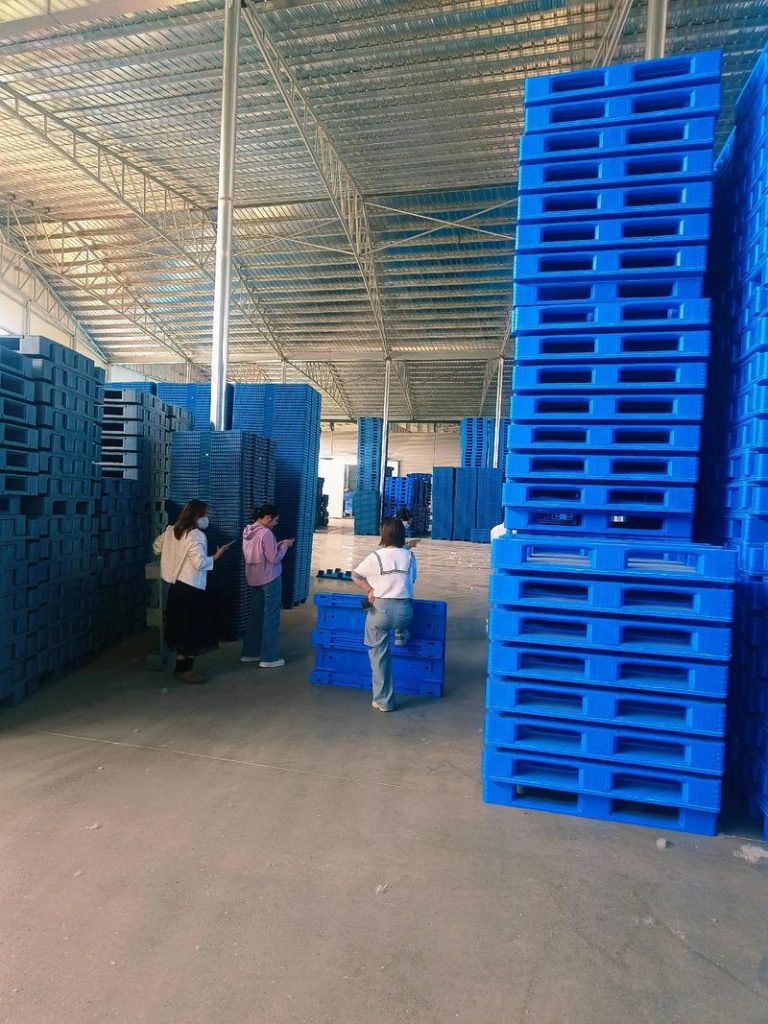
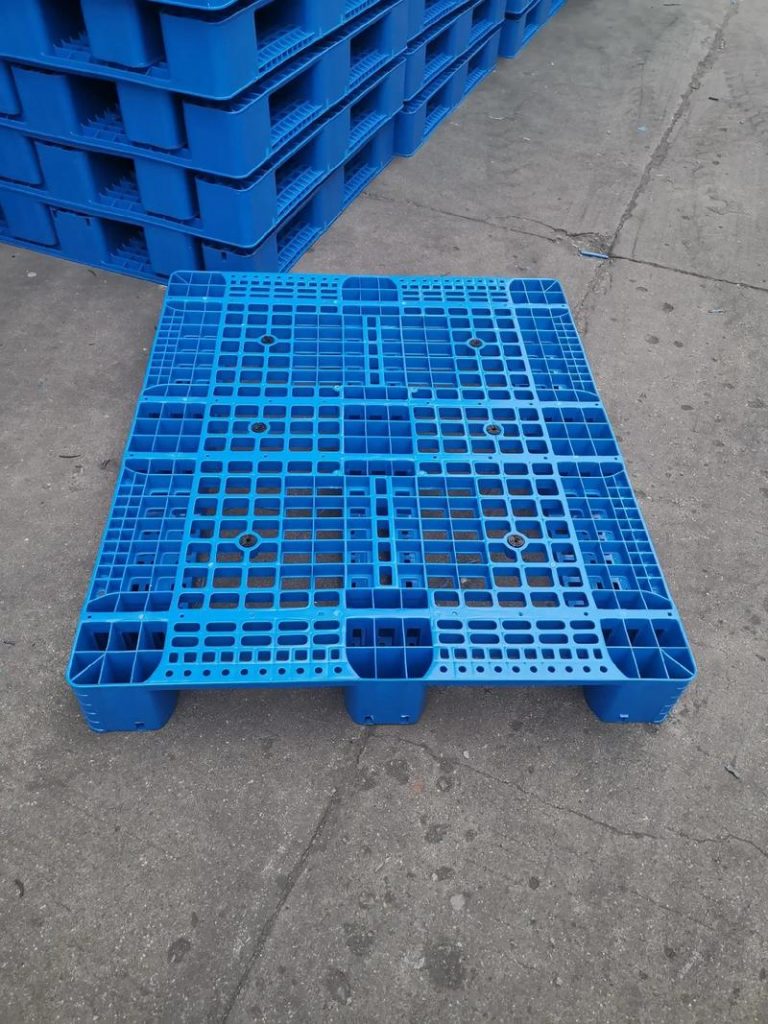
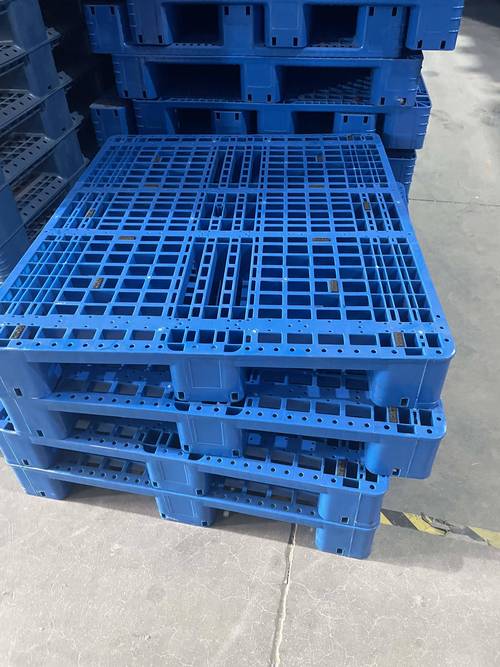
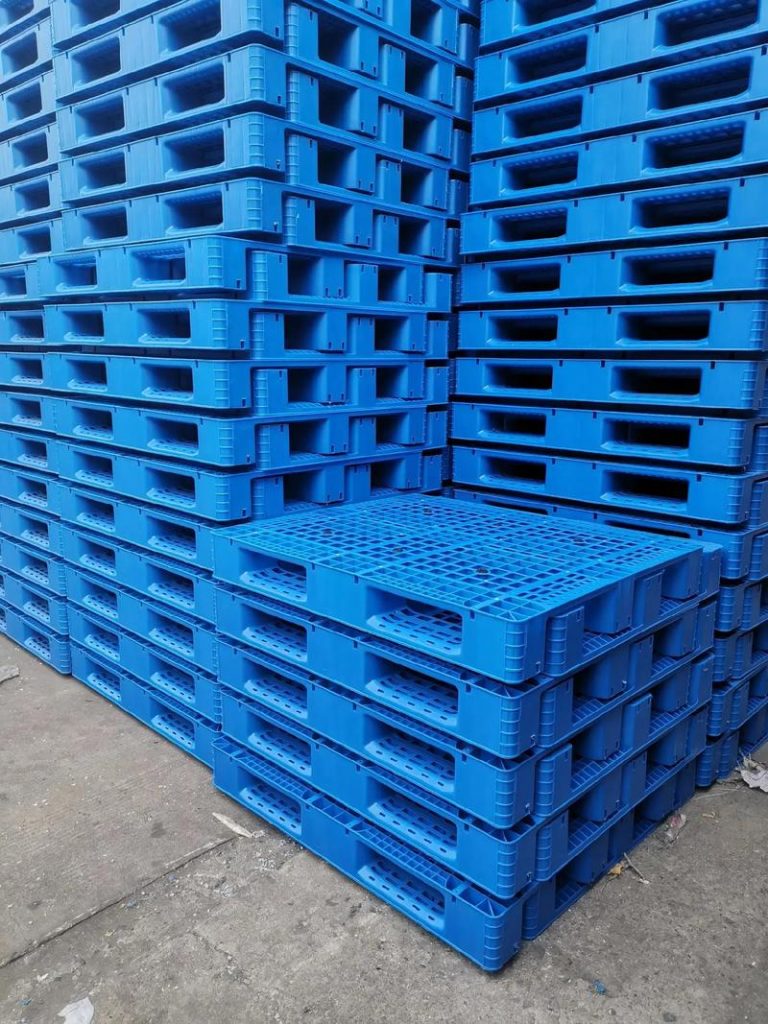
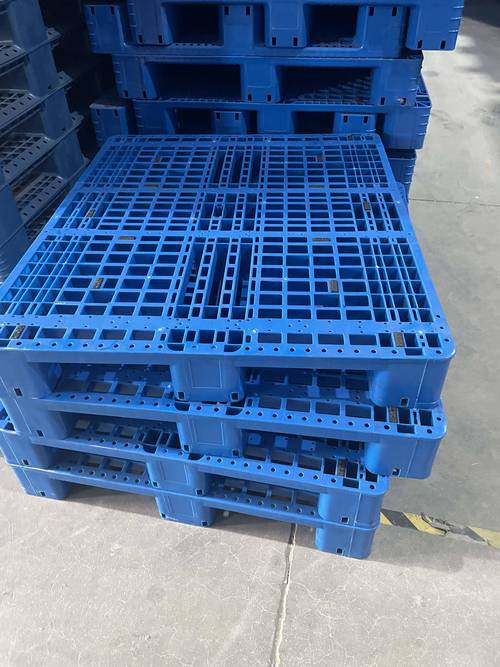
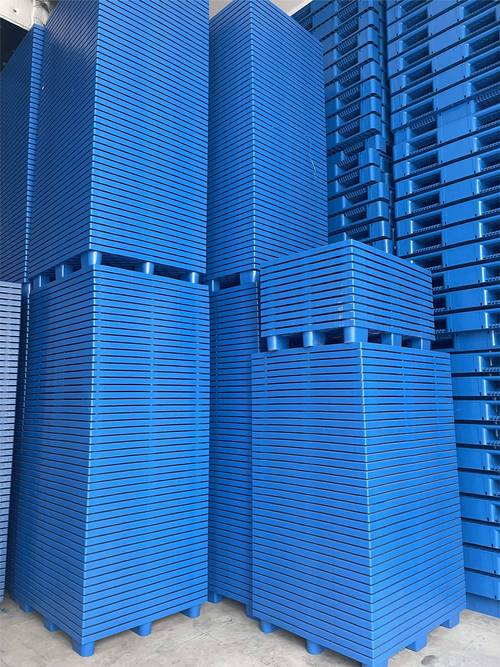
Importing plastic pallets from China has become a common practice for businesses worldwide, thanks to the country’s competitive pricing, high-quality production, and diverse product range. However, successful importing requires careful planning, proper supplier selection, and compliance with international shipping and customs regulations. This guide provides a detailed, step-by-step process to import plastic pallets from China safely, minimizing risks while maximizing efficiency and cost-effectiveness.
1. Assess Your Requirements
The first step in importing plastic pallets is to determine your business requirements:
- Pallet Type: Decide between stackable, nestable, solid deck, ventilated, or customized pallets based on your operational needs.
- Material Selection: Choose HDPE or polypropylene (PP) for durability, chemical resistance, and hygiene.
- Load Capacity: Evaluate maximum static and dynamic loads to ensure the pallets can safely carry your goods.
- Quantity Needed: Determine your order size based on warehouse capacity, shipping frequency, and projected usage.
- Budget: Define a realistic budget considering unit cost, shipping, and import duties.
By clearly defining these factors, you create a solid foundation for selecting the right supplier and planning logistics.
2. Research and Identify Reliable Suppliers
Selecting a trustworthy Chinese supplier is critical for safe importing:
- Factory Verification: Prefer certified manufacturers over trading companies. Check ISO certifications and production capabilities.
- Experience with Exports: Suppliers experienced in international trade understand documentation, packaging, and shipping requirements.
- Product Range: Ensure the factory offers the pallet types and customization options you need.
- References and Reviews: Seek feedback from previous buyers to assess reliability and product quality.
- Communication: Effective communication is essential to avoid misunderstandings and errors.
Use verified B2B platforms or attend trade shows to identify reputable manufacturers.
3. Request Samples for Quality Assessment
Before placing a bulk order, request samples to test quality:
- Material Integrity: Check for strength, flexibility, and chemical resistance.
- Dimensions and Weight: Ensure uniformity for compatibility with forklifts and storage systems.
- Load Testing: Simulate real-life use to verify durability.
- Hygienic Standards: For food or pharmaceutical applications, confirm the pallet is easy to clean and non-toxic.
Testing samples helps you avoid large-scale defects and ensures your investment is secure.
4. Negotiate Terms and Place Order
Once you’ve selected a supplier, negotiate the order terms:
- Pricing: Confirm unit prices, bulk discounts, and total cost including shipping.
- Payment Terms: Use secure methods such as letters of credit, T/T, or escrow services to protect both parties.
- Delivery Schedule: Agree on production lead time and estimated shipping time.
- Incoterms: Clearly define responsibilities for shipping, insurance, and customs (e.g., FOB, CIF, DDP).
Clear agreements reduce misunderstandings and improve the safety of the transaction.
5. Conduct Pre-Production Quality Checks (Optional but Recommended)
For large orders, consider pre-production quality inspections:
- Material Verification: Ensure raw materials meet specifications.
- Process Confirmation: Confirm production methods and machinery quality.
- Sample Approval: Approve prototypes before full-scale manufacturing begins.
These checks prevent potential issues and ensure the final batch meets your expectations.
6. Monitor Production and Quality Control
During production, maintain oversight to ensure quality:
- Regular Inspections: Schedule visits or hire third-party inspectors to check dimensions, load capacity, and material consistency.
- Random Sampling: Test randomly selected pallets to verify compliance with agreed specifications.
- Defect Management: Identify and address defects early to prevent bulk rejection.
Monitoring production ensures that only high-quality pallets are shipped.
7. Arrange Shipping and Logistics
Efficient logistics planning is essential for safe importing:
- Shipping Method: Choose sea freight for bulk orders, air freight for urgent shipments, or express courier for samples.
- Packaging: Ensure pallets are stacked, shrink-wrapped, or strapped securely to prevent damage.
- Customs Documentation: Prepare invoices, packing lists, certificates of origin, and any other required documents.
- Insurance: Protect your shipment against loss, damage, or theft during transit.
Proper logistics management minimizes risks and avoids costly delays.
8. Customs Clearance and Compliance
Upon arrival, pallets must clear customs in your country:
- Duties and Taxes: Understand import tariffs, VAT, and any other applicable fees.
- Material Compliance: Ensure pallets meet environmental, safety, and sanitary standards.
- Inspection Procedures: Be prepared for random inspections by customs authorities.
Working with experienced customs brokers can simplify this process and reduce the chance of non-compliance issues.
9. Receiving and Inspecting the Shipment
Once the shipment arrives:
- Visual Inspection: Check for damage, deformation, or missing pallets.
- Quantity Verification: Ensure the number of pallets matches the order.
- Random Load Testing: Test a few pallets to confirm strength and durability.
- Storage: Store pallets properly to avoid damage before use.
Timely inspection helps detect issues early and allows for claims if necessary.
10. Establish Long-Term Supplier Relationship
Developing a long-term relationship with your Chinese supplier provides additional safety and efficiency:
- Priority Production: Long-term partners prioritize your orders, especially during peak demand.
- Consistent Quality: Reliable suppliers maintain high-quality standards across multiple shipments.
- Flexibility: Easier to request custom dimensions, materials, or branding.
- Negotiated Pricing: Long-term cooperation often results in better rates and favorable terms.
Strong relationships reduce risk and streamline future importing processes.
11. Tips for Safe Importing
To ensure safety throughout the import process:
- Use Secure Payment Methods: Protect your financial transactions with letters of credit or verified platforms.
- Hire Third-Party Inspections: Professional inspection companies verify quality, quantity, and packaging.
- Maintain Clear Documentation: Accurate invoices, packing lists, and certificates prevent customs issues.
- Communicate Regularly: Keep open communication with the supplier to resolve any issues promptly.
- Plan Ahead: Factor in lead times, potential delays, and seasonal shipping variations.
By following these precautions, businesses can minimize risk and ensure successful importing.
Conclusion
Importing plastic pallets from China safely requires careful planning, thorough supplier vetting, quality assessment, efficient logistics, and compliance with regulations. By following this step-by-step process, businesses can secure high-quality pallets, reduce risks, optimize costs, and streamline their supply chain operations. Clear communication, proactive quality control, and long-term supplier relationships are key to achieving safe and efficient importing. For businesses seeking durable, cost-effective, and reliable pallet solutions, China remains a trusted and strategic source.
Article link:https://www.vlefooena.com/step-by-step-process-to-import-plastic-pallets-from-china-safely/


No reply content