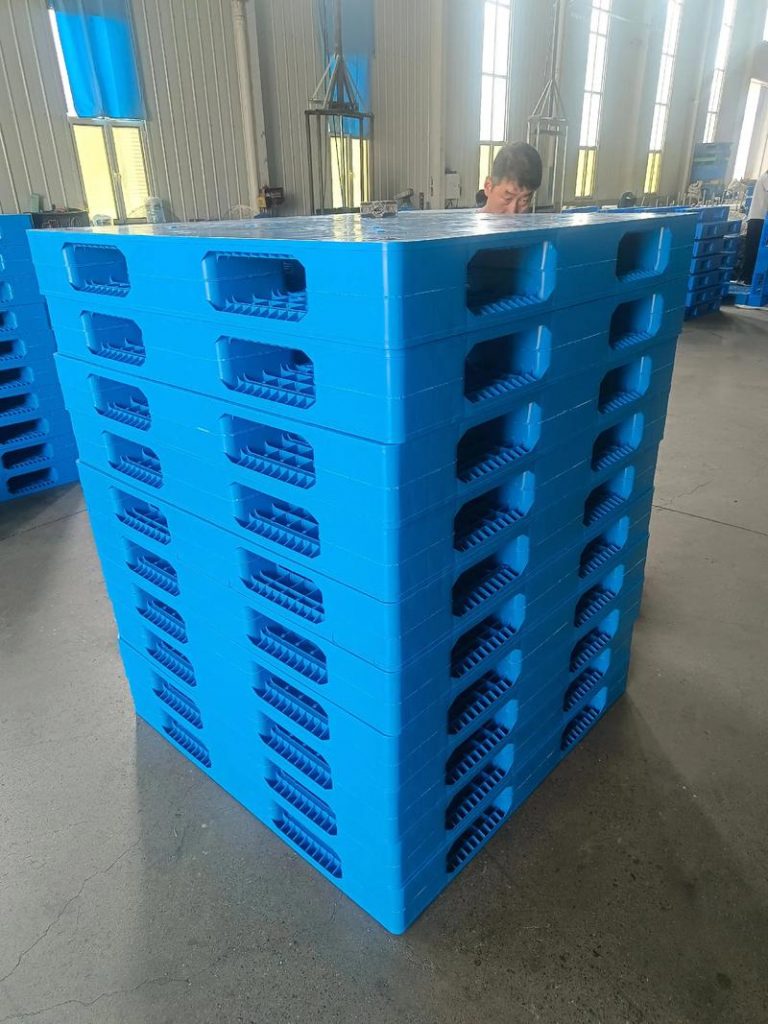
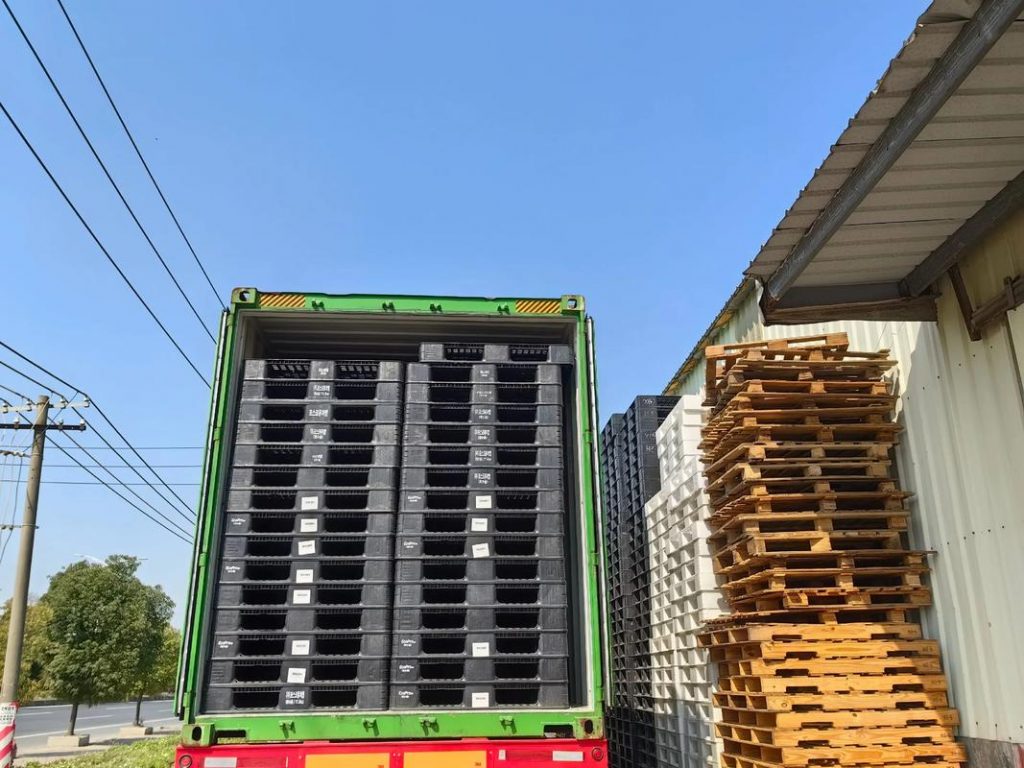
For decades, wood pallets have been the default choice for material handling—ubiquitous, inexpensive upfront, and seemingly fit for purpose. But as supply chains grow more complex, regulations tighten, and operational efficiency becomes non-negotiable, the limitations of wood are no longer acceptable. Splintering, rot, pest infestations, and the hidden costs of maintenance and compliance have pushed industries to seek a better solution. Enter the heavy-duty 9-leg plastic pallet: a purpose-built alternative that outperforms wood in every critical metric. This article explores why plastic pallets are the superior choice for modern logistics, delving into their design, material science, and real-world advantages that make them a strategic investment for businesses aiming to future-proof their operations.
Part 1: Why Wood Pallets Fail Modern Logistics Standards
Wood pallets, despite their historical dominance, are fundamentally flawed for today’s demands. Their shortcomings stem from material limitations and design constraints:
1.1 Poor Durability and Short Lifespan
Wood is susceptible to moisture, rot, and insect damage. Even treated wood degrades over time, warping under heavy loads or cracking from impacts. A typical wood pallet lasts just 2–3 years in regular use, requiring frequent replacement. In contrast, plastic pallets endure for 5–10+ years, even in harsh environments.
1.2 Safety Hazards
Nails, splinters, and loose boards pose serious risks to workers. Sharp edges can puncture gloves, cause cuts, or damage goods. Wood’s inconsistent structure also leads to unstable loads, increasing the likelihood of accidents during transport or racking.
1.3 Hygiene and Contamination Risks
Wood is porous, absorbing moisture, bacteria, and chemicals. This makes it unsuitable for industries like food, pharma, or healthcare, where sanitation is critical. Cleaning wood pallets is ineffective—contaminants linger in cracks, risking product spoilage or regulatory violations.
1.4 Compliance and Logistical Burdens
International shipping requires wood pallets to meet ISPM 15 standards (heat treatment or fumigation), adding costs (2–5 per pallet) and delays. Wood’s weight also increases freight expenses—up to 30% heavier than plastic equivalents, driving up fuel and carbon costs.
1.5 High Total Cost of Ownership (TCO)
While wood pallets have a lower upfront cost (10–25 vs. 30–60 for plastic), their short lifespan and hidden expenses (repairs, replacements, compliance) result in a TCO 2–3x higher than plastic over 5 years.
Part 2: The Engineering Behind Heavy-Duty 9-Leg Plastic Pallets
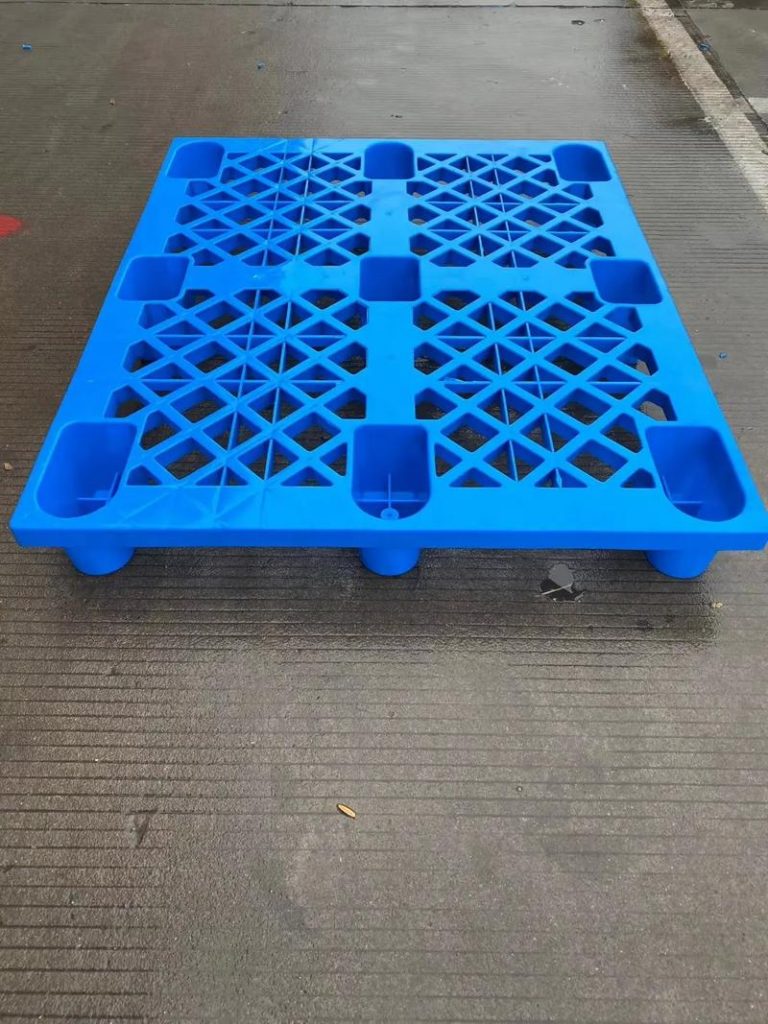
The 9-leg plastic pallet is not just a “wood copy”—it’s a reimagined solution optimized for modern logistics. Its design addresses every weakness of wood through intelligent engineering:
2.1 The 9-Leg Structure: Stability Meets Load Distribution
Unlike wood’s simple block feet, the 9-leg design features nine cylindrical or rectangular supports evenly spaced beneath the deck. This geometry:
-
Distributes heavy loads uniformly, preventing point stress and deformation.
-
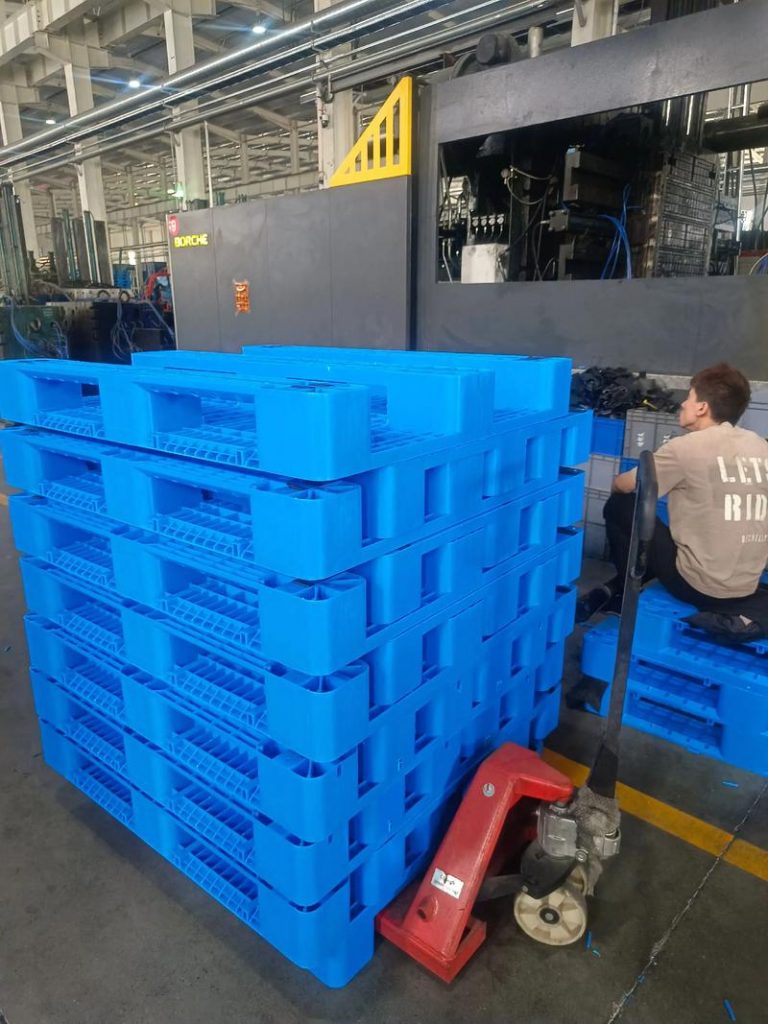
Elevates the pallet for optimal forklift/pallet jack access (4-way entry).
-
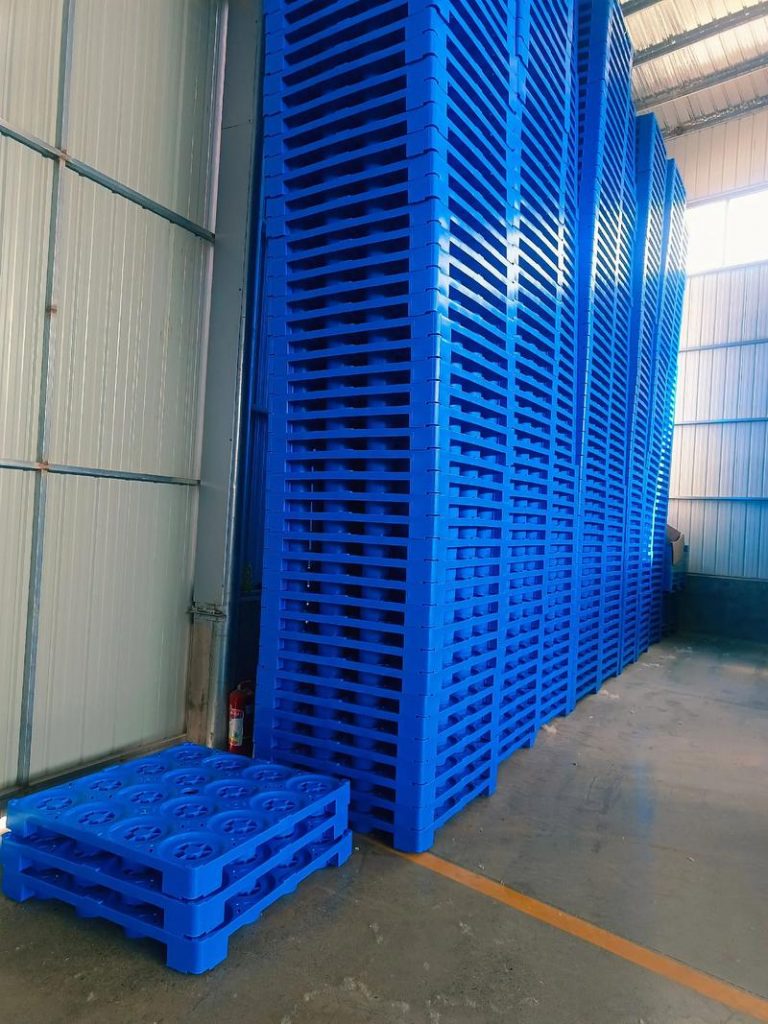
Allows nesting when empty, saving 75% storage space compared to wood.
2.2 Reinforced Deck Options: Grid vs. Solid
Plastic pallets offer two deck types to suit different needs:
-
Grid Deck: Open-lattice design for ventilation, drainage, and debris shedding (ideal for wet environments or perishables).
-
Solid Deck: Seamless surface for stability with bagged goods or automated systems.
Both decks are molded with reinforced ribs to resist bending, ensuring the pallet maintains its shape under dynamic loads (up to 2,500 kg dynamic, 6,000 kg static).
2.3 One-Piece Injection Molding: No Weak Points
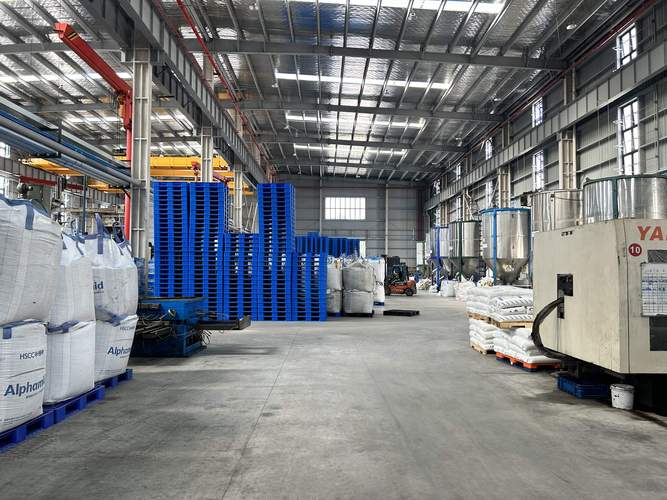
Unlike wood’s glued/screwed joints, plastic pallets are manufactured via high-pressure injection molding. This creates a monolithic structure with no seams, nails, or fasteners—eliminating failure points and ensuring consistent performance.
Part 3: Material Science: Why HDPE/PP Outperform Wood
The superiority of plastic pallets begins with their material: High-Density Polyethylene (HDPE) or Polypropylene (PP). These thermoplastics are chosen for their unique properties:
3.1 Impact and Weather Resistance
HDPE/PP withstands drops, collisions, and UV exposure without cracking or fading. They retain strength in temperatures from -40°C to 80°C, making them suitable for freezers, outdoor storage, or hot climates—unlike wood, which warps or rots in moisture.
3.2 Chemical and Moisture Immunity
Plastic is non-porous, repelling water, oils, and most chemicals. This makes it ideal for化工, automotive, or food industries, where wood would absorb contaminants and degrade.
3.3 Hygienic and Easy to Clean
A simple rinse with water or steam cleaning removes dirt, bacteria, and residues. Plastic meets FDA, EU 10/2011, and GMP standards for food/pharma use—critical for compliance and brand protection.
3.4 Sustainability and Recyclability
At end-of-life, plastic pallets are 100% recyclable into new products (e.g., crates, pipes). Many manufacturers use recycled HDPE/PP, reducing reliance on virgin materials and lowering carbon footprints.
Part 4: Core Advantages Over Wood: A Head-to-Head Comparison
The shift from wood to plastic is driven by measurable benefits that impact safety, efficiency, and profitability:
| Metric |
Wood Pallets |
9-Leg Plastic Pallets |
| Lifespan |
2–3 years |
5–10+ years |
| Load Capacity |
Prone to deformation |
Consistent (2,500 kg dynamic) |
| Safety |
Nails, splinters, unstable loads |
Smooth, uniform, no sharp edges |
| Hygiene |
Porous, absorbs contaminants |
Non-porous, easy to sanitize |
| Shipping Costs |
Heavier (adds 30% freight) |
Lightweight (reduces fuel/carbon costs) |
| Compliance |
Requires ISPM 15 treatment (2–5/pallet) |
Exempt from ISPM 15 |
| Total Cost of Ownership |
High (frequent replacements) |
Low (long life, minimal maintenance) |
Part 5: Real-World Applications: Where Plastic Excels
The versatility of 9-leg plastic pallets makes them indispensable across industries:
5.1 Food & Beverage
Hygienic, easy-to-clean surfaces prevent bacterial growth. Grid decks drain liquids from fruits, vegetables, or beverages, while solid decks stabilize canned goods.
5.2 Pharmaceuticals & Healthcare
Non-porous plastic meets sterile requirements for drug storage and medical device transport. Traceability is enhanced by optional RFID tags molded into the pallet.
5.3 Chemical & Automotive
Resistance to oils, solvents, and acids ensures longevity in harsh environments. 9-leg stability supports heavy engine parts or bulk chemicals.
5.4 Export & Global Logistics
ISPM 15 exemption eliminates fumigation/delays, speeding up cross-border shipments. Lightweight design reduces container weight limits, cutting freight costs.
5.5 Retail & E-Commerce
Nestable design saves warehouse space, while 4-way entry accelerates order picking and truck loading.
Part 6: Choosing the Right 9-Leg Plastic Pallet: A Buyer’s Guide
To maximize ROI, consider these factors when selecting a plastic pallet:
6.1 Load Requirements
-
Dynamic Load: Weight while moving (forklift/pallet jack). Aim for 1.5x your max unit load.
-
Static Load: Weight in storage. Choose pallets rated 4x dynamic load for racking.
-
Racking Load: Critical for high-bay storage—ensure certification for your racking system.
6.2 Deck Type
-
Grid: For ventilation/drainage (perishables, wet environments).
-
Solid: For stability (bagged goods, automation).
6.3 Environmental Factors
-
Temperature: Select HDPE for cold storage (-40°C) or PP for moderate heat (80°C).
-
Chemicals: Confirm resistance to acids, oils, or solvents in your facility.
6.4 Certifications
Look for ISO 8611 (pallet dimensions), RMI (racking safety), and FDA/EU compliance for food/pharma use.
Conclusion: The Future of Material Handling Is Plastic
The heavy-duty 9-leg plastic pallet is more than a replacement for wood—it’s an upgrade. By addressing wood’s flaws with durable materials, intelligent design, and hygienic performance, plastic pallets reduce costs, enhance safety, and streamline operations. For businesses tired of wood’s hidden expenses and limitations, switching to plastic is a strategic move toward a more efficient, sustainable supply chain.
Investing in 9-leg plastic pallets isn’t just about choosing a better tool—it’s about future-proofing your logistics. With a lifespan 3x longer than wood, zero compliance headaches, and unmatched versatility, these pallets pay for themselves in months, not years. The era of wood is ending; the era of plastic has begun.
Article link:https://www.vlefooena.com/superior-alternative-to-wood-our-heavy-duty-9-leg-plastic-pallets/


No reply content