
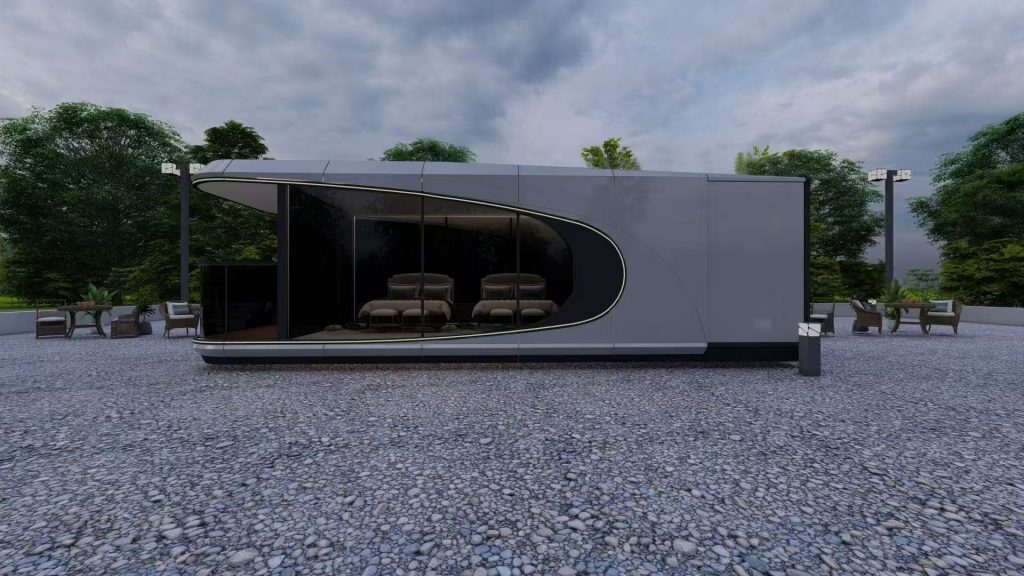
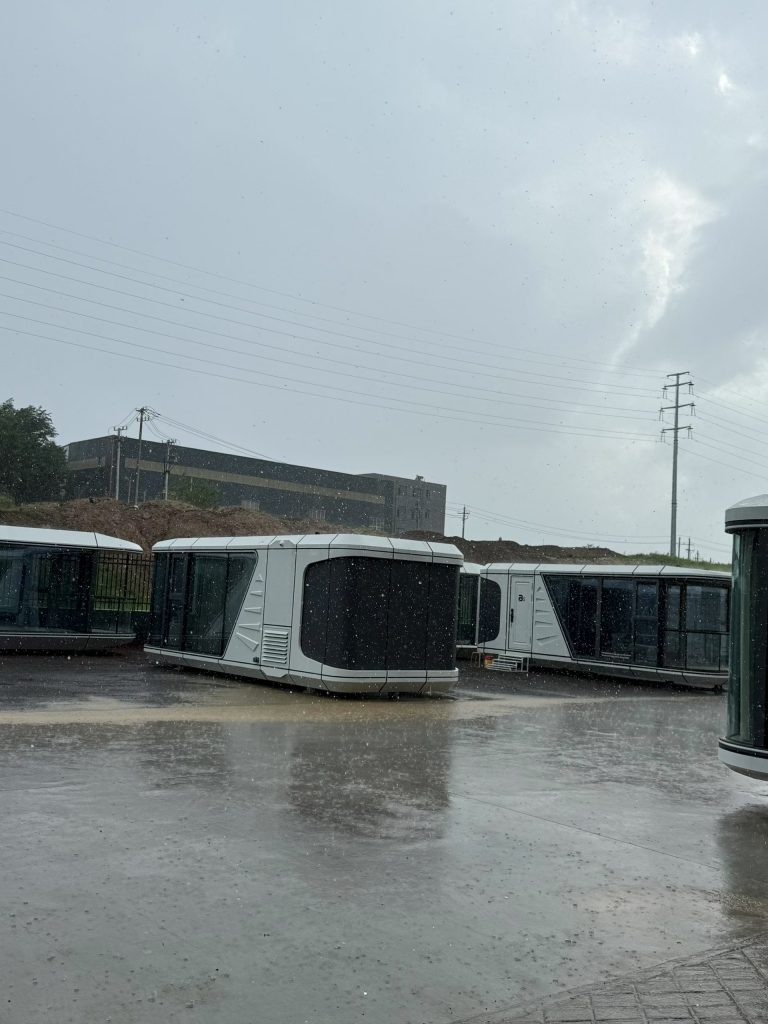
The rapid urbanization of the 21st century has placed unprecedented demands on construction methods, resources, and environmental stewardship. Modular architecture—a system of prefabricated, standardized units manufactured off-site—has emerged as a transformative solution to these challenges. By harmonizing speed, scalability, and ecological responsibility, this approach redefines how we conceptualize, build, and inhabit spaces. This article explores the principles, innovations, and global implications of sustainable modular architecture, emphasizing its role in shaping resilient, low-carbon urban futures.
1. Design Philosophy: Precision and Circularity at Core
Modular architecture transcends traditional construction through its emphasis on precision engineering and closed-loop systems.
Precision Manufacturing
Factories utilize computer-aided design (CAD) and automated systems to produce modules with micron-level accuracy. This reduces material waste by up to 80% compared to conventional methods, as offcuts are minimized and surplus materials are recycled. For instance, robotic arms in production lines assemble wall panels with perfect alignment, ensuring structural integrity while conserving resources.
Circular Material Systems
The use of bio-based composites—such as cross-laminated timber (CLT) and recycled plastic composites—forms the backbone of sustainable modules. These materials sequester carbon during production and can be disassembled and repurposed at the end of a building’s lifecycle. A modular office block constructed from CLT panels, for example, retains 90% of its embodied carbon when dismantled, unlike traditional concrete structures that permanently lock away CO₂.
Energy-Efficient Integration
Modules incorporate passive design strategies, such as optimized daylighting and natural ventilation, reducing reliance on artificial lighting and HVAC systems. Solar panels and rainwater harvesting systems are often integrated during manufacturing, enabling off-grid functionality in remote or disaster-prone regions.
2. Environmental Benefits: Redefining Urban Sustainability
Modular architecture addresses critical environmental challenges through its inherently sustainable framework.
Waste Reduction
Traditional construction generates 30–40% of global landfill waste. Modular methods eliminate this by producing exact material quantities in controlled factories. For example, a 10-story residential tower built using 500 modules reduced onsite waste to less than 2% of total materials—a feat unachievable with conventional techniques.
Carbon Footprint Mitigation
By centralizing production, modular construction cuts transportation emissions. Factories use renewable energy sources, such as solar or geothermal, further lowering operational carbon. Studies indicate modular buildings emit 20–35% fewer greenhouse gases over their lifecycle compared to traditional counterparts.
Resource Efficiency
Modular systems prioritize renewable materials. Bamboo-reinforced panels and mycelium-based insulation replace virgin plastics and metals, reducing strain on ecosystems. Water reuse systems within factories recycle 95% of process water, addressing scarcity concerns in arid regions.
3. Technological Innovations: Driving Efficiency and Adaptability
Advancements in digital technology and material science have propelled modular architecture into new frontiers.
Building Information Modeling (BIM)
BIM software enables architects to simulate module performance under diverse conditions—seismic activity, extreme temperatures, or high windloads—before production. This predictive modeling minimizes errors and optimizes energy efficiency. Parametric design tools further allow customization without sacrificing standardization, such as adjusting module dimensions for urban infill projects.
Robotics and Automation
Robotic welding and 3D printing streamline module assembly. Automated systems in factories produce 30–50 units daily with consistent quality, a rate impossible for manual labor. Drones and AI-driven logistics optimize module transportation, ensuring timely delivery and reducing fuel consumption.
Smart Connectivity
Embedded IoT sensors monitor structural health, energy use, and occupancy in real time. A modular hospital, for instance, can adjust room temperatures based on patient numbers, cutting energy waste by 25%. These systems enable predictive maintenance, extending building lifespans by 30% or more.
4. Global Applications: From Cities to Crisis Zones
Modular architecture’s versatility makes it indispensable across diverse contexts.
Urban Housing Solutions
Cities facing housing shortages leverage modular units to build affordable residences rapidly. Standardized 400-sq-ft units, prefabricated in factories, can be erected in weeks rather than months. This approach addresses gentrification by maintaining low costs and enabling scalable deployments.
Disaster-Resilient Infrastructure
In post-disaster scenarios, modular emergency shelters provide immediate relief. Inflatable or foldable modules withstand earthquakes and floods, while solar-powered units ensure uninterrupted energy. A modular school built in a floodplain exemplifies this, with water-resistant foundations and elevated foundations adapting to seasonal changes.
Ecological Restoration
Modular designs integrate seamlessly into natural landscapes. Canopy walkways in rainforests use lightweight modules anchored to trees, minimizing habitat disruption. Arctic research stations employ modular units with geothermal heating, reducing permafrost disturbance.
5. Challenges and Future Directions
Despite its promise, modular architecture faces hurdles requiring innovative solutions.
Logistical Barriers
Transporting oversized modules demands specialized logistics. Solutions like flat-pack designs—where modules are assembled on-site from pre-cut panels—reduce shipping volume by 60%. Partnerships with eco-friendly transport firms further lower emissions.
Regulatory Hurdles
Varied building codes across regions complicate standardization. Advocacy for universal safety and sustainability certifications is critical. Initiatives like BREEAM and LEED now include modular-specific criteria, validating their eco-credentials.
Public Perception
Misconceptions about quality persist. Transparent lifecycle assessments and third-party certifications can build trust. Highlighting projects with 50+ year histories—such as modular libraries or hospitals—demonstrates durability and safety.
Future Trends
-
Carbon-Negative Modules: Development of biochar-enhanced composites that absorb atmospheric CO₂ during curing.
-
AI-Driven Factories: Machine learning algorithms optimize material use, cutting waste by an additional 15%.
-
Reversible Design: Modular buildings designed for easy disassembly, allowing components to be reused in new projects.
Conclusion
Sustainable modular architecture represents a paradigm shift in urban development. By merging precision, circularity, and technological innovation, it addresses the dual imperatives of rapid urbanization and ecological preservation. As material science and digital tools evolve, modular construction will redefine global infrastructure, proving that progress and planetary stewardship can coexist. The cities of tomorrow will not merely stand—they will thrive, built on the principles of adaptability, resilience, and renewal.
This article synthesizes industry insights and technical advancements to provide a comprehensive overview of modular architecture’s potential. For deeper exploration, refer to peer-reviewed journals and sustainability reports cited in academic databases.
Article link:https://www.vlefooena.com/sustainable-modular-architecture-pioneering-a-greener-future-for-urban-development/


No reply content