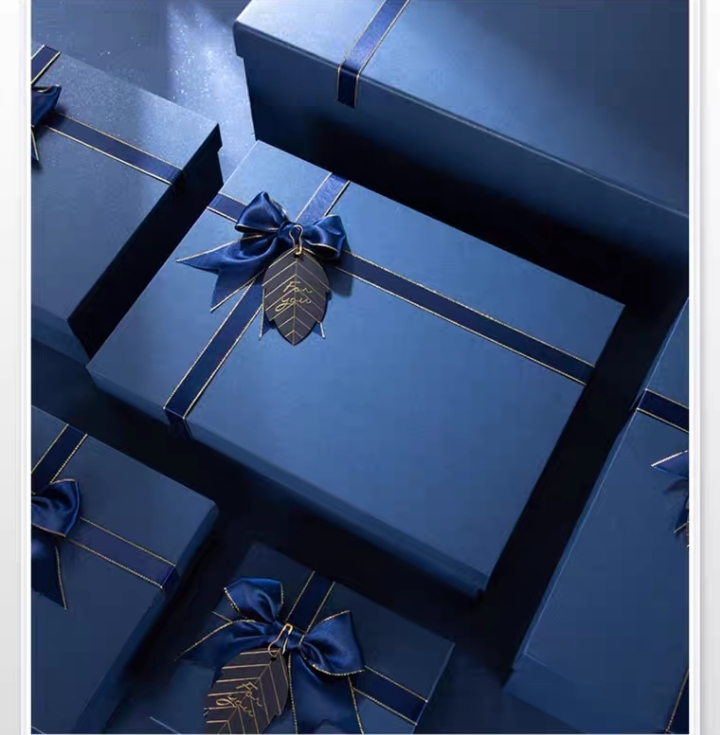
 Gift box packaging has evolved far beyond its traditional role as a mere container for presents. Today, it represents a dynamic intersection of consumer psychology, brand strategy, sustainability imperatives, and technological innovation. The global demand for gift box packaging is surging, driven by changing consumer behaviors, rising e-commerce penetration, and a heightened focus on experiential gifting. This article explores the multifaceted drivers behind this demand, examines emerging trends, and analyzes the future trajectory of the gift box packaging market.
1. The Psychology of Gifting: Why Packaging Matters More Than Ever
At its core, gift-giving is an emotional act rooted in connection and expression. Packaging plays a pivotal role in amplifying this experience. Research indicates that up to 70% of consumers judge a gift’s thoughtfulness by its presentation, with 58% stating that unwrapping a beautifully designed box enhances their overall satisfaction. This psychological appeal stems from several factors:
1.1 The “Unboxing Experience”: A Ritual of Anticipation
The act of unwrapping a gift has transformed into a multisensory ritual. Consumers savor the suspense of peeling away layers, the texture of materials, and the visual reveal of the product inside. Social media platforms like Instagram and TikTok have popularized “unboxing videos,” turning packaging into shareable content. Brands now design gift boxes to be photogenic, with features like magnetic closures, ribbon pulls, and hidden compartments that encourage users to document and share their experience.
1.2 Emotional Storytelling
Packaging serves as a canvas for brands to convey narratives—whether about craftsmanship, sustainability, or cultural heritage. For example, a luxury chocolate brand might use embossed paper mimicking cocoa bean textures, while a wellness company could incorporate dried botanicals to reinforce its natural ethos. This storytelling deepens the recipient’s emotional connection to the gift and the brand behind it.
2. Market Drivers: Fueling Demand Across Sectors
The gift box packaging market is propelled by diverse end-use sectors, each with unique requirements and growth trajectories.
2.1 E-Commerce: The Catalyst for Growth
The exponential rise of online shopping has been a game-changer. E-commerce giants like Amazon and Shopify report that packaging quality influences 45% of repeat purchases, as damaged or uninspired boxes erode trust. To mitigate this, brands are investing in durable, branded gift boxes that double as shipping containers, reducing the need for additional wrapping. Subscription box services (e.g., FabFitFun, Birchbox) further drive demand, requiring monthly customized packaging solutions.
2.2 Corporate Gifting: Professionalism Meets Personalization
Businesses increasingly use gift boxes to strengthen client relationships, reward employees, and celebrate milestones. The corporate gifting market is projected to reach $242 billion by 2027, with a significant portion allocated to premium packaging. Customizable options—such as logo imprinting, branded tissue paper, and tailored inserts—allow companies to align packaging with their brand identity. For instance, tech firms often opt for sleek, minimalist boxes, while hospitality brands prefer luxurious, tactile designs.
2.3 Special Occasions: From Holidays to Life Milestones
Seasonal peaks (Christmas, Valentine’s Day, Lunar New Year) account for 30–40% of annual gift box sales. However, demand is also growing for niche occasions like baby showers, weddings, and graduations. Personalized elements—such as monogrammed ribbons or photo-engraved lids—are particularly popular for milestone events, creating keepsakes that outlast the gift itself.
3. Sustainability: Redefining “Luxury” in Packaging
Environmental consciousness has reshaped consumer expectations, with 62% of global shoppers willing to pay more for sustainable packaging. This shift has spurred innovation in eco-friendly materials and designs:
3.1 Biodegradable and Recyclable Materials
Brands are replacing plastic inserts with mushroom foam, cornstarch-based fillers, and recycled cardboard. For example, Patagonia uses 100% recycled paper for its gift boxes, while Lush Cosmetics employs compostable “naked” packaging for select products. Plantable seed paper—embedded with wildflower seeds—has also gained traction, allowing recipients to grow plants after use.
3.2 Minimalist Design Principles
The “less is more” philosophy is gaining momentum, with brands reducing excess materials and focusing on functional elegance. Flat-pack boxes, which minimize shipping volume and waste, are becoming standard. Some companies even encourage reuse by designing boxes that convert into storage containers or decorative items.
3.3 Certifications and Transparency
Consumers increasingly seek proof of sustainability claims. Certifications like FSC (Forest Stewardship Council) for paper, BPI (Biodegradable Products Institute) for compostables, and carbon-neutral labels help brands build credibility. Transparent communication about sourcing (e.g., “made from 100% post-consumer waste”) further strengthens trust.
4. Technological Innovation: Personalization at Scale
Advancements in technology are democratizing customization, enabling brands to offer unique packaging without prohibitive costs.
4.1 Digital Printing and On-Demand Manufacturing
Digital printers allow for short-run, high-quality customization, letting brands print variable data (names, messages) directly onto boxes. This is particularly valuable for small businesses and personalized gifts. Platforms like Canva and Packlane enable users to design boxes online, streamlining the process from concept to production.
4.2 Smart Packaging Integration
Emerging technologies like QR codes, NFC chips, and augmented reality (AR) are enhancing interactivity. A QR code on a gift box might link to a video message from the sender, while AR can overlay virtual decorations when viewed through a smartphone. These features add a “wow factor” and bridge the gap between physical and digital experiences.
4.3 Automation and Efficiency
Robotics and AI are optimizing production lines, reducing errors and lead times. Automated folding and gluing machines can produce thousands of boxes per hour, meeting the demands of peak seasons. AI-powered design tools analyze consumer preferences to suggest trend-aligned styles, helping brands stay ahead of market shifts.
5. Regional Demand Variations: A Global Perspective
Demand for gift box packaging varies significantly across regions, influenced by cultural norms, economic development, and regulatory landscapes.
5.1 North America: Luxury and Sustainability Drive Growth
The U.S. and Canada dominate the market, with a strong preference for premium, customizable packaging. E-commerce and corporate gifting are key drivers, while states like California enforce strict plastic reduction laws, boosting demand for eco-friendly alternatives.
5.2 Europe: A Focus on Circular Economy
The EU’s Single-Use Plastics Directive has accelerated adoption of recyclable materials. Countries like Germany and Sweden lead in sustainable innovation, with brands experimenting with seaweed-based packaging and reusable tin containers.
5.3 Asia-Pacific: Rapid Expansion and Cultural Nuances
Asia-Pacific is the fastest-growing region, fueled by rising disposable incomes and festive traditions (e.g., Lunar New Year, Diwali). In China, red and gold packaging symbolizes luck and prosperity, while Japan emphasizes wabi-sabi (imperfect beauty) in minimalist designs. E-commerce giants like Alibaba and Shopee are driving demand for branded, tamper-proof boxes.
6. Challenges and Opportunities
Despite robust growth, the industry faces hurdles:
6.1 Cost Pressures
Sustainable materials and customization often come at a higher price point, challenging small businesses. However, bulk purchasing and economies of scale are gradually reducing costs.
6.2 Supply Chain Complexity
Global disruptions (e.g., pandemics, geopolitical tensions) have highlighted vulnerabilities in sourcing raw materials. Brands are diversifying suppliers and investing in local production to mitigate risks.
6.3 Balancing Aesthetics and Functionality
Overly elaborate packaging can hinder practicality (e.g., difficulty in opening, excessive waste). The challenge lies in creating designs that are both visually stunning and user-friendly.
7. Future Outlook: What’s Next for Gift Box Packaging?
The gift box packaging market is poised for sustained growth, with projections indicating a compound annual growth rate (CAGR) of 5.8% from 2023 to 2030. Key trends to watch include:
-
Hyper-Personalization: AI-driven tools will enable real-time customization based on recipient data (e.g., past purchases, preferences).
-
Circular Business Models: Take-back programs and refillable packaging will gain traction, aligning with zero-waste goals.
-
Tech-Enhanced Experiences: AR/VR will create immersive unboxing journeys, while smart sensors could track temperature or freshness for perishable gifts.
Conclusion
The demand for gift box packaging reflects a broader societal shift toward valuing experiences, sustainability, and individuality. As brands compete to capture consumer attention, packaging has become a strategic asset—capable of evoking emotion, reinforcing brand identity, and driving loyalty. By embracing innovation, transparency, and eco-conscious practices, companies can turn a simple box into a powerful tool for connection in an increasingly digital world. For businesses and consumers alike, the future of gift-giving is wrapped in opportunity—literally.
Article link:https://www.vlefooena.com/the-demand-for-gift-box-packaging/


No reply content