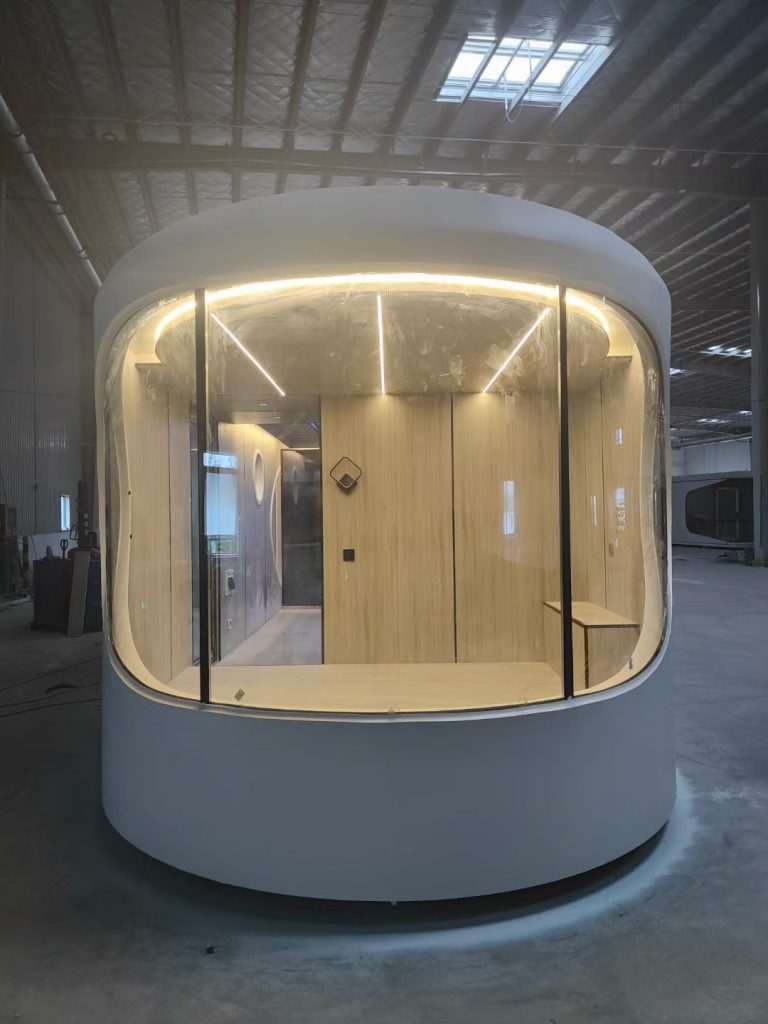
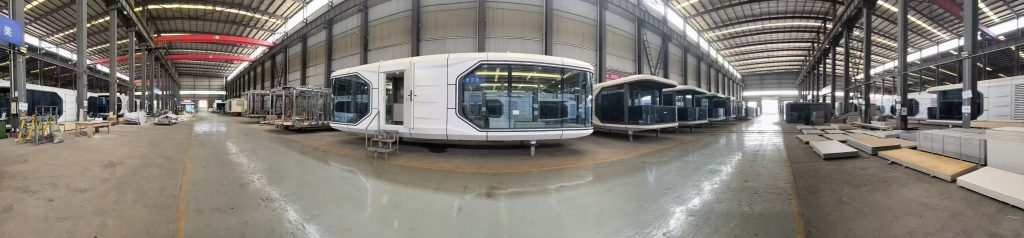
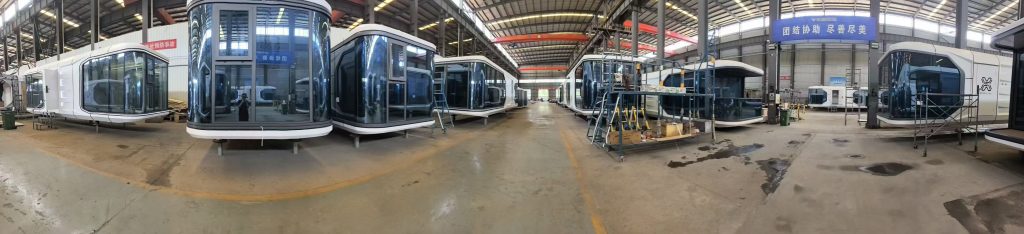
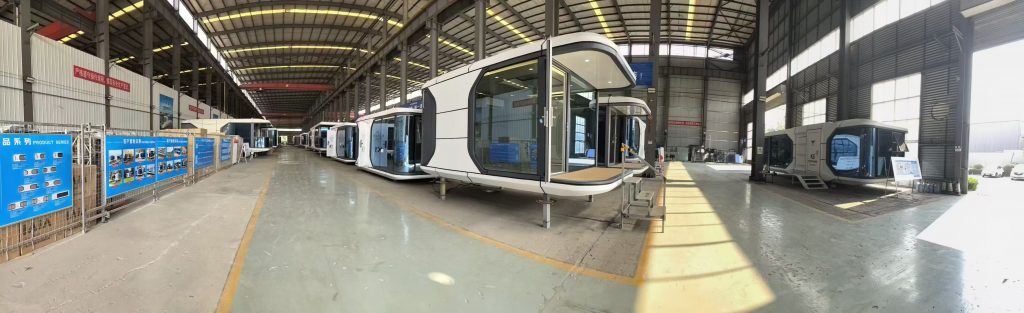
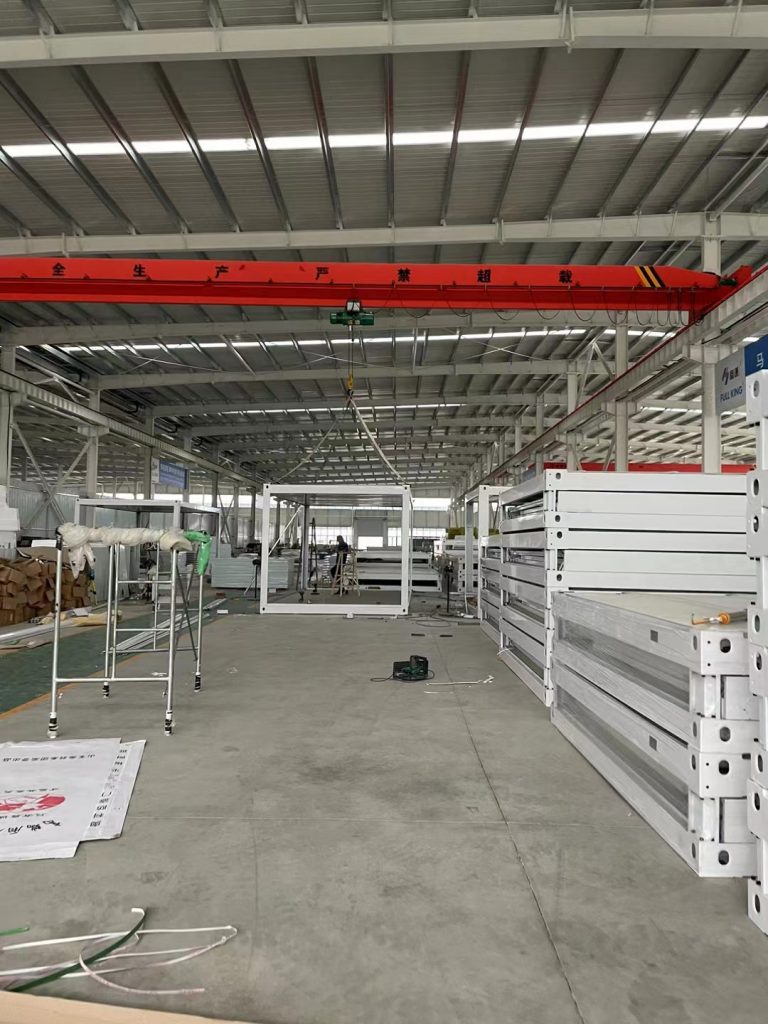

Mobile homes have become an essential solution in modern construction, offering flexibility, cost efficiency, and rapid deployment for residential and commercial purposes. With global urbanization, housing shortages, and demand for sustainable living, mobile homes are increasingly popular among international buyers seeking high-quality, export-ready housing solutions. In this article, we will explore why mobile homes are a smart choice, their advantages, applications, design innovations, and benefits for international buyers.
1. Understanding Mobile Homes
Mobile homes, also known as prefabricated homes or modular homes, are structures designed for easy transportation and installation. They are manufactured in factories, fully or partially, and then delivered to the desired site. Unlike traditional buildings, mobile homes are built on steel frames with durable materials, ensuring they can withstand relocation and long-term use.
These homes can range from compact single-unit houses to multi-module residential complexes. Mobile homes are suitable for a wide range of environments, including urban areas, remote locations, tourist resorts, and temporary housing sites.
2. Advantages of Mobile Homes
2.1 Speed of Construction
Mobile homes are prefabricated in controlled factory environments, which significantly reduces construction time. While site preparation occurs, homes are built off-site, allowing simultaneous processes. Once delivered, installation is quick, often taking days instead of months.
For international buyers, rapid construction is crucial for projects in remote or high-demand areas. Mobile homes are ideal for emergency housing, seasonal accommodations, or fast-growing residential communities.
2.2 Cost Efficiency
Mobile homes are cost-effective compared to traditional construction. Prefabrication reduces labor costs, minimizes waste, and allows for standardized material usage. Buyers can achieve high-quality housing without exceeding budgets.
In addition, mobile homes require lower ongoing maintenance, saving money over their lifecycle. This makes them an excellent investment for both residential and commercial applications.
2.3 Durability and Safety
Despite being transportable, mobile homes are built to be highly durable. Steel frames, reinforced walls, and high-quality insulation ensure resistance to harsh weather conditions, seismic activity, and wear from relocation. Fire-resistant materials and protective coatings further enhance safety.
International buyers can rely on mobile homes to provide secure, long-lasting structures suitable for different climates and terrains.
2.4 Flexibility and Customization
Mobile homes offer unmatched flexibility in design and layout. Multiple modules can be combined or stacked to create larger living spaces or multi-story complexes. Buyers can customize interiors, exteriors, insulation, windows, doors, and even energy-efficient systems.
This flexibility allows mobile homes to cater to diverse market needs, from compact single-family residences to luxury vacation cabins or office units.
2.5 Sustainability
Mobile homes are environmentally friendly. Factory production reduces on-site waste, while energy-efficient insulation, LED lighting, and solar integration minimize environmental impact. Many manufacturers also use recyclable materials, contributing to sustainable development goals.
International buyers increasingly value eco-friendly housing solutions, making mobile homes a competitive product in global markets.
2.6 Transportation and Easy Installation
Mobile homes are designed for easy transportation. Standardized dimensions and modular construction allow shipment by truck, rail, or sea. Installation on-site usually requires minimal foundation work, reducing labor and time.
This feature makes mobile homes ideal for remote projects, tourist resorts, industrial camps, or temporary housing needs in diverse locations worldwide.
3. Applications of Mobile Homes
Mobile homes are versatile and can serve a variety of purposes:
- Residential Housing: Affordable single-family homes, temporary residences, or seasonal housing.
- Commercial Spaces: Offices, clinics, retail shops, and cafes.
- Tourism and Hospitality: Vacation cabins, glamping pods, resorts, and hostels.
- Industrial and Construction Sites: Accommodation for workers, offices, and storage units.
- Emergency Housing: Rapid deployment for disaster relief, refugee camps, and temporary shelters.
The modularity and adaptability of mobile homes make them suitable for both developed and emerging markets.
4. Export Advantages for International Buyers
Mobile homes are particularly attractive for global markets due to several export benefits:
- Factory Quality Assurance: Controlled production ensures consistent quality and compliance with international standards.
- Efficient Logistics: Prefabricated modules simplify shipping and handling, reducing transportation costs.
- Compliance with International Regulations: Many manufacturers design mobile homes to meet safety, structural, and energy efficiency standards worldwide.
- After-Sales Support: Export-oriented suppliers provide installation guidance, technical support, and maintenance services, ensuring smooth project execution.
These factors make mobile homes an efficient, low-risk solution for buyers looking to expand in international markets.
5. Design Innovations in Mobile Homes
Modern mobile homes incorporate advanced design elements to improve comfort, aesthetics, and functionality:
- Open-Plan Interiors: Maximizing usable space and creating airy environments.
- Large Windows and Natural Light: Enhancing the living experience and energy efficiency.
- Smart Home Technology: Automated lighting, temperature control, and security systems.
- Eco-Friendly Materials: Energy-saving insulation, sustainable flooring, and low-impact finishes.
- Outdoor Enhancements: Balconies, terraces, rooftop gardens, and green spaces for lifestyle improvement.
These innovations cater to modern living standards and make mobile homes appealing to international clients.
6. Maintenance and Longevity
Mobile homes are designed for minimal maintenance. Steel frames, durable cladding, and protective coatings ensure long-lasting performance. Regular inspections, minor repairs, and cleaning keep the homes functional for decades. Properly maintained mobile homes can last 20–50 years, depending on materials and climate conditions.
7. Cost Comparison with Traditional Construction
Mobile homes offer multiple financial advantages:
- Lower Construction Costs: Reduced labor and material expenses.
- Faster ROI: Rapid deployment enables faster occupancy or commercial use.
- Minimal Waste: Prefabrication reduces material loss.
- Long-Term Savings: Durable materials and low maintenance reduce lifetime costs.
For international buyers, mobile homes represent a cost-effective, high-value housing solution.
8. Global Success Stories
Mobile homes have been successfully deployed worldwide:
- In urban areas, they provide affordable housing and temporary rental units.
- In tourism zones, mobile homes are transformed into resorts, vacation cabins, and glamping accommodations.
- For industrial projects, they serve as worker housing, on-site offices, and storage facilities.
- In disaster-affected areas, mobile homes provide rapid emergency shelters with minimal setup time.
These examples highlight the versatility and global demand for mobile homes.
9. Future Trends
The future of mobile homes is bright. Trends include:
- Modular Expansion: Combining multiple units for larger complexes.
- Smart Homes: Advanced technology integration for comfort and efficiency.
- Sustainable Materials: Greater use of renewable, recyclable, and low-impact materials.
- International Standardization: Compliance with global safety and building codes for seamless exports.
- Compact Luxury Living: Combining mobility with high-end finishes for tourism and lifestyle markets.
Investing in mobile homes today allows buyers to meet evolving global housing demands and capitalize on emerging market opportunities.
10. Conclusion
Mobile homes are redefining modern construction by offering flexible, cost-effective, and sustainable housing solutions. They combine rapid construction, durability, design flexibility, and export readiness, making them an excellent choice for international buyers.
Whether you are planning residential housing, commercial projects, tourist accommodations, or emergency shelters, mobile homes provide a reliable, efficient, and high-quality solution. By partnering with an experienced manufacturer, international buyers can access customizable, export-ready mobile homes that meet global standards and satisfy diverse market needs.
Mobile homes are not just a temporary solution—they are the future of efficient, sustainable, and adaptable housing worldwide.
Article link:https://www.vlefooena.com/the-future-of-mobile-homes-durable-affordable-and-export-ready/


No reply content