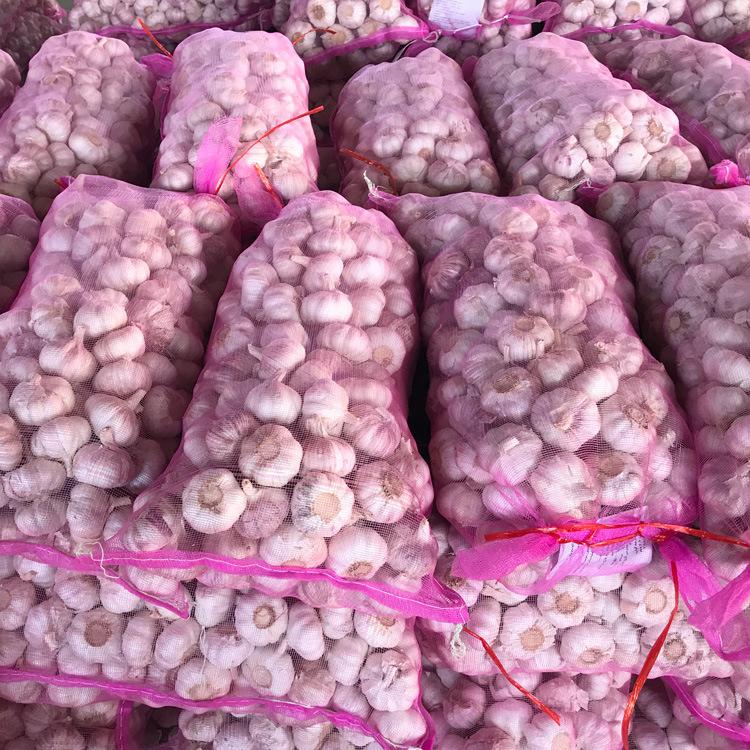
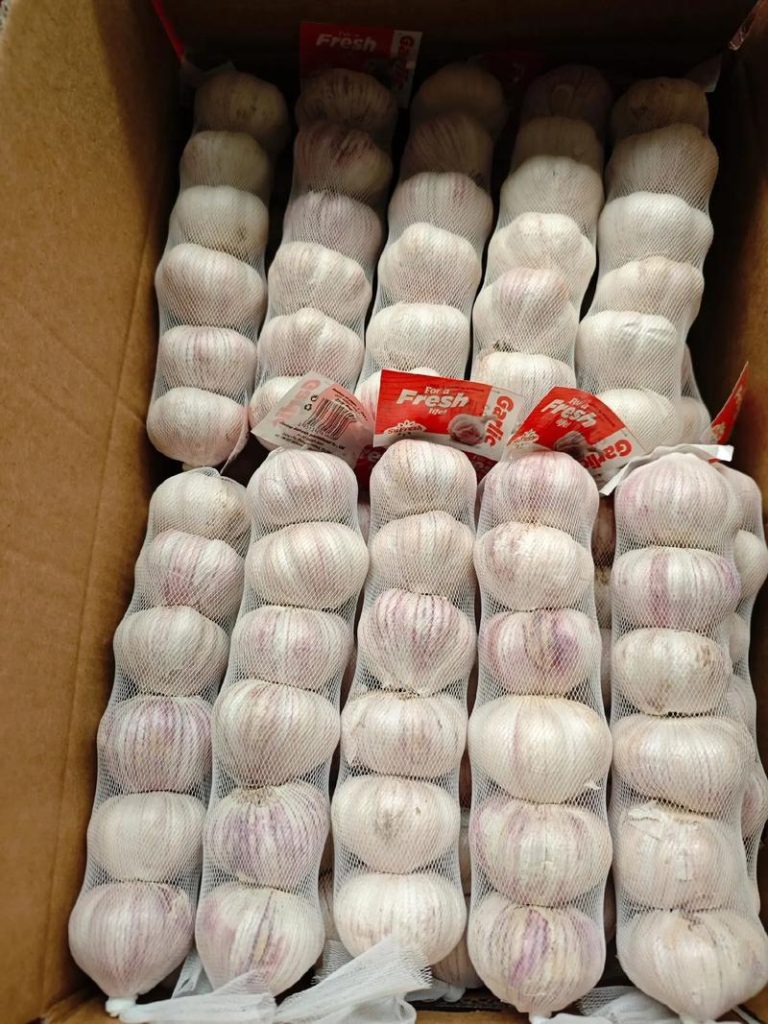
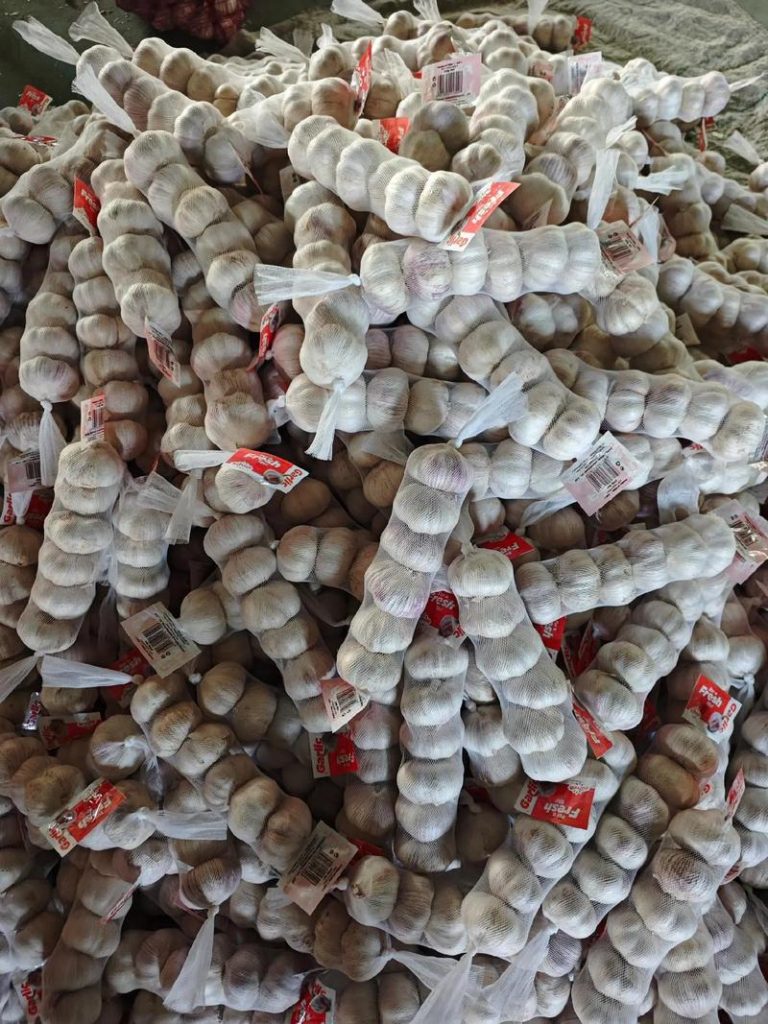
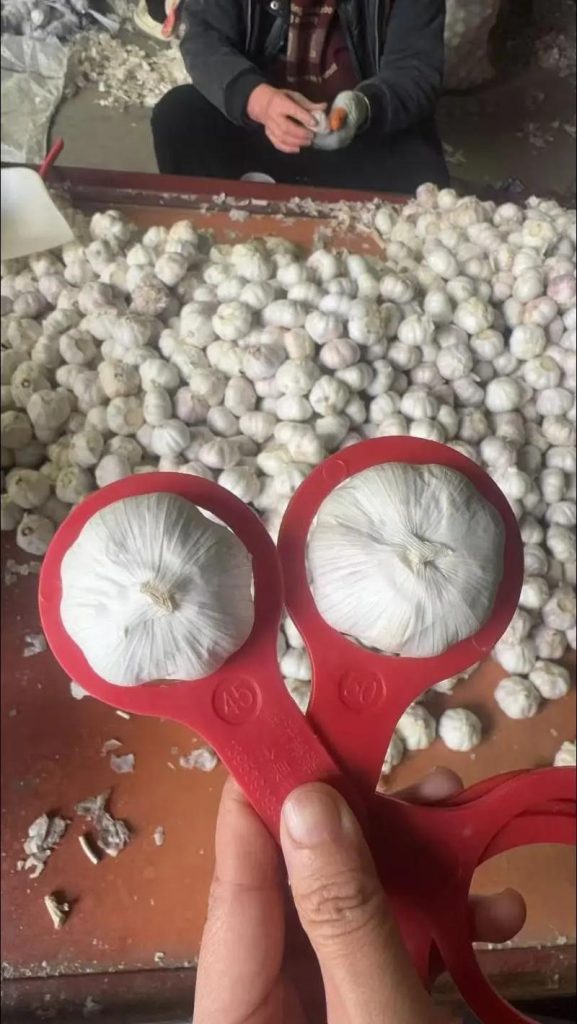
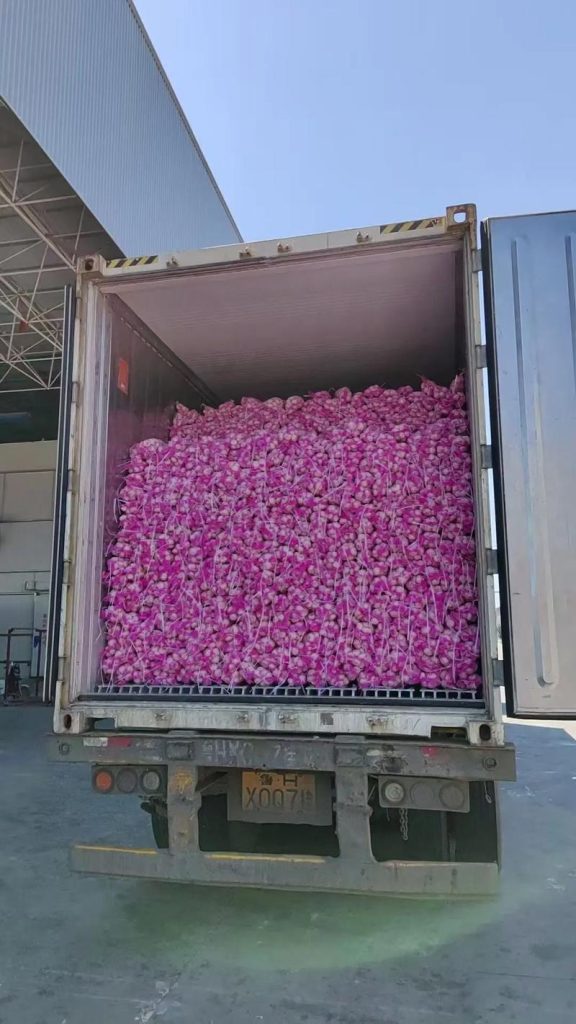
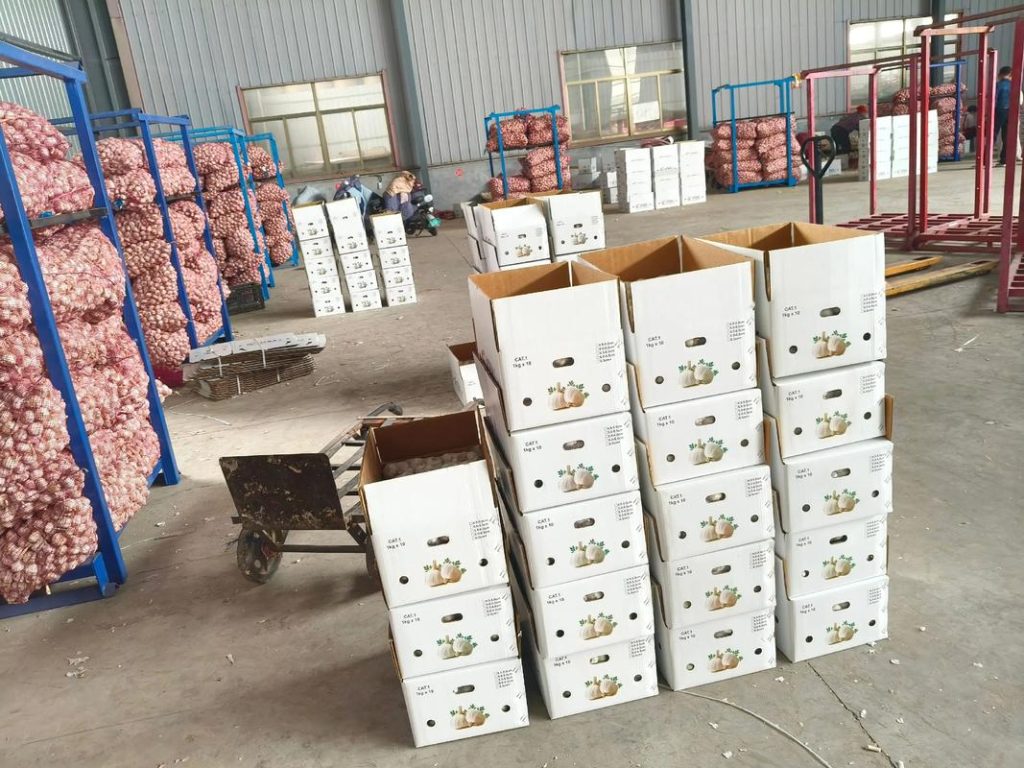
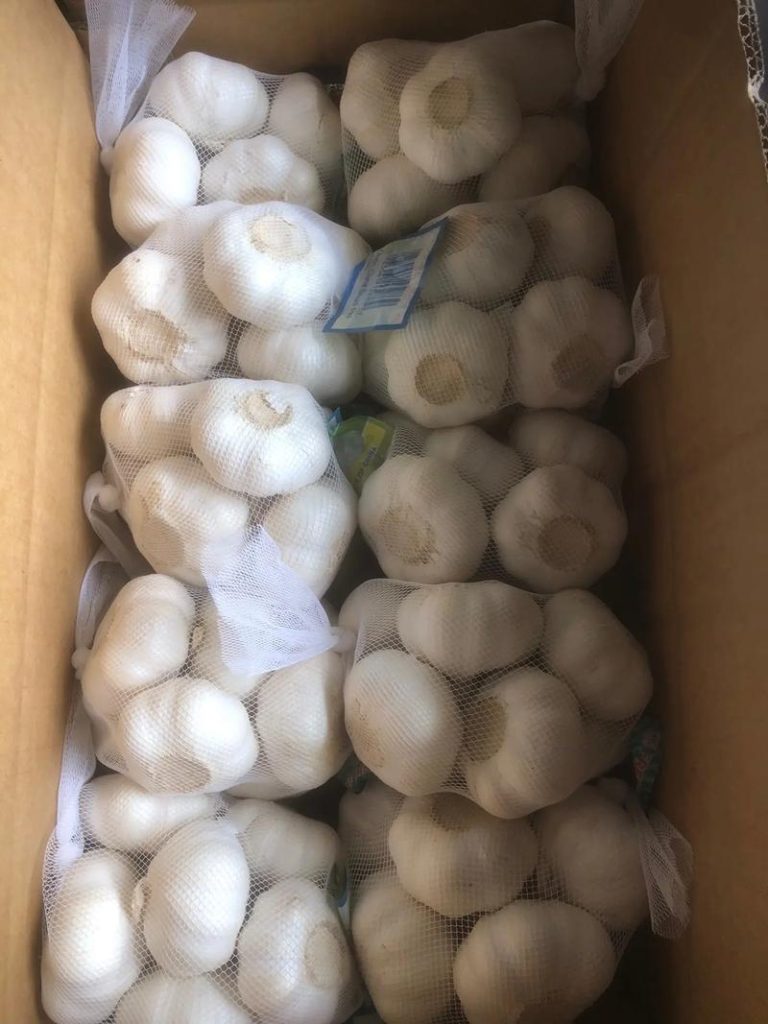
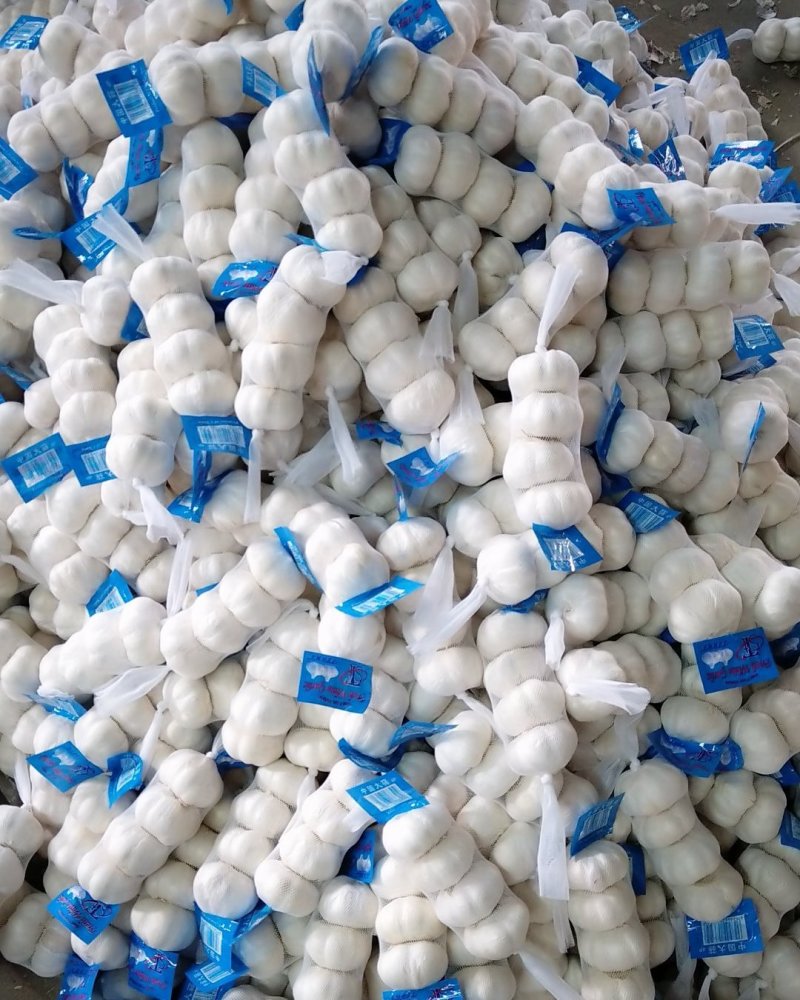
In the world of global agriculture, few commodities are as universally recognized—and as divisive in flavor—as garlic. This pungent bulb, a cornerstone of cuisines from Asia to Europe, has long been a key player in international trade. And at the heart of this trade lies China, a nation that dominates the global garlic market with an unrivaled production and export footprint. From bustling markets in Europe to family kitchens in the Middle East, Chinese garlic has become a silent but essential ingredient in daily life.
China: The World’s Garlic Powerhouse
China is the undisputed leader in garlic production, accounting for over 80% of the world’s total output. In 2022 alone, the country produced approximately 22 million metric tons of garlic, a figure that dwarfs the combined output of the next top producers (India, Bangladesh, and Egypt). This massive production is supported by ideal growing conditions: regions like Shandong, Henan, and Jiangsu boast fertile soil, temperate climates, and centuries of agricultural expertise.
But it’s not just quantity that sets China apart—it’s efficiency. Small-scale farmers, often organized into cooperatives, leverage traditional knowledge alongside modern techniques (such as drip irrigation and pest-resistant varieties) to maximize yields. Meanwhile, large-scale processing facilities ensure that garlic is cleaned, sorted, dried, and packaged quickly to meet global demand. This vertical integration allows China to offer competitive prices while maintaining consistent quality.
Why the World Buys Chinese Garlic
For importers across the globe, Chinese garlic checks all the boxes: affordability, availability, and adaptability.
-
Cost-Effectiveness: With low labor costs and high production volumes, China can supply garlic at prices significantly lower than those of other exporters. This makes it a go-to choice for budget-conscious consumers and food manufacturers.
-
Year-Round Supply: While many countries have seasonal harvests, China’s vast geographical spread allows for staggered planting and harvesting, ensuring a steady supply even during off-seasons elsewhere.
-
Variety and Customization: Beyond fresh garlic, China exports processed forms like peeled cloves, minced garlic, garlic powder, and oil. These products cater to diverse needs—from home cooks to industrial food processors. For example, European buyers often prefer peeled garlic for convenience, while Middle Eastern markets favor dried whole bulbs for long-term storage.
Quality Assurance: Meeting Global Standards
Critics sometimes raise concerns about pesticide residues or inconsistent quality in imported produce. However, China has made significant strides in addressing these issues. Many exporters now adhere to strict international standards, such as those set by the EU’s Good Agricultural Practices (GAP) or the U.S. Food and Drug Administration (FDA). Third-party certifications (e.g., ISO 22000 for food safety) are increasingly common, reassuring buyers of product integrity.
Moreover, Chinese authorities have stepped up inspections and enforcement. In recent years, crackdowns on illegal pesticide use and stricter export regulations have improved the reputation of Chinese garlic in key markets. As a result, major importers like the Netherlands, Brazil, and Indonesia continue to rely heavily on Chinese supplies.
Challenges and Opportunities
Despite its dominance, China’s garlic industry faces challenges. Climate change has led to more frequent extreme weather events (droughts, floods), threatening crop stability. Additionally, rising labor costs and competition from emerging producers (e.g., Argentina, Spain) could erode its price advantage in the long term.
Yet, opportunities abound. The growing popularity of plant-based diets and ethnic cuisines worldwide has boosted demand for garlic. China is also investing in organic garlic cultivation to tap into premium markets. By expanding into value-added products—such as garlic supplements or functional foods—exporters can further diversify their revenue streams.
A Flavor That Unites
At its core, garlic is more than a commodity; it’s a cultural bridge. Whether used to add depth to Italian pasta, spice up Mexican salsas, or enhance Indian curries, Chinese garlic plays a role in connecting people through shared flavors. Its journey from Chinese farms to global tables reflects the interconnectedness of our food systems—and the resilience of a humble bulb that refuses to be ignored.
As the world continues to crave bold, authentic tastes, one thing is clear: China’s garlic will remain a staple in kitchens everywhere, proving that even the spiciest ingredients can bring people together.
Article link:https://www.vlefooena.com/the-global-impact-of-chinas-garlic-exports-a-staple-with-a-spicy-reputation/


No reply content