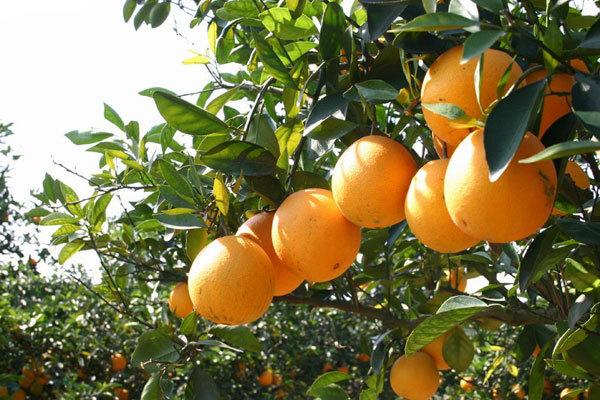
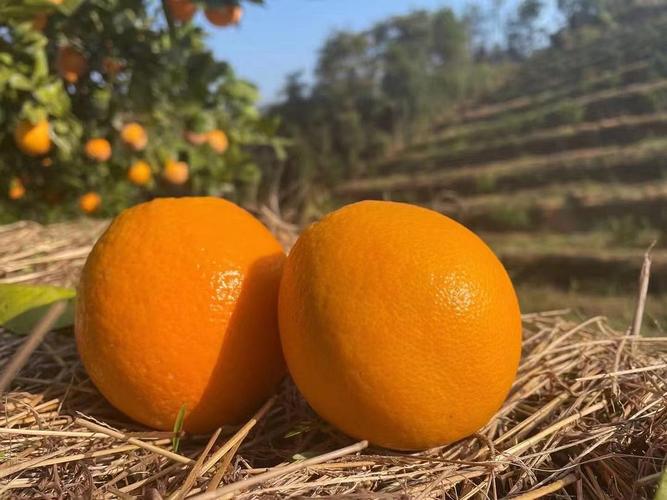
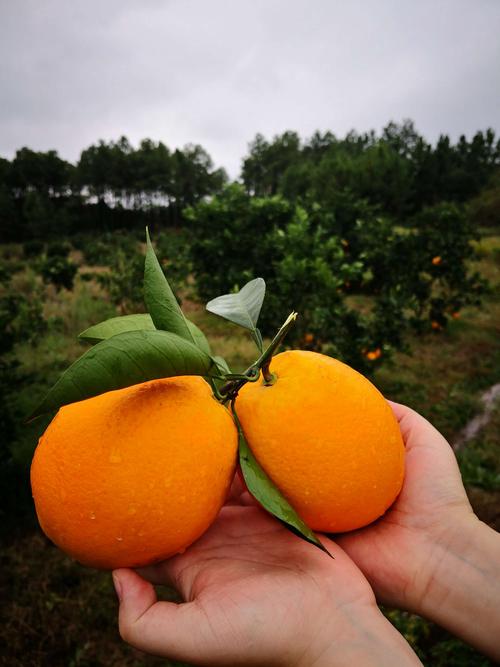
I’ve always said my veins run with orange juice. Not the store-bought kind—thick, syrupy, and distant—but the kind that soaks into your bones after a morning of pruning, or coats your hands when you’re knee-deep in compost, or lingers on your tongue after biting into a fruit so ripe it bursts like a sunrise. This is our navel orange grove, and for 42 years, it’s been more than land. It’s been my teacher, my healer, and the keeper of my family’s quiet secrets.
Grandpa’s Hands: The First Map to This Place
My grandfather, Mateo, taught me to read the grove before I could read a book. His hands—calloused, stained with citrus oil, always dusted with dirt—were my compass. “Look here,” he’d say, pressing my palm to a gnarled trunk. “Warm? Thirsty. Cool? Happy. Rough? It’s telling you it needs more mulch.”
He planted our first saplings in ’81, a row of scraggly things rescued from a floodplain. “Oranges don’t grow on maps,” he’d mutter, digging holes with a shovel he’d forged from an old plow blade. “They grow on trust. Trust the soil, trust the sun, trust the tree to know what it needs.”
That trust took years. Droughts withered young trees. Frost nipped blossoms. But Mateo never rushed. He’d sit under the oldest tree (a battle-scarred veteran he called “El Viejo”), sipping mate and watching the wind whisper through leaves. “She’ll bounce back,” he’d say. And she always did—swelling with fruit the next season, sweeter than before.
A Day in the Grove: Rhythms, Not Deadlines
Farming here isn’t about schedules. It’s about listening.
5:00 a.m.: I wake to the sound of my rooster, Pepe, crowing. I pull on boots caked in last night’s dew and head to the kitchen, where my abuela’s cast-iron skillet still holds the scent of her morning tortillas. Coffee simmers on the stove, thick and dark, as I step onto the porch. The grove glows in the pre-dawn light—rows of trees like silent sentinels, their leaves glistening with moisture. I take a deep breath. That’s the smell of home: wet soil, sun-warmed citrus, and the faint, sweet rot of fallen blossoms (proof the earth is alive).
7:30 a.m.: Check-ups. I wander the rows, fingers brushing leaves—smooth, waxy, no aphids (ladybugs are on patrol). I kneel to inspect the soil: dark, crumbly, teeming with earthworms. “Good,” I murmur. “They’re working.” Last week, I found a family of quail nesting in a low branch. I left it alone. “They’re part of the deal,” I told Pepe, who clucked in agreement.
10:00 a.m.: Harvest. My daughter, Valentina, and her friend, Marco, arrive with woven baskets. Valentina, 15, moves slow, cradling each orange like a fragile egg. “This one’s heavy,” she whispers, grinning. “Juicy, I bet.” Marco laughs, flicking a dewdrop off her nose. “Focus, amiga. We’ve got 150 trees to do.”
Imperfections: The Best Part of the Story
Not every orange is Instagram-perfect. Some have dents from branches, others are lopsided, their tops a little flat. For years, we’d toss them—or sell them cheap. Then Valentina, age 8, brought me one, its peel scuffed like an old map. “This one fought the storm!” she declared. “It’s brave!”
Brave, indeed. Now, we call them “naranjas con alma”—oranges with soul. They go to the food bank, where a single mom cries, “My kid eats these like candy—their ‘ugly’ oranges are the best.” They go to the elementary school, where kids paint them and call them “citrus superheroes.” And some stay right here, left for deer or squirrels—because even the “imperfect” ones deserve a feast.
What You’ll Taste: Sunlight, Soil, and Someone Who Cares
Bite into one of our oranges, and you’ll taste it first: a bright, tangy zing—like licking a lemon drop, but warmer, softer. Then, the sweetness unfolds, slow and rich, like honey steeped in summer. The juice runs, thick and golden, not watery. Peel it, and the skin comes away cleanly, leaving no bitter pith—just a faint, citrusy scent that lingers, like a memory of Grandpa’s old gloves.
But it’s more than taste. It’s the feel of dew on your boots at dawn. It’s Valentina’s giggle as she chases a butterfly. It’s Pepe’s crow echoing through the grove. It’s the soil, fed by coffee grounds and ladybugs, giving back its best.
Come, Taste the Story (Or Let Us Bring It to You)
If you’re ever nearby, pull up a stool under El Viejo. I’ll pour sweet tea, hand you a basket, and let you pick. I’ll show you the tree Grandpa planted the day I was born—its trunk thick, its branches still heavy with fruit. Valentina will teach you to test ripeness by smell: “If it smells like sunshine, it’s ready.” And Marco? He’ll insist you try an “adventure orange.” “It’s the best kind,” he’ll say, grinning.
If you’re far, we’ll pack your order with straw and care—no plastic, no rush. These oranges aren’t perfect. They’re not mass-made. They’re grown by people who show up, day in and day out, for the land, for the fruit, and for anyone who believes food should taste like it’s rooted in love.

No reply content