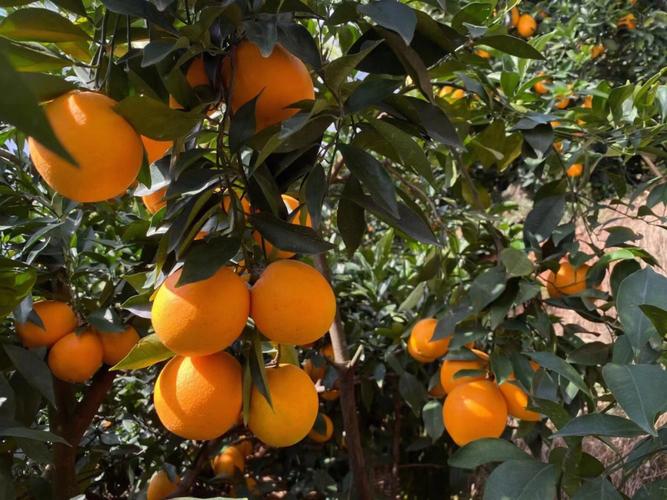
The Grove Where My Childhood Tasted Like Sunshine: Growing Navel Oranges with Roots in the Soil and Love in the Heart
If you ask me to close my eyes and picture home, I don’t see a house or a fence. I see rows of orange trees, their branches heavy with fruit that glows like little suns, and the smell of damp earth mixing with blossoms. This is our grove—where I learned to climb trees, to listen to the wind, and to understand that the sweetest things in life grow slowly, with care.
We’re a family of navel orange growers. But more than that, we’re keepers of a story written in sap, sweat, and the quiet magic of watching life unfold.
Grandma’s Tree: The First Chapter
My earliest memory is of Grandma’s tree. It stood at the edge of the grove, its trunk gnarled but strong, planted the year she married Grandpa. “This tree’s our first baby,” she’d say, plucking an orange for me, its skin still warm from the sun. “We didn’t rush it. We let it grow, like kids—slow, messy, and wonderful.”
Grandma didn’t believe in forcing things. When a drought hit in ’85, she refused to dig up the tree. “It’s got roots deeper than we think,” she insisted, hauling buckets of rainwater from the creek. By fall, the tree rewarded us with fruit so sweet it made my teeth ache. That lesson—trust the process—stuck with me. Today, we still tend that tree. Its branches bow low, heavy with oranges that taste like Grandma’s laughter.
Work That Smells Like Home
Farming here is a sensory diary.
Mornings begin with dew. I walk the rows, boots sinking into soft earth, checking leaves for aphids (ladybugs usually handle them, but I rescue stragglers with a soft brush). My coffee steams in a thermos, and somewhere, a rooster crows—old Mr. Gonzalez’s, two fields over.
Noons are for pruning. I use Grandma’s old shears, their handles worn smooth. I snip only what’s dead or crossing, never more. “Trees need room to breathe,” Mom used to say, as she hung bird feeders in the corners. Now, finches and chickadees thank us with melodies while we work.
Harvest is the best part. I start at dawn, when the oranges are cool but the sun’s already warming their skins. Workers—friends, neighbors, even my niece, Mia—move slow, hands cupped to cradle each fruit. “Not too hard,” Mia laughs, as she sets one gently in the crate. “They’re sleeping.”
Imperfections: The Sweetest Stories
Not every orange is picture-perfect. Some have a nick from a branch, others are lopsided, their tops a little flat. For years, I’d toss them—or sell them cheap. Then Mia, age 8, brought me one, its peel crumpled like an old map. “This one’s brave,” she said. “It survived the hailstorm!”
Brave, indeed. Now, we call them “adventure oranges.” They go to the food bank, where a single mom tells me, “My kid eats these like candy—their ‘ugly’ oranges are the best.” They go to the elementary school, where kids paint them and call them “citrus canvases.” And some stay right here, left for deer or squirrels—because even the “imperfect” ones deserve a feast.
What You’ll Taste: More Than Fruit
When you hold one of our oranges, I hope you feel the weight of this place. The sun that baked its skin golden. The rain that plumped its segments. The hands that picked it gently, the bees that pollinated it, the deer that kept the weeds in check.
Bite in, and taste the story. First, the bright tang—like a squeeze of morning lemonade, but warmer, softer. Then, the sweetness unfolds, slow and rich, like honey steeped in summer. The juice runs, thick and golden, not watery. Peel it, and the skin comes away cleanly, leaving no bitter pith—just a faint, citrusy scent that lingers, like a memory of Grandma’s kitchen.
Come, Sit a Spell (Even If You’re Far)
If you’re ever nearby, pull up a stool under the old oak. I’ll pour sweet tea, hand you a basket, and let you pick. I’ll show you Grandma’s tree—its trunk thick, its branches still heavy with fruit. Mia will teach you to test ripeness by smell: “If it smells like sunshine, it’s ready.” And Mom’s ghost? She’ll hum from the kitchen, where she’s probably baking orange muffins for the next visitor.
If you’re far away, we’ll pack your order with straw and care—no plastic, no rush. These oranges aren’t perfect. They’re not mass-made. They’re grown by someone who shows up, day in and day out, for the land, for the fruit, and for anyone who believes food should taste like it’s rooted in love.
So go ahead. Peel one. Let the juice drip. And taste the time, the tenderness, and the tiny, beautiful scars that made it possible.
Our grove is here. And it’s waiting to share its heart with you.

No reply content