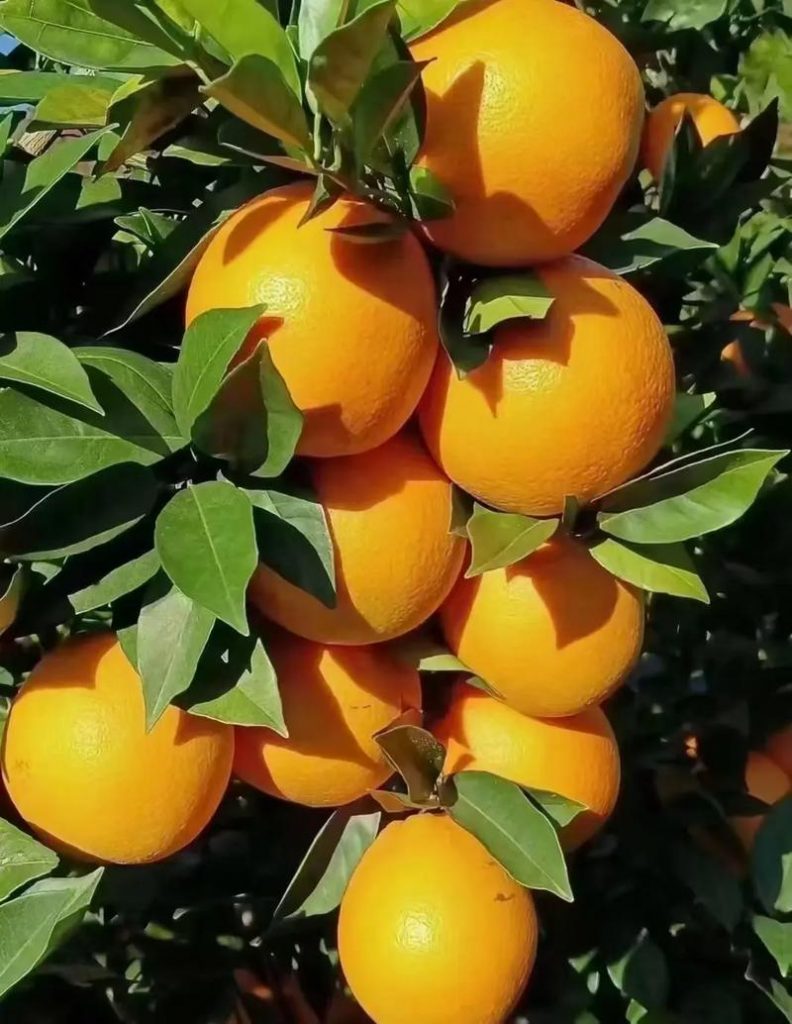
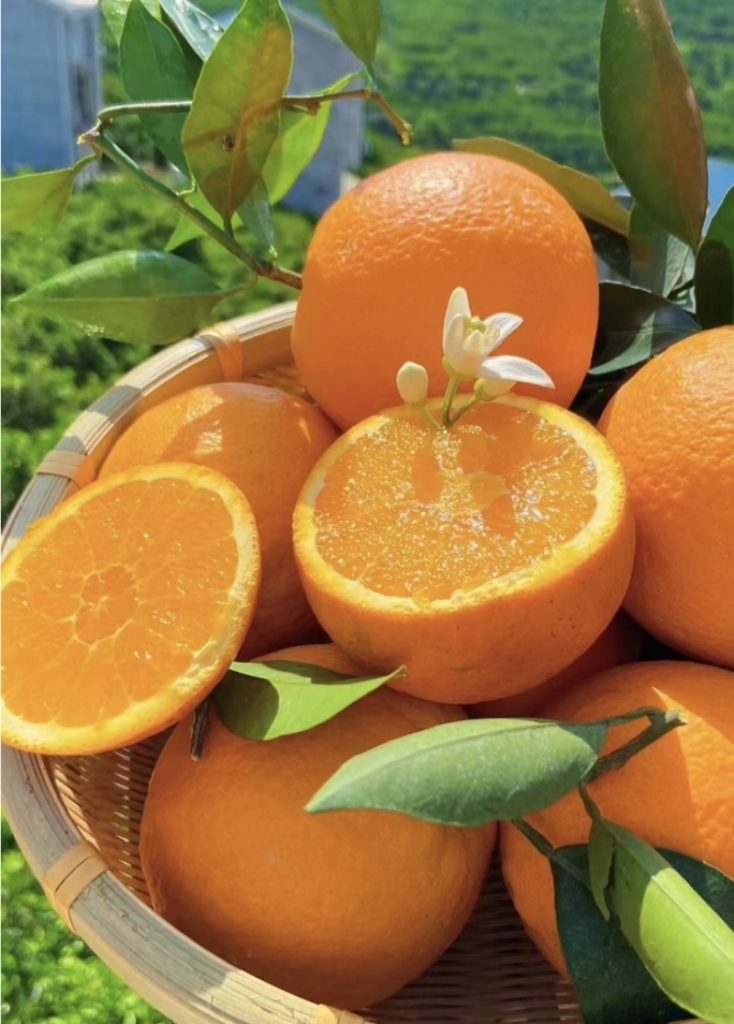
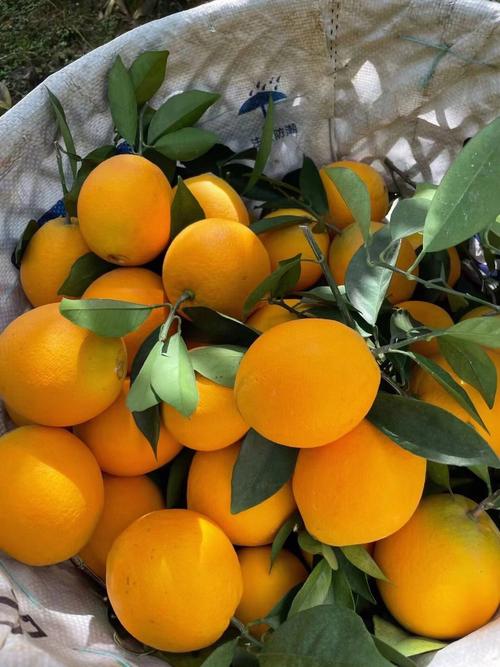
I never meant to be a farmer. I studied literature, dreamed of editing books, of smelling ink and old paper—not dirt and citrus oil. But life has a way of rerouting you, like a creek carving its own path through stone. Twenty years ago, I came home to help my dad with his “little orange grove,” and now? I can’t imagine life without the rustle of leaves, the weight of a ripe orange in my palm, or the way the sun glints off dewy fruit at dawn. This isn’t just a farm. It’s where I found myself—and where I learned to listen to the earth.
Dad’s Rules: “Oranges Need Room to Breathe”
Dad planted our first trees in ’98, a row of scraggly saplings he’d saved from a failed orchard down the road. “They’re fighters,” he said, wiping sweat from his brow as he dug holes twice as deep as the root balls. “But they need space. Don’t crowd ’em. Don’t rush ’em.”
He hated shortcuts. No synthetic fertilizers—only compost from our kitchen (coffee grounds, eggshells, wilted spinach), and piles of leaves left to rot into black gold. “The soil’s the real parent,” he’d mutter, kneeling to pat the earth around a sapling. “We’re just helpers.”
I rolled my eyes then. Now? I do the same. Our soil is dark, crumbly, alive—teeming with earthworms that leave tiny castings, and beetles that munch on pests. We let clover grow between rows, not just for beauty, but to fix nitrogen and feed the bees. Dad’s old wheelbarrow still sits in the shed, its wood cracked but beloved—a relic of a man who believed farming was less about work, more about reverence.
A Day in the Grove: No Alarms, Just Rhythms
Here, time bends to the sun’s schedule.
5:30 a.m.: I wake to the sound of my dog, Buddy, nudging my foot. He knows the drill: coffee first, then boots. I sip chicory coffee on the porch, watching fog lift off the fields, revealing rows of trees just starting to glow. Dew drips from leaves, sticky-sweet, and somewhere, a mockingbird sings.
7:00 a.m.: Check-ups. I wander the rows, fingers brushing leaves—smooth, waxy, no aphids (ladybugs are on patrol). I note which trees need water (only the young ones; the old ones have roots deep enough to find it themselves). Last week, I found a nest of baby bluebirds in a low branch. I left it alone. “They’re part of the family,” I told Buddy, who yawned in agreement.
10:00 a.m.: Harvest. Workers—my sister, Maria, and her teenage son, Luis—arrive with wicker baskets. We move slow, hands cupped to cradle each orange. Luis grumbles about “stupid fruit,” but I catch him grinning when an orange slips from his grasp and rolls, sunlight glinting off its skin. “It’s just saying hello,” I tease. He rolls his eyes but tosses it gently into the crate.
Imperfections: The Best Part of the Story
Not every orange is picture-perfect. Some have dents from branches, others are lopsided, their tops a little flat. For years, we’d toss them—or sell them cheap. Then Maria, age 10, brought me one, its peel scuffed like an old coin. “This one’s brave,” she said. “It survived the storm!”
Brave, indeed. Now, we call them “adventure oranges.” They go to the food bank, where a single dad tells me, “My kid eats these like candy—their ‘ugly’ oranges are the best.” They go to the elementary school, where kids paint them and call them “citrus canvases.” And some stay right here, left for deer or squirrels—because even the “imperfect” ones deserve a feast.
What You’ll Taste: Sunlight, Soil, and Someone Who Cares
Bite into one of our oranges, and you’ll taste it first: a bright, tangy zing—like licking a lemon drop, but warmer, softer. Then, the sweetness unfolds, slow and rich, like honey steeped in summer. The juice runs, thick and golden, not watery. Peel it, and the skin comes away cleanly, leaving no bitter pith—just a faint, citrusy scent that lingers, like a memory of Dad’s wheelbarrow.
But it’s more than taste. It’s the feel of dew on your boots at dawn. It’s Luis’s fake grumbles turning to pride. It’s Buddy’s tail thumping as he chases a butterfly. It’s the soil, fed by coffee grounds and ladybugs, giving back its best.
Come, Taste the Story (Or Let Us Bring It to You)
If you’re ever nearby, pull up a stool on the porch. I’ll make you sweet tea, and we’ll walk the rows together. I’ll show you the tree Dad planted the day I graduated college (it’s the tallest one, its trunk scarred from a lightning strike but still bearing fruit). Maria will teach you to clap when you find a perfectly round orange (“That’s a happy one!”). And Luis? He’ll insist you try an “adventure orange.” “It’s the best kind,” he’ll say, grinning.
If you’re far, we’ll pack your order with care: straw instead of plastic, hand-tied twine around crates, a handwritten note tucked inside (“Picked at sunrise—hope it tastes like home”). These oranges aren’t perfect. They’re not mass-produced. They’re grown by someone who loves this land, who talks to trees, and who wants you to taste the heart behind every bite.
So go ahead. Peel that orange. Let the juice drip down your wrist. Close your eyes, and picture a grove where the sun hums, the soil sings, and a woman named [Your Name] is grinning, because she knows—you’re tasting more than fruit.
You’re tasting a story.
Our grove is here. And it’s waiting to share it with you—one sticky, sweet, sun-kissed orange at a time.

No reply content