The Grove Where Time Grows Slow: A Navel Orange Story, Rooted in Dirt and Kinship
I’ve been kneeling in this soil since I was six, my tiny palms pressed against the rough bark of our first navel orange tree. Back then, it stood no taller than me—a scraggly thing my father had planted after a drought, its roots digging deep into cracked earth like desperate fingers. “Oranges don’t grow on hurry,” he’d say, wiping sweat from his brow. “They grow on patience. On listening.”
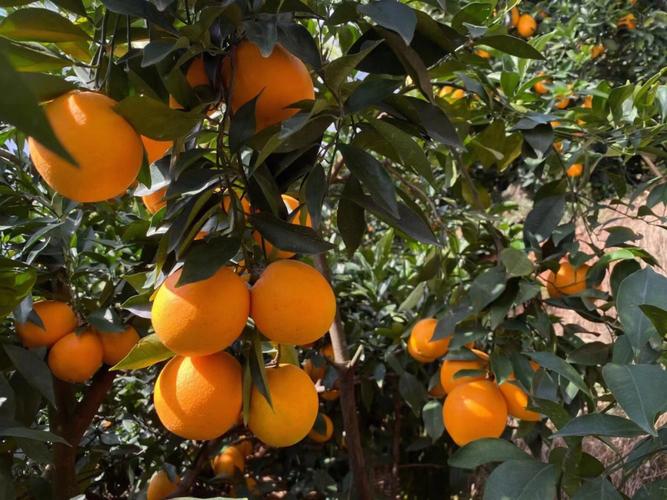
Today, that tree is the elder of our grove. Its trunk is wider than my chest, its branches bowing low with fruit that glows like liquid amber in the winter sun. And my hands? They’re still calloused, still stained with citrus oil—proof that some lessons stick, even after 30 years of dawn-to-dusk work. This isn’t a farm. It’s a living archive, and every orange here carries a story: of storms weathered, of hands that chose to nurture instead of exploit, and of a family that believes food should taste like home.
Dad’s Rule: “The Tree Knows What It Needs”
My father, Carlos, was a man of few words, but his actions spoke volumes. When he bought this land in ’91, it was a barren patch, scoured by years of over-farming. “We’ll start small,” he said, digging holes with a shovel he’d borrowed from a neighbor. “Three trees. See if they like it here.”
He refused to rush. No synthetic fertilizers—only compost from our kitchen (coffee grounds, eggshells, wilted spinach) and piles of leaves left to rot into black gold. “The soil’s the real farmer,” he’d mutter, kneeling to pat the earth around a sapling. “We’re just helpers.”
That first winter, a frost nipped the blossoms. Dad didn’t panic. He strung Christmas lights in the branches (a trick he’d heard from an old rancher) and sat under the tree, sipping hot cocoa, muttering, “She’ll remember. Trees have good memories.” By spring, the grove bloomed—plump, fragrant, like nature’s way of saying, “Thank you for waiting.”
A Day in the Grove: No Alarms, Just Rhythms
Here, time bends to the sun’s schedule.
5:45 a.m.: I wake to the sound of my dog, Luna, nudging my foot. She knows the drill: coffee first, then boots caked in last night’s dew. I sip chicory coffee on the porch, watching fog lift off the fields, revealing rows of trees just starting to glow. Dew drips from leaves, sticky-sweet, and a mockingbird sings—a sound so familiar, it’s like a morning hug.
7:30 a.m.: Check-ups. I wander the rows, fingers brushing leaves—smooth, waxy, no aphids (ladybugs are on patrol). I kneel to inspect the soil: dark, crumbly, teeming with earthworms. “Good,” I murmur. “They’re working.” Last week, I found a nest of baby bluebirds in a low branch. I left it alone. “They’re part of the family,” I told Luna, who yawned in agreement.
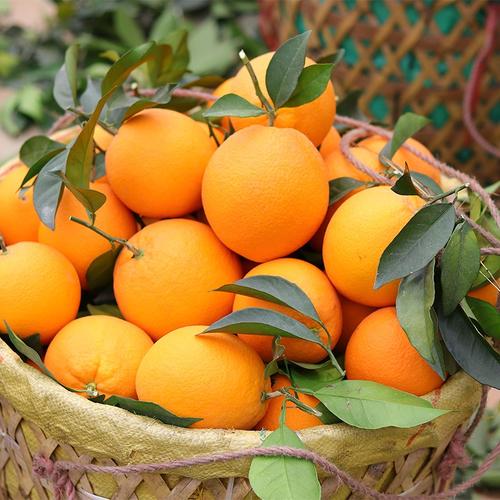
10:00 a.m.: Harvest. My sister, Elena, and her son, Mateo, arrive with wicker baskets. Mateo, 12, moves slow, cradling each orange like a baby bird. “This one’s heavy,” he whispers, grinning. “Juicy, I bet.” Elena laughs, tossing a rogue leaf at him. “Focus, mijo. We’ve got 180 trees to do.”
Imperfections: The Best Kind of Story
Not every orange is Instagram-ready. Some have dents from branches, others are lopsided, their tops a little flat. For years, we’d toss them—or sell them cheap. Then Mateo, age 7, brought me one, its peel scuffed like an old map. “This one fought the storm!” he declared. “It’s brave!”
Brave, indeed. Now, we call them “naranjas con historia”—oranges with stories. They go to the food bank, where a single mom cries, “My kid eats these like candy—their ‘ugly’ oranges are the best.” They go to the elementary school, where kids paint them and call them “citrus superheroes.” And some stay right here, left for deer or squirrels—because even the “imperfect” ones deserve a feast.
What You’ll Taste: Sunlight, Soil, and Someone Who Cares
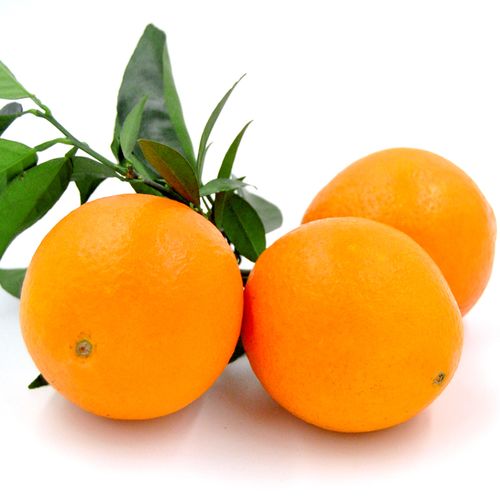
Bite into one of our oranges, and you’ll taste it first: a bright, tangy zing—like licking a lemon drop, but warmer, softer. Then, the sweetness unfolds, slow and rich, like honey steeped in summer. The juice runs, thick and golden, not watery. Peel it, and the skin comes away cleanly, leaving no bitter pith—just a faint, citrusy scent that lingers, like a memory of Dad’s old gloves.
But it’s more than taste. It’s the feel of dew on your boots at dawn. It’s Mateo’s giggle as he chases a butterfly. It’s Luna’s tail thumping as she guards the crates. It’s the soil, fed by coffee grounds and ladybugs, giving back its best.
Come, Taste the Story (Or Let Us Bring It to You)
If you’re ever nearby, pull up a stool under the old oak. I’ll pour sweet tea, hand you a basket, and let you pick. I’ll show you Dad’s first tree—its trunk thick, its branches still heavy with fruit. Elena will teach you to test ripeness by smell: “If it smells like sunshine, it’s ready.” And Mateo? He’ll insist you try an “adventure orange.” “It’s the best kind,” he’ll say, grinning.
If you’re far, we’ll pack your order with straw and care—no plastic, no rush. These oranges aren’t perfect. They’re not mass-made. They’re grown by people who show up, day in and day out, for the land, for the fruit, and for anyone who believes food should taste like it’s rooted in love.
Article link:https://www.vlefooena.com/the-grove-where-time-grows-slow-a-navel-orange-story-rooted-in-dirt-and-kinship/

No reply content