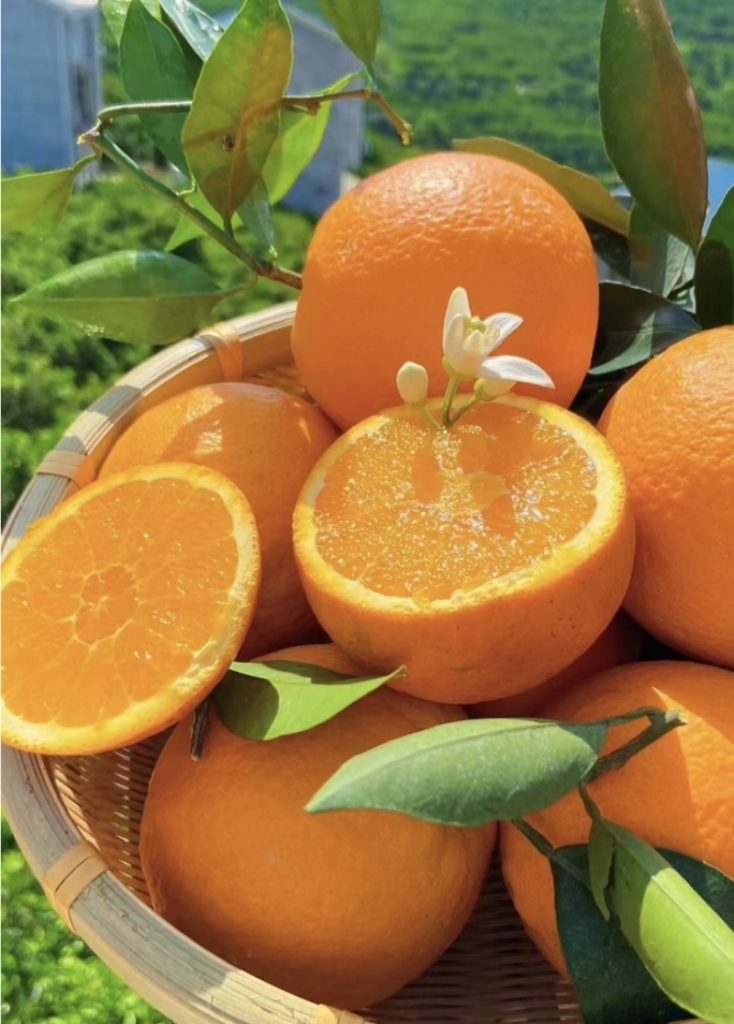
If you visit our grove, don’t expect a polished sign or a row of identical trees. What you’ll find is messier, softer, alive: trunks gnarled from decades of wind, leaves speckled with ladybug freckles, and oranges so plump they strain the branches—each one a little different, just like us. This is where I’ve spent my life, where my hands know every root, and where the soil smells like memory. We’re not growing oranges. We’re growing stories.
Grandpa’s Scar: The Mark of a Gardener
Grandpa’s left hand bore a scar—a deep, white line from a pruning accident when he was 22. “Proof I cared enough to get hurt,” he’d joke, flexing his fingers as he showed me how to snip a branch. That scar became our first lesson: Love leaves marks.
He planted his first saplings in 1958, using a shovel he’d forged from scrap metal. “Oranges aren’t about speed,” he’d say, wiping dirt from his brow. “They’re about showing up—every day, even when it’s hot, even when it’s raining.” We still tend the grove that way.
We don’t use loud machines for harvest. Workers carry wicker baskets, moving slow enough to notice when a branch sags (too much fruit) or a leaf yellows (needs compost). Miguel, who’s picked here since he was 17, can tell a ripe orange by its “weight in the hand”—heavy, but not hard. “Like holding a secret,” he grins. “You know it’s good before you even peel it.”
Small Joys, Big Lessons
Farming here is a mosaic of tiny moments.
Dawn starts with dew. We walk the rows, boots squelching, checking for aphids (ladybugs handle most, but we rescue stragglers with a soft brush). My daughter, Lila, 7, collects fallen blossoms in a jar. “For perfume,” she declares. “Oranges smell like happiness.”
Noon is for lunch under the mesquite tree. We unpack tamales from Doña Rosa’s kitchen, share stories, and let the oranges rest. Last week, a fawn wandered into the grove, unafraid, nibbling fallen fruit. We sat very still, watching it—proof that this place belongs to more than just us.
Evening is for sorting. We don’t toss “imperfect” oranges. A nicked one goes to the school cafeteria, where kids call them “adventure fruit.” A lopsided one? To the bakery, where Doña Rosa uses them to make juice for her customers. “Flaws taste like character,” she says, and we agree.
The Soil Remembers Everything
Our soil is dark, crumbly, and alive—fed by compost from kitchen scraps, cover crops, and the occasional bucket of coffee grounds from the diner. We don’t till it. We let worms and beetles do the work, turning yesterday’s waste into tomorrow’s feast.
Last spring, a wildfire threatened the neighboring hills. We dug firebreaks with shovels, smudging the air with smoke, but mostly, we prayed. When it passed, our grove was unharmed—but the soil felt different. Richer. Like it had held its breath, then exhaled relief. “The land remembers kindness,” Grandpa used to say. Now, I believe it.
What You’ll Taste: More Than Fruit
Bite into one of our oranges, and you’ll taste it first: a bright, tangy zing—like licking a lemon drop, but warmer, softer. Then, the sweetness floods in—honey-rich, with a hint of jasmine from the wildflowers we plant for bees. The juice runs, thick and golden, not watery. Peel it, and the skin comes away cleanly, leaving no bitter pith—just a faint, citrusy scent that lingers, like a memory of sunshine.
But taste deeper. Taste the dew on the grass at dawn. Taste Lila’s laughter as she collects blossoms. Taste Miguel’s quiet pride in his work. Taste Grandpa’s scar, still faint but present, a mark of love passed down.
Come, Share the Story
If you’re nearby, pull up a stool under the mesquite. We’ll pour sweet tea, hand you a basket, and let you pick. I’ll show you Grandpa’s first tree—its trunk thick, its branches still heavy with fruit. Lila will teach you to collect blossoms, and Miguel will share his trick: “Smell the stem end. If it smells like a sunny day, it’s ready.”
If you’re far away, we’ll pack your order with straw and care—no plastic, no rush. These oranges aren’t perfect. They’re not mass-made. They’re grown by people who show up, day in and day out, for the land, for the fruit, and for anyone who believes food should taste like it’s rooted in something real.
So go ahead. Peel one. Let the juice drip. And taste the time, the tenderness, and the tiny, beautiful scars that made it possible.
Our grove is here. And it’s waiting to share its sunshine with you.

No reply content