The Heavy-Duty Grid Pattern Plastic Pallet: Optimizing Industrial Handling for Efficiency and Safety
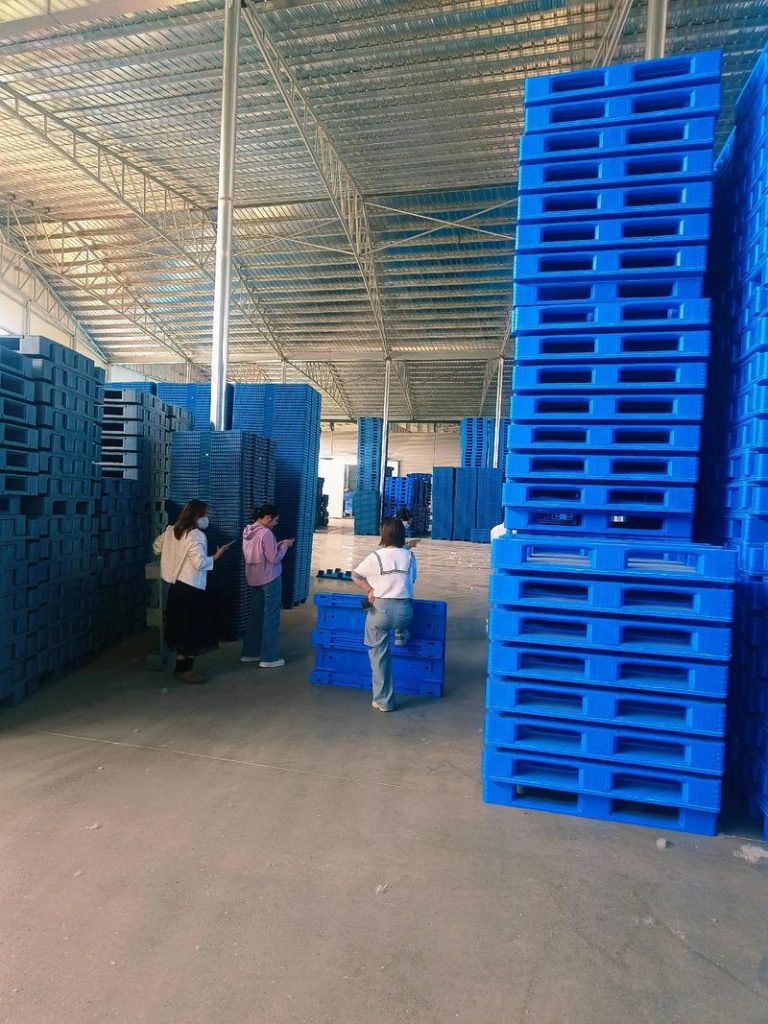
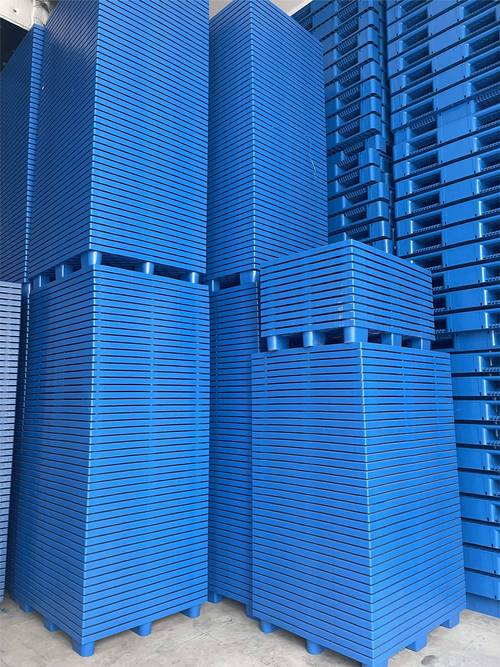
In the bustling ecosystem of modern industry—from sprawling warehouse floors to busy production lines—the choice of material handling equipment forms the silent backbone of operational success. Among these critical tools, the plastic pallet has evolved from a simple alternative to wood into a sophisticated, engineered solution. This article provides an in-depth exploration of a specific, highly functional variant: the heavy-duty grid pattern plastic pallet for industrial handling. Designed for rigorous daily use, this pallet combines structural intelligence with durable materials to address the core challenges of modern logistics: safety, efficiency, and cost.
I. A Closer Look: Deconstructing the Design
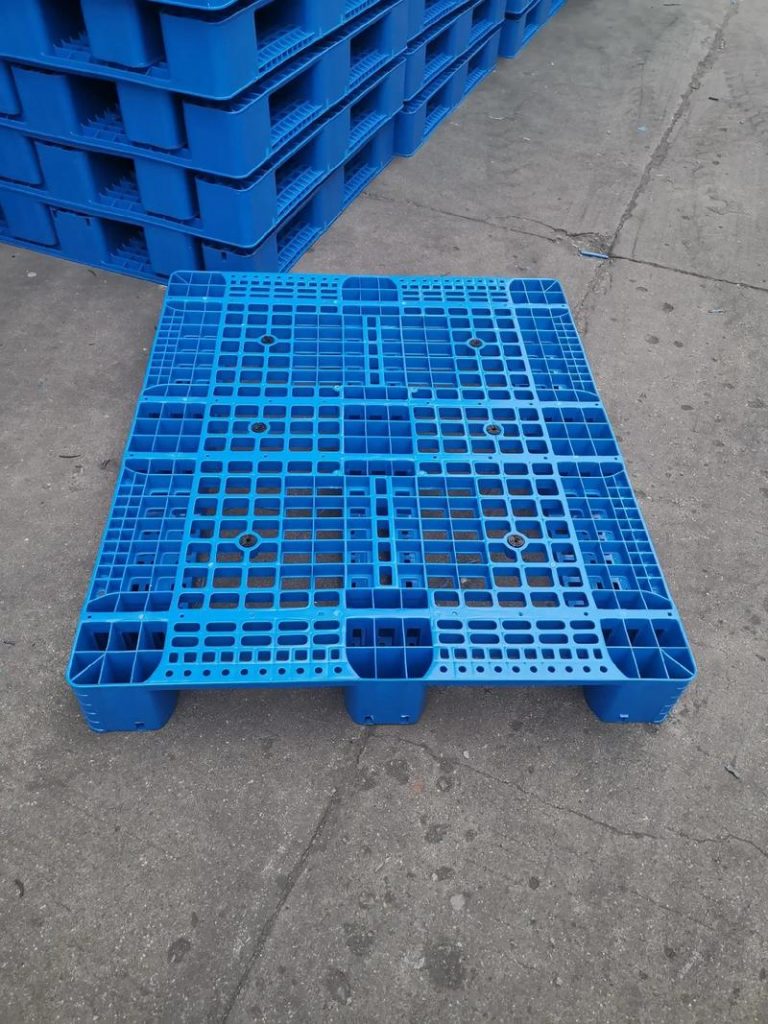
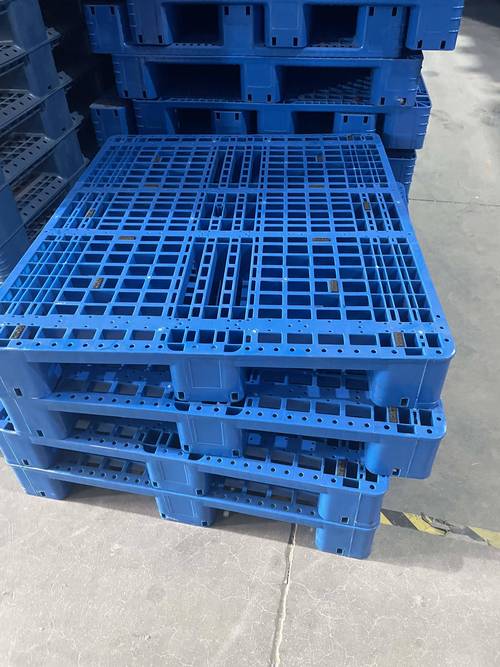
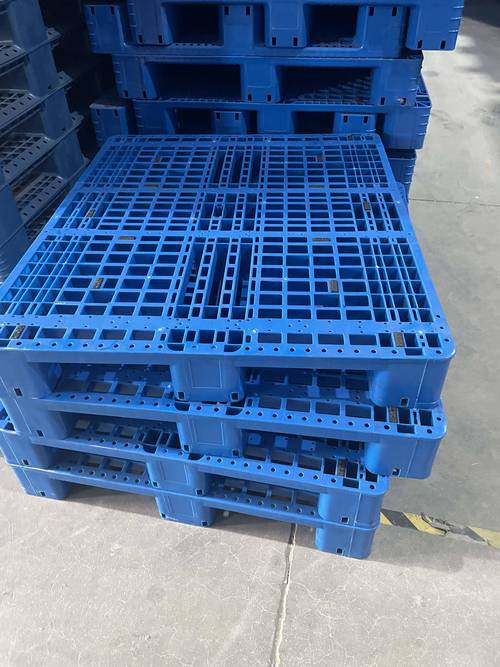
Visually striking in its standard industrial blue, the pallet in question is a masterclass in functional design. Its structure is immediately identifiable by a prominent, repeating pattern of diamond-shaped openings, forming a rigid grid across its primary load surface. This is not merely an aesthetic choice; it is a calculated engineering decision. The grid pattern, created by a network of interlocking ribs, provides exceptional strength-to-weight ratio. It distributes heavy loads evenly across the entire surface while significantly reducing the pallet’s overall mass, making it easier to handle without sacrificing capacity.
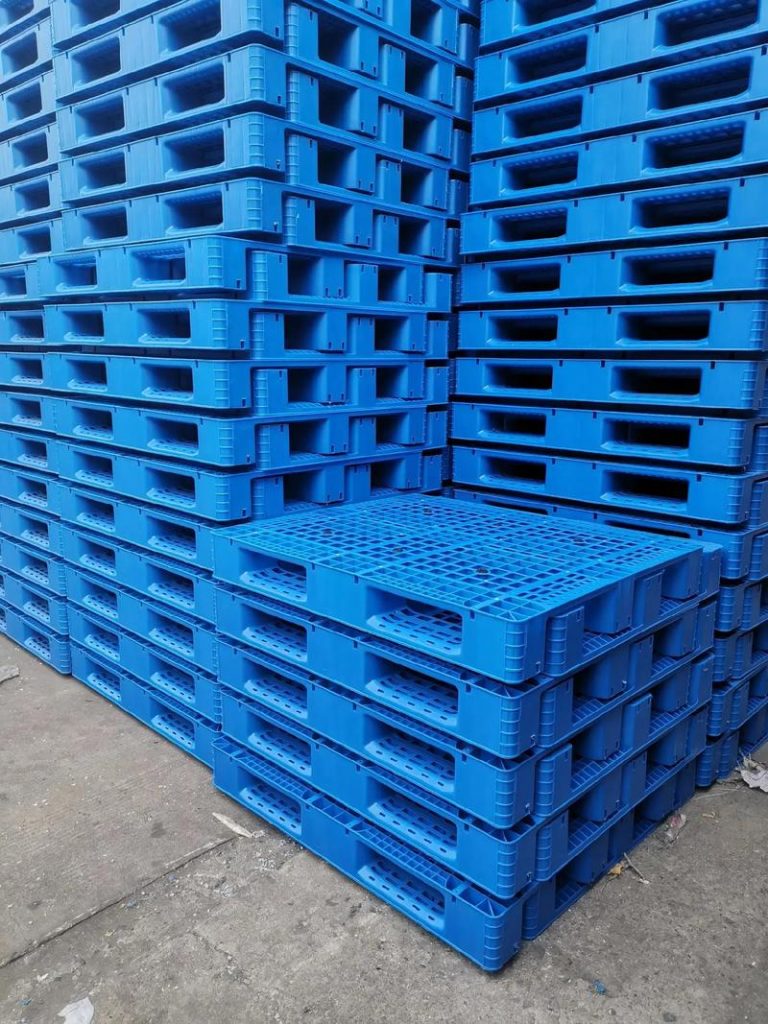
Flanking this central grid are strategically placed, deep recesses along all four sides. These recesses serve as the critical four-way entry points for forklift tines and pallet jacks. Unlike some designs that only allow two-way access, this feature grants operators complete flexibility in maneuvering, drastically reducing handling time and simplifying operations in confined spaces. The pallet is elevated by robust, cylindrical feet. In many advanced models, these are designed as integrated low-friction glide feet, facilitating smoother sliding and repositioning when under partial load or when being manually shifted into final position, thereby reducing strain on equipment and personnel.
II. Core Material Advantages: Built for the Long Haul
Manufactured from high-performance, injection-molded polymers like High-Density Polyethylene (HDPE) or Polypropylene (PP), this pallet is defined by its resilience. Unlike traditional materials, high-grade plastic offers inherent benefits crucial for industrial environments:
-
Hygiene and Cleanliness: The non-porous surface resists moisture, bacteria, and chemical absorption. It can be easily and thoroughly cleaned with steam, pressure washers, or disinfectants, making it ideal for regulated industries such as food and beverage, pharmaceuticals, and chemicals.
-
Exceptional Durability: It resists splintering, cracking, and corrosion. It is impervious to pests like insects and rodents, and unaffected by humidity or temperature fluctuations that warp and degrade wood. This translates to a dramatically longer service life and a lower total cost of ownership.
-
Inherent Safety: The absence of nails, splinters, and sharp edges creates a safer environment for workers. The consistent, predictable weight and structure also reduce the risk of load instability and handling accidents.
III. The Grid Advantage: More Than Meets the Eye
The defining grid pattern delivers a suite of operational benefits that a solid-deck pallet cannot match:
-
Optimal Ventilation and Drainage: The open lattice structure allows air to circulate freely around stored goods. This is vital for products requiring climate control or for preventing condensation in cold storage. Similarly, liquids from spills or during wash-downs drain quickly, preventing pooling that can damage products or create slip hazards.
-
Reduced Weight and Material Use: The grid design uses material only where strength is needed, making the pallet significantly lighter than a solid deck of equivalent strength. This reduces shipping costs for the pallet itself and can lead to fuel savings during transportation of loaded units.
-
Debris Management: Loose dirt, granules, or other small particles can fall through the openings rather than accumulating on the pallet surface, helping to maintain a cleaner handling and storage environment.
-
Compatibility with Automation: The uniform, predictable surface and structure are perfectly suited for automated storage and retrieval systems (AS/RS), conveyor belts, and robotic palletizers, which require precise dimensional stability.
IV. Applications Across the Industrial Spectrum
The versatility of the heavy-duty grid plastic pallet makes it a universal asset. Key application areas include:
-
Warehousing and Distribution: Its strength makes it perfect for racking systems (when designed for such use), high stacking, and repeated shipping cycles. The four-way entry speeds up loading and unloading processes.
-
Manufacturing and Production Lines: The durable surface can withstand heavy, sharp-edged components. The glide feet allow for easy movement between workstations, supporting just-in-time manufacturing flows.
-
Export and International Shipping: As a phytosanitary measure, plastic pallets are exempt from ISPM 15 regulations required for wood. This eliminates the costs and delays associated with heat treatment or fumigation, streamlining international logistics.
-
Retail and Grocery Distribution Centers: The clean, professional appearance and hygienic properties support direct-to-store shipping models, especially for perishable goods.
V. Selecting the Right Pallet: Key Considerations
When specifying a heavy-duty grid pattern pallet, consider these factors to ensure optimal performance:
-
Load Capacity: Clearly distinguish between dynamic load (weight while being moved by a forklift) and static load (weight in stationary storage or racking). Always choose a pallet with ratings exceeding your maximum expected loads.
-
Racking Compatibility: Confirm the pallet is explicitly rated for your specific racking system (e.g., selective, drive-in). Racking imposes unique stresses, and not all pallets are designed for it.
-
Environmental Conditions: While resistant to most chemicals, verify compatibility with any specific substances in your facility. For freezer applications, ensure the polymer blend is rated for extreme low temperatures to prevent brittleness.
-
Footprint and Dimensions: Ensure the pallet’s dimensions (e.g., standard 48″ x 40″ or Euro 1200mm x 800mm) are compatible with your containers, trucks, and racking bays.
Conclusion
The modern heavy-duty grid pattern plastic pallet is a testament to how intelligent design and advanced materials can solve multiple industrial challenges simultaneously. It is a tool that enhances safety through its consistent construction, promotes hygiene with its easy-clean surface, drives efficiency with its four-way entry and lightweight design, and ensures economy through its long, maintenance-free lifespan. For operations seeking to optimize their material handling workflow, reduce long-term costs, and build a more resilient supply chain, investing in this engineered pallet solution is a strategic step toward achieving those goals. It is not just a platform for holding goods; it is a foundational component for a smoother, safer, and more productive industrial operation.


No reply content