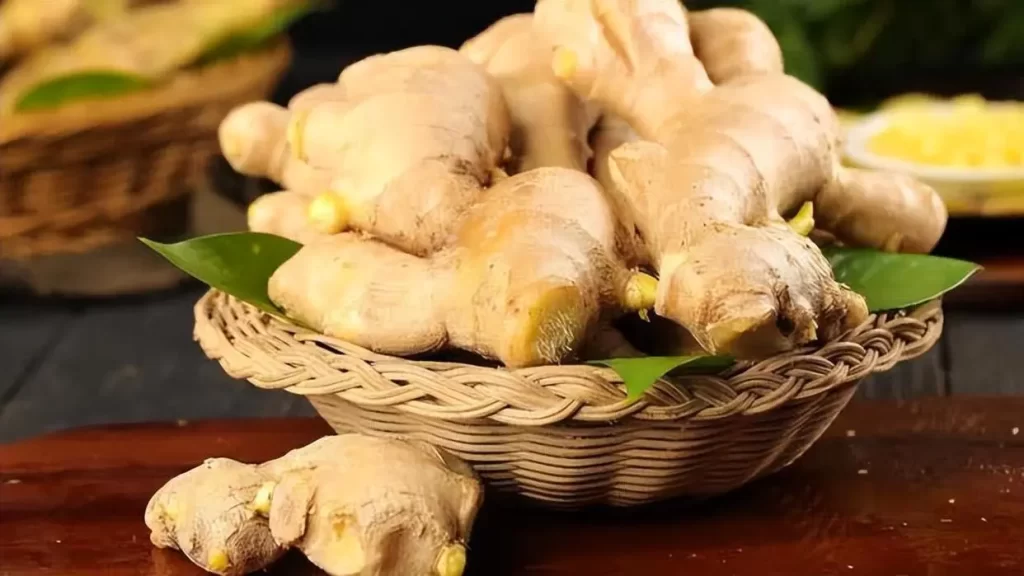
From Shandong to Yunnan: How China’s Ginger Regions Set the Standard for Excellence
Across China’s vast landscape, ginger thrives in regions as distinct as the terroir itself. From Shandong’s sun-drenched plains to Yunnan’s misty highlands, each area cultivates a unique version of the root—united by a shared commitment to quality. Together, they form a mosaic of excellence that defines global ginger standards.
The North Star: Shandong, China’s “Ginger Capital”
Nestled in the temperate plains of eastern China, Shandong Province is the backbone of the nation’s ginger industry. For over 500 years, its cities—notably Anqiu, often called the “Ginger Heartland”—have perfected the art of growing, processing, and exporting the root. What makes Shandong exceptional?
Terroir and Tradition
Shandong’s sandy loam soil, mild winters, and abundant sunlight create ideal conditions for ginger to develop thick, plump rhizomes with a balanced spicy-sweet flavor. Local farmers, many from families with three generations of experience, follow time-tested practices: planting by the lunar calendar to align with seasonal rainfall, rotating crops to maintain soil fertility, and using natural compost instead of synthetic fertilizers. The result? Ginger with a consistent texture and robust aroma—perfect for mass-market products like powders, pickles, and beverages.
Scale and Innovation
Shandong’s strength lies in its ability to merge tradition with industrial efficiency. The province produces 40% of China’s total ginger output (over 1.2 million metric tons annually), with 80% earmarked for export. Large cooperatives dominate here, operating state-of-the-art facilities:
-
Mechanized Planting: GPS-guided tractors plant seeds in precise rows, reducing labor by 30% while ensuring uniform growth.
-
Smart Irrigation: Drip systems adjust water flow based on soil moisture sensors, cutting water use by 25%.
-
Post-Harvest Mastery: After harvest, roots are washed, cured in temperature-controlled barns (to develop flavor), and sorted by size using AI-powered cameras.
Anqiu’s “Ginger Industrial Park” exemplifies this synergy. Here, 200+ processing plants turn fresh ginger into sliced, diced, or powdered forms, with 90% of output meeting international standards (GAP, HACCP). A 2023 partnership with a European supermarket chain even introduced “traceable ginger”: each crate carries a QR code linking to the farm, harvest date, and lab test results.
The High-Altitude Jewel: Yunnan’s Aromatic Edge
If Shandong is the workhorse of China’s ginger industry, Yunnan is its artisan. Tucked in the southwest, this mountainous province’s high altitudes (1,500–2,000 meters) and cool, rainy climate produce a different kind of excellence—one defined by intensity and uniqueness.
Microclimates, Macro Quality
Yunnan’s diverse terrain creates microclimates that favor niche ginger varieties. In the Wenshan region, for example, morning fog and afternoon sun slow growth, resulting in smaller, knobby roots with a concentrated, citrusy aroma. These are prized by gourmet chefs and supplement makers for their high levels of gingerol (the compound responsible for spiciness) and shogaol (a heat-boosting component).
Local farmers in Yunnan often practice agroforestry: growing ginger under the shade of banana or mango trees. This not only protects the delicate roots from direct sun but also enriches the soil with leaf litter, reducing the need for chemical inputs. Over 25% of Yunnan’s ginger is now organic-certified (EU/USDA), a response to global demand for clean-label products.
Sustainability as a Selling Point
Yunnan’s ginger story is as much about ethics as it is about flavor. In the Nujiang Valley, ethnic minority groups (e.g., Lisu and Nu) cultivate ginger on terraced hillsides, a method that prevents erosion and preserves biodiversity. Cooperatives here prioritize fair wages and community development: 10% of profits fund local schools and healthcare clinics.
A 2022 case study highlighted a Yunnan cooperative that partnered with a Japanese tea company to produce ginger-infused green tea. By using solar dryers to process the ginger (instead of wood-fired kilns), the group cut carbon emissions by 50%—a move that won them a “Green Supplier” award in Tokyo.
Two Regions, One Standard: How Shandong and Yunnan Complement Each Other
Shandong and Yunnan may seem worlds apart, but together, they cover every base of the global ginger market.
-
Shandong excels in scale and consistency: Its large cooperatives supply 100+ countries with bulk fresh ginger, dried slices, and powder—meeting the needs of supermarkets, food processors, and fast-food chains.
-
Yunnan leads in niche and premium segments: Its aromatic, organic ginger targets gourmet brands, health supplement companies, and specialty retailers in Europe and North America.
This division of labor is intentional. A German spice importer explains: “We buy Shandong ginger for our private-label curry powder—we need 50 tons a month, and they deliver. For our ‘artisanal chai’ line, we source Yunnan’s high-altitude roots. The customers taste the difference.”
Even in processing, the regions collaborate. Shandong’s factories process Yunnan’s organic ginger into value-added products (e.g., ginger oil, candies), leveraging their efficiency while preserving Yunnan’s unique terroir.
Challenges and Adaptations: Thriving in a Changing World
Both regions face shared challenges—climate change, rising labor costs, and competition from new origins (e.g., Peru, India). Yet their responses highlight resilience.
In Shandong, farmers are adopting drought-resistant ginger varieties bred by local agricultural institutes. In 2023, a trial of a new strain called “Jinzhong 1” showed 20% higher yields during a dry spell. Meanwhile, Yunnan is expanding into ginger-based extracts (e.g., for anti-nausea drugs), tapping into the $50 billion global herbal medicine market.
Sustainability remains a priority. Shandong’s Anqiu City now uses biogas plants to convert ginger peels and stalks into energy, powering 15% of its processing facilities. In Yunnan, a 2024 project will plant 1,000 hectares of ginger with “companion crops” (e.g., marigolds) to repel pests naturally, further reducing pesticide use.
The Global Impact: Setting Standards That Others Follow
What makes Shandong and Yunnan’s model so influential? It’s not just the quality of the ginger—it’s the system behind it.
-
Regulatory Leadership: Both provinces were early adopters of China’s “Ginger Industry Standard,” which mandates residue limits stricter than global norms.
-
Knowledge Sharing: Annual “Ginger Summits” bring together farmers, scientists, and exporters from Shandong and Yunnan to swap best practices.
-
Buyer-Centric Innovation: When a U.S. client requested low-moisture ginger for snack bars, Shandong’s engineers developed a new drying technique; when a French buyer wanted hand-peeled slices for a luxury brand, Yunnan’s cooperatives trained 500 women in artisanal processing.
A 2023 report by the International Trade Centre noted: “China’s regional specialization in ginger—epitomized by Shandong and Yunnan—has raised the bar for the entire industry. Competitors now benchmark against their quality, sustainability, and flexibility.”
Conclusion: A Tale of Two Regions, One Global Standard
From Shandong’s sun-baked fields to Yunnan’s cloud-kissed mountains, China’s ginger regions prove that excellence is not one-size-fits-all. Shandong delivers scale and reliability; Yunnan offers uniqueness and soul. Together, they don’t just grow ginger—they define what “great ginger” means to the world.
For international buyers, this diversity is a gift: whether you need 100 tons of powder for a global brand or 100 kg of organic roots for a boutique product, China’s regions have the answer. And as they continue to innovate—blending tradition with technology, and profit with purpose—they ensure that the standard they set today will be the benchmark for tomorrow.
In the end, the story of Shandong and Yunnan is the story of China’s ginger industry: rooted in the land, driven by people, and committed to being the best.
Article link:https://www.vlefooena.com/the-latest-price-of-ginger-from-shandong-province/

No reply content