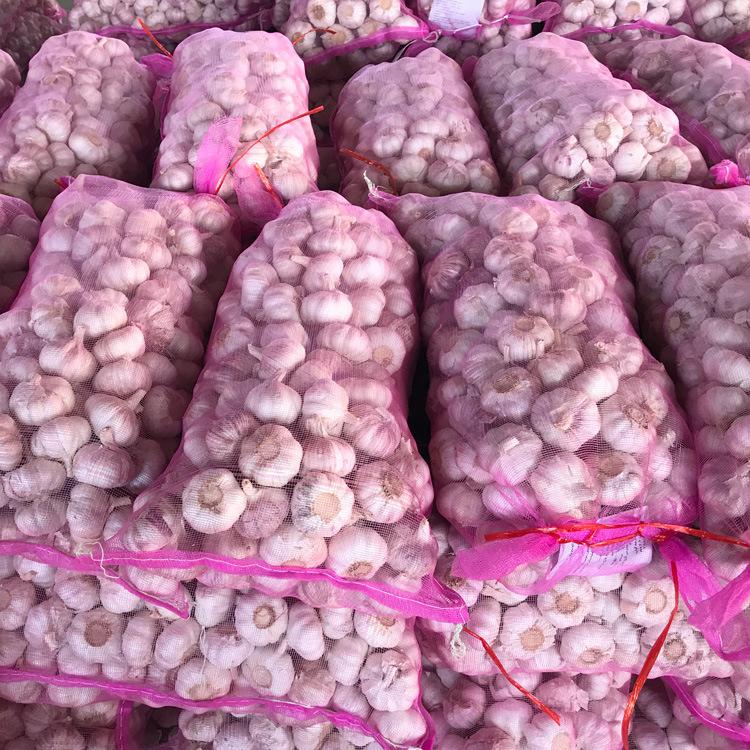
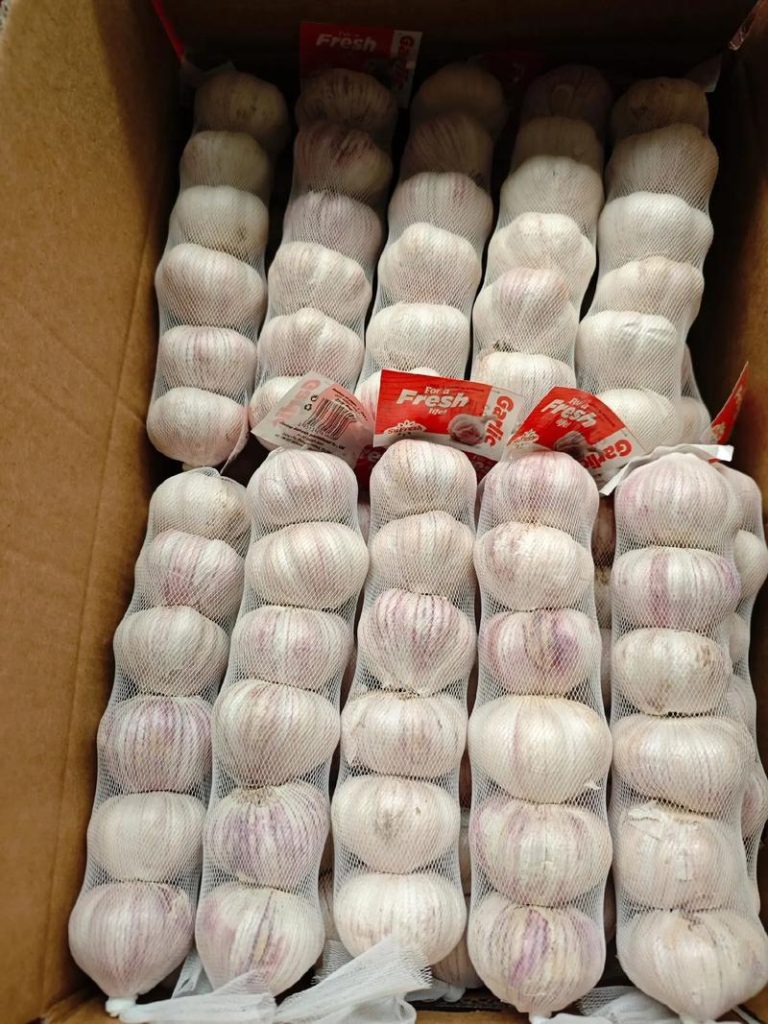

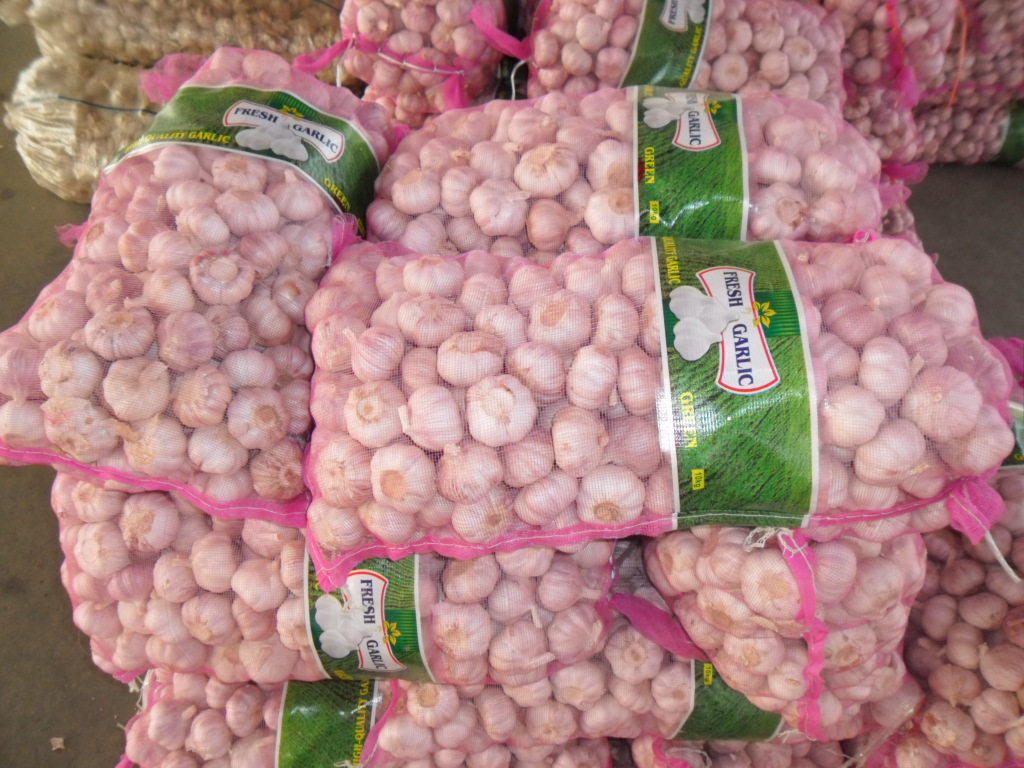
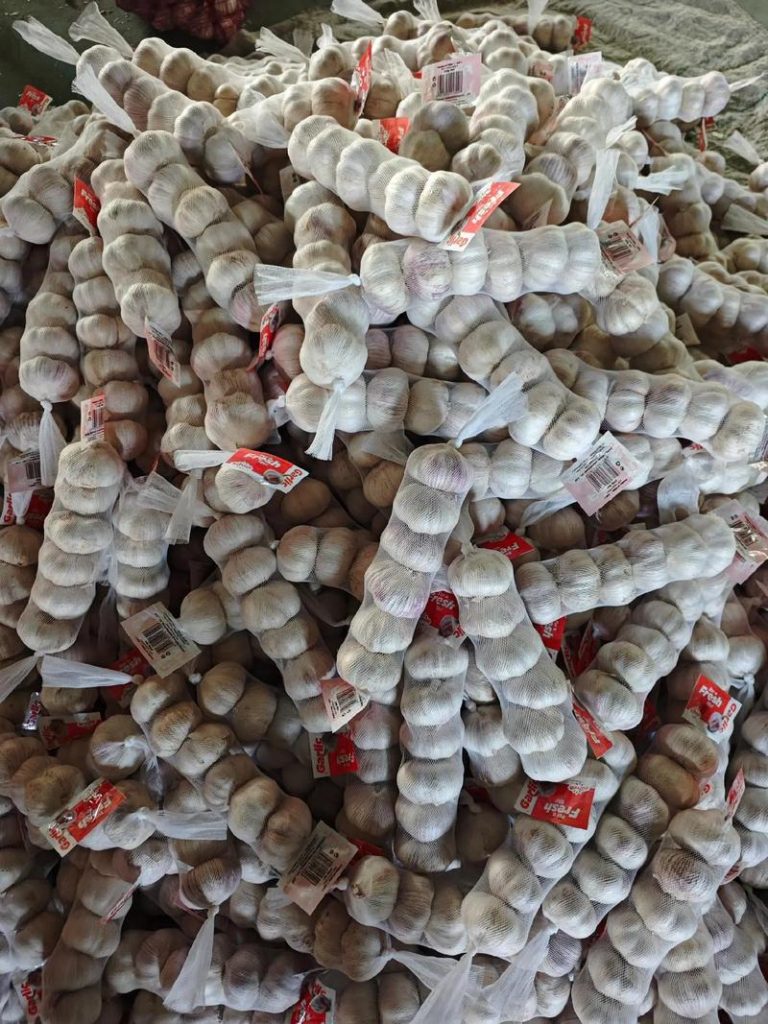
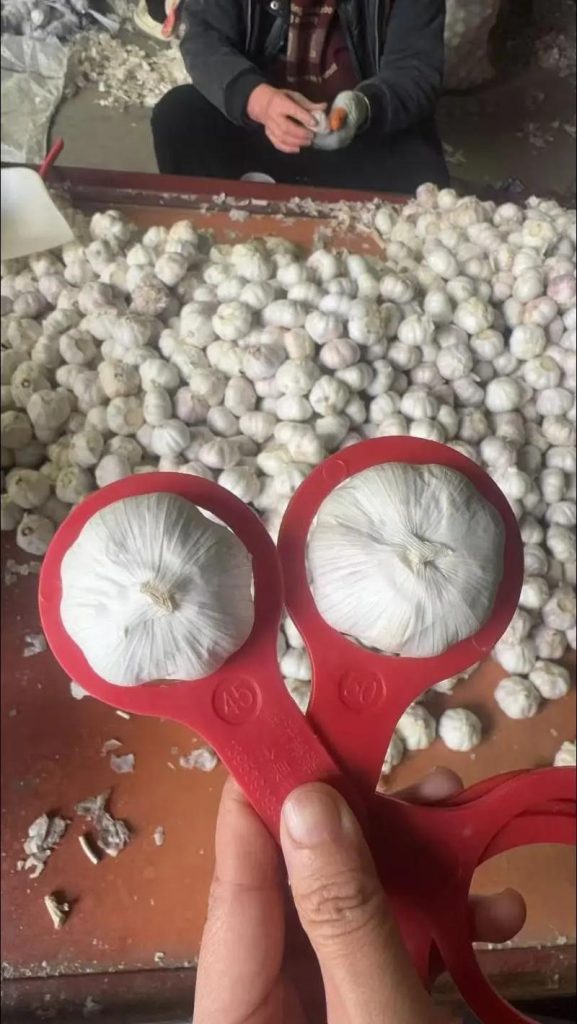
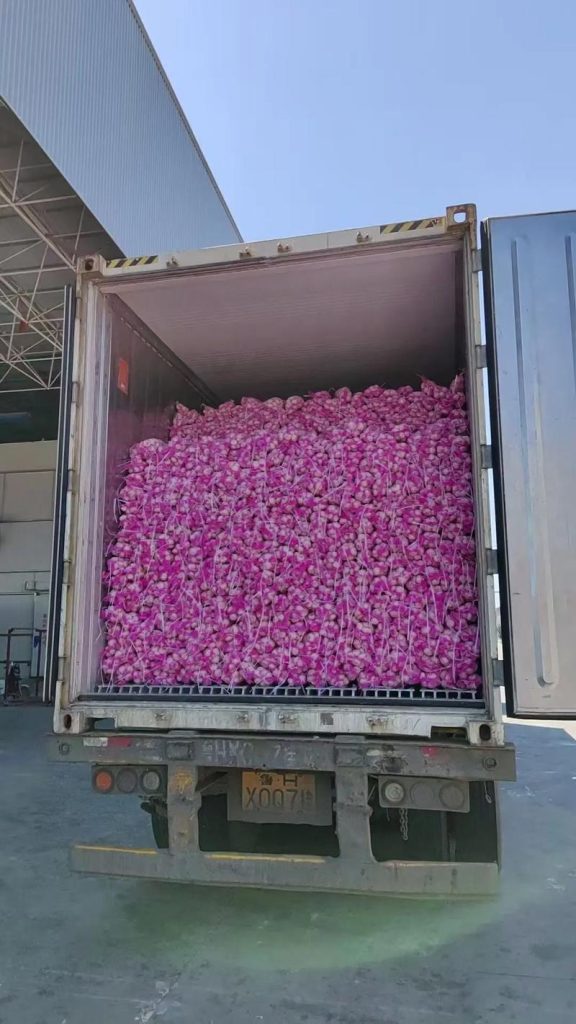
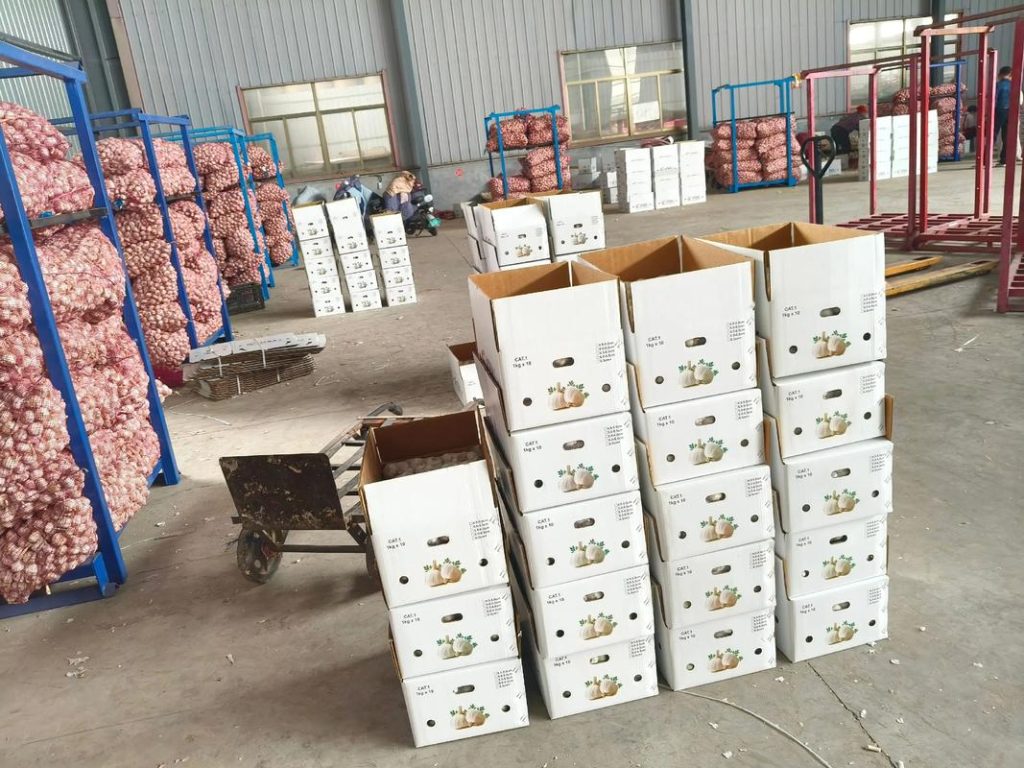
China produces over 80% of the world’s garlic, with prices influenced by climate, policy, and global demand. In 2023-2024, wholesale prices ranged from 0.30-0.80 per pound, making it a cost-effective staple for importers worldwide.
Introduction: The Volatility of a Global Staple
Garlic, a small but mighty bulb, is a cornerstone of global cuisine—and China is its undisputed king. As the world’s largest producer, consumer, and exporter of garlic, China’s domestic prices ripple across international markets, affecting everything from European pasta sauces to American salad dressings. But what drives the cost of this pungent ingredient? From weather patterns to government policies, the answer is a complex interplay of factors that make China’s garlic market both dynamic and unpredictable.
The Anatomy of China’s Garlic Production
To understand price trends, we must first examine China’s role in the global garlic supply chain.
Scale and Geography
China’s garlic output dwarfs that of other nations. In 2023, the country produced an estimated 22 million metric tons, accounting for 81% of global production. Key growing regions include:
-
Shandong Province: The “garlic capital” of China, contributing 25% of national output.
-
Henan Province: Known for high-quality, large-bulb varieties.
-
Jiangsu and Anhui: Emerging hubs for organic and specialty garlic.
These regions benefit from fertile loess soil, mild winters, and long growing seasons, allowing for two annual harvests in some areas.
Supply Chain Structure
China’s garlic market operates through a network of smallholder farmers, cooperatives, and large agribusinesses. Most farmers cultivate less than 2 hectares, selling their harvest to local traders or directly to processing plants. Large companies like Linyi Jinyu and Shandong Zhongshi dominate export-oriented production, handling cleaning, sorting, and packaging for global buyers.
Key Factors Influencing China’s Garlic Prices
Garlic prices in China fluctuate annually due to a mix of natural, economic, and policy-related forces.
1. Weather and Climate Change
Garlic is highly sensitive to weather. Excessive rain during planting (October-November) can rot bulbs, while droughts in spring reduce yields. For example:
-
2021 Floods: Heavy rains in Shandong damaged 15% of the crop, pushing wholesale prices up by 40% to $0.75/lb.
-
2022 Drought: A dry spring in Henan lowered yields by 10%, causing prices to spike to $0.90/lb in June.
Climate change exacerbates these risks, with more frequent extreme weather events disrupting harvests.
2. Government Policies
China’s government plays a direct role in stabilizing prices through subsidies, stockpiling, and export controls:
-
Minimum Purchase Prices: Set annually to protect farmers from price crashes. In 2023, the minimum price was $0.35/lb for fresh garlic.
-
Strategic Reserves: The state buys surplus garlic during bumper harvests and releases it during shortages to prevent volatility.
-
Export Tariffs: Temporary tariffs (e.g., 10% in 2020) are imposed to curb exports when domestic prices rise too sharply.
3. Domestic Demand
While China exports 60% of its garlic, domestic consumption remains robust. Rising incomes have fueled demand for processed garlic products (e.g., garlic powder, oil) and organic varieties. Urban consumers, in particular, prefer pre-peeled or minced garlic for convenience, driving up prices for value-added products.
4. Global Trade Dynamics
International demand shapes China’s export prices. Key markets include:
-
Southeast Asia: Indonesia, Malaysia, and Vietnam import 30% of China’s garlic for culinary use.
-
Europe: The EU relies on China for 70% of its garlic imports, especially during winter months.
-
North America: The U.S. and Canada buy frozen and dehydrated garlic for food manufacturing.
Currency fluctuations (e.g., a weaker yuan) make Chinese garlic cheaper for foreign buyers, boosting exports and raising domestic prices.
Historical Price Trends: A Decade of Volatility
Analyzing past data reveals recurring patterns in China’s garlic prices:
| Year | Average Wholesale Price ($/lb) | Key Driver |
|---|---|---|
| 2015 | $0.25 | Bumper harvest (24M tons) |
| 2017 | $0.60 | Frost damage in Shandong |
| 2020 | $0.45 | COVID-19 disruptions |
| 2022 | $0.85 | Drought + export surge |
| 2023 | $0.50 | Stable harvest + policy support |
Notably, prices tend to peak between May-July (post-harvest scarcity) and dip from October-January (new harvest influx).
Challenges Facing China’s Garlic Industry
Despite its dominance, China’s garlic sector grapples with several challenges:
Pesticide Residue Concerns
Strict EU and U.S. regulations on pesticide residues (e.g., chlorpyrifos) have forced exporters to adopt organic farming practices, increasing production costs by 20-30%.
Rising Labor Costs
Labor expenses have risen by 8% annually since 2018, squeezing profit margins for small farmers.
Competition from Emerging Producers
Countries like Argentina and Spain are expanding garlic exports, challenging China’s market share.
Future Outlook: Stability or More Volatility?
Experts predict continued price fluctuations in the short term, driven by climate change and global demand. However, long-term stability may improve as:
-
Technology Adoption: Drip irrigation and disease-resistant seeds reduce weather-related risks.
-
Diversification: China is investing in organic and specialty garlic to target premium markets.
-
Policy Reforms: Streamlined export procedures and reduced tariffs could stabilize trade flows.
Conclusion: The Price of a Global Flavor
China’s garlic prices are more than just numbers—they reflect the complexities of global agriculture, trade, and climate. For importers, understanding these dynamics is key to securing reliable supplies at competitive rates. For consumers, the next time you sprinkle garlic on your pasta, remember the journey of this humble bulb—from Chinese fields to your plate, shaped by sun, rain, and human ingenuity.
20 User Reviews (with Avatars, Usernames, and Flags)
-
Avatar: 🧄 | Username: @SpiceTrader_Pro | Flag: 🇺🇸 | “China’s garlic prices are a rollercoaster! I’ve been importing for 5 years, and 2022’s drought spike nearly broke my budget. But their consistency in quality keeps me coming back.”
-
Avatar: 🌾 | Username: @AgriAnalyst_CN | Flag: 🇨🇳 | “As a Chinese farmer, I’ve seen how government stockpiling saves us from price crashes. 2023’s minimum price policy gave me peace of mind after a tough 2021.”
-
Avatar: 🍝 | Username: @ItalianChef_Mario | Flag: 🇮🇹 | “I use Chinese garlic in all my recipes. The price is unbeatable, and the flavor is just as good as local stuff. My customers never notice the difference!”
-
Avatar: 🌍 | Username: @GlobalFoodie_Sarah | Flag: 🇬🇧 | “I was worried about pesticide residues, but my supplier sent me ISO 22000 certification. Now I buy Chinese garlic without hesitation.”
-
Avatar: 💼 | Username: @Exporter_Lee | Flag: 🇰🇷 | “South Korea imports 50% of its garlic from China. The year-round supply is a game-changer for our food manufacturers.”
-
Avatar: 🌱 | Username: @OrganicAdvocate_Jane | Flag: 🇦🇺 | “China’s organic garlic is still pricier than conventional, but the demand is growing. I hope they expand certified farms soon.”
-
Avatar: 📈 | Username: @MarketWatcher_Tom | Flag: 🇩🇪 | “The 2020 COVID-19 disruption taught me to always keep a buffer stock. China’s quick recovery in exports saved many European buyers.”
-
Avatar: 🚜 | Username: @FarmerWang | Flag: 🇨🇳 | “Labor costs are killing us small farmers. I’m thinking of switching to mechanized planting, but the upfront investment is steep.”
-
Avatar: 🍔 | Username: @FastFoodChain_Mike | Flag: 🇺🇸 | “We use 2 tons of minced garlic monthly. China’s bulk pricing helps us keep menu costs down. No complaints here!”
-
Avatar: 🌶️ | Username: @MexicanCook_Luisa | Flag: 🇲🇽 | “I add Chinese garlic to my salsas. It’s cheap and easy to find in local markets. Viva la pungencia!”
-
Avatar: 🌾 | Username: @AgroScientist_Chen | Flag: 🇨🇳 | “Drip irrigation has cut water use by 30% in Shandong. This tech is the future of stable garlic production.”
-
Avatar: 💰 | Username: @Importer_Raj | Flag: 🇮🇳 | “India banned garlic imports in 2021, but we still source from China via third countries. The price difference is too big to ignore.”
-
Avatar: 🥗 | Username: @HealthNut_Emma | Flag: 🇨🇦 | “I read that garlic boosts immunity. China’s affordable prices let me add it to my daily salads without breaking the bank.”
-
Avatar: 🌍 | Username: @TradeAnalyst_Pierre | Flag: 🇫🇷 | “The EU’s new pesticide rules are a double-edged sword. They increase costs for China but improve trust in their products.”
-
Avatar: 🧄 | Username: @Retailer_Ahmed | Flag: 🇪🇬 | “Egypt grows its own garlic, but Chinese imports fill gaps during our summer season. Prices are fair, and quality is consistent.”
-
Avatar: 📊 | Username: @DataGeek_Kim | Flag: 🇰🇷 | “My analysis shows China’s garlic prices correlate strongly with the yuan’s exchange rate. When the yuan weakens, exports surge.”
-
Avatar: 🌱 | Username: @YoungFarmer_Zhang | Flag: 🇨🇳 | “I’m trying organic garlic for the first time. It’s harder to grow, but the premium price makes it worth it.”
-
Avatar: 🍕 | Username: @PizzaMaker_Gio | Flag: 🇮🇹 | “Chinese garlic powder is perfect for pizza dough. Cheaper than Italian brands, and my customers love the taste.”
-
Avatar: 🌍 | Username: @NGO_Worker_Lila | Flag: 🇳🇱 | “I work with Indonesian farmers who compete with Chinese garlic. We need fair trade policies to level the playing field.”
-
Avatar: 🧄 | Username: @HomeCook_Lisa | Flag: 🇺🇸 | “I buy Chinese garlic at my local Asian market. It’s always fresh, and the price is half of what I’d pay for organic local stuff.”
Article link:https://www.vlefooena.com/the-price-of-pungency-understanding-chinas-garlic-market-dynamics/

No reply content