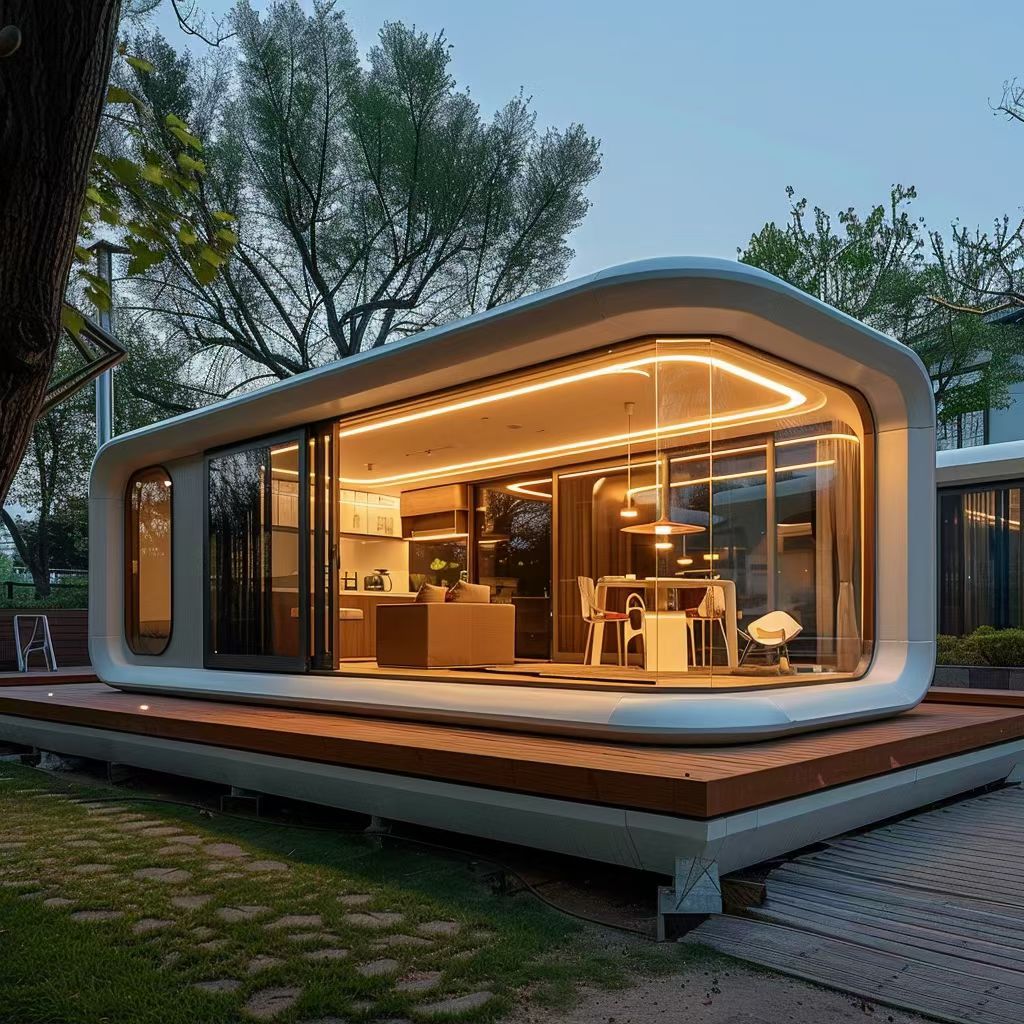
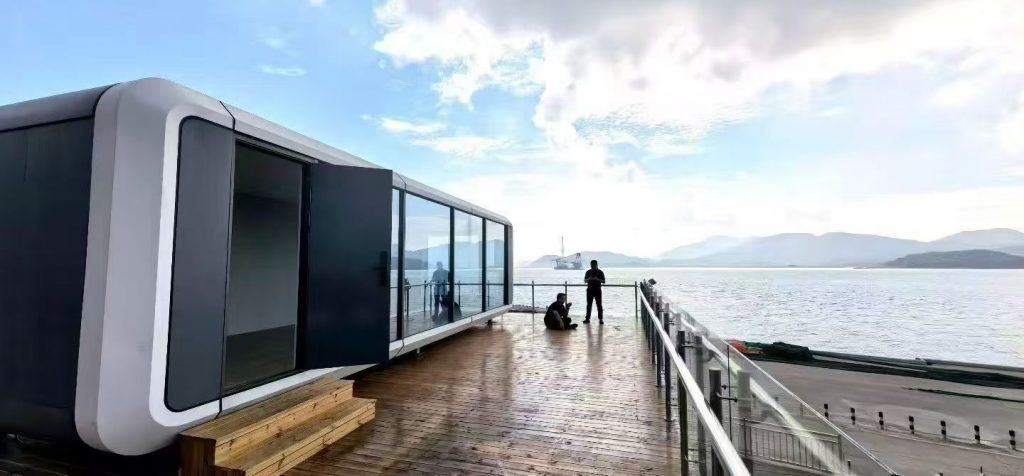
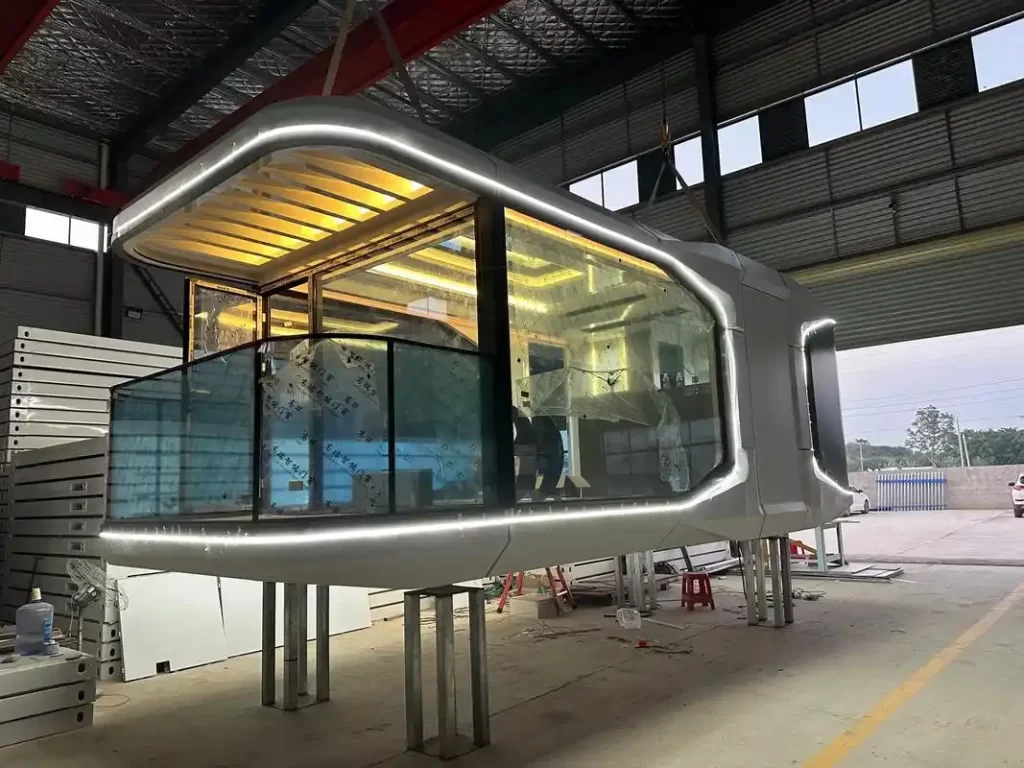
In an era defined by rapid urbanization, sustainability imperatives, and technological innovation, the global housing sector is undergoing a paradigm shift. Traditional construction methods, often plagued by inefficiencies, environmental degradation, and lengthy timelines, are being challenged by a new breed of residential solutions: high-end modular smart houses. These structures combine cutting-edge design, advanced manufacturing techniques, and intelligent technology to deliver unparalleled comfort, efficiency, and adaptability—making them ideal for diverse global projects ranging from luxury resorts and private estates to eco-communities and temporary accommodations. This article explores the core principles, benefits, and transformative potential of high-end modular smart houses as a supplier-driven solution for modern living.
The Evolution of Modular Construction: From Utility to Luxury
Modular construction is not a novel concept; its roots trace back to the early 20th century with prefabricated homes built for military and industrial purposes. However, recent advancements in materials science, digital design tools, and automation have elevated modular architecture from functional simplicity to high-end sophistication. Today’s modular smart houses are engineered to meet the demands of discerning clients who prioritize aesthetics, sustainability, and seamless integration of technology.
Unlike conventional buildings, which are constructed on-site through labor-intensive processes, modular houses are manufactured in controlled factory environments. Individual modules—complete with pre-installed walls, flooring, electrical systems, plumbing, and even interior finishes—are precision-engineered to exact specifications. Once completed, these modules are transported to the project site and assembled into a cohesive structure, significantly reducing construction time and waste. For global projects spanning multiple regions or countries, this factory-to-site model minimizes logistical complexities and ensures consistency in quality across locations.
Core Components of High-End Modular Smart Houses
What distinguishes high-end modular smart houses from their basic counterparts is their emphasis on four key pillars: design excellence, intelligent technology integration, sustainable practices, and customizability.
1. Design Excellence: Form Meets Function
Modern modular smart houses reject the boxy, utilitarian aesthetic of early prefabs. Instead, they embrace sleek, futuristic designs characterized by clean lines, panoramic glass facades, and organic shapes that harmonize with natural surroundings. Architects leverage parametric design software to optimize spatial layouts, ensuring every square foot serves a purpose without compromising visual appeal. For example, open-plan interiors with modular furniture systems allow residents to reconfigure spaces according to changing needs, while cantilevered modules create dramatic overhangs that provide shade and enhance energy efficiency.
Material selection further elevates the premium feel. Exteriors may feature composite panels with wood-like textures, corrosion-resistant metals, or recycled plastic composites, while interiors boast sustainable hardwoods, low-VOC paints, and stone accents. These choices not only enhance durability but also align with the growing demand for eco-friendly luxury.
2. Intelligent Technology Integration: The “Smart” Advantage
At the heart of a high-end modular smart house lies an integrated network of IoT (Internet of Things) devices, sensors, and AI-powered systems that automate and optimize daily living. Key features include:
-
Energy Management: Solar panels, battery storage systems, and smart meters enable off-grid or grid-tied operation, reducing reliance on fossil fuels. Real-time energy monitoring apps allow users to track consumption and adjust settings remotely.
-
Climate Control: Zoned HVAC systems, automated blinds, and air quality sensors maintain optimal indoor temperatures and ventilation, adapting to external weather conditions.
-
Security and Safety: Biometric access controls, motion sensors, and 24/7 surveillance cameras ensure robust protection, while fire suppression systems and emergency communication tools provide peace of mind.
-
Home Automation: Voice-activated assistants, smart lighting, and connected appliances streamline tasks, from adjusting room ambiance to ordering groceries. Some models even incorporate wellness features like circadian rhythm lighting or air purification systems.
This level of integration transforms the house from a static shelter into a dynamic, responsive environment tailored to individual lifestyles.
3. Sustainability: Building for a Greener Future
Sustainability is no longer a niche concern but a cornerstone of high-end modular design. Factories employ lean manufacturing principles to minimize material waste, recycling up to 90% of excess resources. Modules themselves are designed for disassembly, allowing components to be reused or repurposed at the end of their lifecycle—a stark contrast to traditional buildings, which generate significant demolition waste.
Water conservation is another priority. Rainwater harvesting systems, greywater recycling units, and low-flow fixtures reduce freshwater usage, while drought-resistant landscaping (for outdoor modules) eliminates the need for irrigation. In regions with extreme climates, passive cooling/heating strategies—such as thermal mass walls or earth-sheltered designs—further cut energy demands.
4. Customizability: Tailored to Unique Visions
One of the most compelling advantages of modular smart houses is their flexibility. Suppliers work closely with clients to co-create bespoke solutions that reflect personal tastes, cultural preferences, and site-specific requirements. Whether it’s a minimalist studio pod for a solo traveler, a multi-level family home, or a luxury cabin with a rooftop garden, modular systems can be scaled, stacked, or arranged in countless configurations.
For global projects, this customizability extends to regional adaptations. A module designed for a tropical resort might feature enhanced ventilation and insect screens, while one destined for a cold-climate ski lodge could incorporate triple-glazed windows and heated floors. This adaptability ensures that each structure feels indigenous to its location, despite being factory-built.
Applications in Global Projects: Versatility Across Sectors
High-end modular smart houses are proving their worth across a wide range of applications, thanks to their speed, scalability, and resilience.
Resorts and Hospitality
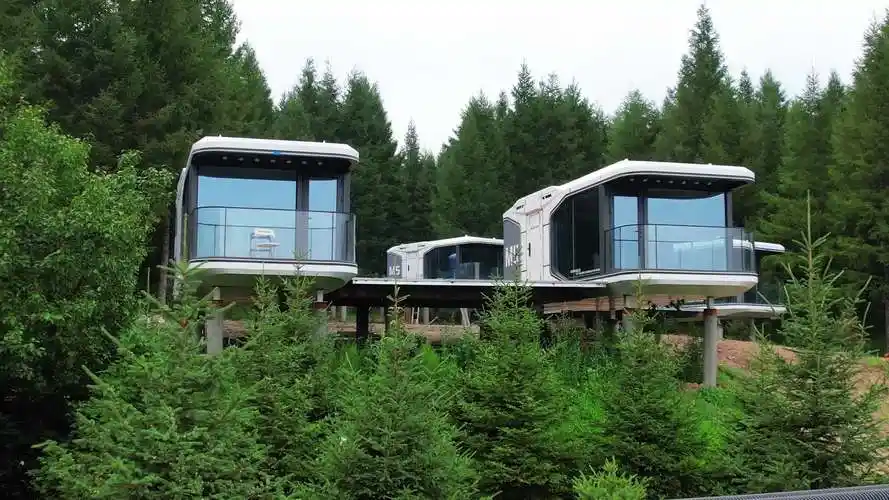
Luxury resorts are increasingly adopting modular pods to expand accommodation capacity without disrupting guest experiences. Nestled in scenic landscapes, these pods offer privacy and immersion in nature while delivering five-star amenities. For instance, beachfront resorts might use elevated modules to avoid flooding, while mountain lodges could incorporate panoramic windows to showcase alpine views. Their quick installation allows resorts to launch new facilities seasonally, capitalizing on peak tourism periods.
Private Estates and Retreats
Wealthy individuals and celebrities are drawn to modular smart houses for their ability to blend seamlessly into exclusive properties. A private island owner, for example, might commission a cluster of pods connected by elevated walkways, creating a secluded sanctuary. Similarly, corporate retreats use modular structures to provide executives with distraction-free environments equipped with conference rooms and wellness centers.
Eco-Communities and Off-Grid Living
As climate change drives interest in self-sufficient living, modular smart houses are becoming the backbone of eco-villages. These communities often combine renewable energy, permaculture gardens, and shared amenities, with modules serving as individual residences or communal hubs. Off-grid variants, powered by solar and wind energy, enable residents to live sustainably in remote areas—from desert oases to forest clearings.
Temporary and Emergency Housing
Beyond luxury markets, modular smart houses play a critical role in addressing housing shortages. Governments and NGOs deploy them as temporary shelters after natural disasters or as affordable housing in urban areas. Their rapid assembly (often within weeks) and durable construction make them a practical alternative to tent camps or makeshift structures.
Challenges and Considerations for Suppliers
While the benefits are clear, suppliers of high-end modular smart houses must navigate several challenges to succeed globally:
-
Logistics and Transportation: Oversized modules require specialized shipping, and import regulations vary by country. Suppliers must partner with reliable logistics firms and adapt designs to fit transport constraints.
-
Local Compliance: Building codes, seismic standards, and energy regulations differ worldwide. Suppliers invest in R&D to ensure modules meet local requirements without sacrificing design integrity.
-
Perception Barriers: Despite advancements, some clients still associate modular construction with lower quality. Education campaigns highlighting factory precision, third-party certifications, and case studies help build trust.
The Future of High-End Modular Smart Houses
As technology evolves, so too will modular smart houses. Emerging trends include:
-
3D-Printed Modules: Additive manufacturing could further reduce production costs and enable complex geometries.
-
Biophilic Design: Deeper integration with nature, such as living green roofs and vertical gardens, will enhance well-being.
-
AI-Driven Personalization: Machine learning algorithms may analyze user behavior to proactively adjust home settings, creating truly intuitive living spaces.
For global projects, these innovations promise even greater efficiency, sustainability, and customization—solidifying modular smart houses as the future of residential architecture.
Conclusion
High-end modular smart houses represent a fusion of innovation, sustainability, and luxury, offering a compelling alternative to traditional construction. By combining factory precision with intelligent design, suppliers can deliver turnkey solutions that meet the diverse needs of global clients—whether for a private retreat, a resort expansion, or an eco-community. As the world grapples with urbanization and climate challenges, these structures stand as a testament to how technology and creativity can redefine the way we live, one module at a time.
For developers, investors, and homeowners alike, embracing modular smart houses means investing in a smarter, greener, and more adaptable future—one where quality and conscience go hand in hand.
Article link:https://www.vlefooena.com/the-rise-of-high-end-modular-smart-houses-redefining-global-residential-architecture/


No reply content