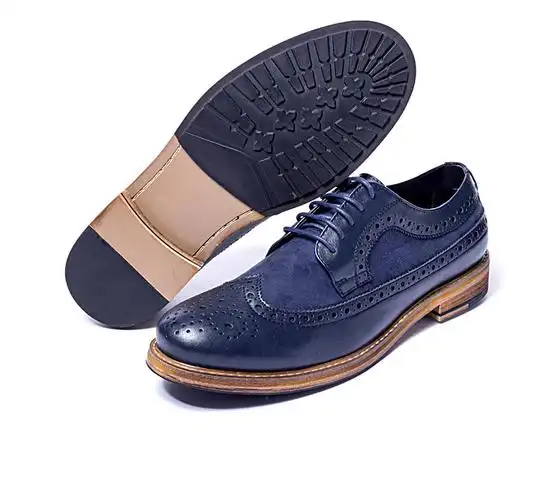
Unlock competitive edge with Chinese OEM shoe factories specializing in custom athletic footwear. Learn how to streamline design collaboration, reduce costs, and scale production under global compliance standards.
—
Introduction
The global athletic footwear market is projected to exceed $60 billion by 2027, driven by rising demand for performance-driven, personalized designs. For brands and retailers, partnering with custom athletic shoe OEM manufacturers offers a strategic pathway to reduce costs, accelerate time-to-market, and maintain product uniqueness. This guide reveals insider workflows, cost-saving tactics, and critical considerations when collaborating with Chinese factories for OEM production.
—
Why Choose OEM Manufacturers for Custom Athletic Shoes?
1. End-to-End Design Flexibility
OEM factories provide full-cycle support, from 3D prototyping to material selection. Key advantages include:
– Custom last development for unique foot shapes
– Innovative cushioning systems (e.g., hybrid foam technologies)
– Brand-specific aesthetic elements (logo placement, color-matching)
2. Cost Efficiency at Scale
By leveraging China’s mature manufacturing ecosystem, brands can reduce per-unit costs by 30–50% compared to local production, even with complex customizations.
3. Regulatory Compliance Expertise
Top-tier factories ensure adherence to:
– ISO 9001:2015 quality management standards
– REACH and RoHS chemical safety regulations
– Regional performance benchmarks (e.g., ASTM F2413 for athletic footwear)
—
Step-by-Step Process for Custom Athletic Shoe OEM Production
Phase 1: Conceptualization & Prototyping
– Design Collaboration: Share CAD files or sketches; factories provide material feasibility analysis.
– 3D Rendering: Validate aesthetics and ergonomics virtually before physical sampling.
– Sample Iterations: Expect 2–3 rounds of adjustments (costs range from $200–$500 per sample).
Phase 2: Material Procurement
Factories often source materials directly, offering:
– Premium options: Breathable knit uppers, carbon-fiber plates
– Sustainable alternatives: Recycled EVA foam, ocean-bound plastics
– Cost-saving tiers: Blended fabrics for mid-tier products
Phase 3: Mass Production
– MOQ: Minimum orders typically start at 500 pairs for fully customized models.
– Production Timeline: 30–45 days for standard designs, extended for novel technologies.
– QC Inspections: Factories conduct pre-shipment checks using AQL 2.5 standards.
—
Critical Challenges & Proactive Solutions
Challenge 1: Design Realization vs. Cost Constraints
– Solution: Opt for modular customization (e.g., swap out colorways while retaining base structures).
Challenge 2: Sizing Localization
– Solution: Request factories to integrate regional foot databases into lasts (e.g., EU vs. US sizing).
Challenge 3: Intellectual Property Protection
– Solution: Sign non-disclosure agreements (NDAs) and use factories with in-house design teams to limit third-party exposure.
—
Cost Breakdown & ROI Optimization
Component Cost Range Customization Impact
Base Shoe Model $3–$8 per pair Low (standard lasts/materials)
Custom Last Development $500–$2,000 onetime High (unique fit architecture)
Advanced Cushioning +$1.5–$3 per pair Medium (technology licensing)
Branding & Packaging $0.5–$1.2 per pair Low (digital printing options)


No reply content