Proper maintenance is key to maximizing the performance, safety, and lifespan of your home energy storage system. With the increasing adoption of solar and battery systems in 2026, homeowners are looking for practical advice to keep their systems operating efficiently. This guide provides the top five maintenance tips, from monitoring battery health to ensuring safe installation, helping you protect your investment and enjoy reliable energy year-round.
1. Regularly Monitor Battery Health
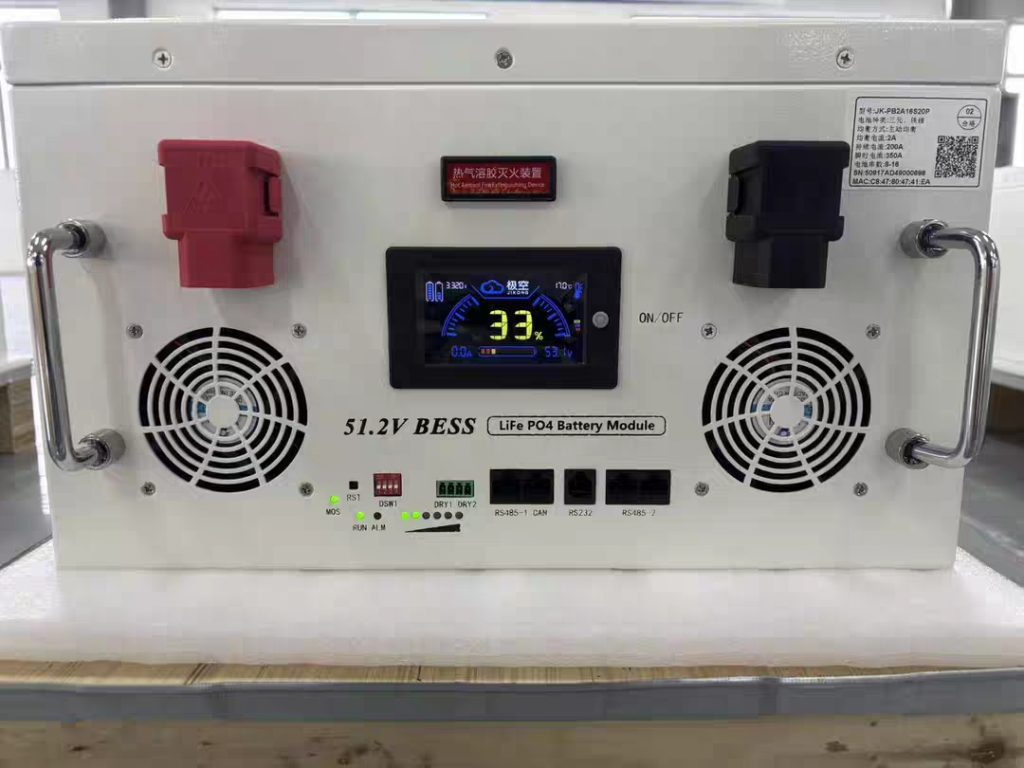
Modern home energy storage systems come with smart monitoring tools accessible via mobile apps or web dashboards. Regularly checking your battery’s performance helps you:
- Track state of charge (SoC) and depth of discharge
- Monitor energy usage patterns
- Detect abnormal temperature or voltage fluctuations
- Receive automatic alerts for potential issues
Routine monitoring ensures early problem detection and prevents unnecessary system downtime.
2. Keep the System Clean and Ventilated
Battery and inverter enclosures must remain free of dust, debris, and moisture to operate safely. Recommendations include:
- Wiping exterior surfaces with a dry or slightly damp cloth
- Ensuring vents are unobstructed for airflow
- Maintaining recommended ambient temperature ranges (usually 15–30°C)
- Avoiding direct sunlight or exposure to rain for outdoor units
Proper ventilation and cleanliness prevent overheating, extend battery lifespan, and maintain efficiency.
3. Perform Periodic Electrical Inspections
Even well-installed systems benefit from routine electrical checks:
- Inspect wiring connections for corrosion or looseness
- Verify inverter and battery connections remain secure
- Check grounding and surge protection devices
- Ensure safety devices (fuses, breakers) function properly
Professional inspection every 1–2 years is recommended to prevent long-term electrical issues.
4. Update Software and Firmware Regularly
Smart energy storage systems rely on software to optimize performance:
- Update inverter and battery firmware when new versions are available
- Ensure monitoring apps and dashboards are running the latest software
- Check manufacturer notices for recommended updates or patches
Keeping your system updated improves efficiency, adds new features, and ensures compliance with safety protocols.
5. Maintain Safe Operating Conditions
Home energy storage systems are safe if maintained properly:
- Avoid overloading circuits or connecting high-power appliances beyond capacity
- Do not attempt to repair the battery yourself; always contact certified technicians
- Monitor for unusual heat, smoke, or odors and shut down system if detected
- Follow all manufacturer installation and safety guidelines
Safe operation ensures the system performs reliably and minimizes risks.
Bonus Tip: Plan for Battery Replacement
Even the best lithium batteries degrade over time:
- Typical lifespan: 10–15 years for LiFePO₄ batteries
- Track total charge-discharge cycles to anticipate replacement
- Consider modular systems that allow easy battery expansion or swap
Planning ahead ensures continuous energy availability without unexpected interruptions.
Why Maintenance Matters in 2026
With energy storage becoming more central to residential power systems:
- Proper maintenance maximizes ROI by prolonging battery life
- Ensures consistent backup during power outages
- Prevents efficiency loss over time
- Keeps safety risks low
Neglecting maintenance can shorten system lifespan, reduce efficiency, and increase long-term costs.
Conclusion
Maintaining your home energy storage system is easier than many homeowners think. By monitoring battery health, keeping the system clean and ventilated, performing periodic electrical inspections, updating software, and ensuring safe operation, you can maximize system efficiency, longevity, and safety. Following these top five tips in 2026 helps protect your investment and ensures reliable, continuous energy for your home.


No reply content