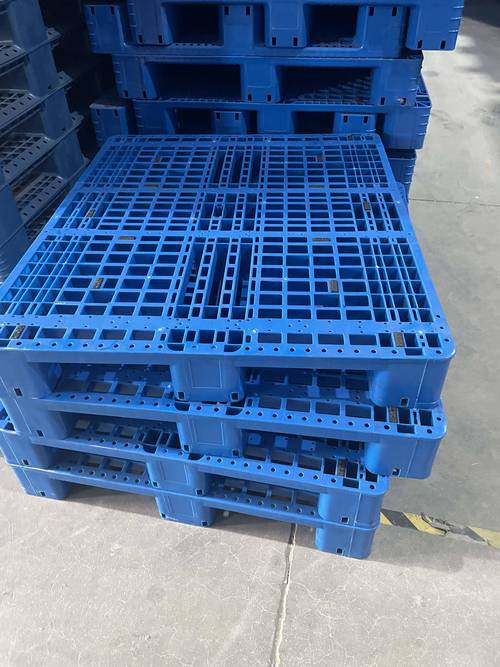
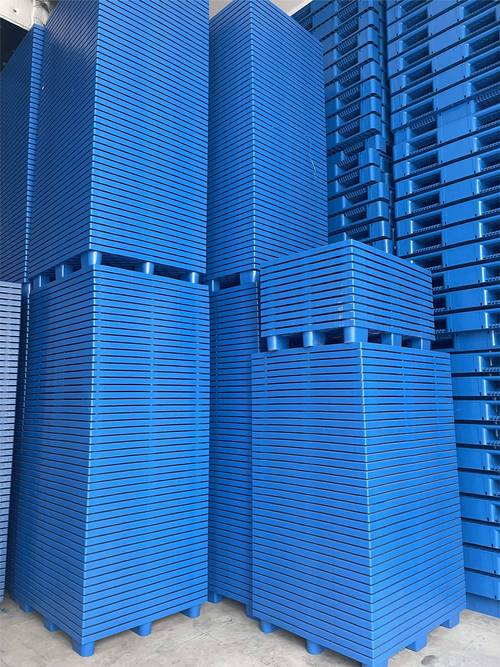
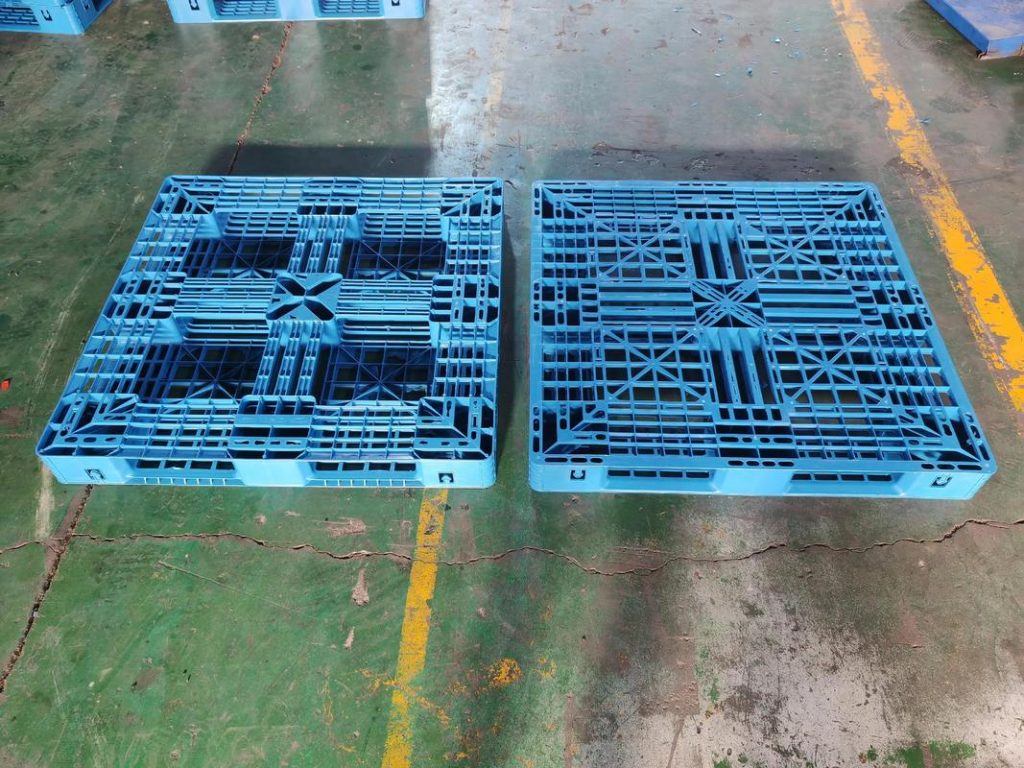
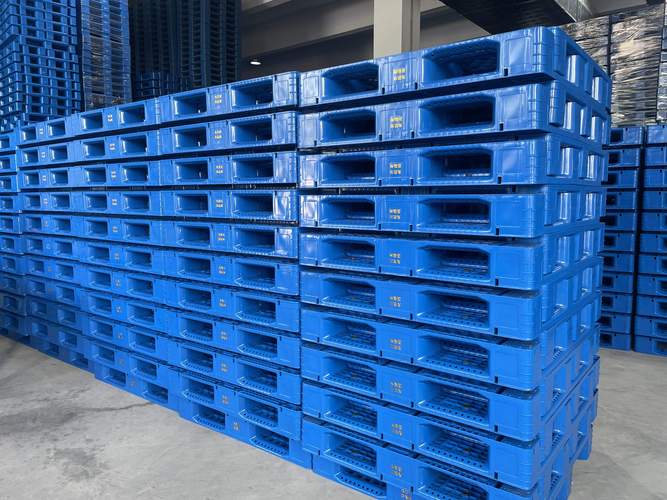
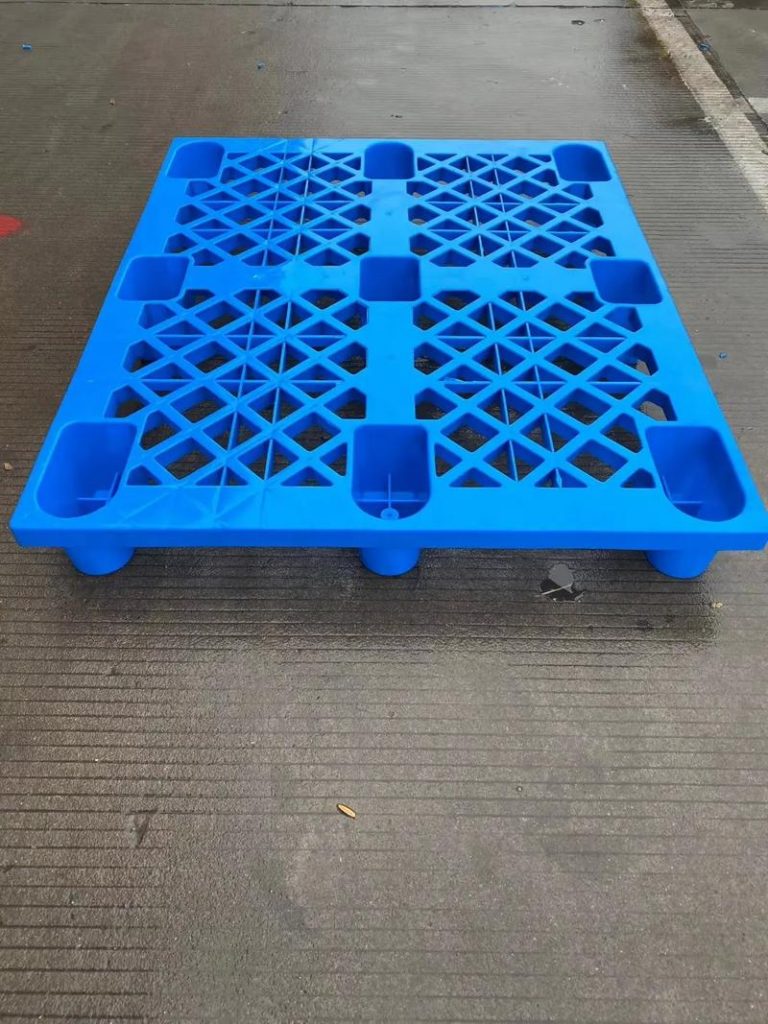
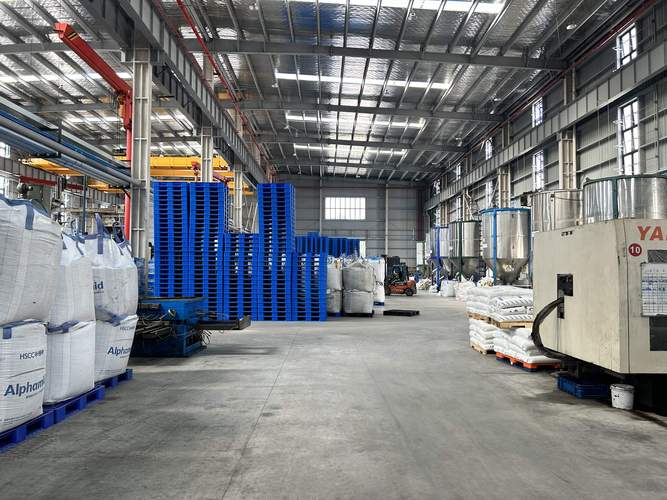
Plastic pallets have become a standard in modern logistics due to their durability, hygiene, and long-term cost-effectiveness. Many businesses worldwide import plastic pallets from China because of competitive pricing, high-quality manufacturing, and a wide variety of options. However, importing pallets from China requires careful planning to avoid common pitfalls. This article outlines the top considerations when importing plastic pallets from China, helping businesses make informed decisions and ensure a smooth, cost-effective supply chain.
1. Supplier Reliability
Selecting a trustworthy supplier is the foundation of a successful import:
- Factory vs. Trading Company: Direct factories offer better pricing and quality control, while trading companies may provide convenience but sometimes at higher costs.
- Certifications: Look for ISO 9001, FDA, or other relevant certifications to ensure quality standards.
- Experience with Exports: Suppliers experienced in international shipping understand customs, documentation, and packaging standards.
- References and Reviews: Request client references or check reviews to assess reliability.
A reliable supplier minimizes risks related to product quality, delays, and miscommunication.
2. Product Quality
High-quality pallets reduce operational problems and long-term costs:
- Material Choice: HDPE or PP ensures strength, chemical resistance, and hygiene.
- Load Capacity: Verify static and dynamic load ratings to match your operational needs.
- Durability: Check for resistance to cracking, warping, and moisture damage.
- Hygiene Standards: Essential for food, pharmaceutical, and chemical applications.
Requesting samples and conducting quality inspections ensures the products meet your standards.
3. Compliance with Regulations
Imported pallets must comply with local and international regulations:
- Material Restrictions: Ensure the plastic type is approved for your intended use.
- Environmental Standards: Some countries require recyclable or eco-friendly pallets.
- Safety and Sanitary Standards: Especially for food and pharmaceutical logistics.
Non-compliance can result in shipment delays, fines, or rejection at customs.
4. Cost Considerations
Understanding the full cost structure helps avoid unexpected expenses:
- Unit Price: Base cost of the pallet from the manufacturer.
- Shipping Costs: Sea freight, air freight, or courier fees.
- Customs Duties and Taxes: Tariffs and import taxes in your country.
- Handling and Storage: Warehouse and distribution costs.
Calculating total cost of ownership ensures you can price your products effectively while maintaining margins.
5. Shipping and Logistics
Efficient logistics prevent delays and damage:
- Shipping Method: Sea freight is cost-effective for bulk orders; air freight is faster but more expensive.
- Packaging: Pallets should be shrink-wrapped or strapped to prevent movement and damage.
- Incoterms: Clearly define responsibilities for shipping, insurance, and customs clearance.
- Tracking: Monitor shipments to manage schedules and anticipate delays.
Proper logistics management improves supply chain efficiency and reduces risk.
6. Payment Security
Safe payment methods protect both buyer and supplier:
- Letters of Credit (L/C): Provides security for both parties, ensuring payment upon meeting terms.
- T/T (Telegraphic Transfer): Common for experienced suppliers, usually with partial upfront payment.
- Escrow Services: Protects buyers when using online B2B platforms.
Choosing secure payment methods reduces financial risks during international transactions.
7. Communication
Clear communication prevents misunderstandings and errors:
- Detailed Specifications: Provide drawings, dimensions, material requirements, and quality standards.
- Language Clarity: Use simple and clear language to avoid confusion.
- Regular Updates: Maintain frequent contact during production and shipping.
Effective communication ensures orders are produced and delivered according to expectations.
8. Inspection and Quality Assurance
Quality control safeguards your investment:
- Pre-Production Checks: Confirm raw materials and manufacturing methods.
- In-Process Inspections: Check for defects during production.
- Pre-Shipment Inspection: Ensure finished pallets meet specifications and are properly packaged.
- Third-Party Verification: Consider hiring inspection companies for professional assessment.
Inspections prevent defective pallets from reaching your warehouse, saving time and costs.
9. Lead Time and Planning
Understanding production and shipping timelines is essential:
- Production Lead Time: Factories may require several weeks for large orders.
- Shipping Time: Sea freight typically takes longer than air freight.
- Buffer Planning: Account for potential delays due to customs, port congestion, or seasonal demand.
Proper planning ensures timely delivery and smooth supply chain operations.
10. Building Long-Term Relationships
Long-term relationships with Chinese suppliers provide strategic advantages:
- Priority Production: Reliable suppliers prioritize your orders.
- Consistency: Maintains high-quality standards across multiple shipments.
- Negotiated Terms: Loyalty can result in better pricing and flexible payment options.
- Custom Solutions: Easier to request custom designs, branding, or materials.
Strong supplier relationships reduce risk and support long-term business growth.
11. Sustainability Considerations
With growing environmental awareness, sustainability is becoming an important consideration:
- Recyclable Materials: Some pallets are made from recycled plastics, reducing environmental impact.
- Eco-Friendly Production: Look for manufacturers using environmentally responsible processes.
- Compliance with Environmental Standards: Some markets require pallets to meet sustainability certifications.
Sustainable pallets not only meet regulatory requirements but also appeal to environmentally conscious clients.
Conclusion
Importing plastic pallets from China offers a cost-effective and high-quality solution for global logistics, but it requires careful consideration of supplier reliability, product quality, regulatory compliance, cost, logistics, communication, and sustainability. By addressing these considerations, businesses can minimize risks, reduce costs, and ensure smooth import operations. Proper planning, quality control, and strategic supplier relationships are key to successful and profitable importing of Chinese plastic pallets.
Article link:https://www.vlefooena.com/top-considerations-when-importing-plastic-pallets-from-china/


No reply content