Title: Transforming Agritourism Landscapes: The Art and Impact of Custom Strawman Installations
Introduction
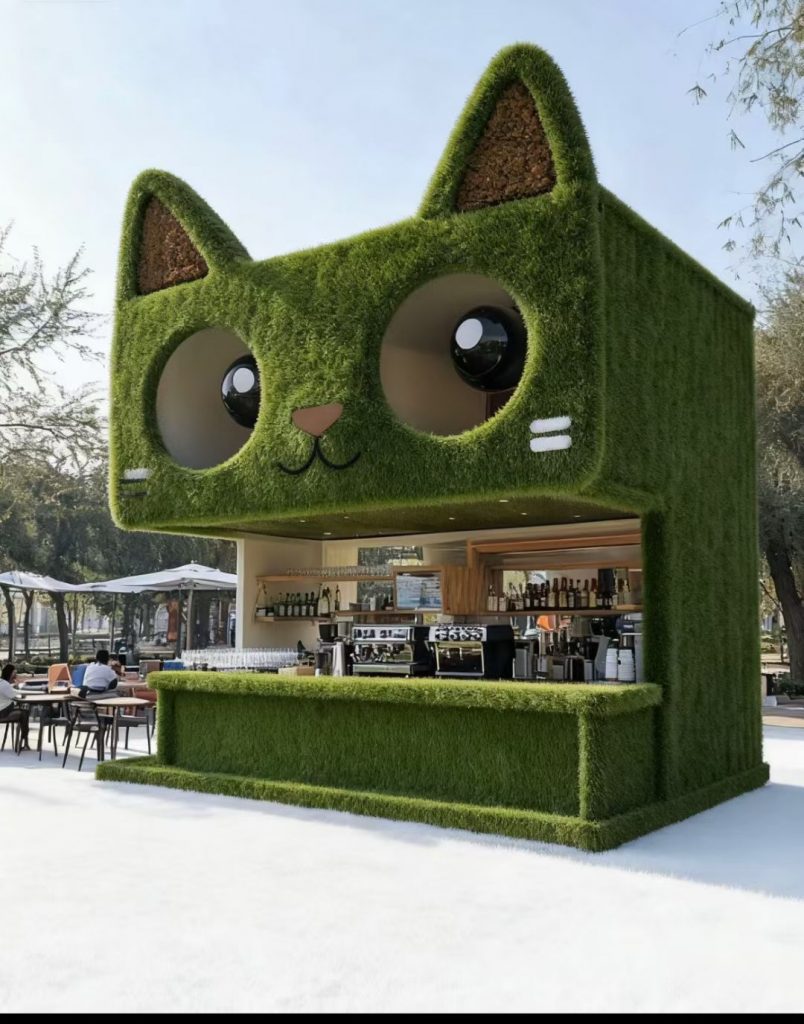
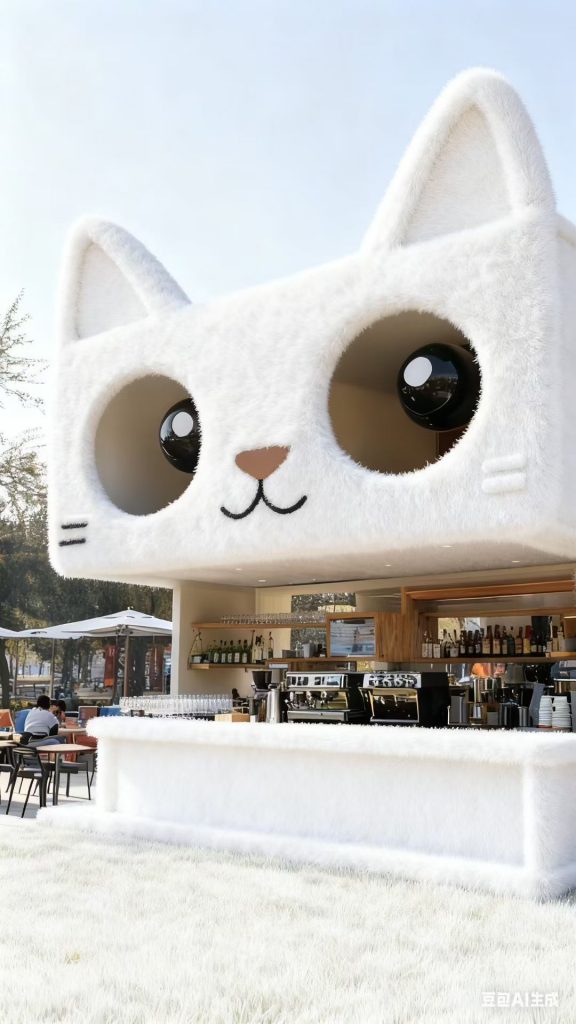
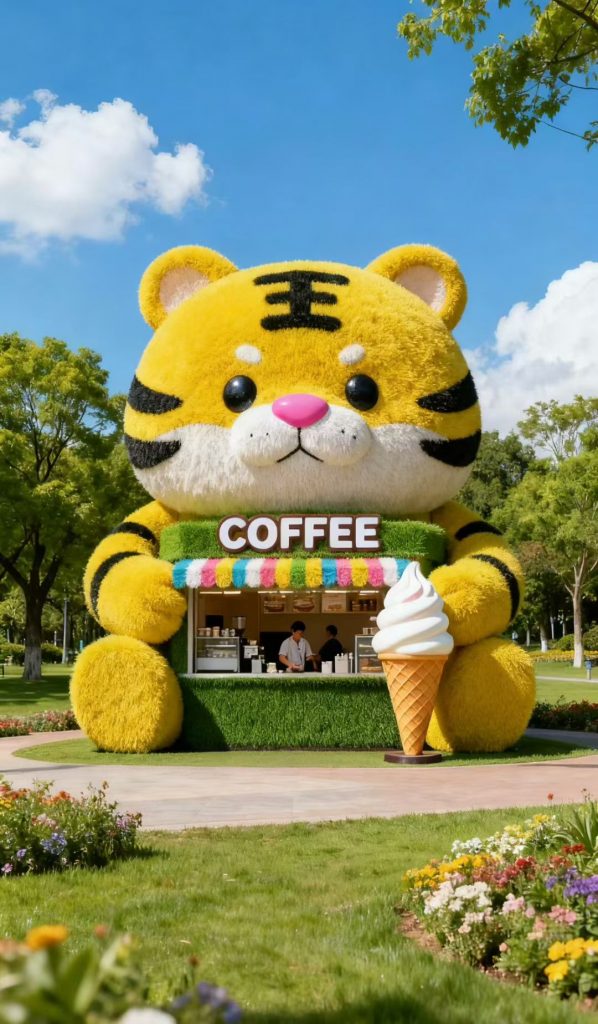
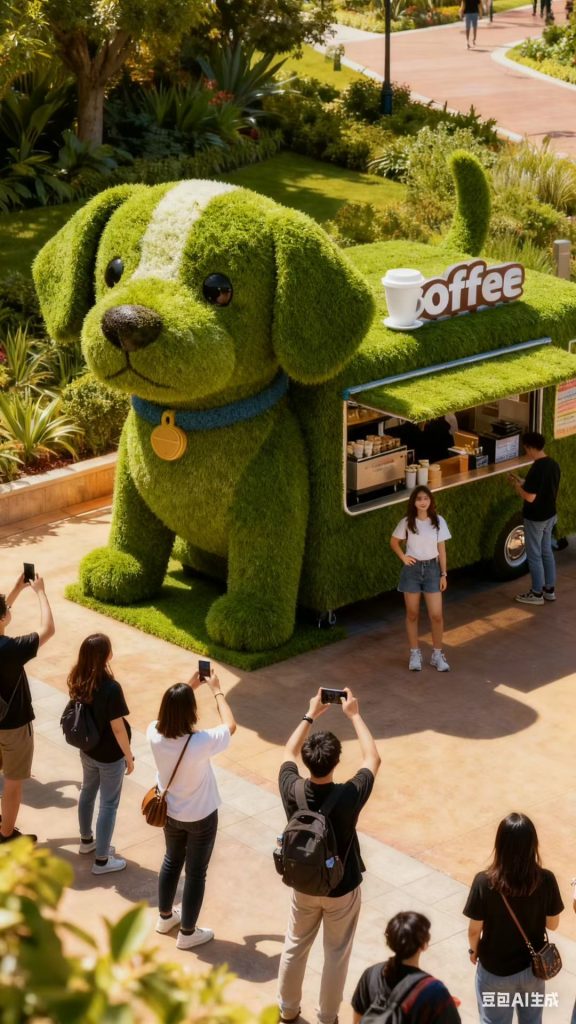
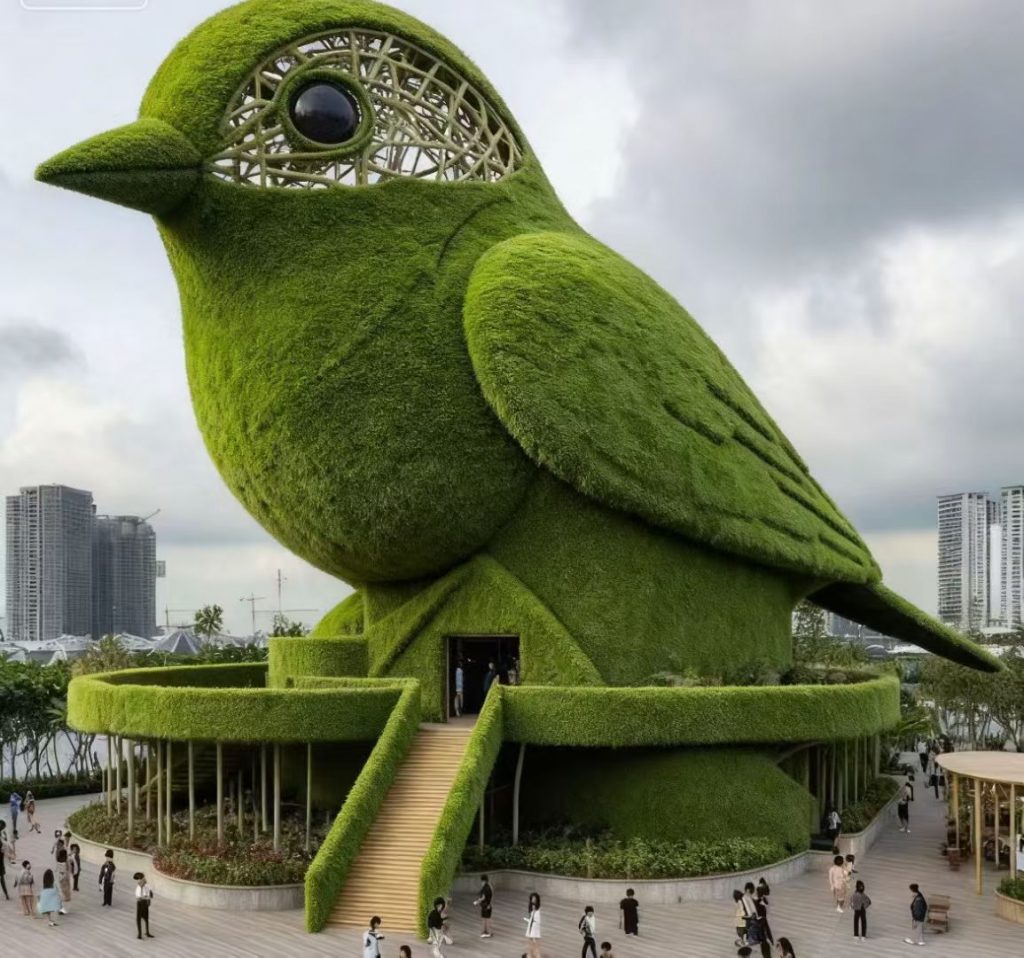
In an era where tourism and agriculture intersect, innovative solutions are redefining rural experiences. Among these, large – scale strawman installations have emerged as powerful tools to captivate visitors, celebrate cultural heritage, and boost economic growth in agritourism destinations worldwide. These oversized, artistically crafted figures blend functionality with storytelling, turning ordinary farmlands into immersive, shareable attractions. This article explores the design philosophy, applications, and global appeal of custom strawman installations, emphasizing their role in shaping modern agritourism landscapes.
The Evolution of Agritourism and Public Art
Agritourism has evolved beyond traditional farm stays and harvest festivals. Today’s travelers seek unique, Instagram – worthy experiences that blend education, entertainment, and connection to nature. Public art installations like strawmen play a pivotal role in this transformation by:
-
Creating Photo – Worthy Landmarks: As seen in viral social media trends, oversized sculptures draw crowds eager to capture memorable moments.
-
Showcasing Local Culture: Designs incorporating regional symbols, traditions, or agricultural themes foster a sense of place and authenticity.
-
Driving Economic Growth: Increased foot traffic translates into higher revenue for local businesses, from restaurants to souvenir shops.
The rise of such installations reflects a broader shift toward experiential tourism, where visitors prioritize engagement over passive observation.
Design Philosophy: Merging Form, Function, and Storytelling
A successful strawman installation transcends mere aesthetics; it tells a story while serving practical purposes. Key design considerations include:
1. Cultural Resonance
Strawmen often draw inspiration from local folklore, agricultural practices, or historical figures. For instance:
-
A rice – themed strawman holding a cup emblazoned with (symbolizing abundance) celebrates agricultural heritage.
-
Regional costumes, tools, or wildlife motifs can highlight specific ecosystems or traditions.
2. Scale and Proportion
Oversized dimensions make installations instantly eye – catching. A 10 – foot strawman not only dominates its surroundings but also creates a whimsical contrast against natural backdrops like fields or mountains.
3. Material Innovation
While traditional strawmen rely on organic materials, modern versions incorporate durable, weather – resistant composites to withstand harsh climates. Eco – friendly options, such as recycled plastics or sustainably sourced fibers, align with global sustainability trends.
4. Interactive Elements
Many installations invite visitor participation. Examples include:
-
Posable arms for photo opportunities.
-
Hidden compartments or puzzles that encourage exploration.
-
Seasonal updates (e.g., pumpkin – themed designs for autumn).
Applications Across Industries
Custom strawman installations are versatile assets across various sectors:
1. Agritourism Farms and Vineyards
-
Position strawmen near crop fields or wineries to attract families, photographers, and influencers.
-
Pair with educational tours explaining farming practices or wine – making processes.
2. Rural Festivals and Events
Temporary installations enhance festival atmospheres, serving as stages, meeting points, or themed backdrops.
3. Urban Parks and Public Spaces
Even in cities, strawmen can evoke nostalgia for rural life, spark conversations about sustainability, or promote local agriculture initiatives.
4. Branding and Marketing Campaigns
Companies collaborate with artists to create branded strawmen that align with corporate values (e.g., eco – consciousness, community support).
Global Market Trends
The demand for bespoke strawman installations is fueled by several factors:
1. Rising Popularity of Rural Getaways
Post – pandemic, there’s been a surge in demand for nature – based tourism. Agritourism revenue in the U.S. alone reached $10 billion in 2026, with similar growth observed globally.
2. Social Media as a Marketing Tool
Platforms like Instagram and TikTok prioritize visually striking content. Installations designed for shareability generate organic publicity at minimal cost.
3. Government Support for Rural Development
Many countries incentivize agritourism projects through grants or tax breaks, encouraging investments in infrastructure like public art.
4. Sustainability and Eco – Consciousness
Eco – friendly materials and designs appeal to environmentally aware travelers and investors.
Case Studies: Success Stories from Around the World
While avoiding specific company names, here are anonymized examples of impactful installations:
Case Study 1: The Great Rice Guardian (Southeast Asia)
A 15 – foot strawman adorned with traditional farming tools stood at the entrance of a rice paddy reserve. Visitors could enter its hollow body to learn about rice cultivation via augmented reality displays. The installation boosted annual visitor numbers by 30% and featured prominently in travel blogs.
Case Study 2: Harvest Festival Icon (Europe)
A series of smaller strawmen, each representing a local crop, lined a village square during harvest season. They doubled as information kiosks, providing historical context about regional agriculture. The event saw a 40% increase in local business revenue.
Case Study 3: Corporate Social Responsibility Initiative (North America)
A multinational corporation partnered with a rural community to build a strawman-themed maze. Proceeds funded agricultural education programs, creating positive brand associations and community impact.
Designing for Durability and Adaptability
Outdoor installations face challenges like wind, rain, and UV exposure. To ensure longevity:
-
Frame Construction: Use rust – proof metals or heavy – duty plastics for internal structures.
-
Weatherproof Coatings: Apply sealants to protect straw or fabric exteriors.
-
Modular Design: Allow for easy disassembly and transportation to multiple locations.
-
Seasonal Customization: Swap out accessories (e.g., scarves, hats) to reflect holidays or events.
Sustainability in Strawman Production
As eco – tourism gains traction, sustainable practices are non – negotiable:
-
Material Sourcing: Prioritize recycled or biodegradable materials.
-
Local Manufacturing: Reduce carbon footprints by sourcing labor and materials locally.
-
Waste Reduction: Repurpose offcuts into smaller decorative items or compost them.
Marketing Your Strawman Installations
To reach global audiences:
-
Leverage Social Media: Share behind – the – scenes content, visitor testimonials, and hashtag campaigns.
-
Collaborate with Influencers: Partner with travel bloggers or artists to showcase your work.
-
Attend Trade Shows: Exhibit at agritourism, tourism, or art festivals to connect with potential buyers.
-
Offer Virtual Tours: Provide 3D renderings or augmented reality previews to clients worldwide.
Challenges and Opportunities
While the market is booming, challenges include:
-
Logistics: Transporting large structures requires careful planning.
-
Cultural Sensitivity: Designs must respect local traditions and avoid stereotypes.
-
Maintenance: Regular upkeep ensures safety and preserves visual appeal.
Opportunities lie in niche markets, such as:
-
Themed Resorts: Create immersive environments for glamping or wellness retreats.
-
Educational Institutions: Develop interactive exhibits for schools or museums.
-
Corporate Retreats: Design team – building spaces that emphasize collaboration and creativity.
Conclusion
Custom strawman installations represent more than just decoration—they are catalysts for connection, education, and economic vitality. By blending artistry with functionality, these structures elevate rural landscapes into must – visit destinations. For manufacturers and designers, the key to success lies in understanding client needs, embracing innovation, and telling compelling stories through every straw and stitch. As agritourism continues to grow, so too will the demand for these enchanting, larger – than – life creations.
Article link:https://www.vlefooena.com/transforming-agritourism-landscapes-the-art-and-impact-of-custom-strawman-installations/

No reply content