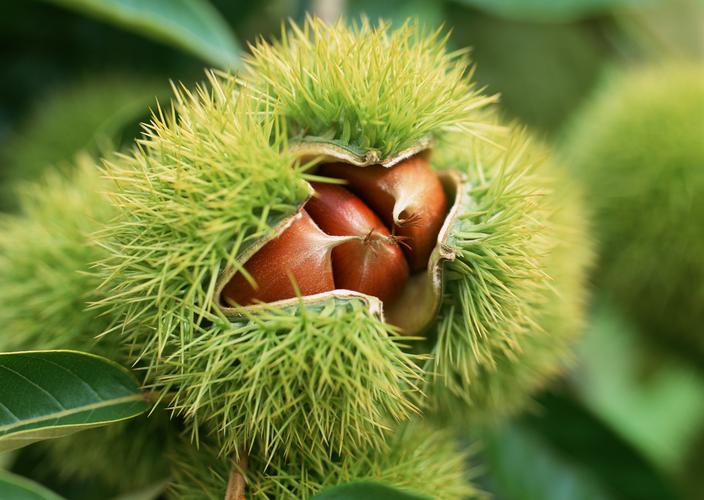
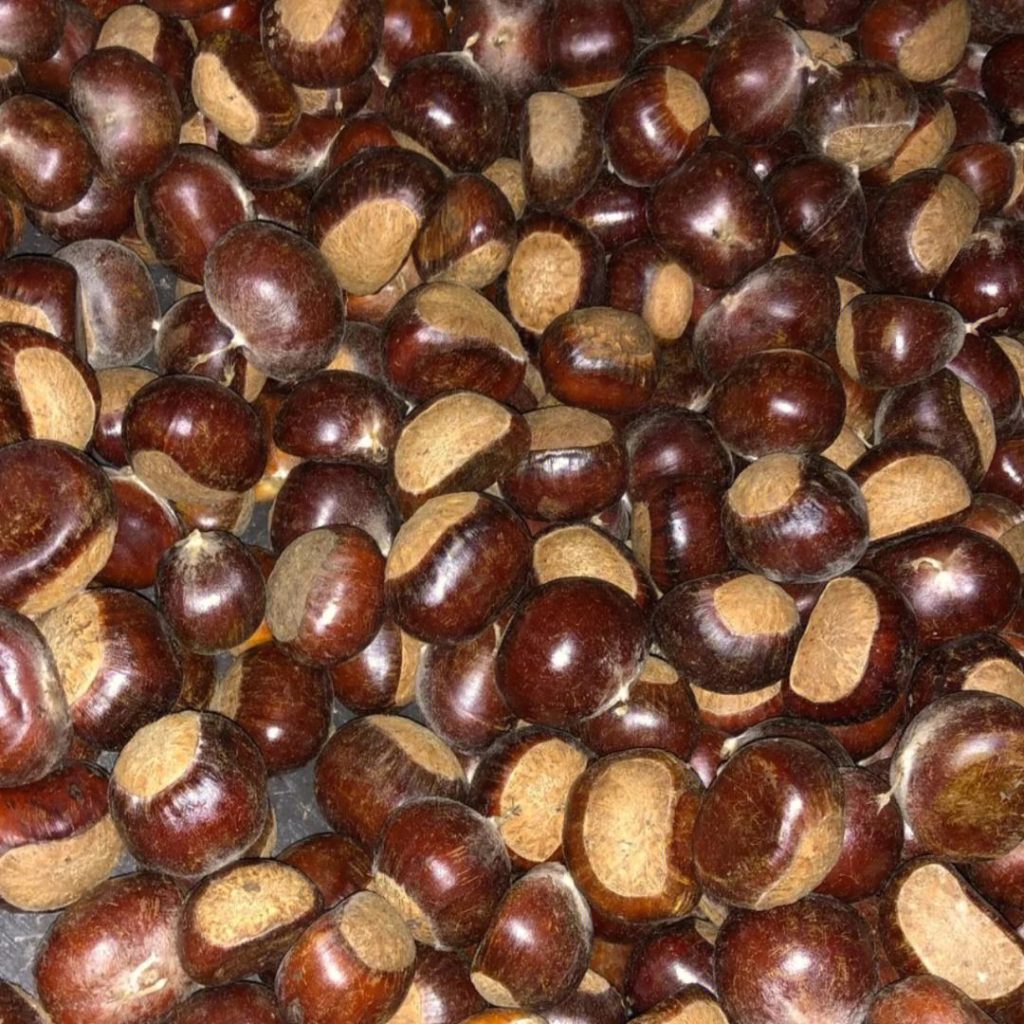
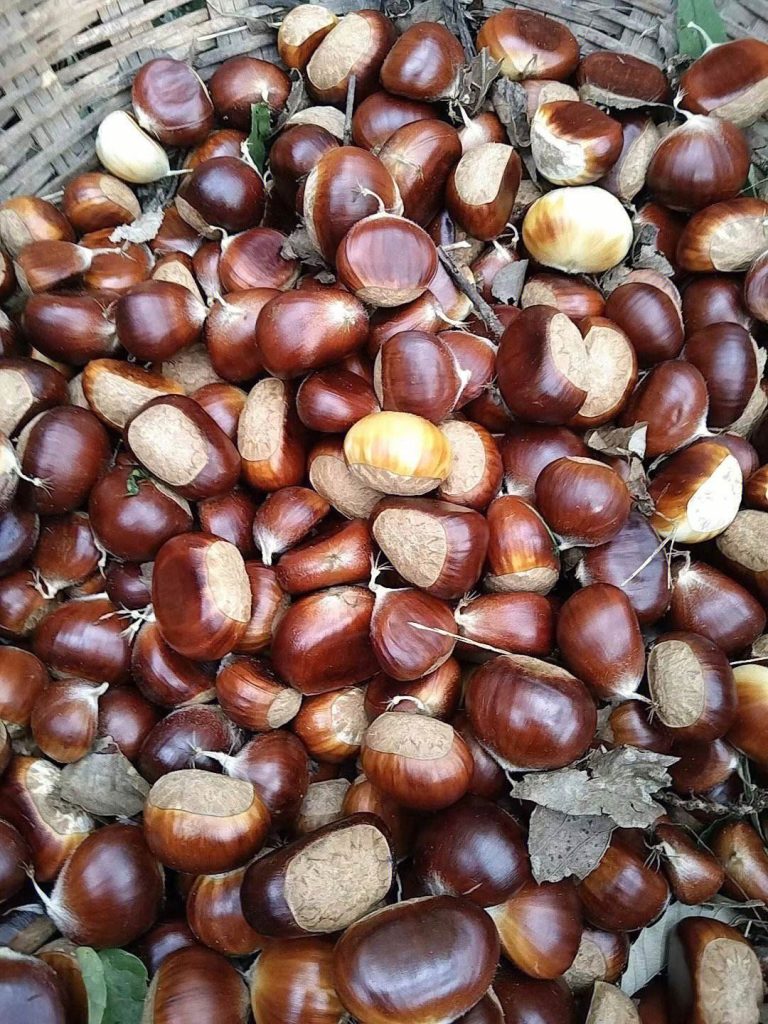
Chestnuts are a beloved seasonal treat and a versatile ingredient in culinary applications worldwide. From roasted snacks to gourmet desserts and processed foods, the demand for high-quality chestnuts continues to grow. Central to the supply chain are chestnut suppliers, who play a crucial role in ensuring consistent quality, timely delivery, and sustainable sourcing. Understanding the types, practices, and standards of chestnut suppliers is essential for buyers, whether they are wholesalers, retailers, or food manufacturers.
Types of Chestnut Suppliers
Chestnut suppliers vary depending on their role in the supply chain and the scale of operations. The main categories include:
-
Direct Farmers and Orchards:
Many chestnut suppliers are individual farmers or orchard operators who grow and harvest chestnuts directly. Working with these suppliers allows buyers to obtain fresh, high-quality chestnuts and often enables direct negotiation on pricing and product specifications. Direct farmers may offer organic or specialty varieties that are cultivated without synthetic fertilizers or pesticides. -
Local Cooperatives and Collectives:
In regions where chestnut farming is widespread, cooperatives aggregate produce from multiple small-scale farmers. These suppliers provide a reliable and consistent supply of chestnuts while supporting local communities. Cooperatives often handle sorting, grading, and packaging, which reduces the burden on buyers. -
Wholesale Distributors:
Wholesale chestnut suppliers purchase large volumes from farmers or cooperatives and distribute them to retailers, food processors, and exporters. They typically offer various grades of chestnuts and can handle packaging, storage, and logistics on a larger scale. This type of supplier is ideal for businesses that require bulk orders or consistent year-round availability. -
Export-Oriented Suppliers:
Some suppliers specialize in sourcing and exporting chestnuts to international markets. They manage regulatory compliance, quality inspection, and shipping logistics, ensuring that chestnuts meet import standards in different countries. Export suppliers often provide both fresh and processed chestnuts, including vacuum-packed, peeled, roasted, or frozen varieties.
Sourcing and Procurement Practices
Effective sourcing from chestnut suppliers involves several key steps to ensure quality, safety, and reliability:
-
Supplier Verification:
Buyers should assess the credibility of chestnut suppliers by evaluating their history, certifications, and production practices. Certifications such as organic, HACCP, or ISO 22000 indicate adherence to international food safety standards. Visiting orchards or processing facilities can provide insight into their operations and quality control procedures. -
Quality Assessment:
Chestnuts vary in size, moisture content, taste, and appearance. Reliable suppliers provide clear grading systems, often based on weight, color, shell integrity, and internal quality. Buyers may request sample batches to evaluate freshness, flavor, and suitability for their intended applications. -
Logistics and Storage:
Chestnuts are perishable, so suppliers must have proper storage and transportation methods to maintain freshness. Temperature-controlled storage, humidity regulation, and careful handling during transport are essential. International suppliers should also comply with phytosanitary regulations to prevent contamination or infestation. -
Contract and Pricing:
Establishing clear contracts with chestnut suppliers ensures mutual understanding of quantity, quality, delivery schedules, and payment terms. Pricing can fluctuate based on seasonality, crop yield, and variety. Long-term partnerships often provide stability in supply and pricing.
Quality Standards and Processing
Chestnut suppliers are increasingly adopting advanced processing methods to enhance product quality and shelf life. Common practices include:
- Sorting and Grading: Automatic or manual sorting to remove defective or damaged chestnuts.
- Peeling and Roasting: Providing ready-to-use products such as peeled, vacuum-packed, or roasted chestnuts.
- Freezing and Vacuum Packing: Extending shelf life while preserving freshness and nutritional value.
- Quality Testing: Moisture content, mold inspection, and taste testing to ensure consistent quality.
High-quality chestnuts are uniform in size, free from pests or blemishes, and have a rich, sweet flavor. Suppliers who maintain rigorous quality standards gain trust from domestic and international buyers.
Market Applications
Chestnut suppliers serve diverse markets:
- Retail: Fresh or roasted chestnuts for supermarkets, specialty stores, and farmers’ markets.
- Food Processing: Ingredients for chocolates, baked goods, sauces, and confectionery.
- Catering and Hospitality: Bulk chestnuts for restaurants, hotels, and festive events.
- Export Markets: International buyers seeking authentic, high-quality chestnuts for seasonal demand or industrial use.
Understanding the end market helps buyers choose suppliers who specialize in meeting specific requirements, whether it’s fresh chestnuts for retail or processed varieties for manufacturing.
Sustainability and Ethical Sourcing
Modern buyers increasingly prioritize sustainability when selecting chestnut suppliers. Ethical sourcing includes supporting local farmers, adopting environmentally friendly farming practices, and reducing waste during processing and packaging. Suppliers who focus on sustainability often implement water-efficient irrigation, integrated pest management, and renewable energy in processing facilities.
By partnering with responsible suppliers, businesses not only secure high-quality chestnuts but also contribute to social and environmental well-being, which is increasingly valued by consumers worldwide.
Choosing the Right Chestnut Supplier
Selecting the right chestnut supplier depends on several factors:
- Quality and Consistency: Verified through grading systems and sample evaluation.
- Reliability: Ability to meet delivery schedules and handle logistics effectively.
- Customization: Capacity to provide specific sizes, packaging, or processed forms.
- Sustainability: Adoption of eco-friendly practices and support for local communities.
- Price Competitiveness: Balancing cost with quality and service reliability.
Long-term relationships with trusted suppliers often yield better terms, priority access to high-quality stock, and enhanced communication.
Conclusion
Chestnut suppliers are the backbone of the global chestnut supply chain, ensuring that fresh and processed chestnuts reach retailers, manufacturers, and consumers efficiently and reliably. Understanding the types of suppliers, their sourcing practices, quality standards, and market applications is essential for businesses seeking to purchase chestnuts. By carefully evaluating suppliers and prioritizing sustainability, buyers can secure high-quality chestnuts that meet their culinary or commercial needs while contributing to ethical and environmentally responsible practices.
For anyone in the chestnut industry, working with reliable suppliers is not just a transactional decision—it is a strategic choice that affects product quality, brand reputation, and long-term business success.
Article link:https://www.vlefooena.com/what-are-the-chestnut-suppliers/


No reply content