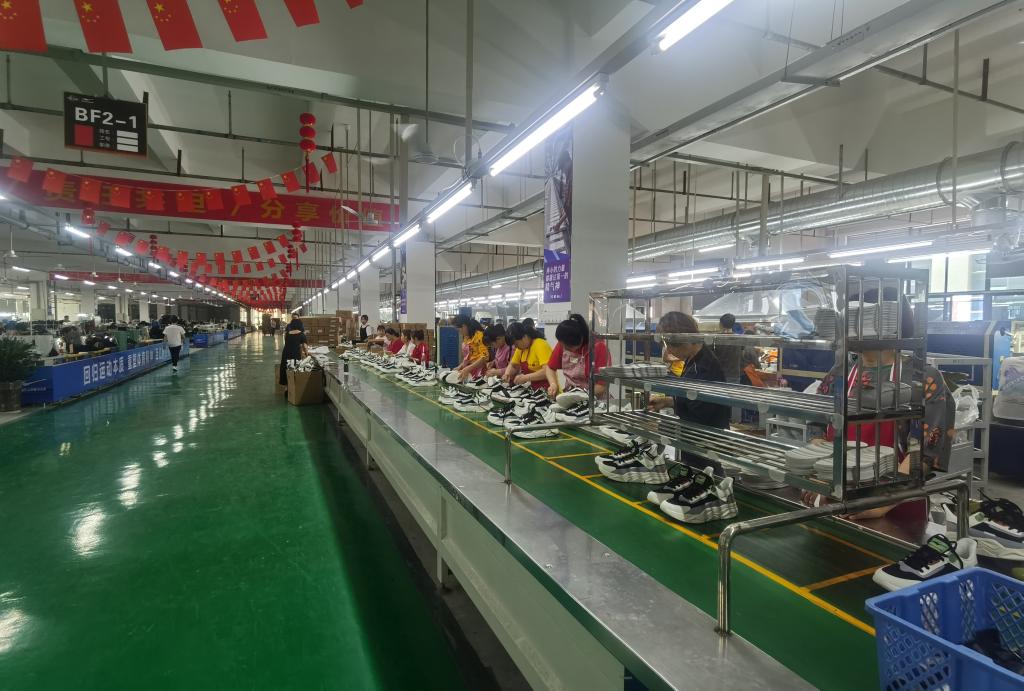
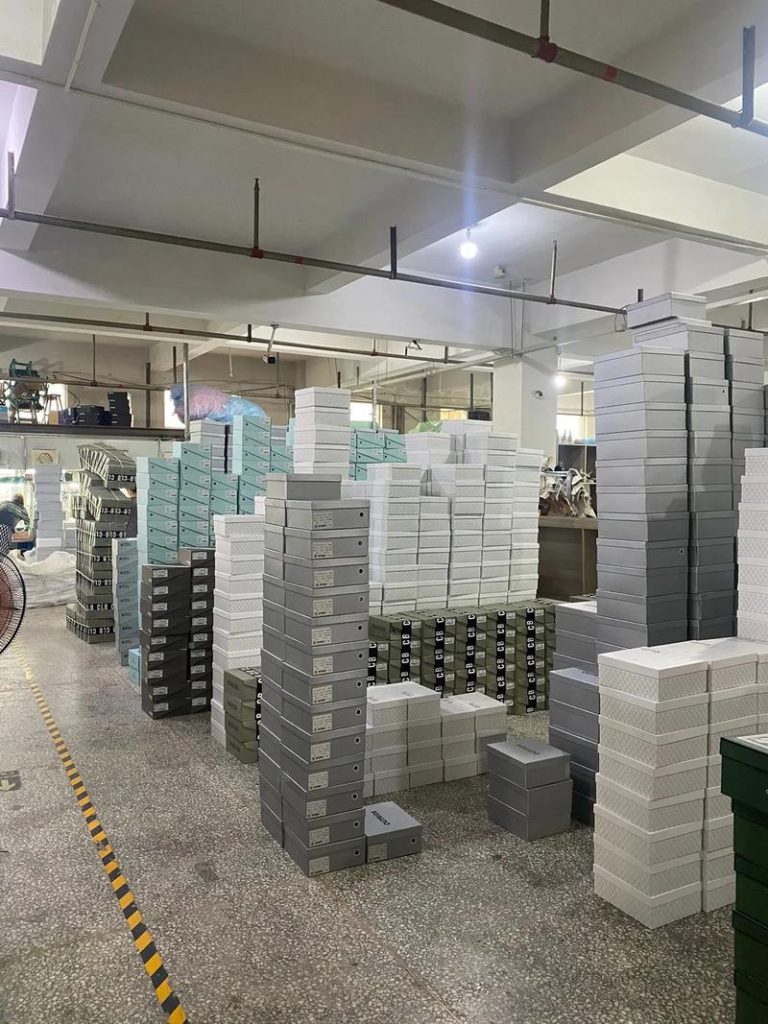
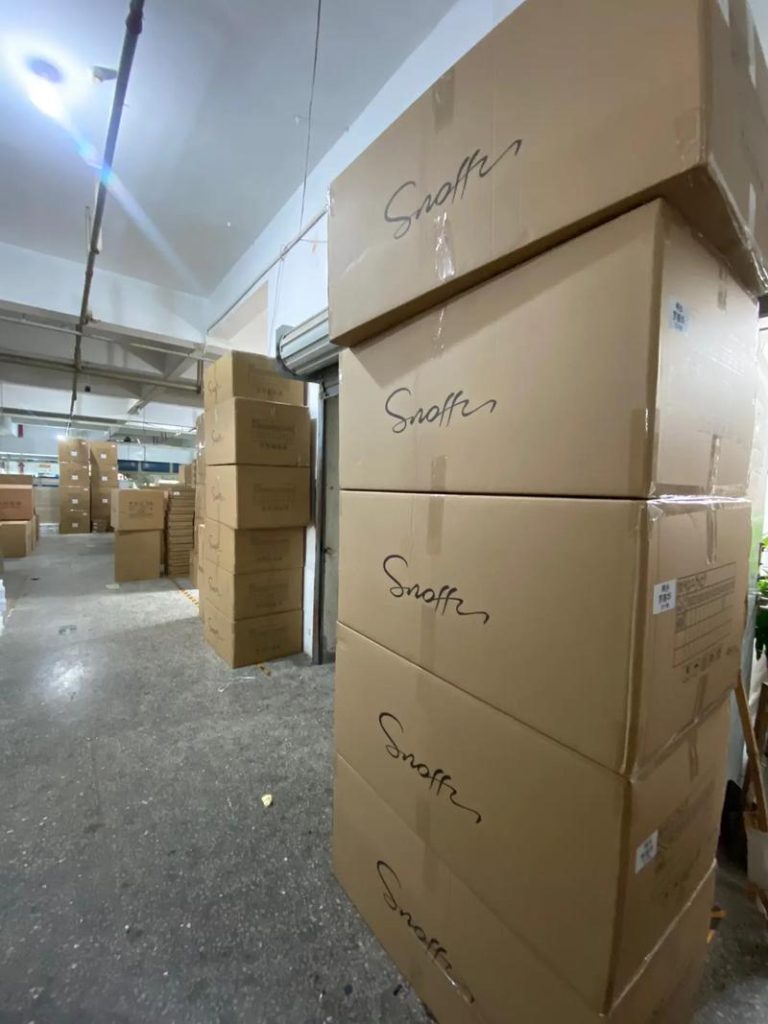

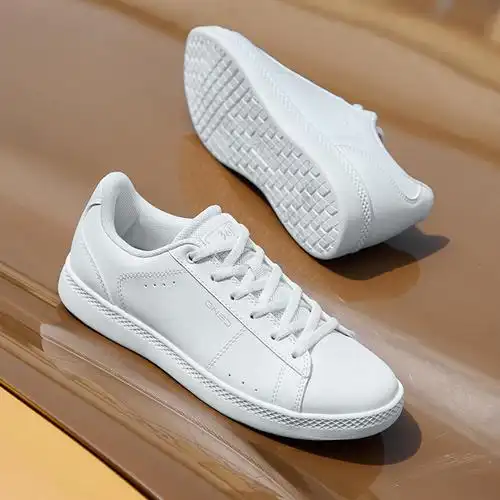

 The global footwear industry is undergoing a transformative shift driven by technological innovation, shifting consumer expectations, and geopolitical complexities. For businesses aiming to thrive in 2026, partnering with specialized shoe manufacturers for bulk orders has evolved from a cost-saving measure to a strategic imperative. This article explores the multifaceted advantages of bulk manufacturing partnerships, addressing quality assurance, operational efficiency, sustainability, and market adaptability—key pillars for success in an increasingly competitive landscape.
1. Cost Efficiency: Scaling Without Compromising Margins
Bulk orders enable businesses to leverage economies of scale, reducing per-unit costs through optimized material procurement, streamlined production, and reduced logistics overhead. Manufacturers with advanced infrastructure can negotiate bulk material purchases (e.g., leather, synthetic fabrics) at discounted rates, passing savings to clients. For example, a factory producing 10,000 pairs monthly might secure raw material discounts of 20–30% compared to smaller producers, translating to a 15–25% reduction in production costs.
Operational Savings:
-
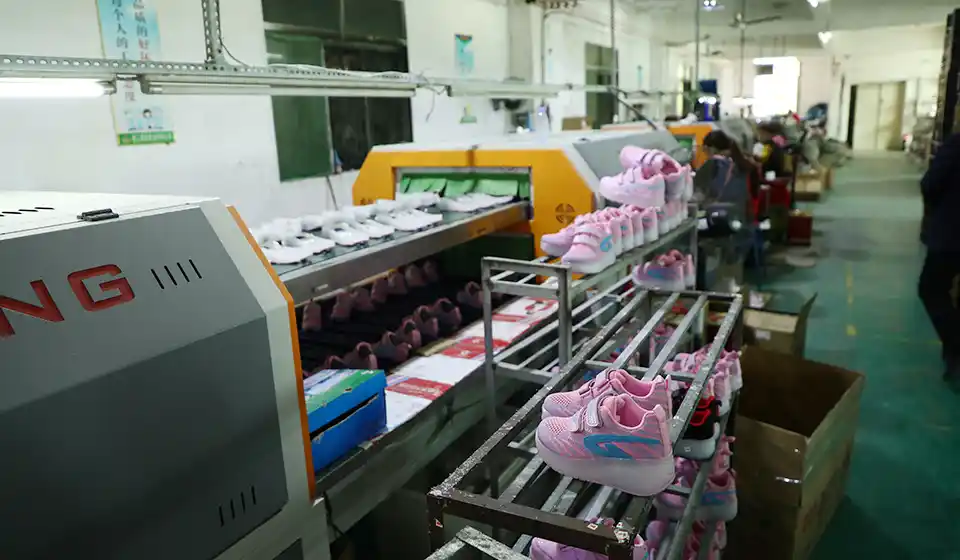
Labor Optimization: Automated cutting and stitching systems reduce reliance on manual labor, cutting production time by 40% while maintaining consistency.
-
Energy Efficiency: Modern factories invest in renewable energy sources (e.g., solar panels) and energy-efficient machinery, lowering operational expenses by 10–15%.
-
Packaging Consolidation: Bulk orders allow for standardized, reusable packaging solutions, minimizing waste and shipping costs.
This cost efficiency enables retailers to offer competitive pricing while maintaining profit margins, even in price-sensitive markets.
2. Quality Control: Consistency Across Thousands of Units
Bulk manufacturing partnerships provide unparalleled quality assurance. Established factories implement rigorous quality control (QC) protocols at every production stage:
-
Material Inspection: Raw materials undergo laboratory testing for durability, colorfastness, and compliance with safety standards (e.g., REACH, OEKO-TEX).
-
In-Process Checks: Digital sensors monitor stitching tension and sole adhesion during production, flagging deviations in real time.
-
Final Audit: Randomized samples from each batch are tested for wear resistance, flexibility, and ergonomic fit.
For instance, factories specializing in athletic footwear use 3D motion capture systems to verify shoe flexibility during high-impact movements, ensuring products meet performance benchmarks. Such precision minimizes returns and enhances brand reputation.
3. Design Flexibility: From Prototyping to Mass Production
Bulk manufacturers excel in bridging the gap between creative ideation and scalable execution. Advanced facilities offer:
-
Customization Options: Adjustments to toe caps, heel counters, or midsoles without disrupting production timelines.
-
Rapid Prototyping: 3D-printed lasts (foot models) enable designers to test fit and aesthetics within days, accelerating time-to-market.
-
Color Matching: Digital color calibration ensures consistent dyeing across large batches, critical for seasonal collections.
A sportswear brand, for example, can collaborate with a manufacturer to refine a carbon-fiber midsole design for basketball shoes, transitioning from prototype to full production in under six weeks.
4. Sustainability: Meeting Eco-Conscious Demand
With 68% of global consumers prioritizing eco-friendly products (per 2024 industry reports), bulk manufacturers are adopting greener practices:
-
Material Innovation: Recycled polyester uppers, biodegradable soles, and water-based inks reduce environmental impact.
-
Waste Reduction: Closed-loop systems recycle water and fabric scraps, cutting landfill contributions by 30–50%.
-
Carbon Neutrality: Solar-powered factories and carbon offset programs align with brands’ ESG goals.
A 2025 case study highlights a European retailer partnering with an Asian manufacturer to produce 50,000 pairs of vegan sneakers using ocean plastics, achieving a 90% reduction in virgin material use.
5. Supply Chain Resilience: Mitigating Risks
Bulk manufacturing partnerships buffer against disruptions:
-
Dual Sourcing: Factories with multiple production hubs (e.g., Southeast Asia and Eastern Europe) ensure continuity during geopolitical tensions or natural disasters.
-
Inventory Management: Just-in-time delivery systems minimize warehousing costs while maintaining stock availability.
-
Localized Compliance: Manufacturers handle certifications (e.g., FDA for food-grade materials, BSCI for labor practices), reducing legal risks for clients.
During the 2024 Suez Canal blockage, brands with diversified manufacturing networks avoided delays by rerouting orders to unaffected facilities.
6. Market Adaptability: Responding to Trends at Scale
Bulk manufacturers thrive on agility, enabling brands to capitalize on fleeting trends:
-
Fast-Track Production: Small batches of trend-driven items (e.g., neon-colored sandals) can be produced alongside core lines.
-
Localized Flavors: Customizable designs cater to regional preferences—e.g., wider toe boxes for Asian markets or minimalist styles for European consumers.
-
Seasonal Agility: Pre-production samples allow retailers to test concepts in real-world conditions before full-scale launches.
A 2025 example saw a fast-fashion retailer use a manufacturer’s rapid-response team to produce 10,000 units of a viral TikTok-inspired shoe design within three weeks.
7. Technological Integration: Smart Manufacturing for Future-Proofing
Leading manufacturers integrate cutting-edge technologies to enhance precision and efficiency:
-
AI-Driven Design: Algorithms analyze social media trends to suggest design iterations, reducing concept-to-production cycles by 30%.
-
IoT Monitoring: Sensors track machinery performance, predicting maintenance needs and minimizing downtime.
-
Blockchain Traceability: End-to-end digital ledgers ensure ethical sourcing and authenticity, critical for luxury brands.
A 2025 pilot project demonstrated AI-optimized stitching patterns improved shoe durability by 18% while reducing material waste by 12%.
8. Risk Mitigation: Navigating Compliance and Logistics
Bulk partnerships simplify complex regulatory landscapes:
-
Regulatory Expertise: Manufacturers handle labeling, safety certifications, and customs documentation, avoiding penalties.
-
Logistics Optimization: Consolidated shipping via sea or air freight reduces per-unit costs and carbon footprint.
-
Insurance Partnerships: Comprehensive coverage for transit damage or defects safeguards client investments.
For example, a U.S. retailer partnered with a manufacturer to obtain EU REACH compliance for 10,000 units of rubber-soled sandals, ensuring seamless market entry.
Conclusion: Bulk Manufacturing as a Strategic Asset
In 2025, bulk shoe manufacturing is no longer a transactional arrangement but a strategic alliance. By combining cost efficiency, quality rigor, sustainability, and technological innovation, these partnerships empower brands to outpace competitors, adapt to market shifts, and build enduring customer loyalty. As consumer demands evolve and global supply chains grow more volatile, the brands that thrive will be those that invest in resilient, forward-thinking manufacturing ecosystems.
The future of footwear lies not just in the shoes we wear, but in the partnerships that make them possible.
References
-
Bulk production cost structures and material savings.
-
Quality assurance frameworks and QC methodologies.
-
Sustainability practices in footwear manufacturing.
-
Supply chain resilience strategies for 2025.
-
Technological innovations in smart manufacturing.
-
Compliance and risk management in bulk orders.
This article synthesizes industry insights, technical advancements, and market trends to provide a comprehensive analysis of bulk shoe manufacturing’s evolving role in global retail strategy.
Article link:https://www.vlefooena.com/why-choose-a-shoe-manufacturer-for-bulk-orders-in-2025/


No reply content