Container House Co., Ltd
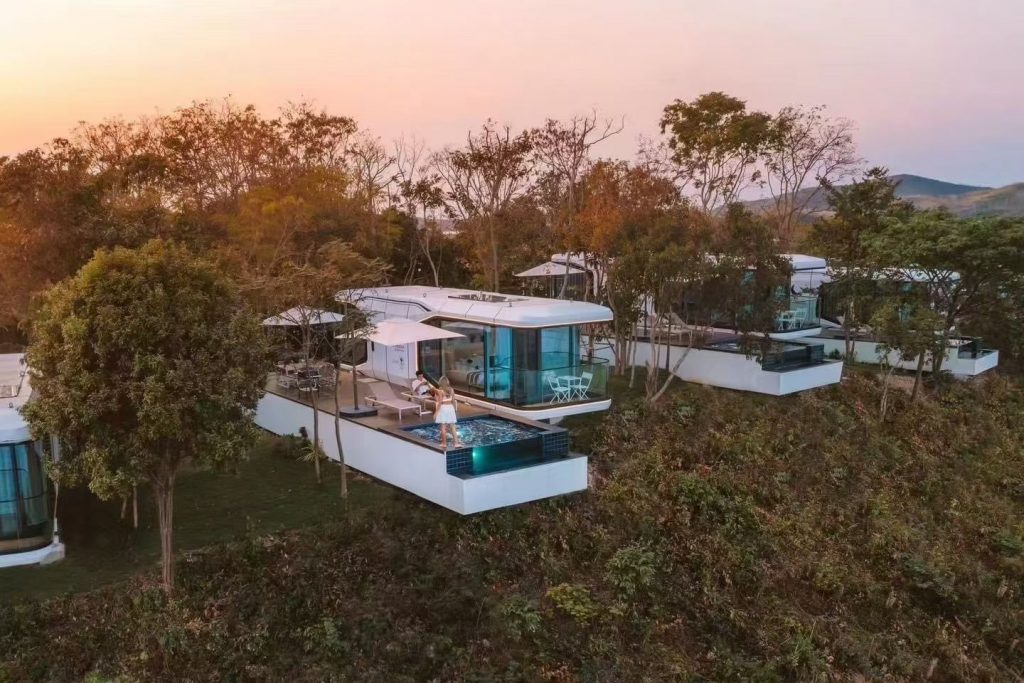
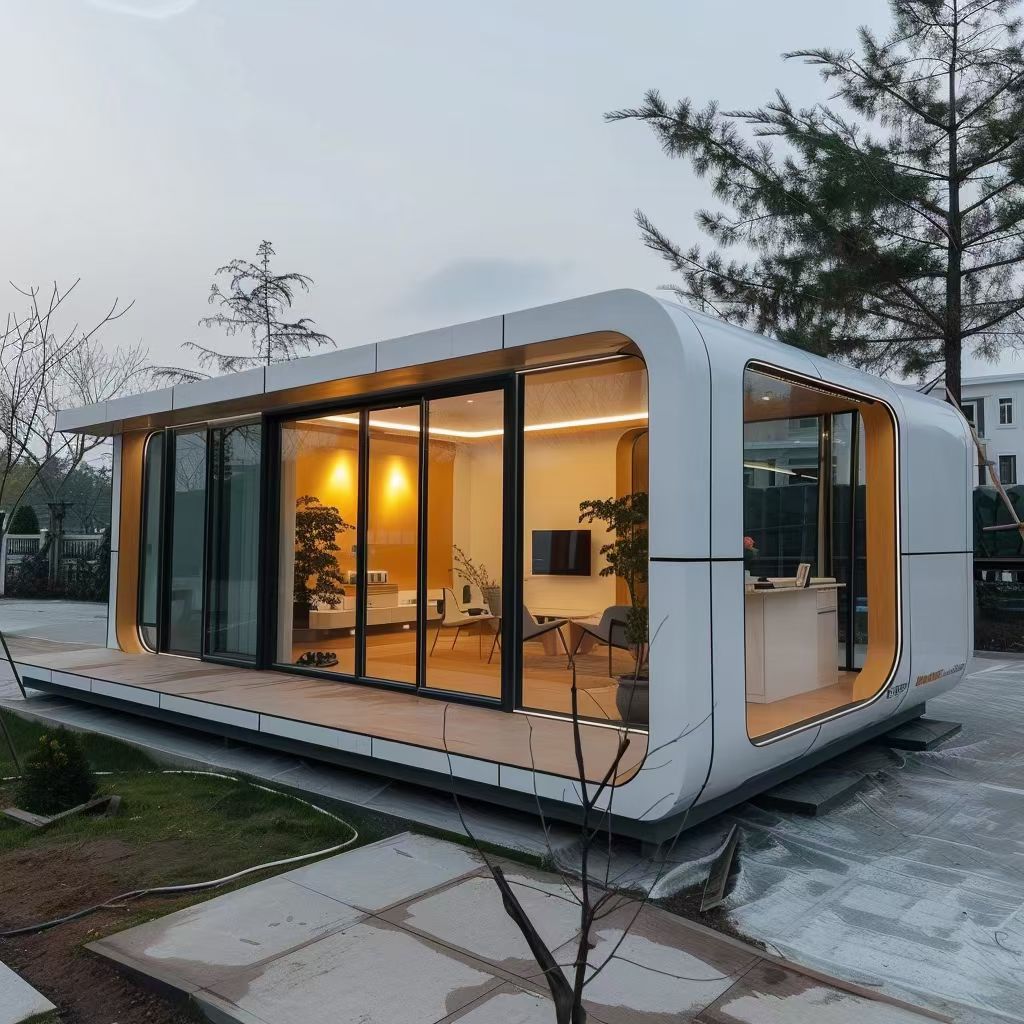
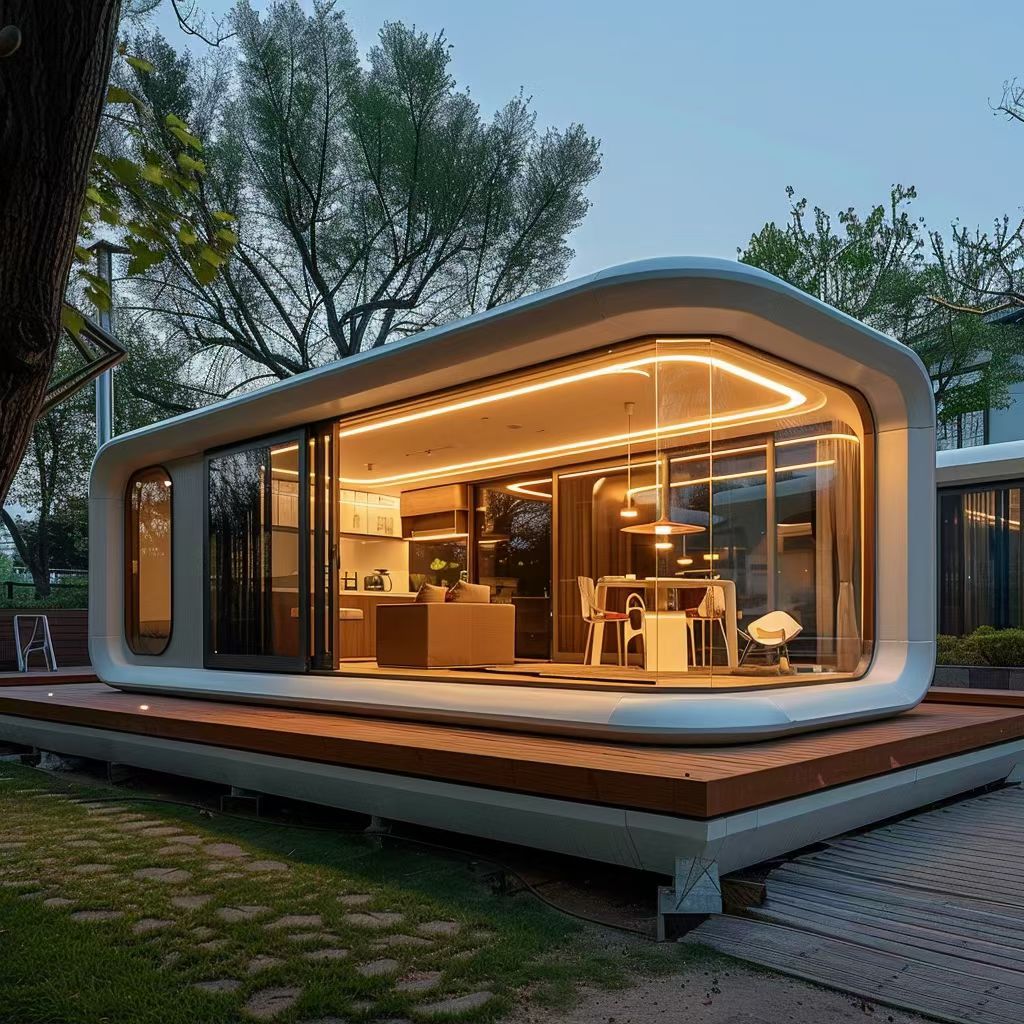
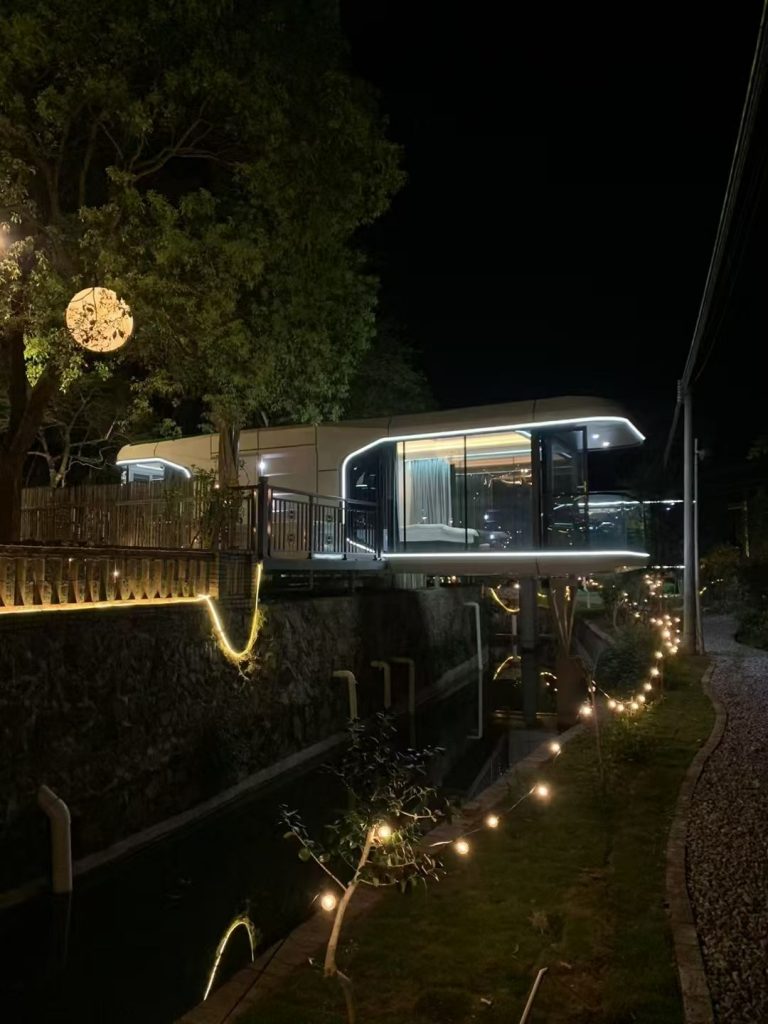
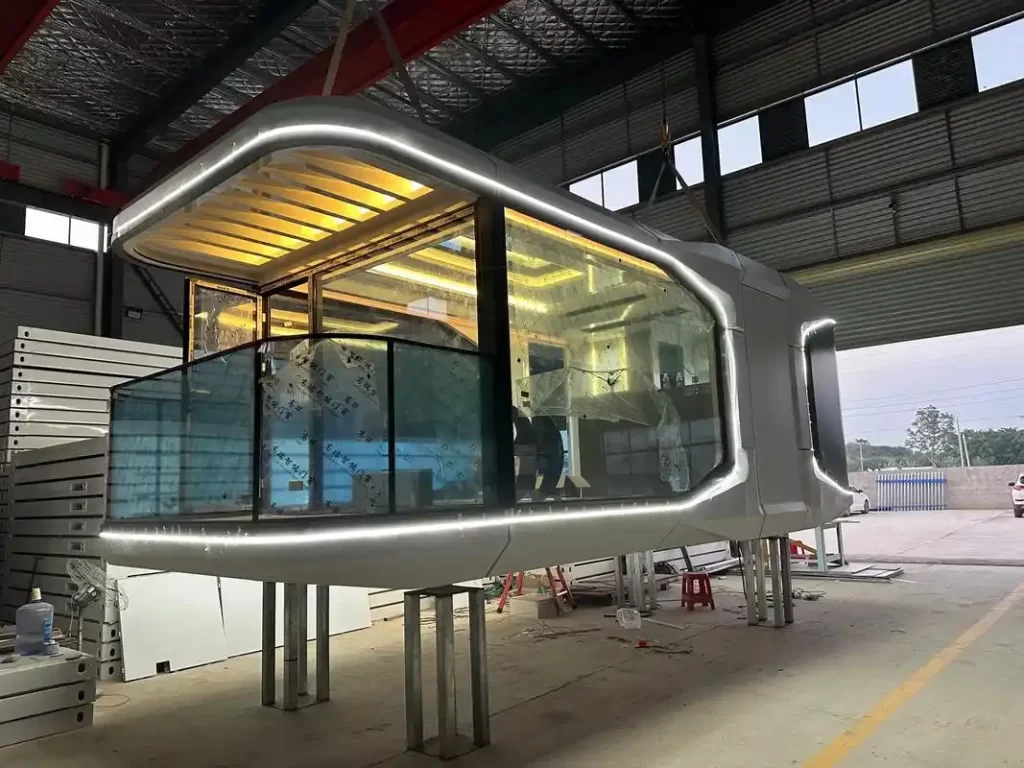
Last summer, I visited a neighbor’s new home—a modest bungalow with no obvious “green” signage, yet their energy bill was 60% lower than mine. “It’s not magic,” they laughed, pointing to the south-facing windows, “just smart choices that work with the sun, not against it.” That conversation opened my eyes to energy-efficient housing: not a luxury for eco-warriors, but a practical way to slash costs, curb emissions, and stay comfortable year-round. Let’s break down how these homes turn “saving energy” into everyday living.
🌱 Design Philosophy: Working With Nature, Not Against It
Energy-efficient housing starts with passive design—using natural elements (sun, wind, shade) to regulate temperature, rather than relying solely on heaters or AC. It’s about being a “thermal detective,” observing how your climate behaves and designing accordingly.
Vertical Table 1: 7 Passive Design Principles for Energy Efficiency
| Principle | Description |
|---|---|
| Orientation | Position main living areas (south in Northern Hemisphere) to capture winter sun |
| Thermal Mass | Use dense materials (concrete, brick) to absorb heat by day, release at night |
| Natural Ventilation | Cross-breezes via operable windows; stack effect (hot air rises, exits upper windows) |
| Shading Strategy | Overhangs, awnings, or deciduous trees block summer sun (allow winter light) |
| Insulation Priority | Seal gaps (windows, doors) + insulate attics/walls (R-38 minimum for cold climates) |
| Daylight Harvesting | Large, unobstructed windows reduce need for artificial light (daytime) |
| Landscaping Synergy | Plant windbreaks (evergreens) on north side; drought-tolerant plants reduce water/energy for lawns |
🏠 Core Features: The “Secret Sauce” of Efficiency
These homes blend simple tweaks with clever tech—no need for futuristic gadgets.
Vertical Table 2: 7 Must-Have Features in Energy-Efficient Housing
| Feature | How It Works | Real-World Impact |
|---|---|---|
| Double/Triple Glazing | Two/three glass panes with argon gas (slows heat transfer) | Cuts heating loss by 50%; reduces noise |
| High-Performance Insulation | Spray foam or cellulose in walls/attics (fills gaps better than fiberglass) | Keeps homes 10–15°F warmer in winter |
| Energy-Star Appliances | Refrigerators, washers rated 15–30% more efficient than standard models | Saves 100–200/year on utilities |
| Programmable Thermostats | Learn habits (lower heat when away); zoned heating (warm only occupied rooms) | Cuts HVAC use by 10–15% |
| Low-Flow Fixtures | Showerheads (1.5 gpm), faucets (1.2 gpm) reduce hot water use | Saves 20–30% on water heating |
| Solar-Ready Wiring | Pre-installed conduits for future solar panels (avoids costly retrofits) | Makes solar adoption 50% cheaper later |
| Heat Recovery Ventilation | Exhaust stale air, recover 80% of heat from outgoing air | Improves indoor air quality + saves energy |
⚡ Tech Integration: Smart Tools, Not Gimmicks
Technology enhances passive design—think of it as a “coach” helping the house optimize itself.
Horizontal Table 1: Energy-Efficient Tech: Simple vs. Advanced
| Tech Level | Examples | Cost Range | Payback Period |
|---|---|---|---|
| Basic | Smart thermostats, LED bulbs, power strips (kill standby power) | 50–300 | 1–3 years |
| Intermediate | Solar water heaters, attic fans, weatherstripping | 500–2,000 | 3–7 years |
| Advanced | Solar panels + battery storage, geothermal heat pumps, smart home energy dashboards | 10,000–30,000+ | 7–15 years |
🌍 Sustainability: More Than Just Saving Money
Energy-efficient housing shrinks your carbon footprint—critical as climate change heats up.
Vertical Table 3: 7 Environmental Benefits of Efficient Homes
| Benefit | Impact |
|————————-|—————————————————————————–|——————————————–|
| Lower Emissions | A 2,000 sq ft efficient home emits 3–5 tons less CO₂/year than standard |
| Reduced Fossil Fuel Use | Less reliance on coal/oil for heating/electricity (supports renewables) |
| Water Conservation | Low-flow fixtures + drought-tolerant landscaping cut water use by 30% |
| Urban Heat Island Mitigation| Cool roofs (reflect sunlight) lower neighborhood temps by 2–3°F |
| Longer Material Lifespan| Proper insulation prevents moisture damage (extends home life by 20+ years)|
| Biodiversity Support | Native plants in landscaping feed pollinators (bees, butterflies) |
| Waste Reduction | Durable materials (metal roofs, concrete floors) need replacing less often |
😊 User Experience: Comfort Without Compromise
Efficient homes aren’t “cold” or “sparse”—they’re cozy, quiet, and predictable.
Vertical Table 4: 7 UX Wins for Energy-Efficient Living
| Win | What It Feels Like |
|————————-|—————————————————————————–|——————————————–|
| Stable Temperatures | No drafts near windows; even heat from floor to ceiling |
| Quiet Interiors | Double glazing blocks traffic/storm noise (sleep better!) |
| Lower Utility Anxiety | Predictable bills (no surprise $300 heating charges in winter) |
| Improved Air Quality | HRV systems filter pollen/dust; no dry air from overworked heaters |
| Pride in Ownership | Knowing your home helps the planet (small daily win) |
| Resilience | Better insulated homes stay warmer during power outages (by 4–6 hours) |
| Customizable Comfort | Zoned heating lets you warm bedrooms while keeping living areas cooler |
🏘️ Applications: From Suburbs to Apartments
Efficiency isn’t just for new builds—renovations and apartments can join in.
Horizontal Table 2: Energy-Efficient Housing in 3 Scenarios
| Scenario | Key Strategies | Example Outcome |
|---|---|---|
| New Construction | Orient home to sun; install spray foam insulation + triple glazing | 50% lower energy bills vs. code-minimum home |
| Existing Home Renovation | Add attic insulation, seal ducts, replace windows with ENERGY STAR models | 30–40% bill reduction in 6 months |
| Apartment Living | Use thermal curtains, LED bulbs, smart plugs; advocate for building-wide efficiency upgrades | Save 20–30/month on shared utilities |
⚠️ Challenges & How to Beat Them
Efficiency has hurdles—but most are solvable with planning.
Vertical Table 5: 7 Common Challenges & Fixes
| Challenge | Solution |
|————————-|—————————————————————————–|——————————————–|
| Higher Upfront Cost | Prioritize low-cost fixes first (weatherstripping, LED bulbs); use rebates/tax credits |
| Confusing Tech Choices | Start with a home energy audit (find leaks/inefficiencies); hire a pro for advice |
| Aesthetic Concerns | Modern efficient windows look like standard ones; insulation hidden in walls |
| Renting Limitations | Talk to landlord about upgrades (many offer “green leases” with bill savings split) |
| Regional Climate Differences| Desert homes focus on cooling (cool roofs, evaporative coolers); cold climates on heating (thermal mass, insulation) |
| Maintenance Neglect | Check insulation yearly (mice/water damage); clean solar panels twice/year |
| “Efficiency Guilt” | Celebrate small wins (e.g., “We saved $50 this month!”); focus on progress, not perfection |
📈 Future Trends: Efficiency Gets Smarter
Homes are learning to adapt in real time—thanks to AI and better materials.
Horizontal Table 3: 2025–2030 Energy-Efficient Housing Trends
| Trend | Impact | Example Idea |
|---|---|---|
| AI-Powered HVAC | Sensors adjust heating/cooling based on occupancy + weather forecasts | Saves 20% more energy than programmable thermostats |
| Phase-Change Materials | Walls absorb heat during day, release at night (no active heating needed) | Ideal for mild climates |
| Transparent Solar Panels | Glass windows that generate electricity (look like regular windows) | Urban apartments with power-generating views |
| Community Solar Programs | Neighbors share solar arrays (lower costs for renters/small homes) | Subdivisions with shared solar farm |
🌟 Why Energy-Efficient Housing Matters
It’s a quiet revolution—one that puts money back in your pocket, eases strain on the planet, and makes homes feel right. For my neighbor, it meant retiring their old oil furnace; for a young family, it meant affording a bigger garden. It’s proof that “efficiency” isn’t about sacrifice—it’s about living smarter.
Final Thought
Start small: swap a lightbulb, caulk a drafty window, or ask your utility company for a free energy audit. You might find that saving energy isn’t a chore—it’s a habit that makes your home, and your wallet, happier.


No reply content