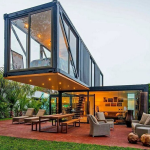
Container House Co., Ltd
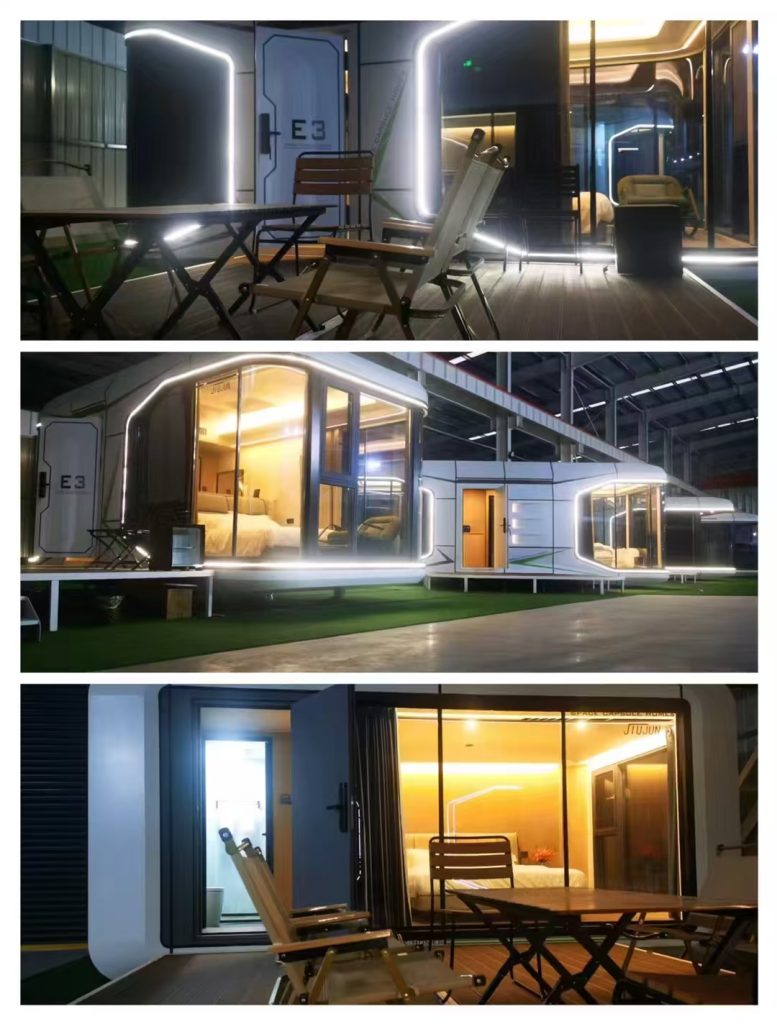
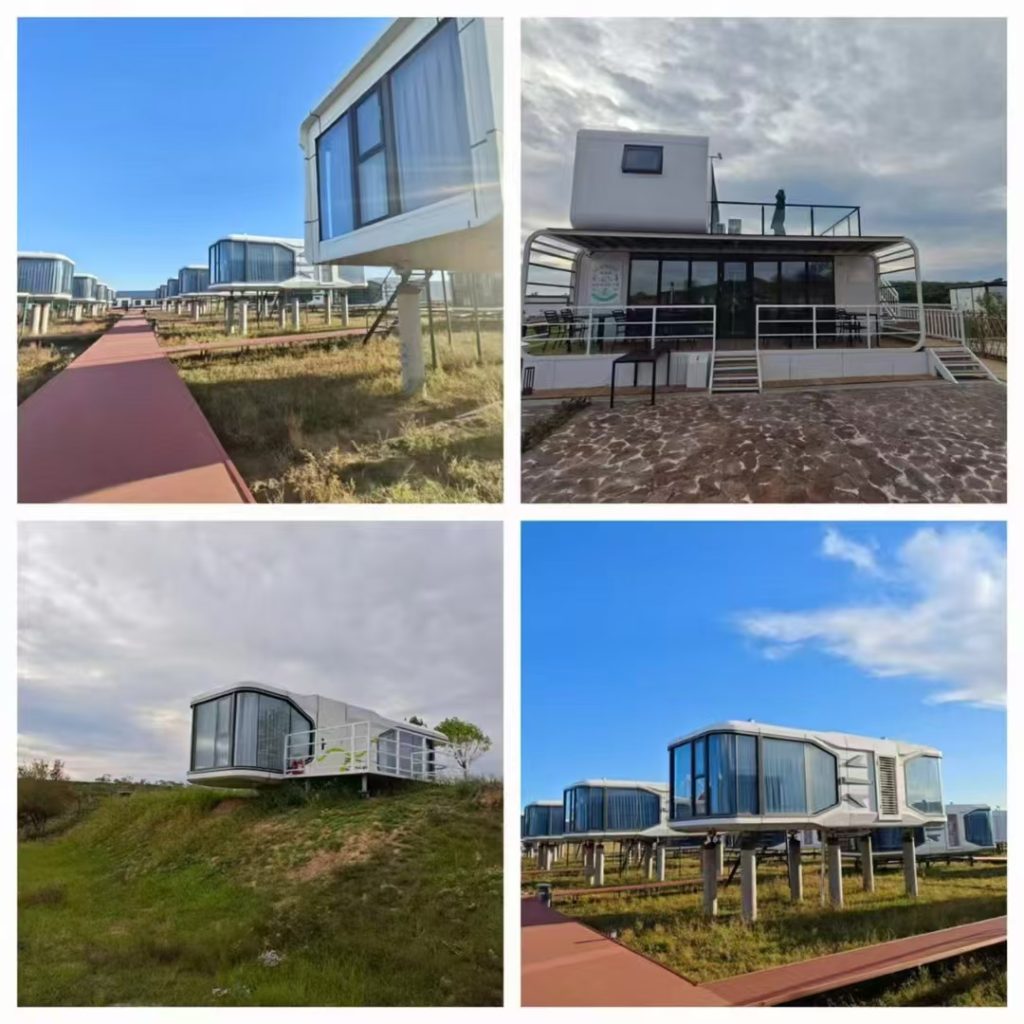
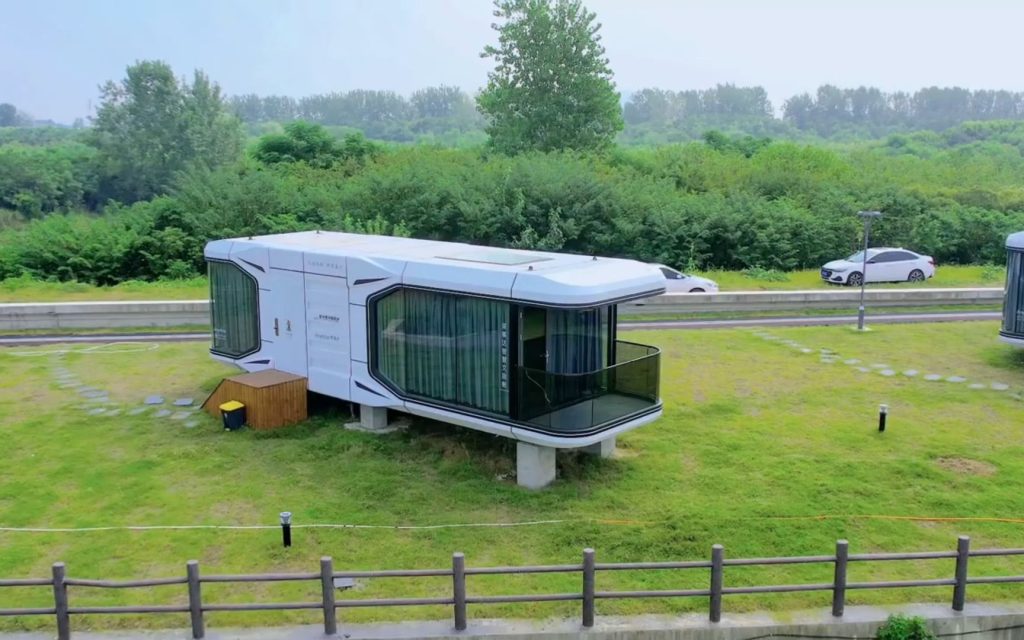
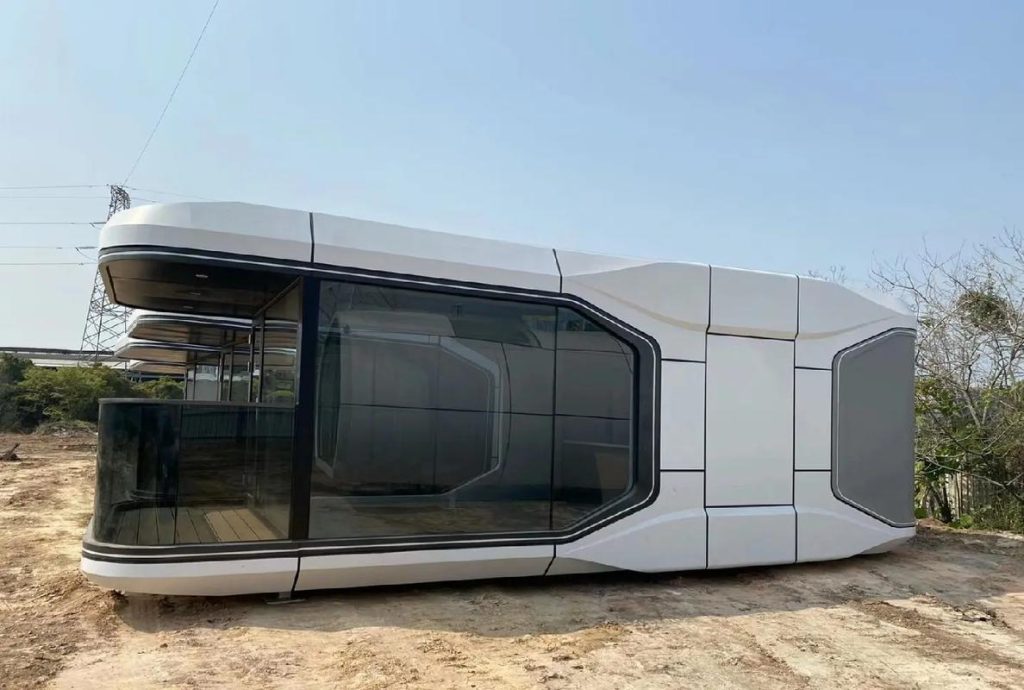
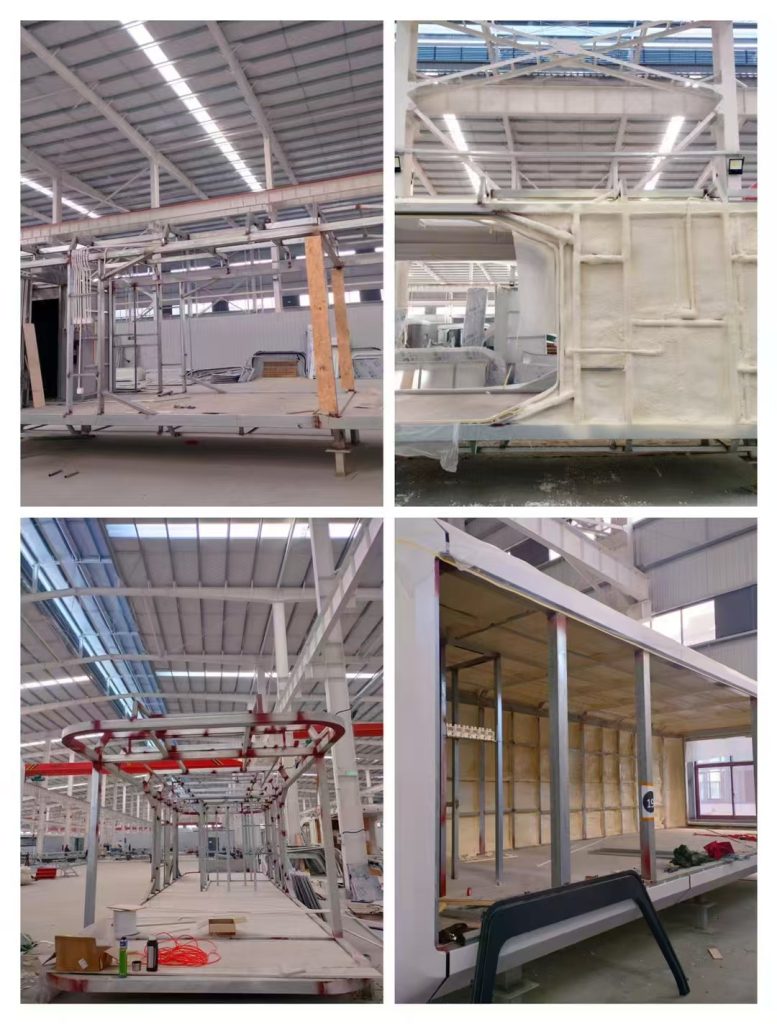
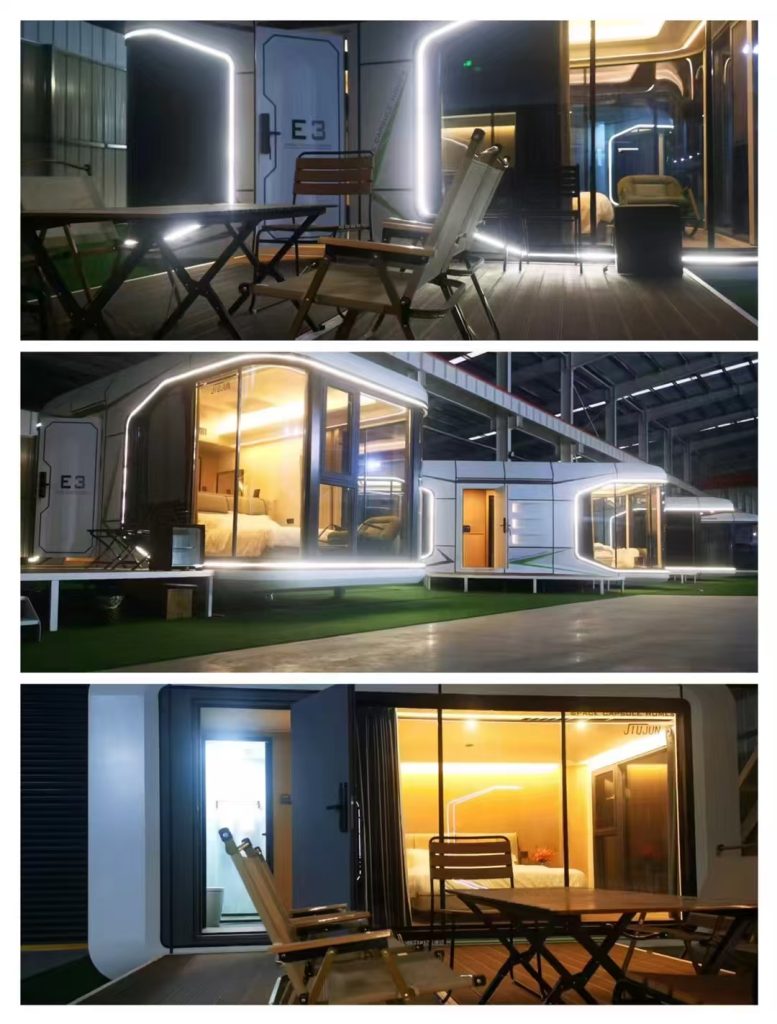
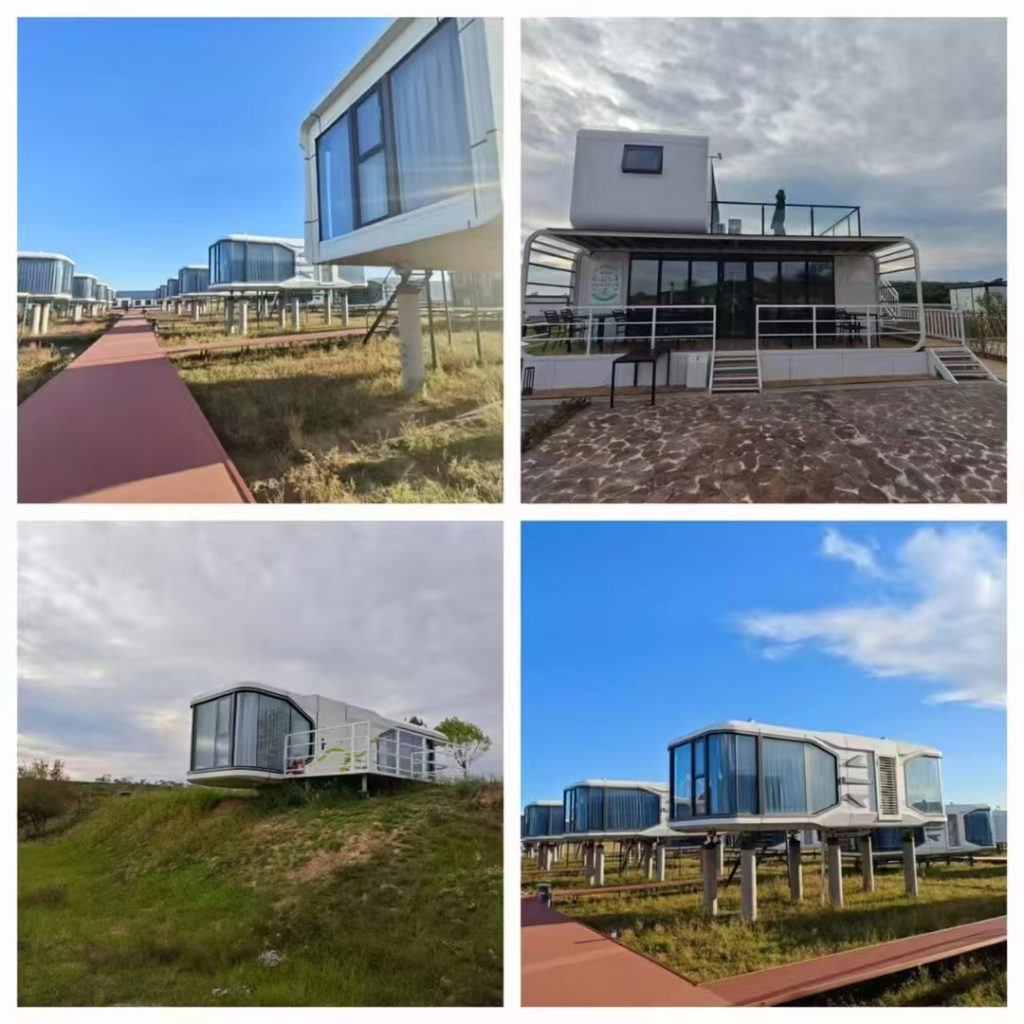
Last spring, I drove through a rural valley and stumbled upon a cluster of homes that looked nothing like the cookie-cutter houses nearby. Some had curved straw-bale walls, others featured repurposed shipping containers with green roofs, and a few were partially dug into a hillside to blend with the landscape. A resident, Maria, invited me in—her “house” was a mix of a yurt and a tiny home, with a shared community kitchen nearby. “This isn’t just a place to live,” she said, stirring a pot of vegetable soup. “It’s a way to belong.” That’s the heart of an innovative housing solution: not just new structures, but new ways of thinking about home, community, and sustainability. Let’s explore how these ideas are reshaping where and how we live.
🎯 Design Philosophy: Homes as Living Systems
Innovative housing solutions reject “one-size-fits-all” thinking. They treat homes as adaptable ecosystems that respond to people, place, and planet.
Vertical Table 1: 7 Core Principles of Innovative Housing Solutions
| Principle | Description |
|---|---|
| Adaptive Reuse | Repurpose existing structures (barns, shipping containers, silos) into homes |
| Community Integration | Design shared spaces (kitchens, gardens, workshops) to foster connection |
| Biophilic Connection | Integrate natural elements (earth berms, living walls, daylight optimization) |
| Scalable Modularity | Add/remove units (e.g., attach a guest pod or expand a family wing) |
| Cultural Reflection | Incorporate local materials/artifacts (e.g., adobe in deserts, timber in forests) |
| Resilience by Design | Withstand climate extremes (floods, wildfires) via elevated foundations or fire-resistant materials |
| Affordability by Default | Prioritize low-cost materials (straw, reclaimed wood) + sweat equity options |
🌍 Applications: Solving Real-World Housing Gaps
These solutions target urgent needs—from disaster recovery to urban overcrowding.
Horizontal Table 1: Innovative Housing in 3 Critical Contexts
| Context | Problem Addressed | Innovative Solution Example | Outcome |
|---|---|---|---|
| Post-Disaster Recovery | Slow, expensive temporary shelters | Modular straw-bale units (assembled in 3 days) | Families moved from tents to safe homes in 1 week |
| Urban Informal Settlements | Lack of secure, sanitary housing | Upcycled container homes with solar + composting toilets | 50 families gained legal tenure + reduced disease risk |
| Rural Depopulation | Abandoned villages; aging populations | Community land trusts with shared farming/gardening spaces | Youth returned to revitalize towns; elders supported by shared resources |
⚙️ Technology: Low-Tech Meets High-Innovation
Tech here isn’t flashy—it’s practical, often borrowing from traditional wisdom.
Vertical Table 2: 7 Tech & Material Innovations in Housing
| Innovation | How It Works |
|---|---|
| 3D-Printed Earth | Local soil + binder printed into walls (cuts construction waste by 70%) |
| Straw Bale Insulation | Bales stacked like bricks; plastered with clay (R-value 35, fire-resistant) |
| Solar-Powered Ventilation | Roof turbines + PV panels power fans (no grid needed) |
| Rainwater Harvesting | Terraced roofs channel water to underground cisterns (supplies 80% of non-potable use) |
| Mycelium Insulation | Mushroom roots grown into insulation panels (biodegradable, fire-retardant) |
| Ferrocement Construction | Wire mesh + cement slurry (thin, strong walls; uses 50% less cement than concrete) |
| Passive Cooling Towers | Tall chimneys draw hot air out; cool air enters via underground ducts |
♻️ Sustainability: Closing the Loop
Innovative housing aims to give back—to the environment and the community.
Vertical Table 3: 7 Circular Practices in Housing Solutions
| Practice | Impact |
|————————-|—————————————————————————–|——————————————-|
| Local Material Sourcing| Reduces transport emissions (e.g., bamboo from nearby forests) |
| Waste-to-Resource | Crushed concrete from old buildings becomes aggregate for new foundations |
| Community Composting | Food scraps + human waste (composting toilets) feed shared gardens |
| Greywater Recycling | Shower/laundry water filters to irrigate fruit trees |
| Tool-Sharing Libraries | Residents borrow drills, saws, or sewing machines (no need to buy) |
| Crop Integration | Rooftop gardens grow vegetables; fruit trees shade homes |
| End-of-Life Deconstruction| Homes designed to be taken apart; materials reused in new projects |
😊 User Experience: Stories of Belonging
Residents of innovative housing often describe a sense of “coming home” that goes deeper than four walls.
Vertical Table 4: 7 Resident-Led UX Wins
| Win | What Residents Say |
|————————-|—————————————————————————–|——————————————-|
| “We fix things together”| Shared tool sheds + skill-sharing workshops (e.g., teaching straw-bale repair) |
| “Kids know everyone” | Mixed-age community gardens; elders mentor teens in gardening |
| “Low bills, high joy” | Solar power + composting toilets cut costs by 60%; time saved from yard work spent on hobbies |
| “Safe to be ourselves” | Diverse housing styles (yurts, containers) accepted; no HOA rules dictating appearance |
| “Nature at the door” | Morning walks in shared meadows; evening stargazing from hilltop decks |
| “Pride in ownership” | Building their own homes (sweat equity) creates lasting attachment |
| “Flexible for life” | Added a nursery module when a baby arrived; converted a workshop to a home office later |
⚠️ Challenges & Grassroots Solutions
Innovation faces hurdles—but communities often solve them together.
Horizontal Table 2: Common Challenges & Community-Led Fixes
| Challenge | Solution |
|————————-|—————————————————————————–|———————————————|
| Skepticism (“Is it safe?”)| Invite inspectors to certify structures; host open houses for neighbors |
| Funding Gaps | Crowdfunding campaigns + grants from local environmental groups |
| Zoning Laws | Advocate for “experimental zoning” districts where innovative housing is permitted |
| Skill Shortages | Partner with vocational schools to train residents in straw-bale or ferrocement techniques |
| Material Access | Barter systems (trade surplus veggies for reclaimed wood) |
📈 Future Trends: 2025–2030
Innovative housing is moving toward hyper-local adaptation—solutions tailored to each place’s unique needs.
Horizontal Table 3: Emerging Trends in Housing Innovation
| Trend | Impact | Example Idea |
|---|---|---|
| AI-Assisted Local Design | Software analyzes soil/climate data to recommend materials (e.g., “Use rammed earth in this region”) | Rural village gets custom earth-home plans |
| Bioplastic Composites | Algae-based plastics replace fiberglass (lighter, biodegradable) | Yurts with algae-plastic windows |
| Community Cryptocurrency | Tokens earned by contributing labor (e.g., building a neighbor’s home) redeemable for goods/services | Local market runs on “sweat equity” coins |
🌾 Case Study: The “Earthship” Village
A small community in New Mexico built 12 homes using recycled tires, bottles, and earth—each self-sufficient in water and power.
Vertical Table 5: Earthship Village Metrics
| Metric | Detail |
|————————-|—————————————————————————–|——————————————-|
| Construction Time | 18 months (residents worked weekends) |
| Cost per Home | 25k (vs. 200k for conventional home in the area) |
| Energy Independence | 100% solar + wind; no utility bills since 2018 |
| Water Use | 90% from rain/snowmelt; greywater recycles for gardens |
| Community Impact | Attracted 30 new residents; started a cooperative grocery store |
🎭 Cultural Impact: Redefining “Home”
These solutions challenge the myth that “progress” means concrete towers and manicured lawns.
Vertical Table 6: 7 Cultural Shifts Driven by Innovative Housing
| Shift | Example |
|————————-|—————————————————————————–|——————————————-|
| From Individual to Collective | Shared kitchens replace “private” dining rooms (encourages cooking together) |
| From Ownership to Stewardship | Land trusts ensure housing remains affordable for future generations |
| From Disposable to Durable | Homes built with 100-year materials (adobe, stone) instead of 30-year vinyl |
| From Isolation to Interdependence | Tool libraries, childcare co-ops, and meal trains normalize mutual aid |
| From “Normal” to Diverse | Yurts, container homes, and earthships celebrated alongside “traditional” houses |
| From Consumer to Creator | Residents design/build their own spaces (empowerment over passivity) |
| From Urban Exodus to Rural Revival | Young families move to villages for affordable, community-rich living |
🌟 Core Values: Why This Matters
Innovative housing isn’t just about shelter—it’s about restoring dignity, connection, and hope.
Vertical Table 7: 7 Values of Innovative Housing Solutions
| Value | Manifestation |
|————————-|—————————————————————————–|——————————————-|
| Equity | Prioritizing marginalized groups (refugees, low-income families) |
| Resilience | Homes that bend, not break, in storms or economic downturns |
| Joy | Spaces that make people smile (colorful murals, communal fire pits) |
| Wisdom | Blending ancient techniques (adobe, thatch) with modern know-how |
| Courage | Trying something new despite skepticism (e.g., building with straw bales) |
| Gratitude | Thanking the land (native plant gardens, erosion control) |
| Hope | Proving another world is possible—one home, one community at a time |
Final Thought
Innovative housing solutions remind us that “home” isn’t a product you buy—it’s a process you create. It’s about neighbors sharing tools, kids planting tomatoes together, and walls that breathe with the seasons. If you’ve ever dreamed of a place that feels like yours and ours at the same time, these ideas might be your starting point.


No reply content