
Footwear is often viewed as a simple fashion statement or a utilitarian necessity. However, the journey from a designer’s sketchbook to a finished pair of sneakers or oxfords is a sophisticated blend of traditional craftsmanship, biomechanical engineering, and cutting-edge material science.
Modern shoe manufacturing is a multi-stage process that balances the aesthetic “Art” of design with the rigorous “Science” of structural integrity.
1. The Design and Prototyping Phase
Every shoe begins with a vision. Designers don’t just draw a pretty shape; they must consider the human gait cycle, weight distribution, and the intended use of the shoe.
The Role of the “Last”
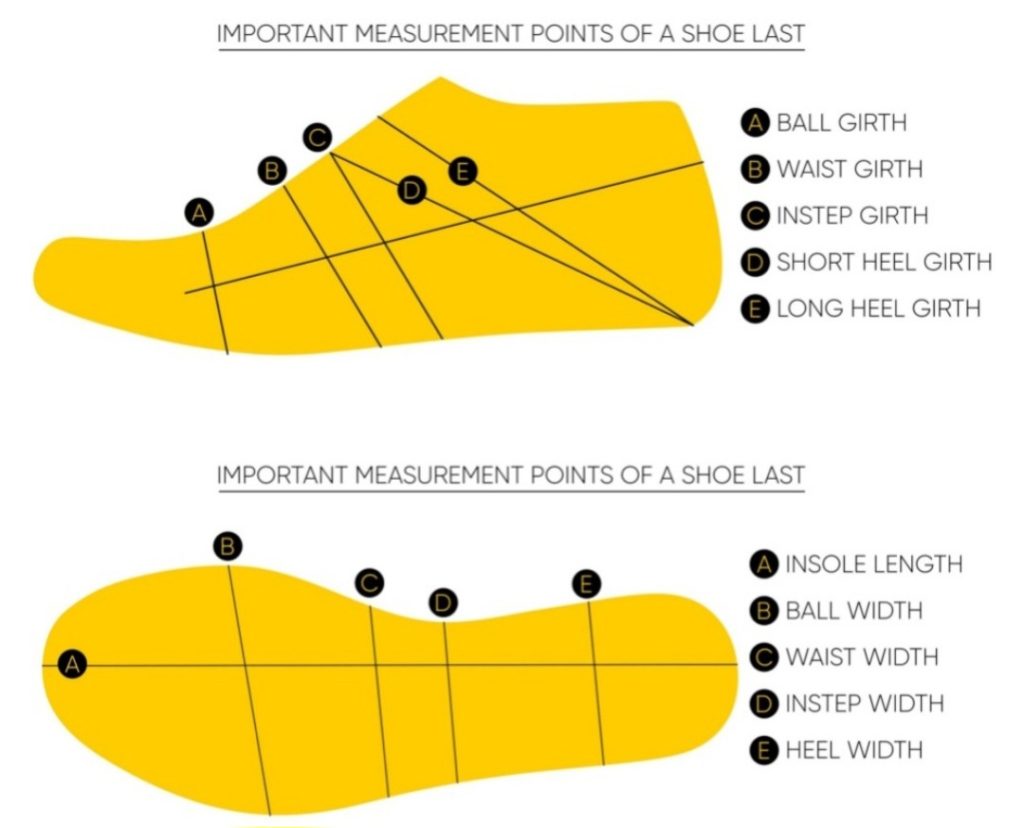
The soul of any shoe is the last—a physical anatomical model that mimics the shape of a human foot. Historically carved from wood, modern lasts are now high-density plastic or 3D-printed resin.
- The Science: Engineers use 3D foot scanning data to ensure the last provides the correct “rolling” motion during a stride.
- The Art: The designer adjusts the silhouette of the last to determine if the shoe will have a sleek, pointed toe or a rugged, wide-set profile.
Pattern Making
Once the design is finalized on the last, it is “flattened” into 2D patterns. Computer-Aided Design (CAD) software is used to nest these patterns efficiently to minimize material waste—a crucial step for both cost-efficiency and sustainability.
2. Material Selection: The Canvas of Innovation
The choice of material dictates the shoe’s breathability, durability, and flexibility.
|
Material Type |
Characteristics |
Common Usage |
|---|---|---|
|
Full-Grain Leather |
Durable, develops a patina, breathable. |
Formal shoes, premium boots. |
|
Synthetic Knits |
Seamless, lightweight, high airflow. |
Performance running shoes. |
|
EVA (Ethylene Vinyl Acetate) |
Excellent shock absorption, lightweight. |
Midsoles and athletic foam. |
|
Carbon Fiber |
High rigidity, energy return. |
The “Science” here involves testing tensile strength and abrasion resistance, ensuring the material won’t tear under the repetitive stress of thousands of steps.
3. The Manufacturing Process: Step-by-Step
The actual assembly of a shoe is divided into four primary departments: Cutting, Sewing, Lasting, and Bottoming.
I. Clicking (Cutting)
The “Clicker” is the artisan (or machine) that cuts the various parts of the shoe upper from the raw material. Precision is vital; if the grain of the leather isn’t aligned correctly, the shoe may stretch unevenly over time.
II. Closing (Sewing)
In the closing room, the flat pieces are stitched together. This is where the shoe begins to take its 3D form. Features like eyelets, foam padding, and heel counters are integrated here.
III. Lasting (Shaping)
This is the most critical stage. The sewn upper is stretched tightly over the last.
- Pull-over: The upper is pulled over the toe.
- Side Lasting: The sides are secured.
- Heat Setting: The shoe is put into a “heat tunnel” to “memory” the shape of the last, ensuring it retains its form even after the last is removed.
IV. Bottoming (Attaching the Sole)
The sole is attached to the upper using one of three main methods:
- Cementing: Using high-strength adhesives (common in sneakers).
- Strobel Construction: The upper is stitched to a fabric bottom before being glued to the sole, offering maximum flexibility.
- Goodyear Welting: A traditional method where a strip of leather (the welt) is sewn to both the upper and the sole. This allows the shoe to be “resoled” repeatedly, lasting decades.
4. The Science of the Midsole: Energy Return
In the 21st century, the “Science” of shoe manufacturing is centered on the midsole. This is the layer between the inner sockliner and the outer tread.
Chemical engineers develop proprietary foams that act like springs. When a runner’s foot hits the ground, the foam compresses (absorbing energy) and then rapidly expands (returning energy). This is often calculated using the formula for elastic potential energy:
Where U is the energy stored, k is the stiffness of the foam, and \Delta x is the displacement. Finding the perfect k value is the “Holy Grail” of athletic footwear.
5. Quality Control and Biomechanical Testing
Before a shoe reaches the shelf, it undergoes rigorous “torture tests.”
- Flex Testing: A machine bends the shoe 50,000 times to check for cracks.
- Slip Resistance: Testing the friction coefficient of the outsole on wet and oily surfaces.
- Climate Simulation: Ensuring the glues don’t fail in extreme heat or freezing cold.
6. The Future: Sustainability and Automation
The “Art” of shoemaking is moving toward additive manufacturing (3D Printing). Companies are now printing midsoles tailored to an individual’s specific foot shape and weight. Simultaneously, there is a massive shift toward Circular Manufacturing, using recycled ocean plastics and bio-based leathers (made from mushrooms or pineapple fibers) to reduce the environmental footprint.
Conclusion
Shoe manufacturing is a testament to human ingenuity. It requires the eye of an artist to create something beautiful, the hand of a craftsman to assemble it with precision, and the mind of a scientist to ensure it protects the complex machinery of the human foot. Whether it is a bespoke leather brogue or a record-breaking carbon-plated racing shoe, the process remains a perfect harmony of form and function.


No reply content