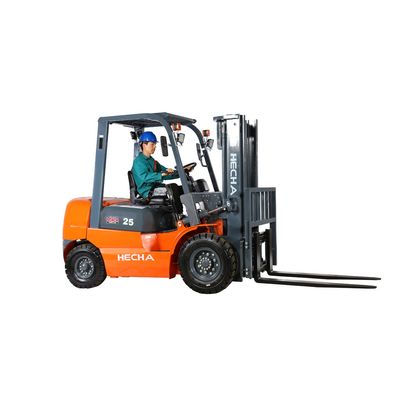
As global supply chains continue to automate and adapt to shifting trade dynamics, material handling equipment is undergoing a massive technological transition. For fleet managers, procurement directors, and industrial distributors, sourcing industrial forklifts in 2026 requires a strategic shift toward smart fleet connectivity, energy efficiency, and total cost optimization.
Whether you are upgrading an existing distribution center or equipping a new production facility, this 2026 sourcing guide outlines the core features, engineering standards, and purchasing criteria to evaluate before issuing a Request for Quotation (RFQ).
1. Advanced Energy Systems: Lithium-Ion & Smart Charging Integration
Energy management is no longer just about fuel type—it is about uptime and operational continuity. In 2026, electric forklifts powered by Lithium-Iron Phosphate (LiFePO4) batteries have become the dominant choice for indoor and multi-shift operations.
                           ┌───────────────────────────┐
                           │   2026 Energy Solutions   │
                           └─────────────┬─────────────┘
                                         │
                 ┌───────────────────────┴───────────────────────┐
                 ▼                                               ▼
     ┌───────────────────────┐                       ┌───────────────────────┐
     │ LiFePO4 Battery Tech  │                       │   Smart Fast Charge   │
     ├───────────────────────┤                       ├───────────────────────┤
     │ • 3000+ Charge Cycles │                       │ • Opportunity Charge  │
     │ • Zero Maintenance    │                       │ • Peak Demand Shaving │
     │ • No Thermal Runaway  │                       │ • Integrated BMS      │
     └───────────────────────┘                       └───────────────────────┘
- Opportunity Charging Capability: Modern lithium-ion systems allow operators to top off battery charges during 15-minute breaks, eliminating the need for spare battery changing stations.
- Battery Management Systems (BMS): Integrated BMS real-time monitoring prevents thermal risks, cell imbalances, and deep discharge damage, extending battery service life beyond 8 to 10 years.
- Alternative Clean Energy Options: For ultra-heavy outdoor operations, Stage V compliant low-emission diesel and hydrogen fuel cell models are becoming key benchmarks in regulated markets.
2. Integrated Telematics & IoT Fleet Management
In modern warehousing, forklifts are no longer standalone mechanical units—they are connected nodes in your digital logistics network.
When sourcing forklifts in 2026, ensure the equipment comes equipped with or supports IoT Telematics modules:
- Driver Access Control: Digital RFID or PIN-code access ensures only certified operators can ignite the equipment.
- Impact & Collision Detection: Built-in shock sensors log collision events, sending real-time alerts to safety managers to reduce warehouse rack and cargo damage.
- Predictive Maintenance: Telematics modules track motor hours, hydraulic pressure metrics, and temperature levels to schedule preventive maintenance before costly mechanical breakdowns occur.
3. Active Safety Innovations & Operator Ergonomics
Workplace safety standards are tightening worldwide. Sourcing equipment with built-in safety controls reduces liability risks and operational downtime.
- Pedestrian Hazard Detection: AI camera vision systems and radar sensors actively distinguish between objects and human personnel, triggering automatic braking if a pedestrian enters a blind spot.
- Automatic Speed Reduction on Curves: Intelligent control units automatically scale back travel speed during sharp turns to prevent tipping when carrying heavy loads at height.
- Ergonomic Operator Cabins: Full-suspension seats, fingertip joystick hydraulics, digital color displays, and reduced decibel motor insulation minimize fatigue across 8-hour shifts.
4. High-Efficiency Masts and Hydraulic Precision
A forklift’s mast configuration directly impacts vertical storage capacity and stacker precision in high-bay distribution hubs.
- Wide-View Mast Design: Structural mast channels engineered with concealed hydraulic hoses maximize forward visibility during precision load placement.
- Proportional Valve Controls: Electronic proportional hydraulic valves enable smooth, micro-meter lifting and lowering, preventing abrupt shocks to fragile goods.
- Full Free Lift Triplex / Quad Masts: Essential for low-clearance container loading while maintaining vertical reach capabilities up to 6+ meters inside warehouses.
5. Supplier & Manufacturer Selection Criteria Checklist
To ensure your investment delivers long-term commercial value, evaluate prospective factory suppliers against this 2026 Procurement Checklist:
| Evaluation Criteria | Key Feature / Verification Requirement |
|---|---|
| International Standards | CE Marking, ISO9001 Quality Certification, ISO14001 Environmental Management |
| Component Reliability | High-grade electric controllers (e.g., Curtis/Zapi), premium hydraulic pumps |
| Customization Support | Direct factory OEM/ODM support for custom attachments, colorways, and specs |
| Parts & Technical Service | Guaranteed fast-dispatch spare parts supply and comprehensive service documentation |
| Warranty Terms | Minimum 1-to-2 year comprehensive warranty or 2000-to-3000 operating hours |
Secure Factory-Direct Sourcing with Vlefooena
As global B2B procurement evolves, buying directly from a specialized, quality-certified manufacturer gives you a distinct advantage in customization, pricing, and technical support.
Explore Our 2026 Industrial Forklift Lineup: Visit www.vlefooena.com today to view our latest product catalogs, request detailed technical specifications, or contact our global export team for factory-direct wholesale pricing!


No reply content