In the global construction and industrial infrastructure sectors, electrical safety and long-term performance depend entirely on the material reliability of your supply chain. Whether you are managing commercial engineering, residential developments, or industrial power distribution, procuring certified, resilient, and cost-effective electrical components is paramount.
Among foundational building materials, PVC (Polyvinyl Chloride) insulated building wires remain the most widely specified solution globally due to their flame retardancy, chemical resistance, flexibility, and cost-effectiveness. However, navigating international procurement—balancing technical compliance, copper conductor purity, insulation standards, and supplier verification—presents significant challenges for overseas procurement managers and distributors.
This comprehensive 2026 sourcing guide unpacks everything global buyers must evaluate when procuring high-quality PVC building wires, ensuring full regulatory compliance and seamless trade execution.
Understanding PVC Insulated Building Wires: Technical Standards & Core Specifications
Before evaluating factory capacity or negotiating commercial terms, procurement teams must align on exact technical parameters. PVC building wires are designed primarily for internal wiring, conduit installations, and fixed protection systems operating under standardized voltage ratings (typically 300/500V or 450/750V).
Key Technical Classifications
- Single-Core Solid Conductor (e.g., BV Wires / 60227 IEC 01): Widely utilized for fixed wiring in power devices, lighting systems, and household appliances. The solid copper structure offers excellent conductivity and structural stability inside wall conduits.
- Stranded / Flexible Conductors (e.g., BVR Wires / 60227 IEC 02): Composed of multiple fine copper strands twisted together, flexible PVC wires are required in environments with tight bending radii or frequent movement.
- Low-Smoke Halogen-Free (LSHF) PVC Compounds: Modern building codes increasingly mandate enhanced flame-retardant PVC insulation that minimizes toxic gas emissions during fire emergencies.
When evaluating supplier datasheets, cross-examine product parameters against internationally recognized standards such as IEC 60227, BS 6004, ASTM, and DIN EN 50525.
4 Critical Quality Benchmarks Overseas Buyers Must Verify
Substandard wires lead to voltage drops, insulation breakdown, and severe fire hazards. To protect your projects and reputation, enforce strict quality audits against these four technical benchmarks:
+-------------------------------------------------------------------------------+
|                       KEY QUALITY VERIFICATION MATRIX                         |
+-------------------+-----------------------------------------------------------+
| Conductor Purity  | Must be >99.9% Oxygen-Free Copper (OFC); avoid CCA/CCAM.  |
| Resistance Test   | Verify conductor DC resistance against IEC 60228 class.   |
| Insulation Quality| Sheath must be uniform in thickness, eccentric-free.      |
| Fire Performance  | Compliance with IEC 60332-1 flame propagation standards.  |
+-------------------+-----------------------------------------------------------+
1. Copper Purity and Conductor Resistance
The electrical efficiency of any cable relies directly on conductor purity. High-standard manufacturers utilize 99.9% Oxygen-Free Copper (OFC) to guarantee minimal electrical resistance and heat generation.
- Watch out for Copper-Clad Aluminum (CCA): While cheaper, CCA has significantly lower current-carrying capacity, higher resistance, and poorer oxidation resistance than pure copper. Always specify pure copper in technical purchase orders.
2. Insulation Concentricity and Wall Thickness
Uneven PVC insulation wall thickness creates dangerous thin spots prone to electrical breakdown under thermal stress. Professional manufacturers deploy online laser wall-thickness gauge monitoring to guarantee high insulation concentricity.
3. Thermal and Mechanical Endurance
High-grade PVC compounds must withstand standard working temperatures (70°C to 90°C depending on grade) without softening or cracking over decades of operation.
4. Full Regulatory Certification
Verify that the production line carries active certifications relevant to your destination market, such as CE, RoHS, ISO 9001:2015, and country-specific quality marks (e.g., SASO for Saudi Arabia, SONCAP for Nigeria, or GCC standards for the Middle East).
Step-by-Step Sourcing Workflow for International B2B Buyers
Executing a smooth import order requires structured milestone management from vendor vetting to final delivery.
[ Step 1: Technical Requirement Mapping ]
                  │
                  ▼
[ Step 2: Factory Audit & Sample Verification ]
                  │
                  ▼
[ Step 3: Pre-Shipment Inspection (PSI) ]
                  │
                  ▼
[ Step 4: Shipping & Custom Clearance Management ]
Step 1: Define Detailed Technical Purchase Specs
Avoid vague requests like “1.5mm2 PVC wire.” Provide precise engineering parameters:
- Conductor material & cross-sectional area (e.g., 2.5mm² Solid OFC)
- Voltage rating (e.g., 450/750V)
- Insulation color coding and compound type (e.g., Flame Retardant PVC)
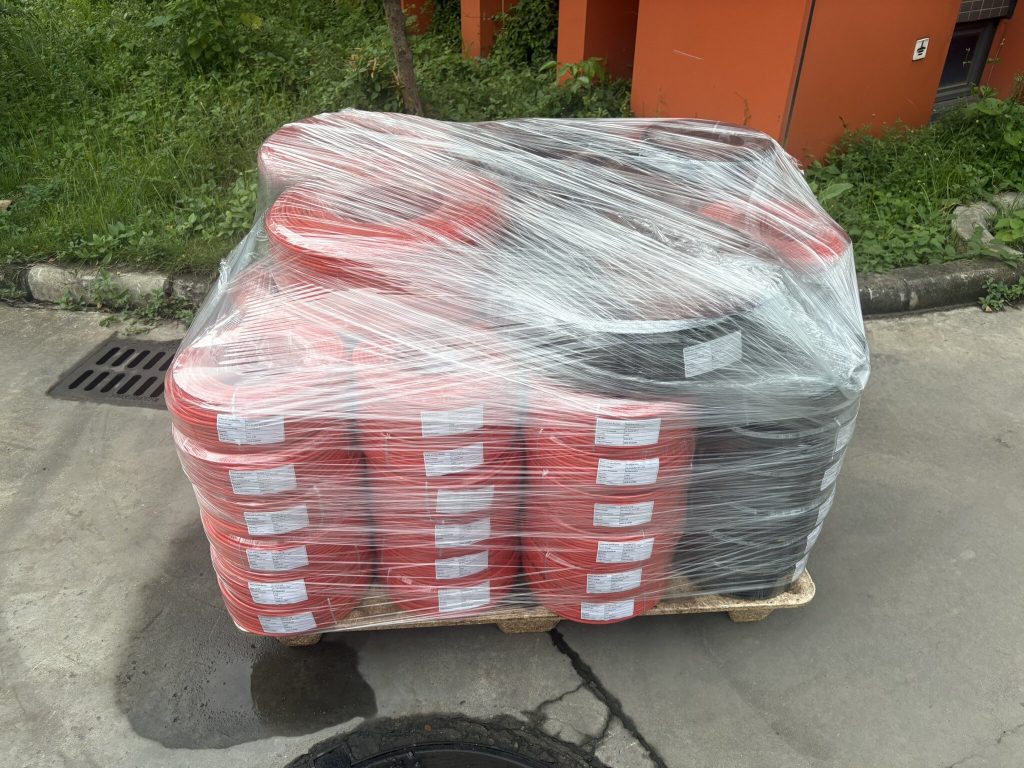
- Packaging specifications (e.g., 100 meters/roll wrapped in plastic film or wooden drums)
Step 2: Verify Factory Credibility and Direct Manufacturing Capability
When sourcing through international B2B marketplaces, ensure you are dealing directly with experienced production facilities rather than unlicensed intermediaries. For instance, verified sourcing channels like the China Cable and Wire Manufacturing Co., Ltd. Profile allow buyers to examine specialized manufacturing focus, export experience, and technical product portfolios directly.
Step 3: Request Pre-Production Samples and Lab Test Reports
Always request sample coils for independent laboratory testing. Perform a simple burn test (verifying flame-retardant self-extinguishing properties) and measure actual conductor resistance per meter.
Step 4: Implement In-Line and Pre-Shipment Inspection (PSI)
Engage third-party inspection agencies (such as SGS, BV, or TÜV) or request live factory video audits before final packing. Inspect:
- Outer markings (meter printing, brand name, voltage specification)
- Gross weight per roll (weight discrepancies often signal reduced copper cross-sections)
- Outer carton and pallet packing for ocean freight durability
Logistics, Tariffs, and Supply Chain Considerations
Importing electrical building materials requires a clear understanding of international trade terms (INCOTERMS) and freight handling.
- Selecting Incoterms: FOB (Free On Board) remains preferred for buyers with established freight forwarder contracts. Alternatively, CIF (Cost, Insurance, and Freight) is suitable for buyers seeking turn-key delivery handling to their destination port.
- Freight Optimization: Electrical wires are heavy, dense cargo. Calculate container weight limits carefully to optimize FCL (Full Container Load) ocean freight costs.
- Documentation Compliance: Ensure your manufacturer prepares complete shipping documentation, including the Bill of Lading (B/L), Commercial Invoice, Packing List, Certificate of Origin (Form E, Form F, or CO), and standard test certificates required by destination customs authorities.
Recommended Sourcing & Trade Resources
Building a resilient, high-efficiency supply chain involves exploring validated B2B platforms, industry directories, and specialized buying guides. Below are recommended internal resources to help streamline your procurement strategy:
- Direct Supplier Portfolios: Discover verified production profiles, specifications, and direct manufacturing details on the China Cable and Wire Manufacturing Co., Ltd. Factory Hub.
- B2B Trade Networks: Learn how to connect with top-tier international suppliers through the
- Manufacturer Hubs: Explore specialized OEM and ODM manufacturing capabilities via the
- International Freight Guides: Plan your ocean and air logistics route smoothly with comprehensive insights from the
- Sourcing Best Practices: Master factory audit techniques and vendor verification using our updated
Conclusion
Sourcing high-quality PVC building wires in 2026 demands a structured approach combining rigid technical specifications, thorough supplier verification, and compliance management. By prioritizing oxygen-free copper conductors, rigorous insulation standards, and direct factory partnerships, global procurement teams can optimize material costs while maintaining uncompromising electrical safety standards across all projects.



No reply content