
Robot Vacuum Suppliers in Suzhou China
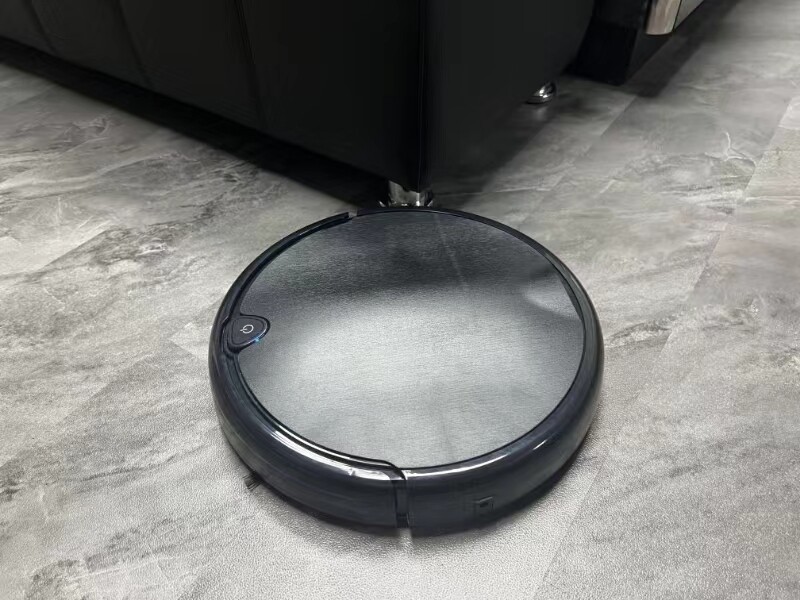
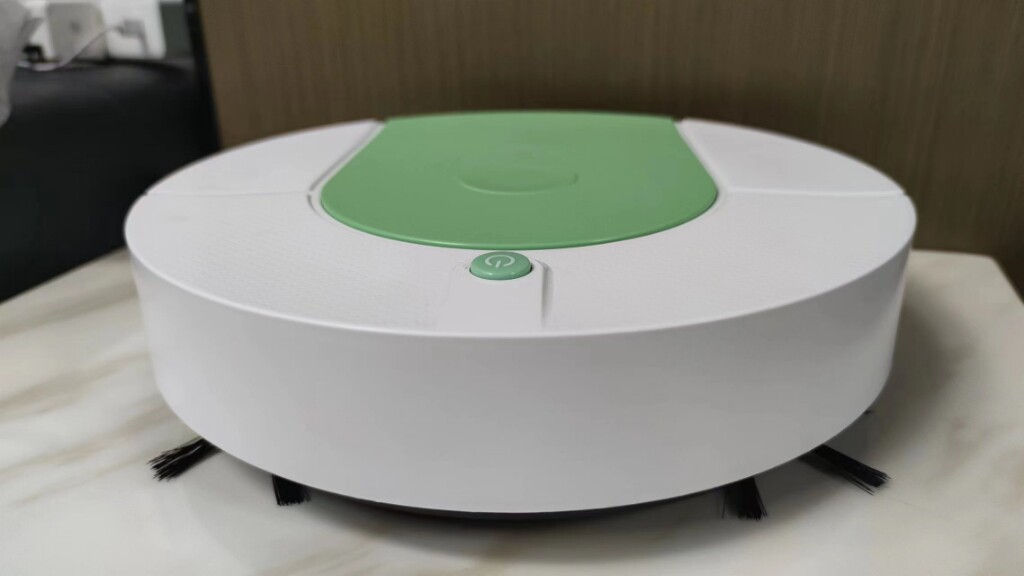
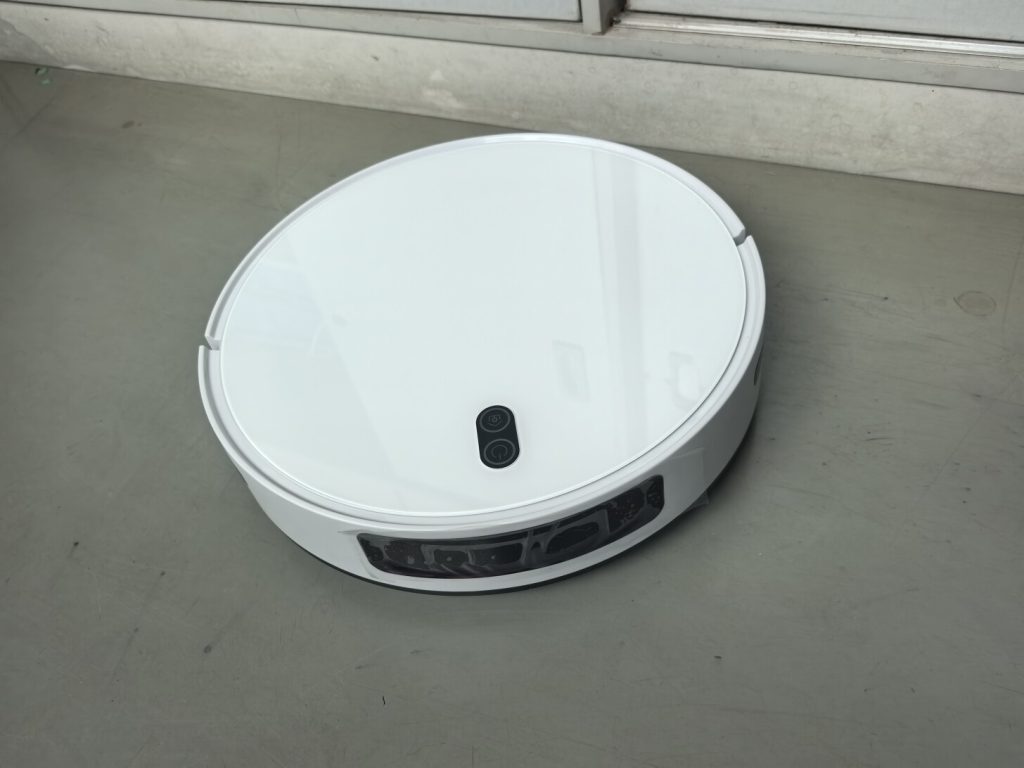
For property managers, real estate developers, and corporate facility teams, procuring a Chinese robotic vacuum supplier is often framed as a cost-saving initiative. The logic seems simple: buy a fleet of robots to replace manual labor and watch the overhead shrink. However, many procurement projects fail to deliver the promised ROI. The robots either get stuck in corners, miss cleaning targets, or break down frequently, creating more work for the maintenance staff.
To ensure your investment truly “saves people” rather than becoming a high-tech headache, you must evaluate suppliers based on operational metrics, not just the unit price.
1. Coverage Rate vs. Theoretical Path
Many suppliers boast about “smart mapping” and “random cleaning,” but in a real-world office or lobby, coverage is what matters. A robot that misses 20% of the floor area is useless.
-
The Metric: Demand a Coverage Efficiency Report. Test the robot in a complex environment with obstacles (desks, chairs, cables). Ensure it achieves >95% coverage without repeated bumping. Look for features like “Zone Cleaning” and “Virtual Walls” that allow you to exclude sensitive areas.
2. Noise Levels and Operational Hours
A noisy robot vacuuming an office during working hours is a productivity killer. Similarly, a short battery life requires constant human intervention to move docking stations.
-
The Metric: Evaluate Decibel (dB) Levels and Battery Autonomy. For daytime use in offices, seek units below 60dB. For hotels or residential complexes, ensure the robot supports “Do Not Disturb” scheduling and has enough battery life to clean at least 1,500 sq ft on a single charge.
3. Consumable Lifespan and Maintenance TCO
The purchase price is a one-time cost; the consumables (brushes, filters, mop pads) are recurring. A cheap robot with expensive, short-lived parts is a financial trap.
-
The Metric: Calculate the Total Cost of Ownership (TCO). Ask for the lifespan of the main brush and filter (in hours or square meters). Negotiate a “Maintenance Kit” discount for bulk purchases. Ensure the dustbin is large enough to reduce emptying frequency for the janitorial staff.
4. Centralized Fleet Management Software
Managing 50 individual robots via 50 different phone apps is impossible. Enterprise deployments require centralized control.
-
The Metric: Require a Cloud-Based Fleet Management Platform. This dashboard should allow you to monitor the status of all robots, receive error alerts (e.g., “stuck in room 302”), assign cleaning schedules by floor, and generate cleaning reports to prove service levels to stakeholders.
Frequently Asked Questions (FAQ)
Q1: Should we choose a robot with a self-emptying base station for our office building?
Generally, yes. For commercial environments with high dust levels, self-emptying stations significantly reduce the labor required to empty bins manually. However, ensure the station’s dust bag capacity matches your cleaning frequency to avoid constant replacements.
Q2: How do we handle robot theft or tampering in public areas?
Choose models with RFID or PIN-code locking features. Additionally, opt for robots with a “Lost Mode” that tracks the device’s location via GPS or Wi-Fi if it leaves the designated premises.
Q3: What is the ideal robot-to-area ratio for a hotel or office?
A general rule of thumb is one robot per 5,000 to 8,000 square feet of cleanable space. However, this depends on the layout complexity. High-traffic areas like lobbies may require more units than private offices.
Q4: How important is after-sales response time for B2B contracts?
Critical. Unlike consumer buyers, B2B operations cannot wait a week for a repair. Include a Service Level Agreement (SLA) in your contract specifying a 24-hour remote diagnosis and a 72-hour on-site repair or replacement guarantee.
Procuring a robotic vacuum fleet for your property or enterprise is a strategic operational decision. By shifting your focus from the sticker price to coverage, noise, TCO, and fleet management, you can select a Chinese supplier that provides a reliable, labor-saving solution that enhances your property’s value and efficiency.


No reply content