
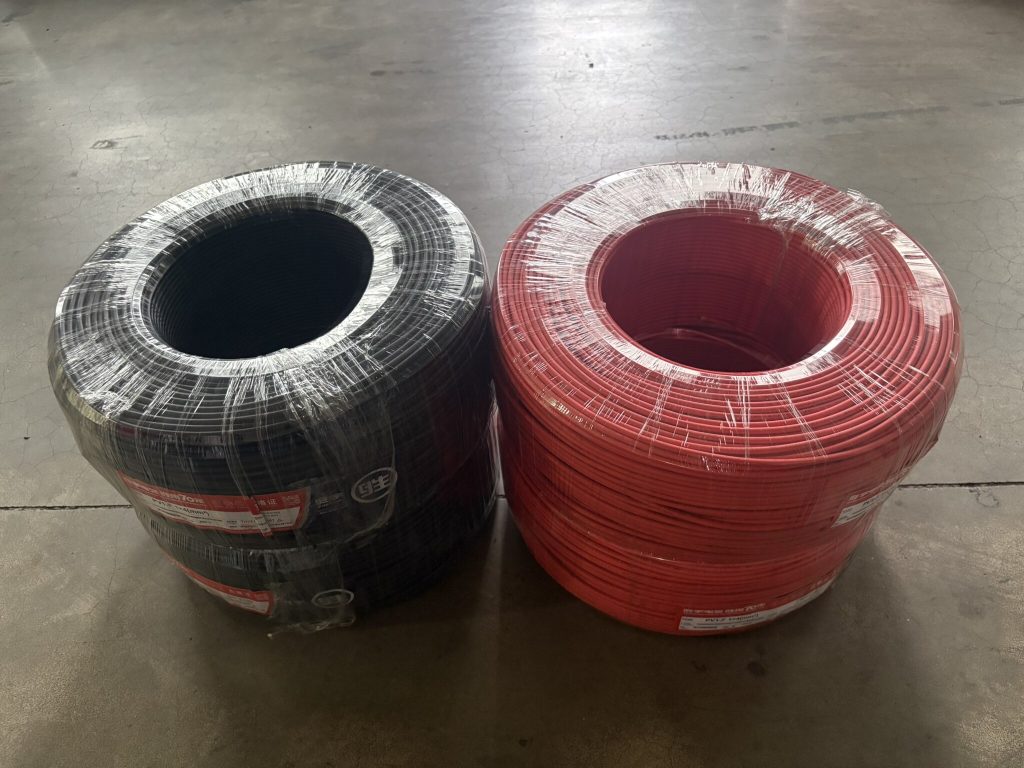
Importing industrial cables for large-scale infrastructure, construction, or manufacturing projects involves significant investment and long-term performance risk. A low unit price can look attractive on paper, but hidden problems in quality, compliance, production capacity, or communication often surface only after the order is placed—or worse, after the cables are installed.
Experienced importers know that identifying warning signs early is more valuable than chasing the cheapest quotation. Below are seven common red flags that overseas buyers should watch for when sourcing industrial cables from China or other overseas suppliers.
### 1. Unclear or Incomplete Product Specifications
A reliable manufacturer will ask for, or clearly confirm, key technical details such as:
– Conductor material and construction (solid, stranded, flexible)
– Cross-sectional area
– Insulation and sheath materials
– Rated voltage
– Applicable standard (IEC, BS, UL, VDE, etc.)
– Temperature rating and fire performance requirements
**Red flag:** The supplier gives a price without clarifying these points, or replies with vague statements such as “we can make any cable” or “international standard.”
Without precise specifications, the quotation cannot be compared accurately with other offers, and the delivered product may not meet project requirements.
### 2. Extremely Low Prices with No Explanation
Copper is the main cost driver in most industrial cables. Prices that are significantly below the market level often indicate:
– Reduced copper content or lower-purity copper
– Thinner insulation or sheath
– Substitution of materials
– Incomplete testing
**Red flag:** The supplier offers a price far below others but cannot explain the cost structure, copper content, or material grades used.
Always request the copper content percentage, conductor resistance data, and a clear breakdown if the price appears unusually low.
### 3. Reluctance to Provide Certifications and Test Reports
Industrial cables frequently need to comply with specific standards and project specifications. Certificates and test reports are essential evidence.
**Red flag:** The supplier:
– Claims “we have all certificates” but cannot send the relevant documents
– Provides certificates that do not match the exact product model or standard
– Avoids third-party test reports
Ask for the certificates and test reports that apply to the specific cable type and destination market. Do not accept generic or outdated documents.
### 4. No Clear Information About Manufacturing Capability
Buyers need to know whether they are dealing with a real factory or a trading company that outsources production.
**Red flag:** The supplier cannot answer basic questions such as:
– Monthly production capacity
– Number of production lines
– Typical lead time for the required quantity
– Whether they control the production process themselves
A manufacturer should be able to describe their production capabilities clearly. Vague or evasive answers increase the risk of delayed delivery or inconsistent quality.
### 5. Unrealistic or Unclear Lead Times
Industrial cable orders, especially customized ones, require time for raw material preparation, production, testing, and packaging.
**Red flag:** The supplier promises very short delivery times for large quantities without explaining how it is possible, or refuses to give a firm production schedule after deposit.
Always confirm the lead time after receipt of deposit and final specification approval. For critical projects, request a production schedule and progress updates.
### 6. Poor Communication and Slow Response
Professional communication is a strong indicator of reliability. Delayed replies, incomplete answers, or frequent changes in contact persons often signal internal problems.
**Red flag:**
– Responses take several days without explanation
– Technical questions are ignored or answered vaguely
– Different people give conflicting information
– The supplier becomes difficult to reach after receiving the deposit
A reliable partner responds promptly, asks clarifying questions, and keeps communication consistent throughout the order.
### 7. Pressure to Pay Large Deposits Without Proper Documentation
Payment terms should be reasonable and supported by clear commercial documents.
**Red flag:** The supplier:
– Insists on a high percentage deposit before providing a detailed proforma invoice or contract
– Refuses to issue standard commercial documents
– Pushes for full payment before production or inspection
– Uses unofficial payment channels
Before making any significant payment, request a clear proforma invoice, product specifications, packing details, and company registration information. For larger orders, consider third-party inspection or trade assurance services.
### How to Protect Yourself
To reduce risk when sourcing industrial cables:
1. Prepare a detailed RFQ with exact specifications, quantity, destination, and required standards.
2. Request samples and evaluate them before placing bulk orders.
3. Compare multiple suppliers using the same specifications.
4. Verify certifications and test reports for the specific product.
5. Confirm manufacturing capability and production lead time in writing.
6. Use clear contracts and reasonable payment terms.
7. Consider pre-shipment inspection for large or critical orders.
### Conclusion
Low price alone is rarely a reliable indicator of a good industrial cable supplier. The seven red flags above—unclear specifications, unexplained low prices, missing certifications, weak manufacturing information, unrealistic lead times, poor communication, and aggressive payment demands—are early warning signs that experienced buyers learn to recognize.
By asking the right questions and insisting on clear technical and commercial information, importers can significantly reduce the risk of quality problems, delivery delays, and costly project issues.
If you are currently evaluating suppliers for industrial cables, use this checklist to screen potential partners before placing an order.


No reply content