
3D Printer Suppliers in Shenzhen China
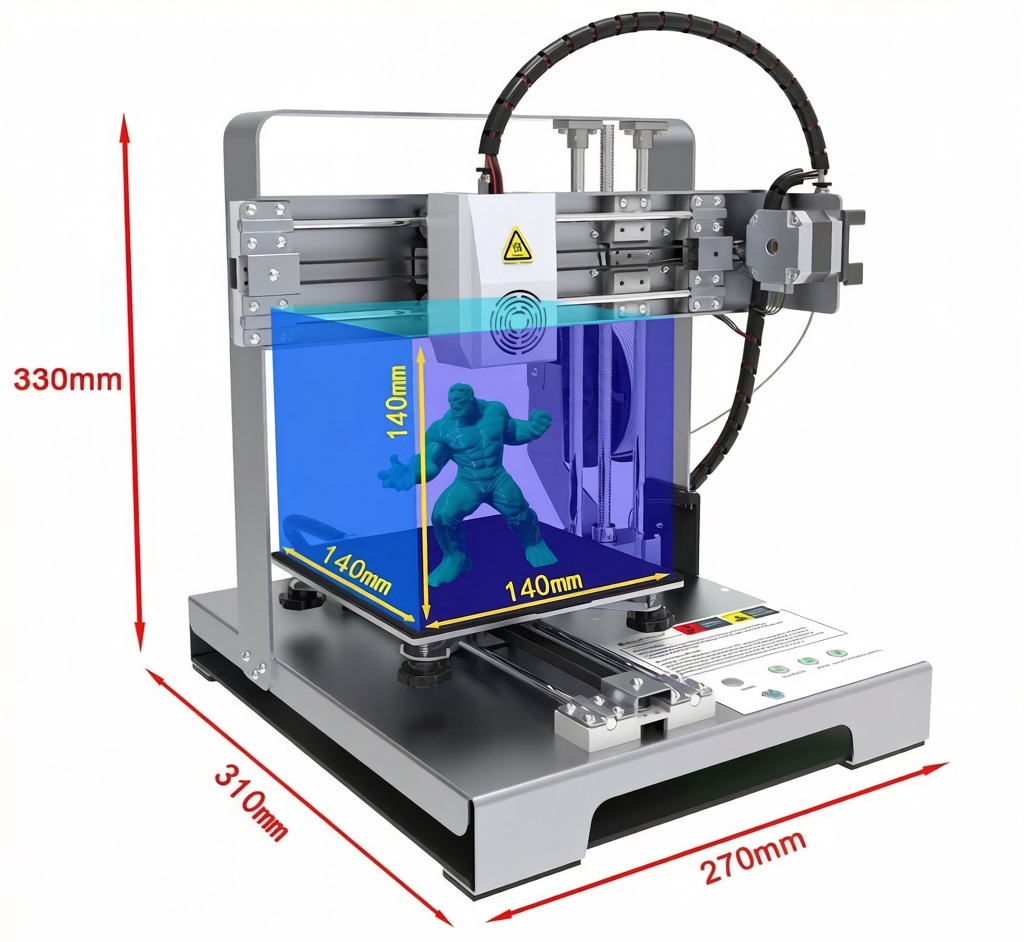
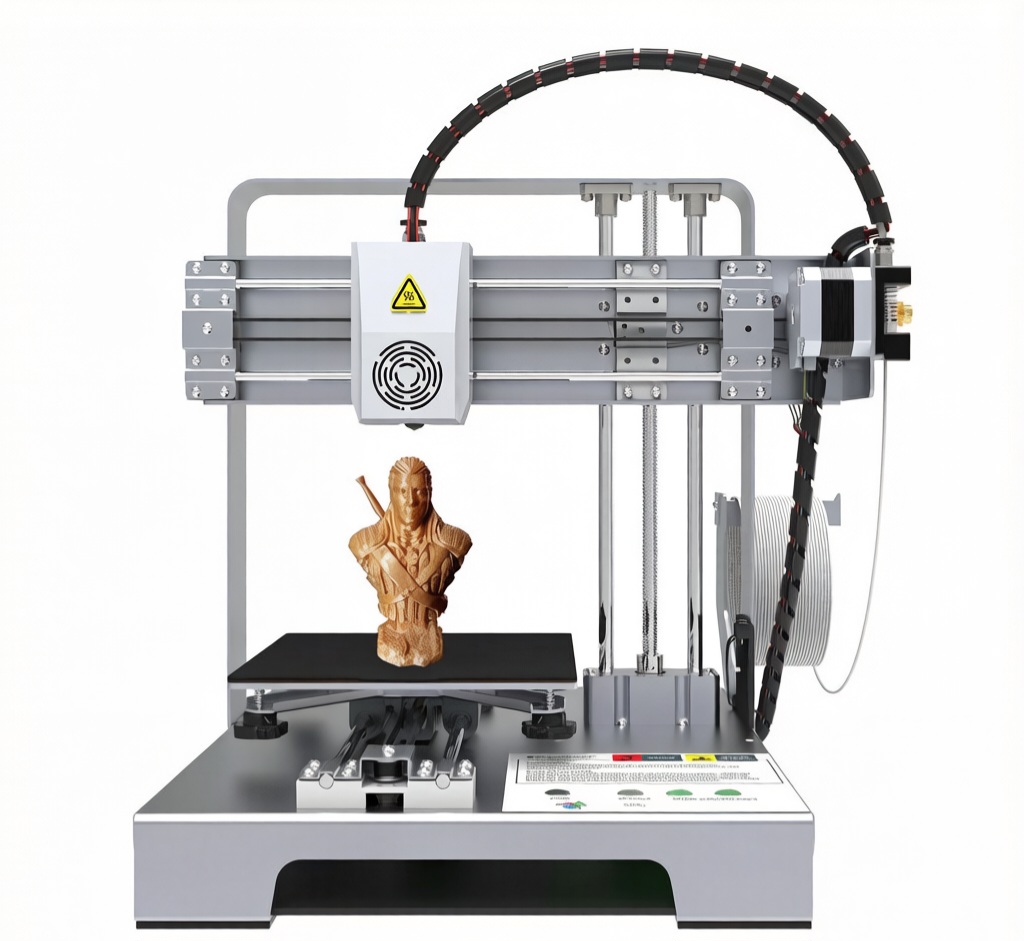
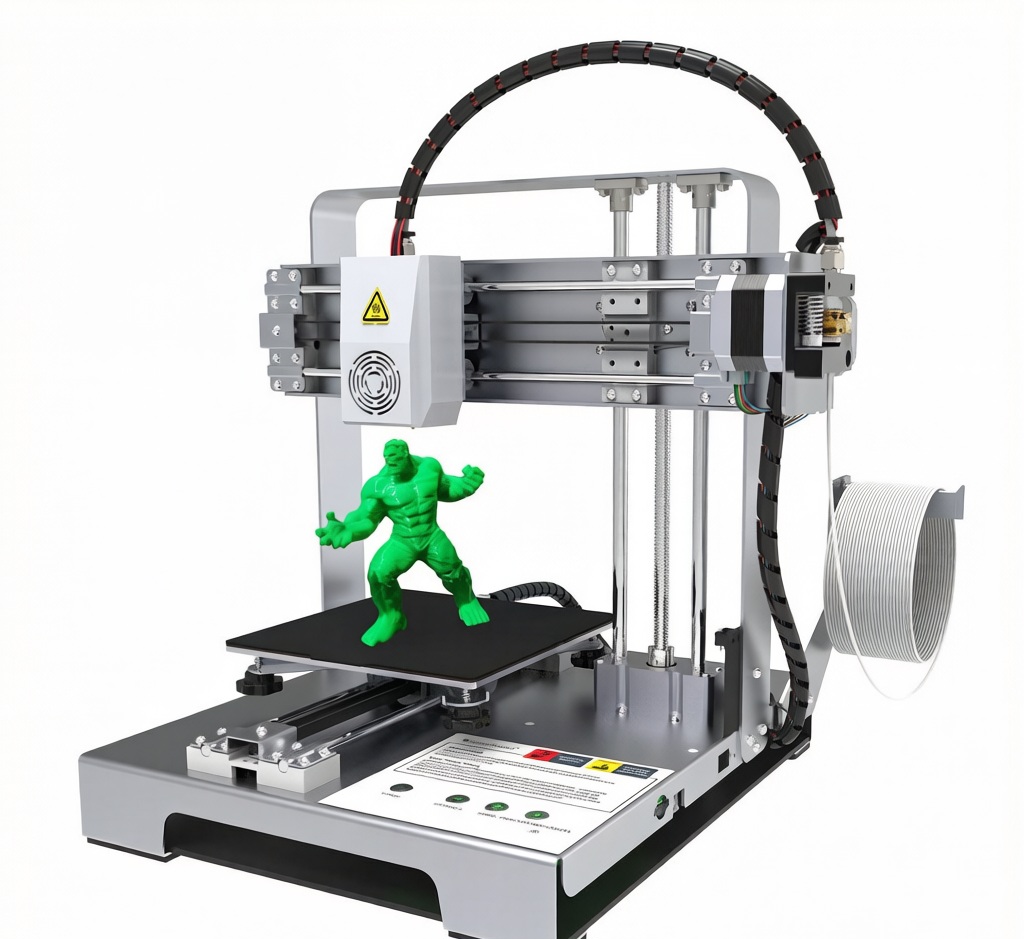
Transitioning from traditional subtractive manufacturing to additive manufacturing (AM) is a monumental step for any enterprise. For factories and production houses looking to build a domestic production line, sourcing an industrial 3D printer supplier in China offers a compelling mix of technological sophistication and capital efficiency. However, moving from a single prototype machine to a synchronized production cell requires a rigorous evaluation process.
Choosing the wrong partner can lead to bottlenecks, inconsistent part quality, and wasted CAPEX. Here is a comprehensive guide to vetting suppliers and building a robust production line from the ground up.
1. Assessing Technological Maturity Beyond the Brochure
Industrial 3D printing is not just about “making things.” It involves complex thermal management and motion control. Many suppliers can print a perfect demo cube in a lab, but few can maintain that precision across a 24/7 production cycle.
-
The Action: Evaluate the machine’s stability under load. Ask about the repeatability of the print head and the consistency of layer adhesion over long durations. Look for features like active vibration compensation and enclosed constant-temperature chambers.
2. Material Compatibility and Supply Chain Integration
An industrial line is only as good as the materials it uses. Relying on proprietary, locked-in materials can cripple your margins.
-
The Action: Prioritize suppliers who support open material platforms or industry-standard pellets/filaments. Ensure the machine can handle high-performance polymers (like Carbon Fiber reinforced PA, PEEK, or PEKK) if your application requires functional end-use parts.
3. The Digital Pipeline: Software and Workflow Integration
Hardware is only half the battle. The real productivity killer is often the software workflow between your CAD designs and the print bed.
-
The Action: Evaluate the supplier’s slicing software and API capabilities. Can it integrate with your existing Manufacturing Execution System (MES)? Does it support batch processing and remote monitoring? Seamless digital integration is key to achieving Industry 4.0 standards.
4. Validation and After-Sales Infrastructure
When a production line goes down, every minute costs money. A supplier who only offers email support is not a viable partner for industrial applications.
-
The Action: Inquire about on-site installation and training. Does the supplier offer a Service Level Agreement (SLA) with guaranteed response times? Check if they have local technicians or authorized service centers in your region.


No reply content