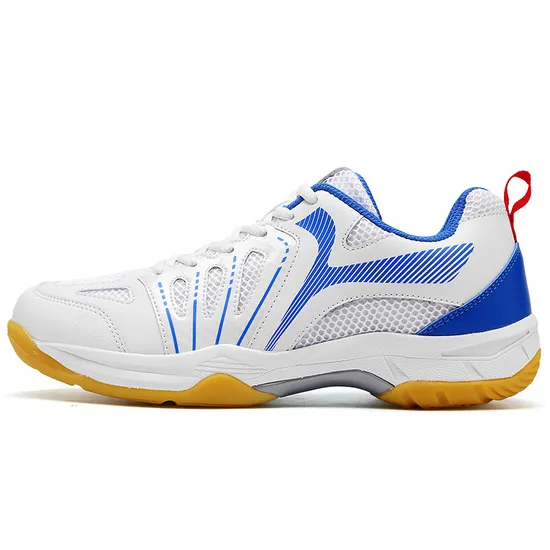
Custom Shoe OEM Manufacturer China | Low MOQ & Fast Sample
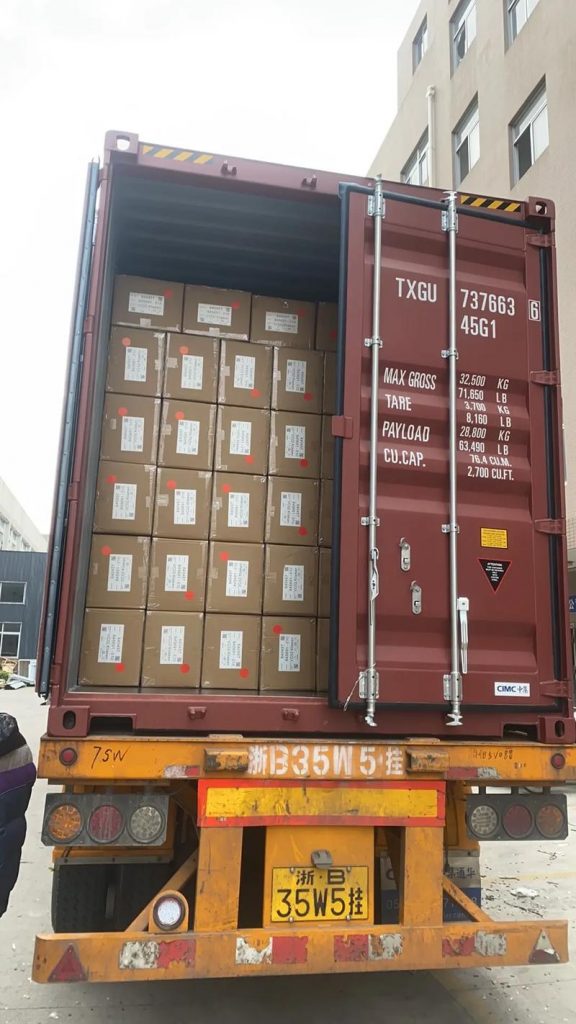
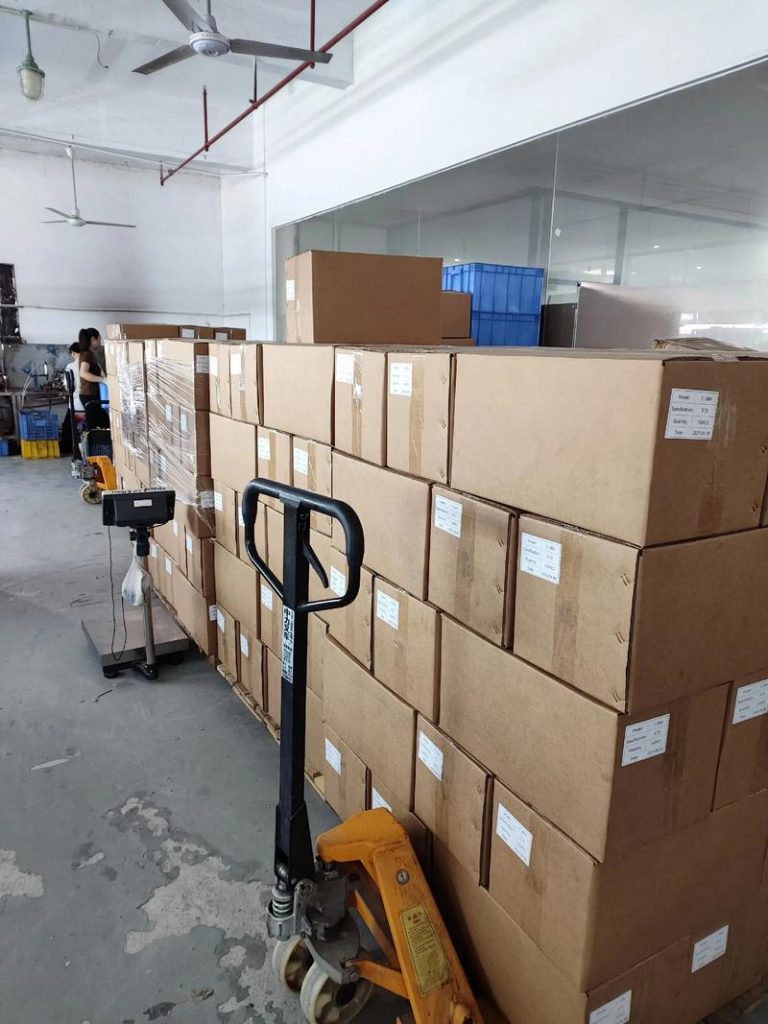
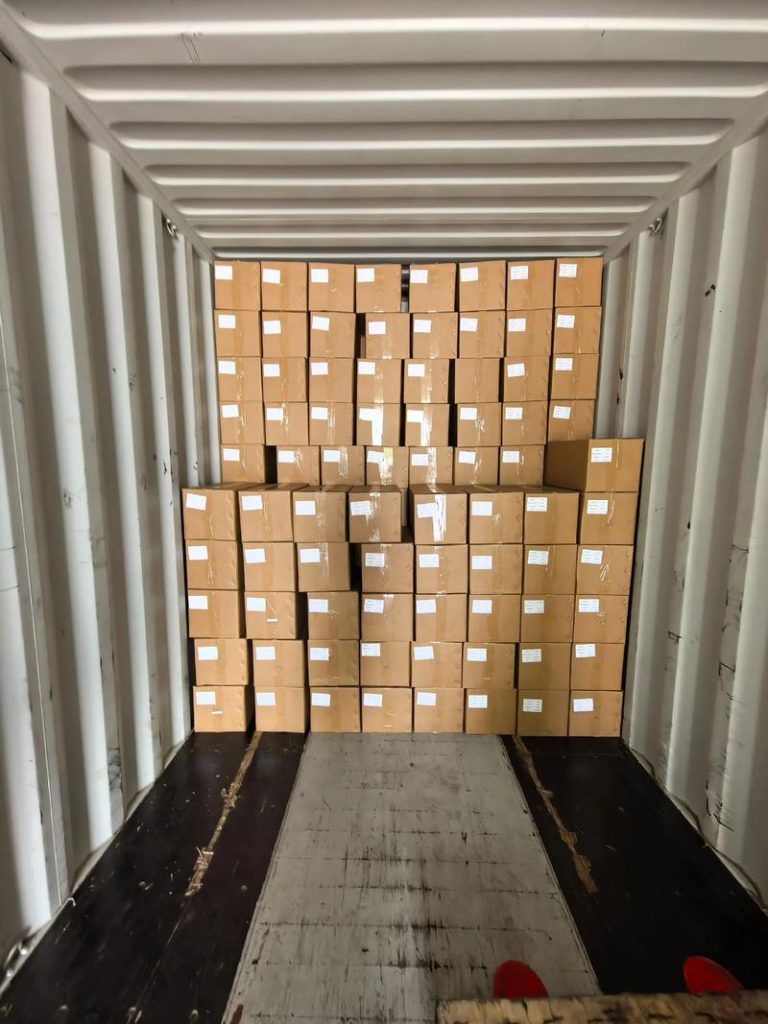


This expert guide provides brand owners, product developers, and procurement professionals with a systematic methodology for identifying and partnering with professional sports shoe manufacturers. It addresses the unique complexities of technical footwear sourcing, from material innovation and biomechanical design to stringent quality assurance. Developed in line with E-E-A-T principles, this original content delivers actionable insights for building a reliable, quality-driven supply chain. Key strategic points are emphasized with icons, and a practical FAQ addresses core sourcing challenges, all presented as an independent, authoritative resource.
Understanding the Specialized World of Sports Footwear Manufacturing
Sourcing sports footwear represents a distinct challenge within the manufacturing sector, blending advanced material science, biomechanical engineering, and precise craftsmanship. The process extends far beyond simple assembly; it involves a deep integration of design, performance testing, and specialized production techniques. For businesses aiming to launch or scale a sports shoe line, success hinges on partnering with suppliers who possess not just manufacturing capacity, but also technical R&D capabilities and a rigorous quality ethos. This guide provides a strategic, phase-gated approach to navigating this specialized landscape, focusing on transforming a supplier relationship into a true technical partnership that ensures product integrity, performance, and brand reputation.
[Icon: Performance] Success in sports footwear sourcing is measured in durability, comfort, and technical excellence, not just unit cost.
Phase 1: Supplier Identification and Technical Capability Assessment
The initial search must prioritize technical competence and vertical integration over general manufacturing capability.
1. Precision Search and Initial Qualification
-
Advanced Platform Filtering: Utilize B2B platforms with filters for “OEM,” “ODM,” and “R&D.” Employ highly specific, long-tail search terms that denote technical requirements, such as “EVA midsole compression molding factory for running shoes,” “knitted athletic shoe upper manufacturer,” or “waterproof hiking boot OEM with Vibram sole partnership.” This targets suppliers with specialized expertise rather than general footwear factories. [Icon: Target] Specific technical keywords are essential for finding partners with niche engineering capabilities.
-
Deep-Dive Capability Analysis: Scrutinize online profiles for evidence of a full production chain. Key indicators include: in-house mold development workshops for soles, CAD/CAM design departments, on-site material compounding or fabric knitting facilities, and dedicated performance testing labs (for abrasion, flexion, etc.). A supplier’s focus on specific categories (e.g., trail running, basketball, athleisure) is a strong sign of specialization. [Icon: Microscope] A deep-dive analysis reveals the difference between an assembler and an integrated technical manufacturer.
2. The Foundational Verification and Technical Audit
Verification for footwear suppliers must include both operational and technical due diligence.
-
The Comprehensive Virtual Facility Tour: A live, guided video tour is non-negotiable. Request to see specific areas: the raw material warehouse (checking organization of foams, textiles, adhesives), the cutting room (laser or hydraulic cutting), the stitching lines (observe needle types and worker skill), the sole unit preparation and assembly area, and the final lasting and curing section. Observe the workflow, automation level, and housekeeping. [Icon: Live Inspection] A virtual tour provides undeniable proof of scale, capability, and process control.
-
Technical and Compliance Documentation: Request and verify certifications. Essential ones include: ISO 9001 for quality management, a robust internal Laboratory Test Report for key performance metrics (peel strength, color fastness, compression set), and material safety certificates (e.g., OEKO-TEX for textiles, REACH compliance). For specific claims, inquire about testing capabilities for slip resistance, waterproofness (e.g., Gore-Tex licensing), or orthotic compatibility. [Icon: Certificate] Technical documentation validates a supplier’s commitment to systematic quality and safety standards.
Phase 2: The End-to-End Product Development and Production Workflow
Managing a sports shoe order requires a detailed, stage-gated process to ensure the final product meets both design and performance specifications.
Step 1: The Critical Design and Technical Package (Tech Pack)
Ambiguity is the enemy of quality. A comprehensive tech pack must include:
-
Precision Technical Drawings: Detailed 2D blueprints and 3D files showing all pattern pieces, stitching lines, and dimensional tolerances (in millimeters).
-
Complete Bill of Materials (BOM): A precise list for every component: upper material (type, weight, supplier), lining, insole board, midsole foam (density, drop), outsole rubber compound, eyelets, laces, and adhesives. Include approved physical swatches for all materials.
-
Performance Specifications: Clearly defined technical parameters: target weight, midsole hardness (Asker C scale), outsole abrasion index, and any required certifications (e.g., for non-slip in kitchen shoes).
-
Last Specification: Detailed drawings and measurements of the shoe last (the foot form), which determines fit, volume, and sizing grading. [Icon: Blueprint] The tech pack is the legal and technical blueprint for the entire production run; its completeness prevents 80% of quality disputes.
Step 2: The Sequential and Non-Negotiable Sampling Protocol
Never skip or rush the sampling stages, each with a distinct purpose.
-
Development Sample (Proto): Created to verify the design concept, aesthetic, and basic construction. Fit and materials may not be final.
-
Engineering Sample (EVALUATION): The first sample made with correct materials and on the intended last. Used for initial wear-testing, fit assessment, and identifying structural or comfort issues. [Icon: Beaker] Engineering samples are for functional testing and refinement.
-
Pre-Production Sample (Salesman/Pilot Sample): Produced on the production line with all correct materials, tooling, and processes. This sample must be signed off as the final standard for aesthetics, fit, and workmanship before mass production begins. [Icon: Gold Standard] The approved PP sample is the absolute quality benchmark for the full order.
Step 3: In-Line Quality Control and Performance Verification
Quality control in footwear is multi-faceted, focusing on both construction and performance.
-
In-Line Quality Checks (ILQC): The factory’s QC team must conduct and document checks at critical stages: after material cutting, after upper stitching (“closed-upper”), during sole attachment (lasting), and before final packing. This prevents the mass production of defective units.
-
Final Random Inspection (FRI) & Performance Spot-Checks: A third-party inspector should conduct an AQL check on packed shoes. Additionally, for sports shoes, it is prudent to pull additional units for destructive testing, such as checking sole adhesion (peel strength) or stitch density, to verify internal construction integrity. [Icon: Checklist] A multi-layered QC approach, combining visual inspection and performance spot-checks, is essential for functional products.
Key Strategic Considerations for Footwear Sourcing
-
Material Sourcing and Development: Determine if the factory sources its own key components (like formulated foam for midsoles) or purchases from external suppliers. For performance-critical parts, establishing a direct or approved-vendor relationship with material specialists (e.g., for air cushion units, carbon fiber plates) can enhance quality control. [Icon: Material Science] Control and expertise over core materials are a key differentiator for a technical footwear factory.
-
Lead Time Realism and Planning: Footwear production is complex. Realistic timelines include: mold development (4-8 weeks for new sole units), multiple sampling rounds (6-8 weeks), material sourcing and lab-dip approvals (2-4 weeks), and mass production (4-6 weeks for a standard container). Rushing any stage compromises quality. [Icon: Timeline] Respecting the product development timeline is fundamental to achieving a quality outcome.
FAQ: Essential Questions for Sourcing Sports Shoes from China
Q1: How do we ensure the shoe fits correctly and consistently?
A: Fit is determined by the last (the foot-shaped form). You must approve a physical sample of the last itself, and then fit-test multiple sizes of engineering samples on people with the intended foot shape. Work with the factory’s technical team to adjust the last based on feedback. Consistency is ensured by using the same, unaltered lasts for production and through strict in-line checks of key measurements (e.g., instep height, toe spring).
Q2: What are the most important performance tests for sports shoes?
A: Core tests include: 1) Peel Strength Test: Measures the bonding strength between the sole and upper. 2) Flexing Endurance Test: Simulates repeated bending to check for material cracking or sole separation. 3) Abrasion Resistance Test (e.g., DIN or SATRA): For outsoles. 4) Compression Set Test: For midsole foam, to assess long-term cushioning loss. Your supplier should have in-house capability for basic tests and use accredited labs for certified reports.
Q3: What is a standard MOQ, and what factors affect it?
A: MOQs are primarily driven by mold costs for soles and material minimums. For a new design with custom sole molds, MOQs typically start at 3,000-5,000 pairs per colorway. For simpler designs using existing sole molds (“stock molds”), MOQs can be as low as 500-1,000 pairs. The complexity of the upper pattern and material choices also affect the MOQ.
Q4: How do we protect our shoe design from being copied?
A: While complete protection is difficult, a multi-faceted approach helps: 1) Formal Agreements: Sign comprehensive NDA (Non-Disclosure) and NCA (Non-Circumvention) agreements with the factory. 2) Component Control: Source a unique, proprietary component yourself (e.g., a branded insole or special lace) and provide it to the factory. 3) Relationship: Build a strong, mutually beneficial partnership with a reputable factory that values long-term collaboration over short-term gains from copying.
Q5: What are the main quality defects to inspect for in sports shoes?
A: Key defects include: Construction: Poor sole bonding (open bond), misaligned patterns, incorrect stitching (SPI – stitches per inch). Material: Glue stains, color shading between panels, defective leather or textile. Cosmetic: Scratches, dirt, uneven trimming. Functional/Performance: Incorrect sizing, mis-matched left/right shoes, incorrect midsole hardness. Your inspection checklist should be derived from the approved PP sample and tech pack.
Conclusion: Building a Performance-Driven Supply Partnership
Successfully sourcing sports shoes from China is an exercise in technical collaboration and meticulous process management. It requires moving beyond a buyer-vendor dynamic to establish a partnership with a factory that shares your commitment to performance, durability, and quality. By implementing the strategic framework outlined—from conducting rigorous technical audits and co-developing precise tech packs, to enforcing a strict, stage-gated sampling and quality control protocol—you build a foundation for product excellence. This disciplined approach ensures that every pair delivered meets the functional demands of the athlete and the aesthetic standards of the brand, turning a complex supply chain into a reliable pillar of your business growth and reputation.
[Icon: Partnership] The ultimate goal is to forge a transparent, technically proficient, and quality-obsessed manufacturing alliance that consistently translates innovative designs into high-performance footwear, order after order.


No reply content