Guangzhou Home Appliance Co. Ltd.
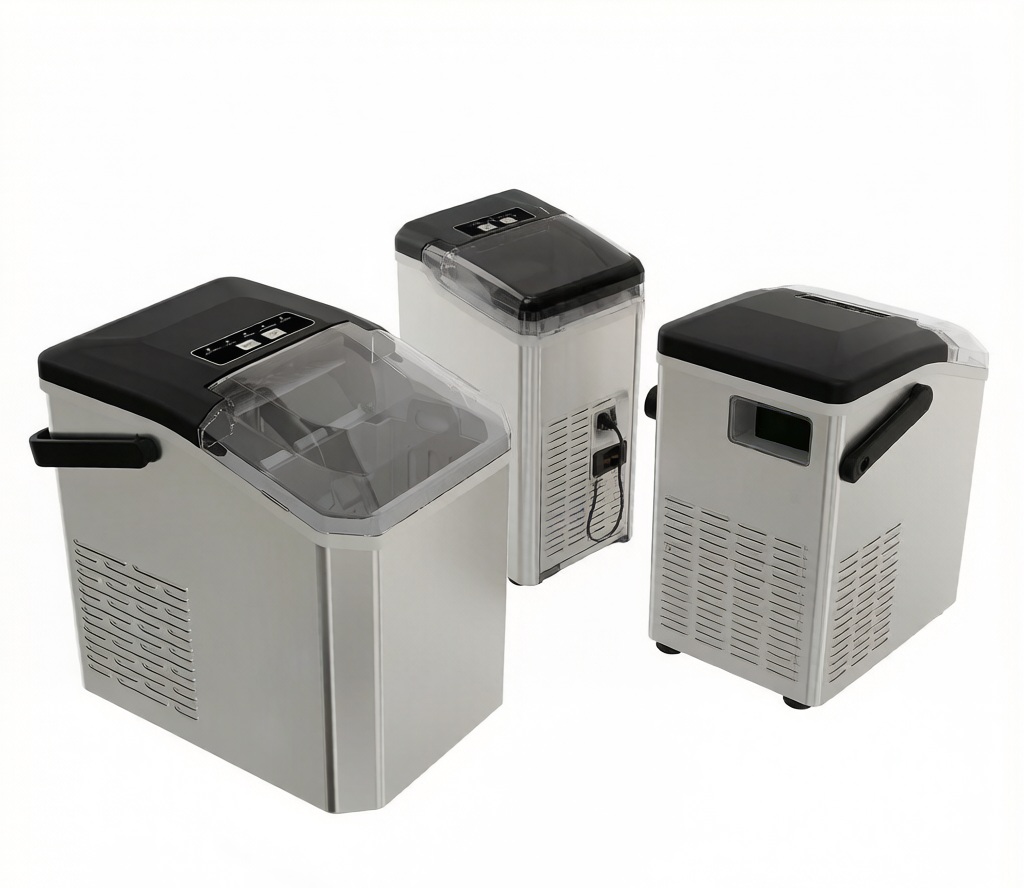
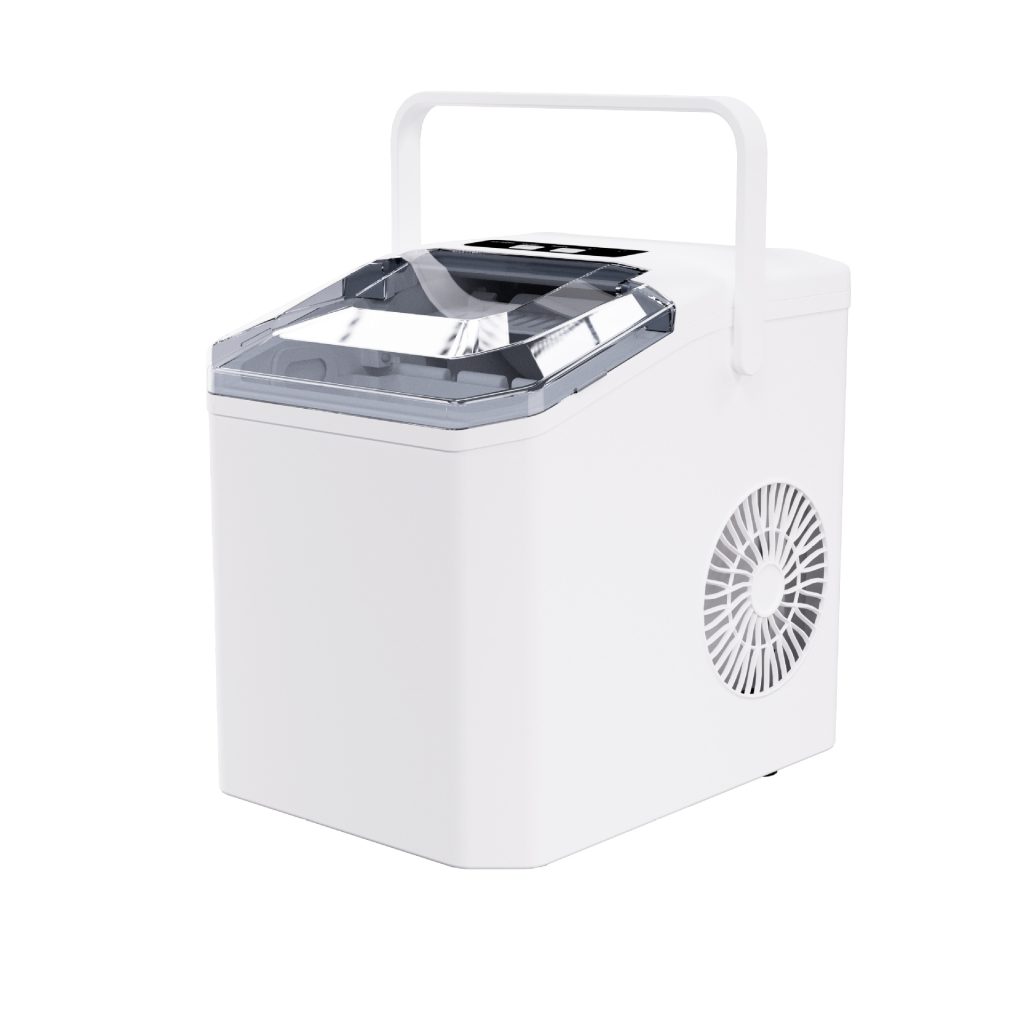
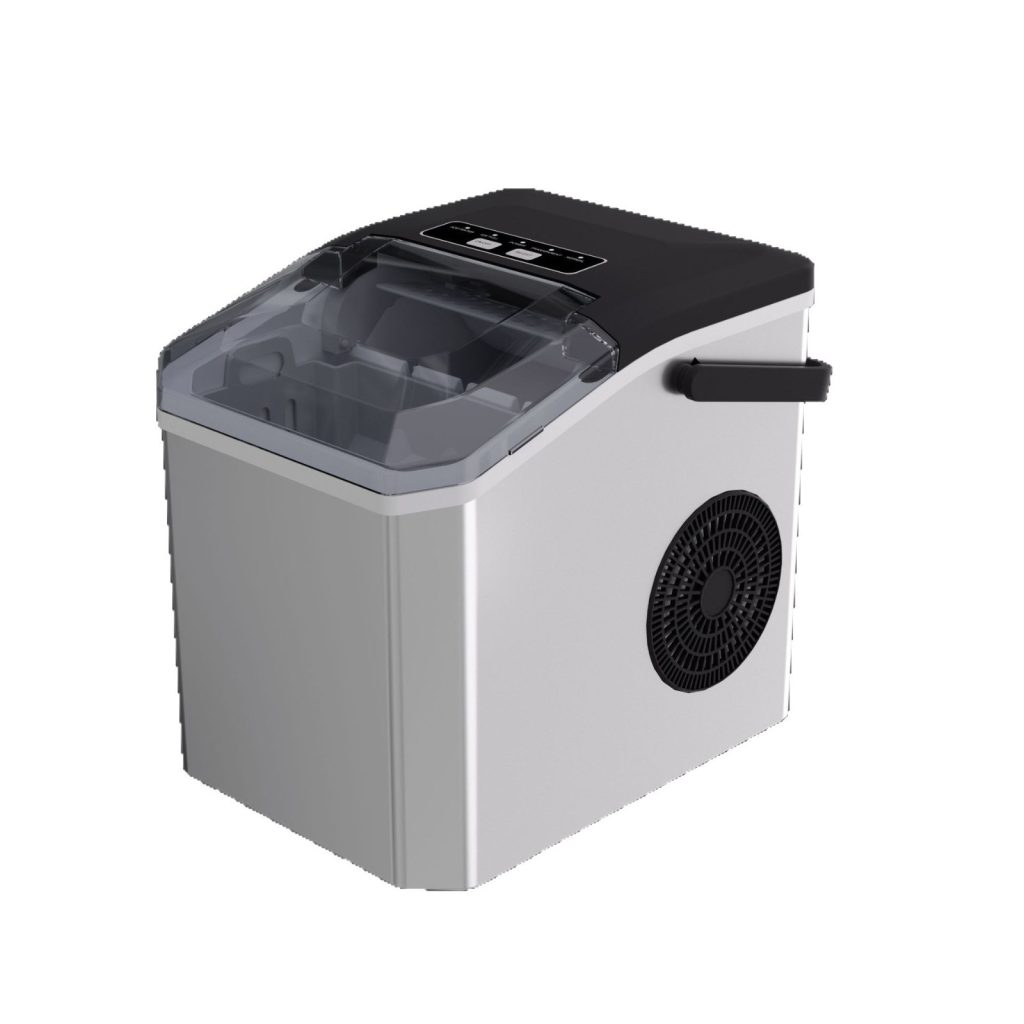
This professional procurement guide provides hospitality groups, food service distributors, and industrial buyers with a systematic methodology for identifying, evaluating, and establishing partnerships with technical ice machine manufacturers. It addresses the critical assessment of production capabilities, component quality, energy efficiency standards, and after-sales support structures. Developed in accordance with E-E-A-T principles, this original content delivers actionable insights for building a resilient supply chain for commercial refrigeration equipment. Key evaluation criteria are emphasized with icons, and a targeted FAQ addresses the core technical and commercial considerations for procurement.
Navigating the Industrial and Commercial Ice Machine Manufacturing Sector
The procurement of commercial and industrial ice machines represents a specialized intersection of precision engineering, food safety compliance, and demanding operational reliability. Sourcing this equipment successfully requires a shift from viewing suppliers as mere assembly factories to evaluating them as long-term technical partners responsible for a mission-critical asset. The decision impacts daily operations, energy costs, and public health compliance for end-users. This guide provides a structured, phase-gated framework for assessing manufacturers, focusing on in-house engineering capability, vertical integration of core components, and the robustness of quality assurance protocols. The goal is to transform the sourcing process into a strategic exercise that ensures value, durability, and total cost of ownership over a decade or more of service.
[Icon: Technical Precision] Success in sourcing ice machines is measured in consistent output, energy efficiency, and years of trouble-free operation, not just the initial purchase price.
Phase 1: Manufacturer Identification and Technical Capability Verification
The initial screening must differentiate between low-cost assemblers and integrated manufacturers with control over the core thermodynamics and engineering of the unit.
1. Targeted Discovery and Preliminary Technical Screening
-
Advanced Keyword Strategy for Engineering Matching: Utilize industry-specific platforms and technical directories. Move beyond generic searches for “ice machine supplier” to employ precise, long-tail phrases that denote engineering specialization, such as “commercial flake ice machine manufacturer with stainless steel evaporator,” “modular cube ice maker OEM for hospitality,” or “energy-efficient nugget ice machine factory with R290 refrigerant systems.” This filters for suppliers with specific technological and application expertise. [Icon: Technical Filter] Specific engineering and application keywords are essential for identifying partners with the requisite R&D and manufacturing depth.
-
Comprehensive Capability Portfolio Analysis: Scrutinize supplier presentations for evidence of vertical integration. Key indicators include: in-house production of core components like evaporators (plate or tube-bundle), water distribution systems, and harvest assemblies; ownership of refrigerant charging and vacuum testing lines; and a dedicated R&D department focused on compressor matching, heat exchange efficiency, and control logic. A manufacturer’s clear specialization in a certain ice type (cube, flake, nugget) or sector (fishery, healthcare, beverage) is a marker of focused expertise. [Icon: Integration] Control over the evaporation, harvest, and refrigeration circuit assembly is the primary indicator of quality consistency.
2. The Foundational Manufacturing and Quality System Audit
Verification must encompass both the physical production environment and the documented quality management system.
-
The Virtual Factory and Laboratory Tour: A live, scheduled video walk-through of the production facility is non-negotiable. Request to see: the sheet metal workshop (for cabinet forming), the evaporator fabrication and welding area, the pressurized water system testing station, the refrigerant charging and recovery station, the final performance testing bay (where ice production, harvest cycles, and energy draw are measured), and the finished goods packaging line. Observe automation, cleanliness, and the use of calibrated test equipment. [Icon: Live Audit] A virtual production tour provides irrefutable evidence of technical capability, process control, and manufacturing scale.
-
Certification and Technical Documentation Deep Dive: Valid, current international certifications are critical for market access and performance assurance. Essential certifications include: CE (with EMC and LVD directives), UL for North America, ISO 9001 for quality management, and ISO 13485 for machines intended for healthcare/lab use. Crucially, request to review the official Energy Efficiency Test Report from an accredited lab (e.g., for NSF or similar standards) and the Material Certificates for food-grade stainless steel (AISI 304/430) and NSF-61 certified water contact plastics. [Icon: Certificate] Independent certification of safety, hygiene, and energy performance is the foundation of technical credibility.
Phase 2: The End-to-End Product Development and Validation Workflow
Procuring a custom or high-volume ice machine order requires a detailed, collaborative process from specification to shipment validation.
Step 1: The Co-Engineering and Technical Specification Phase
The product specification sheet is a legally-binding technical document that must be exhaustive.
-
Precise Performance and Dimensional Specifications: Define all key parameters: Ice production per 24 hours at specific ambient/water temperatures (e.g., 100kg/24h @ 90°F air / 70°F water), ice type and size (cube dimensions, flake thickness), storage bin capacity, electrical specifications (voltage, phase, amperage), water consumption per kg of ice, and detailed physical dimensions with clearances for service access. [Icon: Blueprint] The technical specification sheet is the definitive performance contract, preventing post-delivery disputes.
-
Component and Material Sourcing Disclosure: Require a detailed Bill of Materials (BOM) for critical components, specifying approved brands or quality grades for the compressor (e.g., Copeland, Secop), refrigerant type (R404a, R290), water pump, control board, and sensors. This ensures no unauthorized substitution of lower-cost, inferior parts occurs during production. [Icon: BOM] Transparency in the component supply chain is a direct proxy for product reliability and longevity.
-
Performance and Warranty Framework: The commercial agreement must include a clear Performance Guarantee (e.g., verified production capacity within +/- 5%) and a comprehensive Warranty. A robust warranty includes parts (e.g., 2-3 years for compressor, 1-2 years for parts) and may include labor or a defined return/repair process. The conditions and claim procedure must be explicitly documented.
Step 2: The Pre-Shipment Validation and Factory Acceptance Test
For commercial equipment, functional validation before shipment is a critical risk-mitigation step.
-
Witnessed Factory Acceptance Test (FAT) and Performance Run: For container-load orders or custom models, insist on a witnessed FAT. A randomly selected unit from the production batch is run through a full cycle: it produces ice to declared capacity, completes multiple harvest cycles, and demonstrates all control functions. Key data (electrical consumption, cycle times) is logged and compared to the specification. [Icon: Validation] A witnessed FAT provides the highest confidence that the manufactured product performs as engineered before it leaves the factory.
-
Pre-Shipment Inspection (PSI) with Functional Spot-Check: A third-party inspector conducts a standard PSI for quantity, packaging, and workmanship. Additionally, they should perform a random operational spot-check: powering on a sample of units to verify basic functions, checking for refrigerant leaks with a sniffer, and verifying the inclusion and correctness of all manuals, warranty cards, and spare parts kits. [Icon: Inspector] An independent PSI, combined with FAT data, is the ultimate quality and financial safeguard.
Key Strategic and Commercial Considerations
-
Total Cost of Ownership Analysis: The evaluation must extend far beyond the unit price. Calculate the Total Cost of Ownership (TCO) over a 5-7 year period, factoring in the initial cost, estimated energy consumption (kWh per 100kg of ice), preventive maintenance costs, expected repair costs, and the cost of water. A slightly higher upfront investment in a more efficient, durable unit often yields significantly lower TCO. [Icon: Calculator] TCO analysis shifts the negotiation from piece price to long-term value and operational savings.
-
After-Sales Support and Technical Partnership: Given the 7-10 year expected lifespan, the supplier’s support structure is as important as the product. Evaluate their technical documentation (circuit diagrams, service manuals), availability of spare parts (and their pricing), lead time for critical components, and their ability to provide remote troubleshooting support. A supplier with a global network of certified service partners or a comprehensive online parts portal adds immense long-term value. [Icon: Support] The strength of the after-sales ecosystem determines the operational uptime and lifespan of the asset.
FAQ: Essential Questions for Sourcing Ice Machines
Q1: What are the key differences between an air-cooled and a water-cooled condenser, and how do I choose?
A: Air-Cooled units use a fan and coil to reject heat to ambient air. They are simpler to install, have lower water consumption, but are less efficient in hot environments and can be noisier. Water-Cooled units use a continuous flow of water to absorb heat. They are more energy-efficient, quieter, and perform consistently regardless of ambient temperature, but have high water consumption and require a water disposal line and local regulatory approval. The choice depends on local water costs and availability, ambient temperature conditions, and installation location constraints.
Q2: How do I verify the claimed energy efficiency and ice production capacity?
A: Request the official test report from an internationally recognized standard, such as NSF 12 (for automatic ice-making equipment) or an equivalent. This report, conducted by an accredited third-party laboratory, details the exact test conditions and results for production capacity and energy consumption. Do not rely on marketing claims; insist on seeing the certified test data for the specific model you are procuring.
Q3: What should I look for in terms of sanitary design and food safety compliance?
A: For any food service application, the machine must have an All-Food-Zone (AFZ) design. This means all components that contact water or ice must be made of NSF-51/NSF-61 certified materials, typically AISI 304 or 430 stainless steel for evaporators and bins, and food-grade plastics. The design should prevent water stagnation, be easy to clean, and have accessible service points. Evidence of compliance comes from NSF/ANSI 12 certification or equivalent, and material certificates.
Q4: What is a standard warranty for a commercial ice machine, and what should it cover?
A: A professional warranty typically has a tiered structure: Compressor Warranty (3-5 years), Parts Warranty (1-2 years for all other components), and sometimes a Labor Warranty (90 days to 1 year, often through an authorized service network). The warranty should clearly state what is covered, the claim procedure, and any exclusions (e.g., damage from improper water quality, lack of maintenance, or unauthorized repairs). A reputable manufacturer will stand behind this warranty with accessible support.
Q5: How do we manage water quality requirements to protect the machine and ensure ice quality?
A: Water quality is critical. The supplier should specify the required incoming water standards (hardness, TDS, pH). For most applications, a triple-stage water filtration system (sediment, carbon, scale inhibition) is a minimum recommendation. In areas with very hard water, a water softener may be required. Discuss this with the supplier’s technical team, as neglecting water treatment is the leading cause of scale buildup, reduced efficiency, and premature failure. They should be able to recommend appropriate filtration specifications.
Conclusion: Establishing a Long-Term Technical Partnership
Sourcing commercial ice machines is a capital investment decision that impacts operational efficiency for years. Success requires moving beyond transactional price negotiation to establish a collaborative partnership with a manufacturer that demonstrates engineering integrity, manufacturing control, and a commitment to long-term product support. By implementing the rigorous, phase-gated framework outlined—from conducting deep technical audits and co-authoring precise performance specifications, to enforcing validation through Factory Acceptance Tests and independent inspections—buyers can systematically de-risk their procurement. This disciplined approach ensures the selected partner possesses the technical depth, quality ethos, and supportive infrastructure necessary to deliver a durable, efficient, and reliable asset. Ultimately, this transforms equipment procurement from a cost center into a strategic investment in operational stability and lower total cost of ownership.
[Icon: Partnership] The goal is to forge a transparent, technically proficient alliance with a manufacturer whose engineering standards and support commitment ensure the ice machine becomes a reliable, unseen workhorse in your client’s daily operations for its full lifecycle.


No reply content